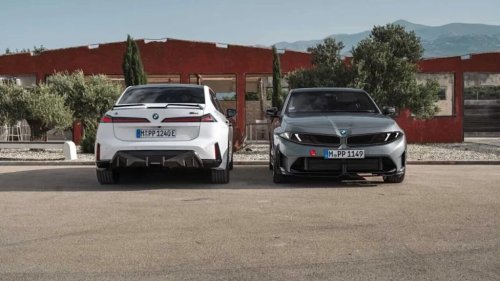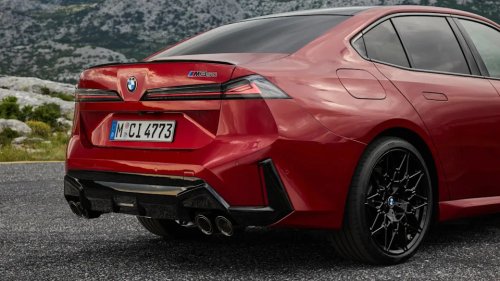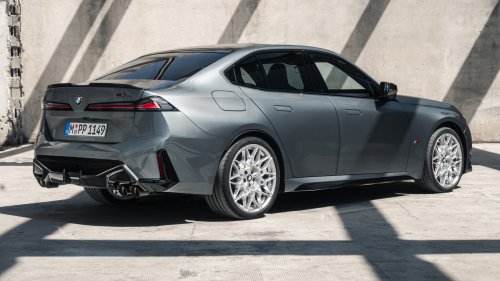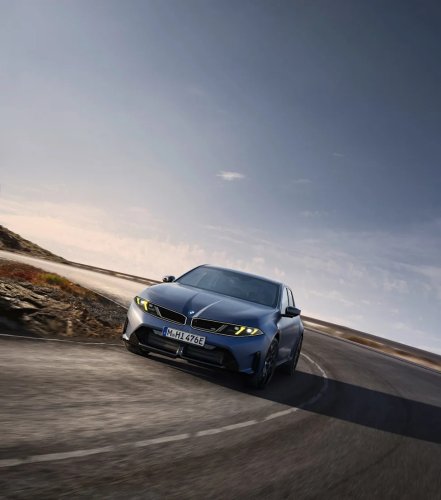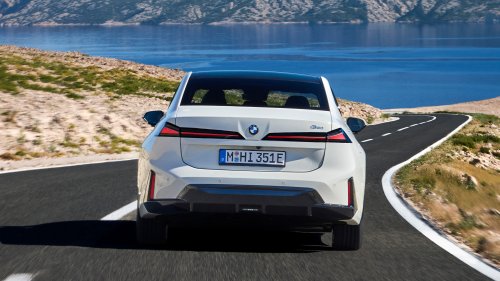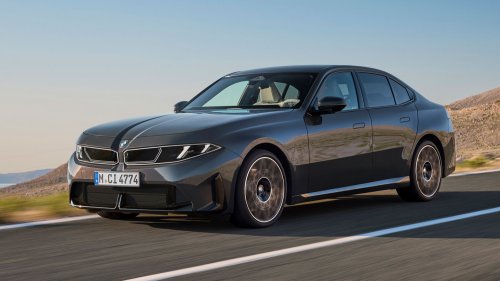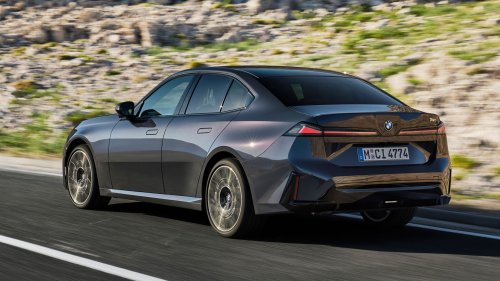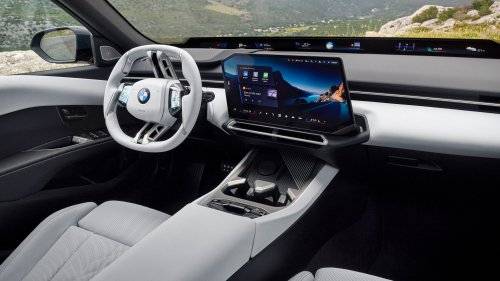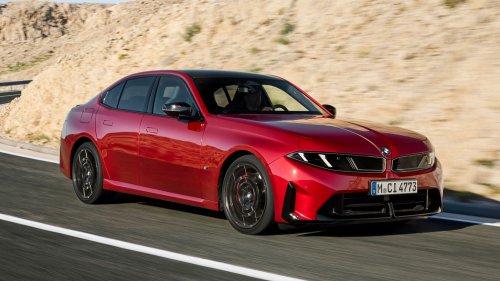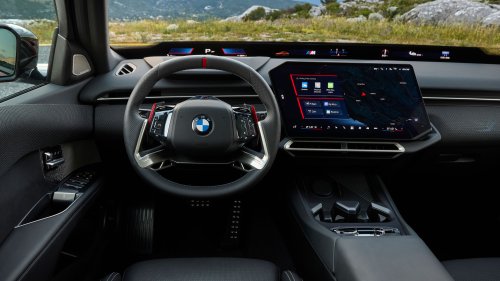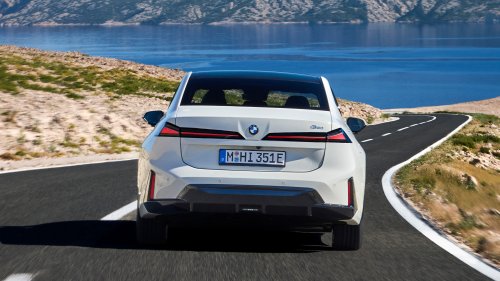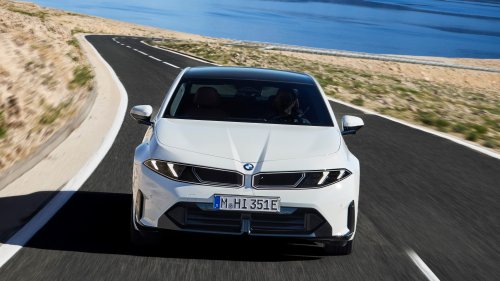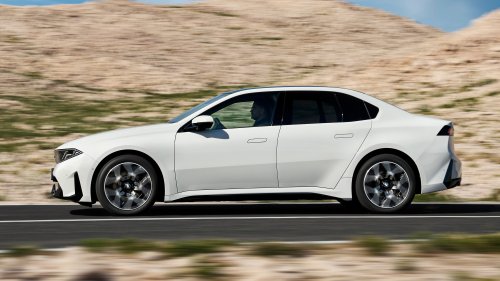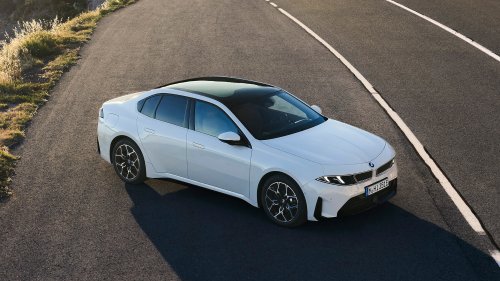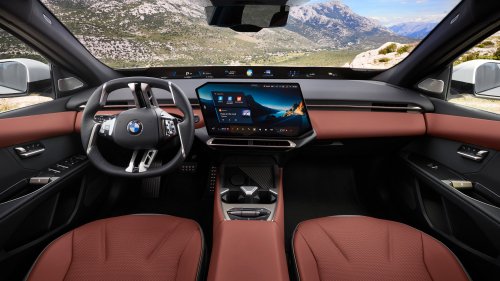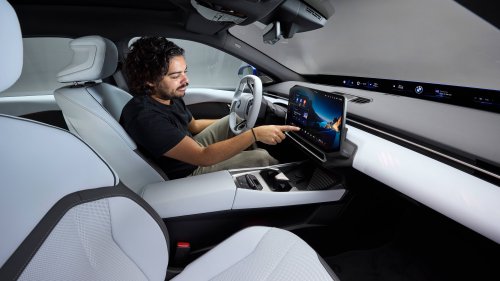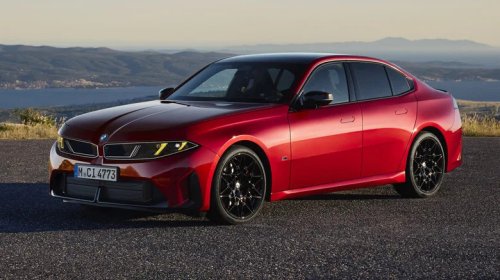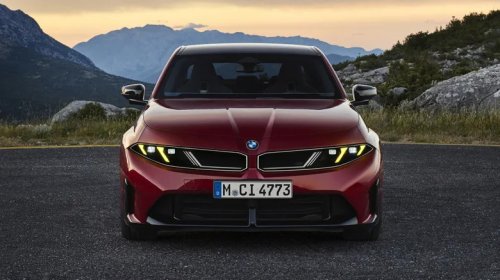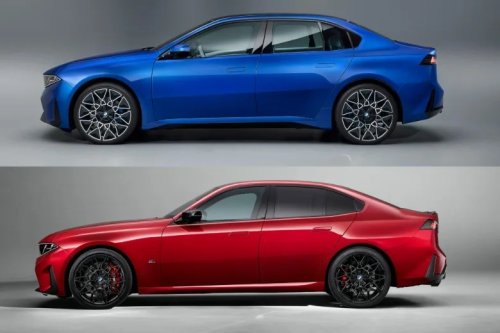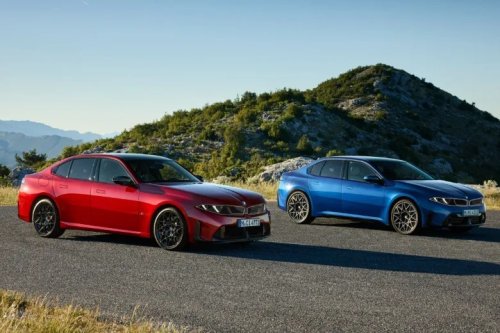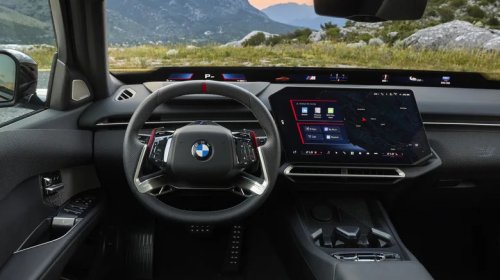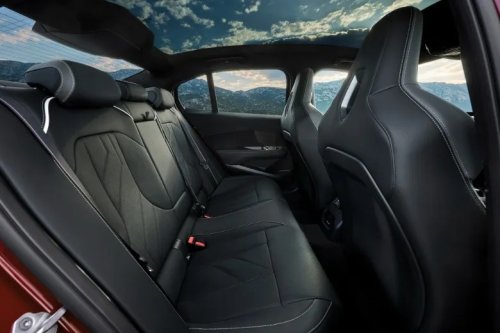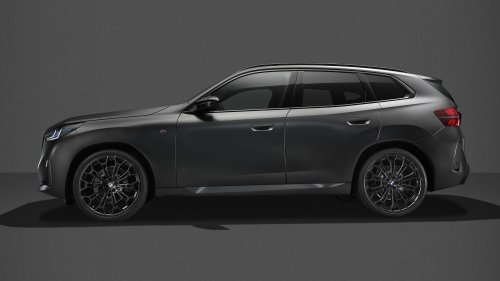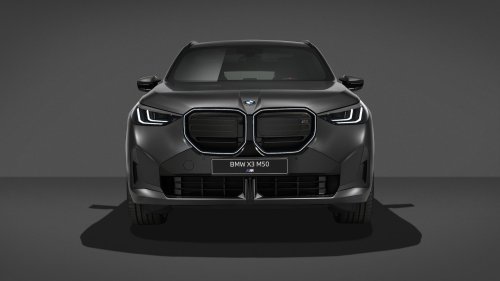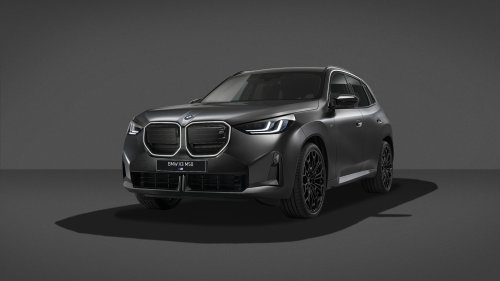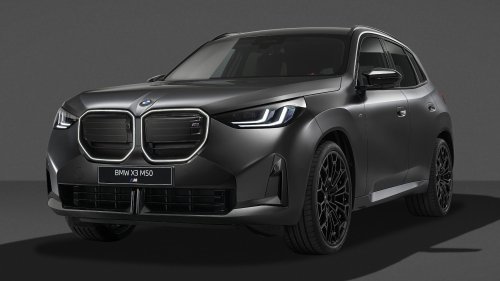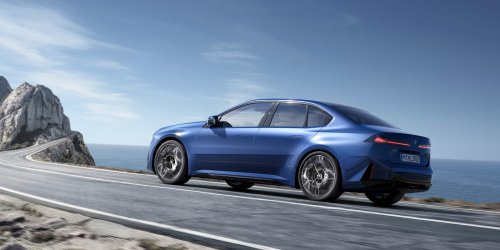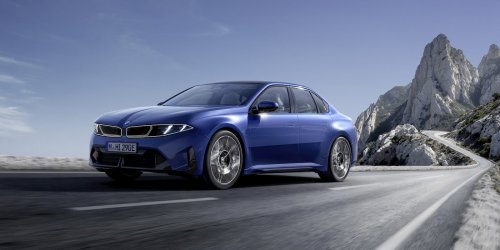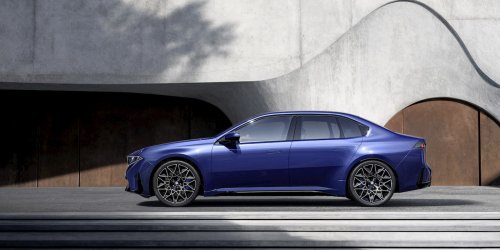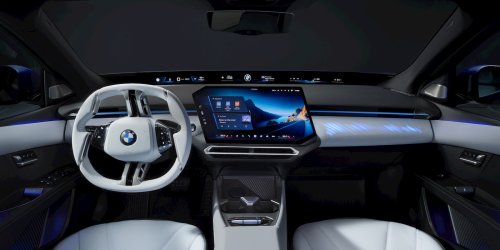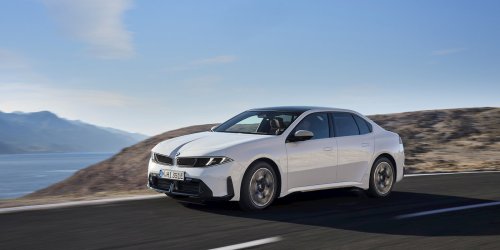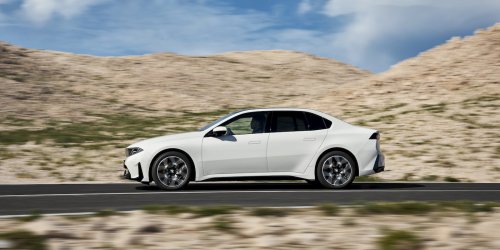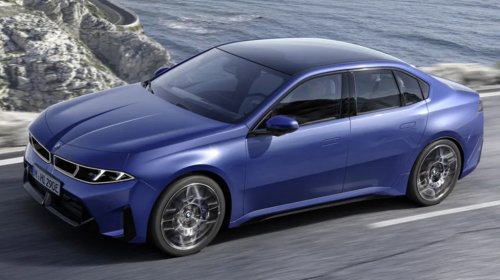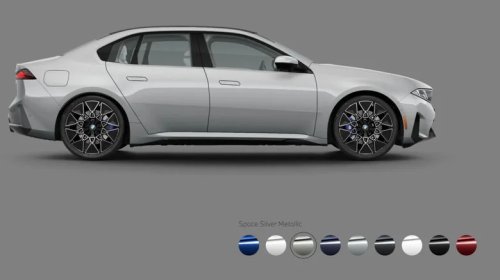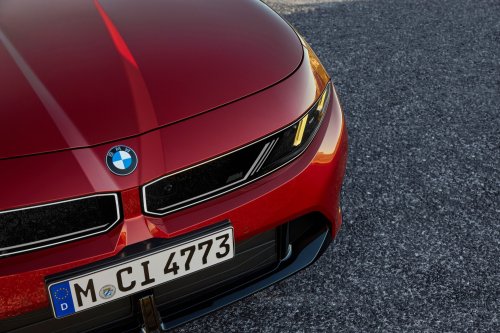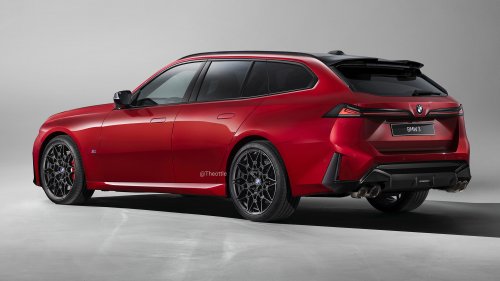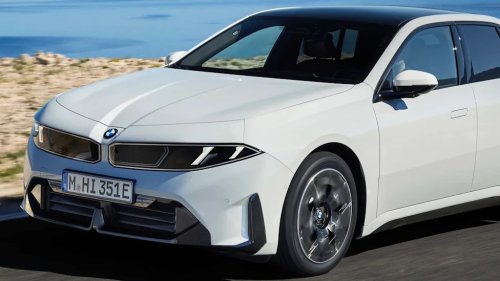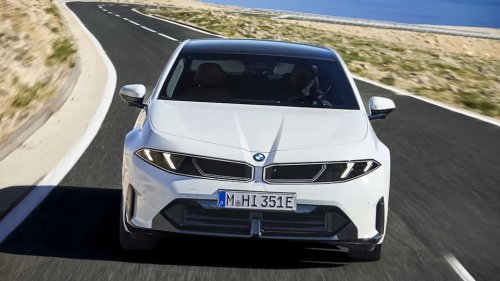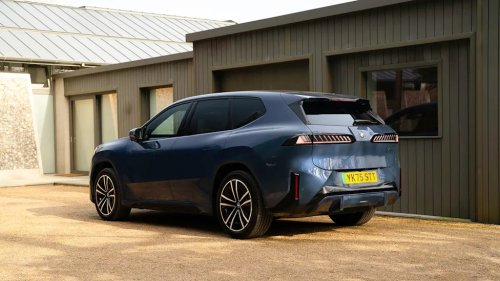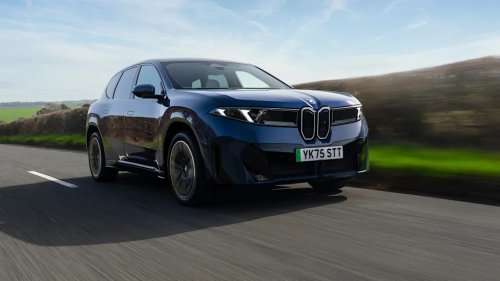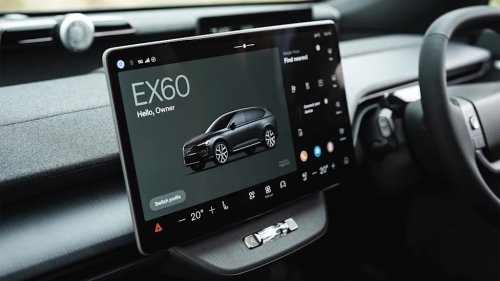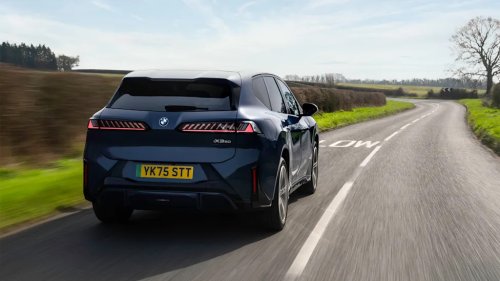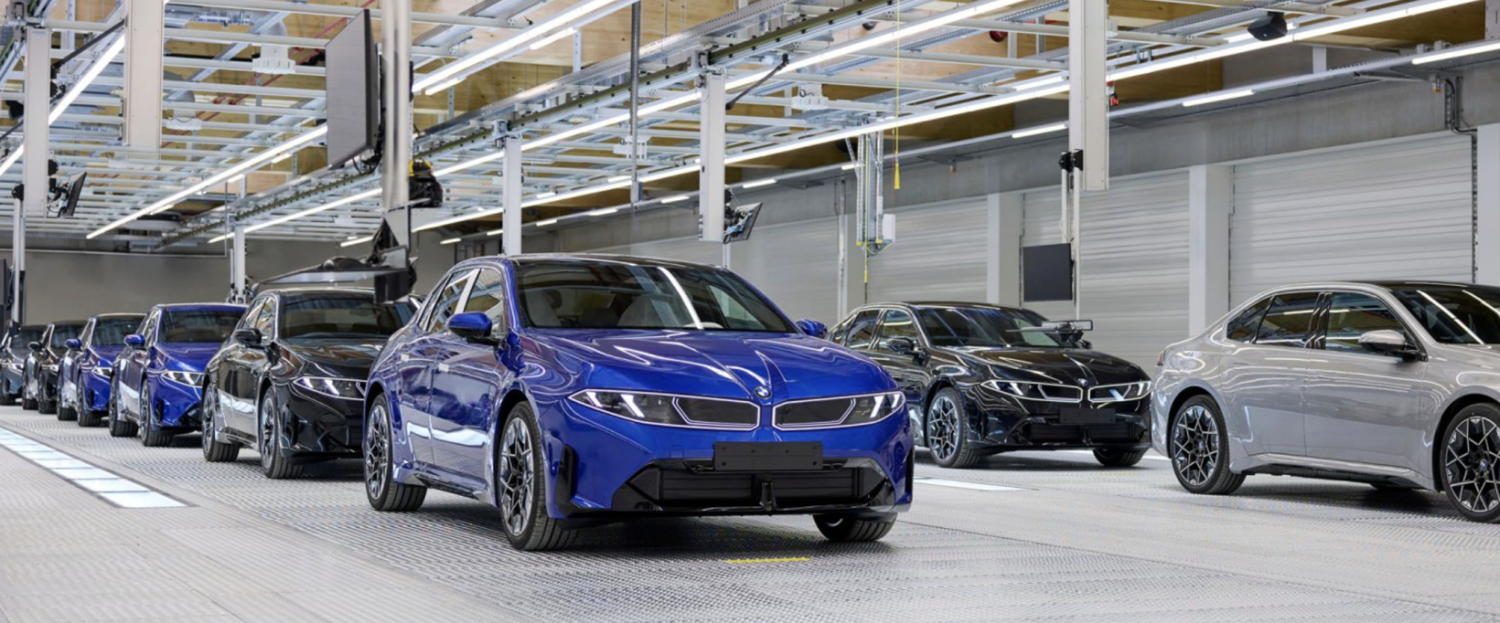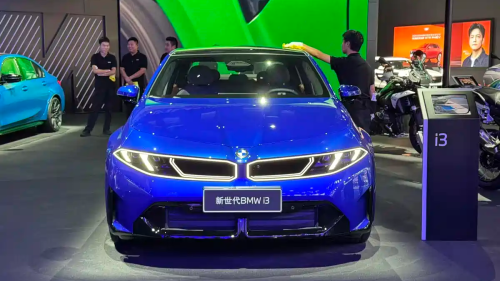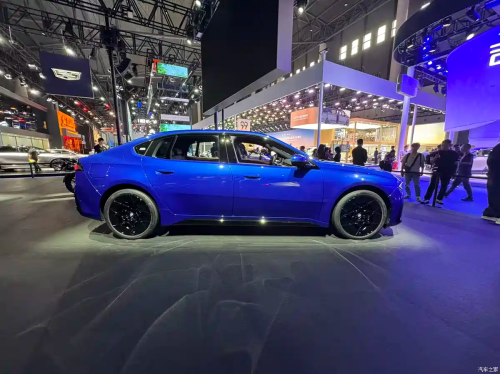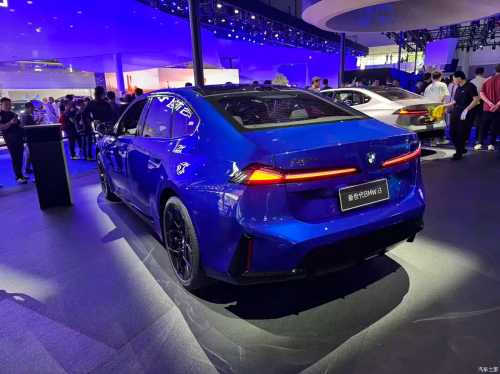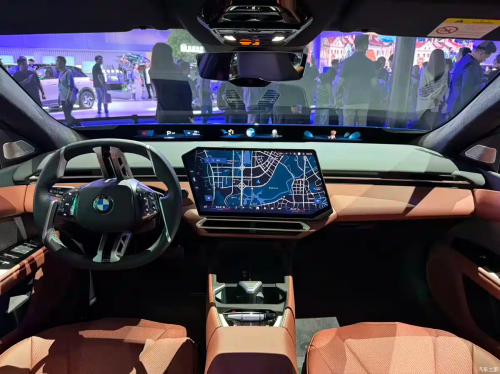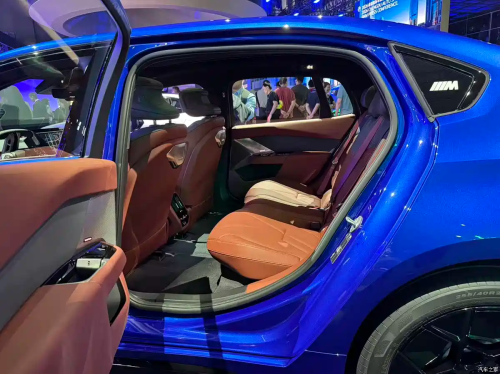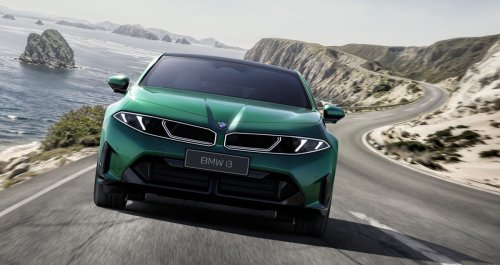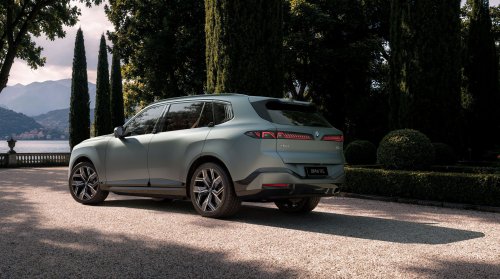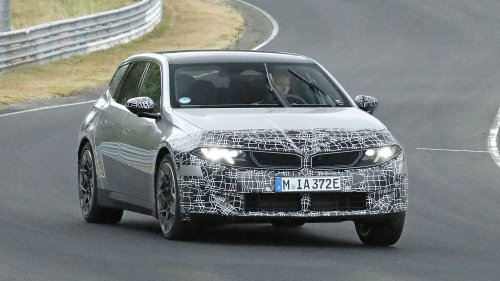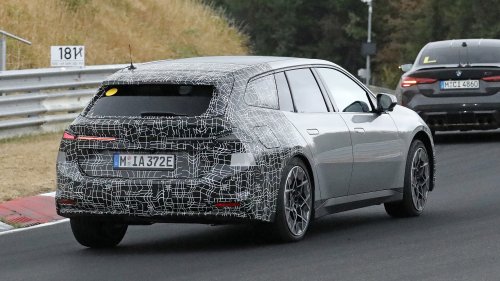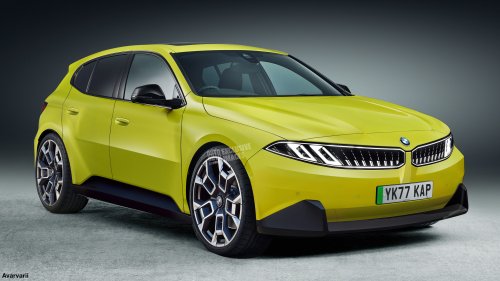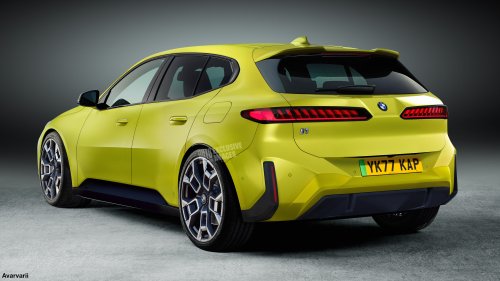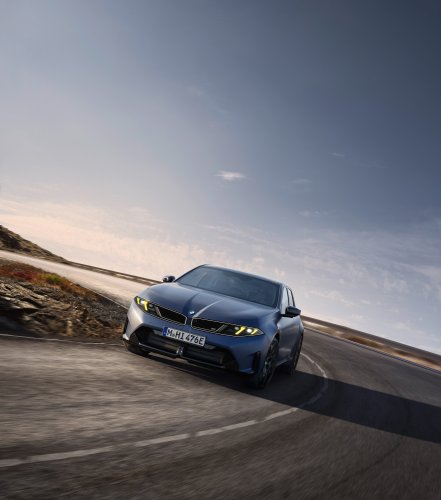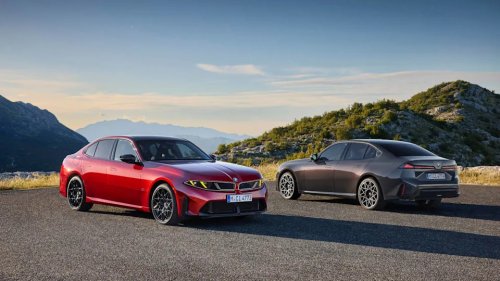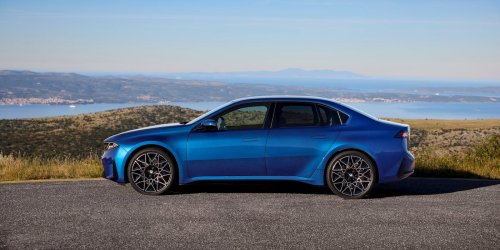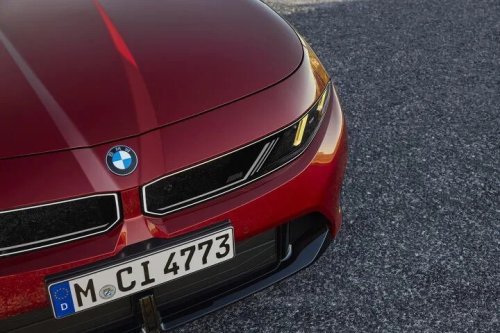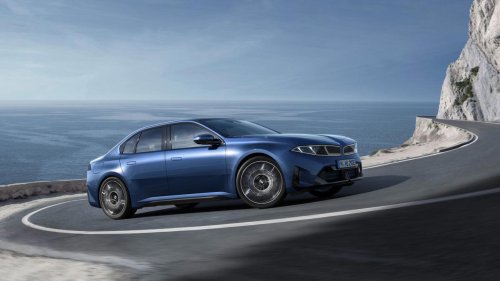
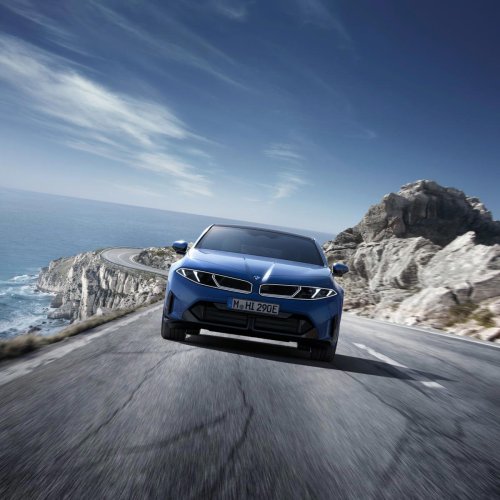
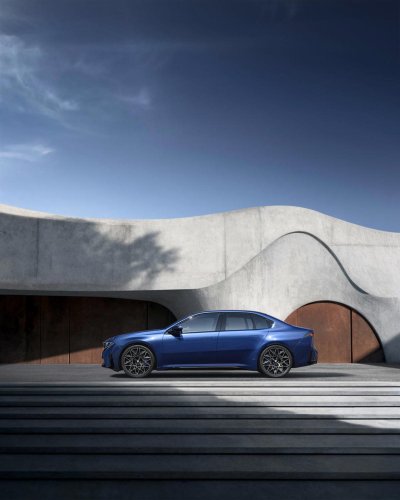
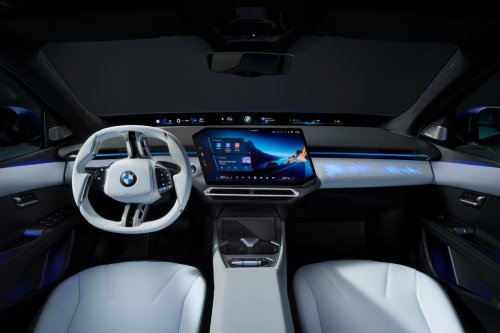



















BMW revealed the second model in its Neue Klasse lineup, the i3 50 xDrive.The dual-motor EV sports AWD, as well as 463 hp and 476 lb-ft of torque.It arrives in showrooms in early 2027. No prices have been announced yet. The Neue Klasse—the all-new, all-electric platform aimed at revolutionizing BMW and bringing it into an electric future—now has a second model. The first was the iX3: a compact SUV, or SAV (Sport Activity Vehicle), as BMW calls it. They had to do that, since crossovers are all anyone wants to buy nowadays. But the next model to ride on the Neue Klasse platform is one you are more likely to want to drive—not a crossover but a four-door sedan that looks a lot like a 3-Series. Think of it as the EV 3. The official name of the car you see here is the BMW i3 50 xDrive. It has electric motors on the front and rear axles that combine for a whoppingly good 463 hp and 476 lb-ft of torque. If that’s not enough, a quad-motor M3 is rumored to be in the works. BMW is modest about the new Neue Klasse model.“It represents a technological quantum leap into a new era,” the company said. Okay, that’s not modest, maybe more like Bavarian understatement. Will it be fun to drive? We haven’t driven it yet, but it wouldn’t be a 3-Series if it weren’t sporty. “The new BMW i3 maximizes the capabilities of the all-new (Neue Klasse) EV architecture, offering impressively precise, effortless, and assured handling,” BMW promises.2027 BMW i3 Neue KlasseExactly how it does that isn’t fully explained yet, except to say that on the front end is what BMW calls a two-joint spring-strut front axle, while the back end is held on by a new five-link rear axle. Front and rear antiroll bars with what BMW calls highly preloaded bearings are used for “even more dynamic handling.” And again, if that doesn’t do it, an Adaptive M suspension is available as an option in the i3.Power goes to the rear wheels via an electrically excited synchronous motor (EESM) not on top of but integrated into the rear axle. BMW says that rear motor is the primary drive axle. The front motor only kicks in when slip is detected between the two axles. It sounds like a sporty setup, but it’s also efficient. BMW says that together the two motors reduce energy losses by 40%, reduce the weight of the system by 10%, and reduce manufacturing costs by 20% compared to previous generations. There’s no airflow through those kidneys.There’s no mention yet of how big the battery is in the i3 50 xDrive, but the iX3 has a 109-kWh pack, so we might assume it’s at least that big. How far will it go on 109 kWh? BMW says only that the car will offer “up to” 440 miles of EPA estimated range. The new high-voltage batteries are made in new cylindrical cells, which offer a cell-to-pack design that enables high energy densities at pack level and a flatter high-voltage battery. Flatter means lower center of gravity and better handling. The entire system is referred to as Gen6 BMW eDrive technology. It operates on an 800-volt architecture that enables 400-kW DC charging. You can turn that around, too, to offer V2L, V2H, and even V2G if anyone ever figures out a standard protocol for that promising vehicle-to-grid capability.2027 BMW i3 Neue KlasseThe exterior of the i3 50 xDrive sports what BMW calls a 2.5-box design, with a somewhat truncated rear end similar to a 318i of 30-something years ago, but done in a far more elegant way. Look at the photos. “The appearance is defined by the long wheelbase, the striking surfaces, and the short overhangs,” BMW says. “The look of the design is both modern and dynamic. Short overhangs and powerfully shaped wheel arches emphasize the sporty stance. A distinctive design feature is the greenhouse, set back from the main structure. In combination with the flared wheel arches, this creates a powerfully athletic shoulder surface.” The interior inspires equal hyperbole, but more for the technology found therein. The inside of the i3 50 xDrive is dominated by Bavaria’s new BMW Panoramic Vision, which projects information onto a specially coated area in the lower part of the windscreen that stretches from A-pillar to A-pillar. Key driving information is on the left, clearly structured and in the driver's line of sight, without restricting their view of the road ahead, while content shown in the central and right-hand areas of the display can be personalized and are visible to all occupants. Note the spokes on the steering wheel and the Panoramic Vision at the base of the windshield.On top of that, the optional BMW 3D Head-Up Display shows driving-relevant information directly in the driver's line of sight. BMW says this eliminates the need for cockpit displays behind the steering wheel, which itself is now completely redesigned, with a spoke poking up in the center section. Unnecessarily weird, yes, but better than a yoke. As promised in the Neue Klasse X concept of two years ago, the i3 sports four so-called “superbrain” high-performance computers, each assigned a core function: The Heart of Joy primarily manages driving dynamics, while separate computers (thus far unnamed) are dedicated to automated driving and parking, infotainment, and essential and comfort functions like vehicle access and climate control. They offer up to 20 times higher computing power compared to previous BMW models.One thing four superbrains offer is Level 2+ driving. It’ll accelerate, steer, and brake for you, while recognizing posted speed limits and adjusting your speed before curves. But if it drives anything like it looks and like its spec sheet suggests, you won’t want to let this thing drive itself. Grab that funky squircle steering wheel and go, man, go.BMW says production is set to begin in August, orders will start being taken later in the year, and the car will hit the market in the US starting in 2027. As of yet there is no pricing.