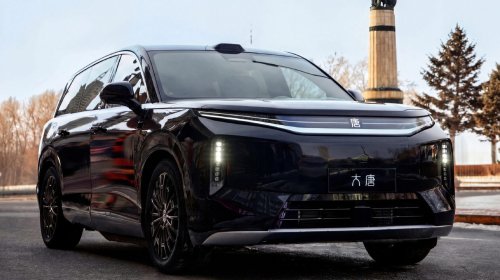
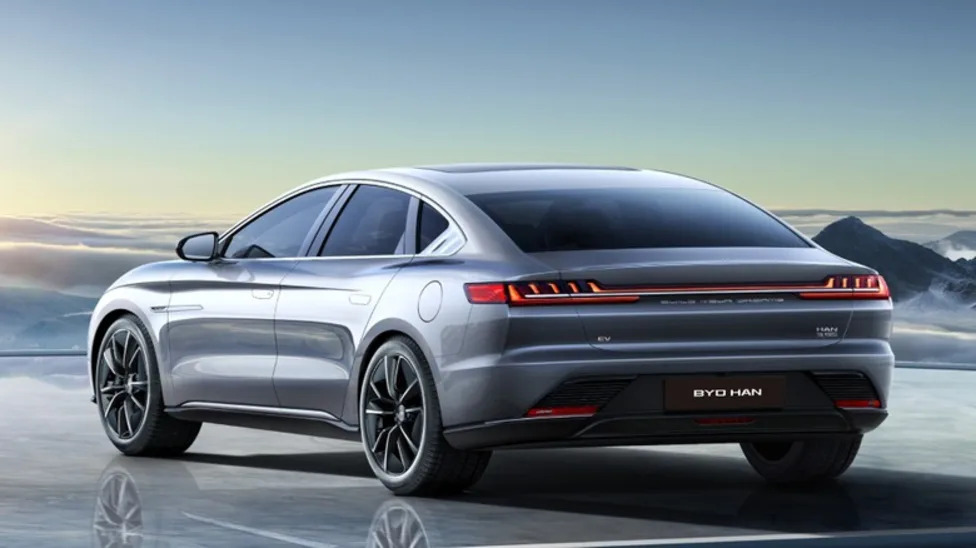
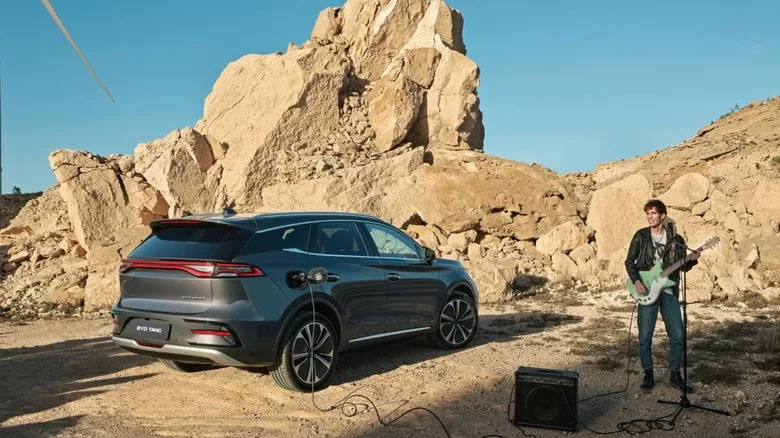
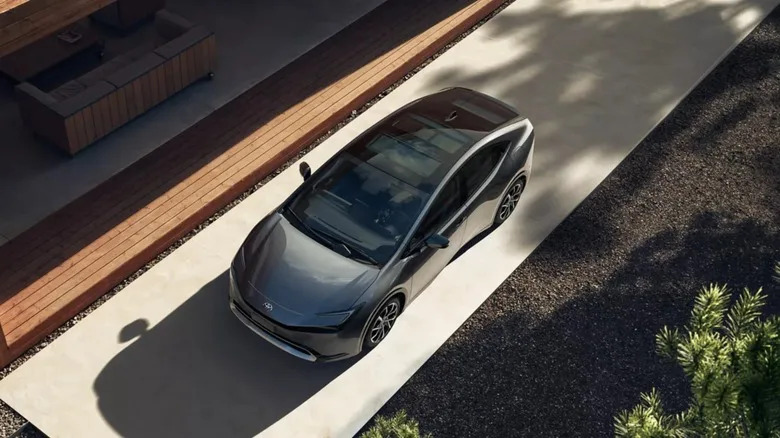
BYDGiven the price of gas these days, electric vehicles sound like an affordable alternative. However, what you save on gasoline you will likely spend on higher electricity bills and registration fees. You might try to mitigate these costs by charging your electric vehicle with solar panels, but Chinese automakers have a more portable idea.Recently, the company Fuyao Group, one of China's leading suppliers of glass for cars (windshields, side windows, etc.), announced it is ready to mass produce "photovoltaic sunroofs" that can charge cars as they drive. The name isn't wordplay or anything — Fuyao didn't develop solar panels that are installed on the roof to soak up the power of the sun. Instead, the company designed laminated glass panels (i.e., actual sunroofs) with embedded solar cells. Unlike perovskite panels that go on top of existing windows, Fuyao's photovoltaic glass is designed to fit vehicles sold by BYD Auto, specifically its Han and Tang models, for an additional installation fee.According to various solar industry reports, Fuyao Group has been working closely with BYD Auto for several years on the photovoltaic sunroofs. Fuyao previously told investors that it could begin production as early as 2024 and could increase production by 2026.AdvertisementAdvertisementRead more: What's Happening To Earth Right Now Can't Be Explained By Climate ModelsIt's not all sunshine and rainbowsBYDWhile the technology behind Fuyao Group's photovoltaic sunroofs sounds promising, the news of its development has spurred several rumors about its capabilities. People who are expecting these photovoltaic sunroofs to revolutionize the electric vehicle industry might have to temper their expectations.Those same industry reports note that the output of Fuyao's photovoltaic sunroofs tops out at around 720 watts, which is a drop in the bucket compared to what EVs generally need. While driving on highways, electric cars require tens of kilowatts to keep the vehicle moving at a steady speed. Then again, the energy from these sunroofs is mainly intended for onboard electric equipment, which at the very least can free up battery power for the engine and squeeze out a few more miles during long trips. However, neither Fuyao nor BYD Auto published these reports. The companies haven't even provided any technical specifications or pricing estimates, so it's anyone's guess as to how much energy or long-term savings the components will actually provide.If Fuyao Group's sunroofs live up to expectations, we can add them to our list of reasons why Chinese EVs should be sold in the US. Or, at the very least, Fuyao could license out production schematics to local car manufacturers. Who wouldn't want to buy an add-on that pays for itself in charging cost savings over the long term?What sets them apart from the competitionToyotaFuyao Group is not the first car company to offer photovoltaic sunroofs. Toyota has been selling solar roofs as an add-on for its Prius Prime (specifically the XSE Premium trim) for several years. However, just because two companies have the same (or similar) ideas doesn't mean the concepts are executed in identical fashion.AdvertisementAdvertisementThe first major difference is the types of cars that use these solar roofs. Whereas the BYD cars designed to use the add-on, the Han and Tang, are fully electric, the Prius Prime is a plug-in hybrid. You still need to fill the tank with gas, but you technically get more miles to the gallon thanks to the electric motor.While Fuyao's glass only supplements dashboard electronics, the company states the photovoltaic sunroof provides a constant supply of electricity, which implies the vehicle charges while in motion. Meanwhile, Prius Prime owners state their car's solar roof really only charges the vehicle while it's parked, ideally in direct sunlight. However, while both the BYDs' and Prius Prime's photovoltaic sunroofs can power auxiliary systems, Prius owners are split when it comes to usefulness. Some think the roof helps their commutes, while others believe it is borderline useless. We can't rely on owner feedback on Fuyao Group's solar glass roofs since they aren't widely available yet, but time will tell if they're an improvement over Toyota's version.Enjoyed this article? Sign up to BGR's free newsletter and add us as a preferred search source or follow us on Google for the latest in tech and entertainment, plus tips and advice you'll actually use.Read the original article on BGR.



















 +76 others