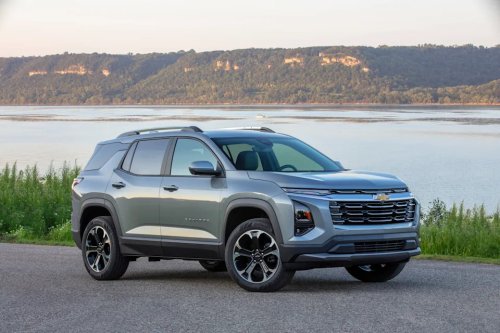
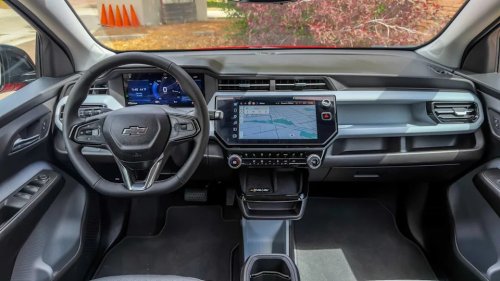
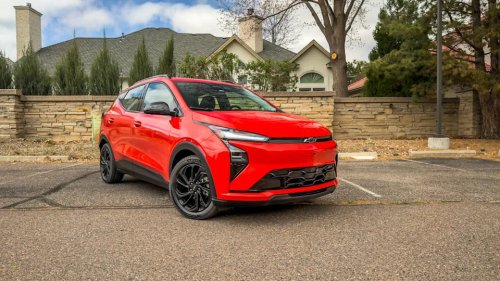
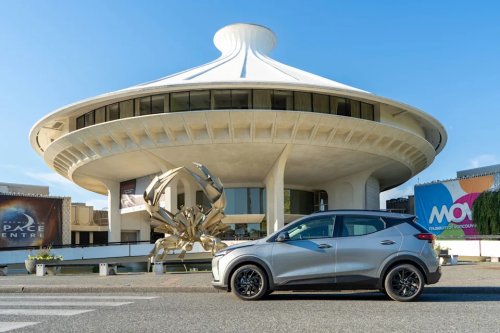
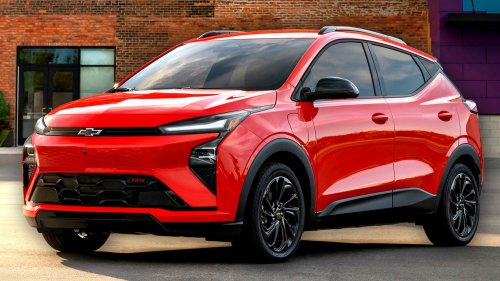
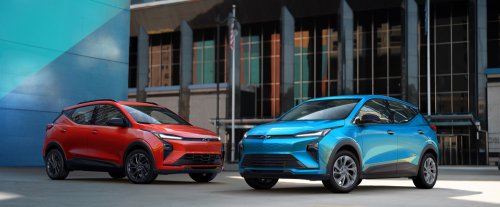
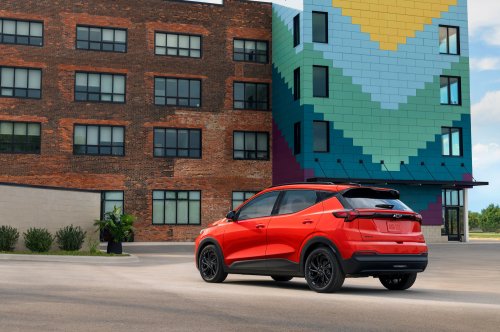
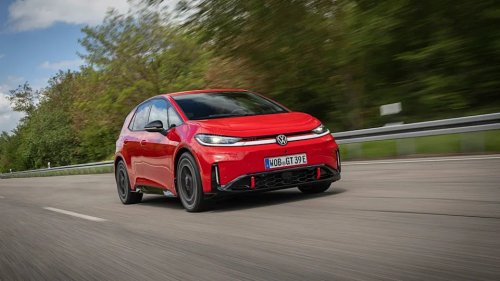
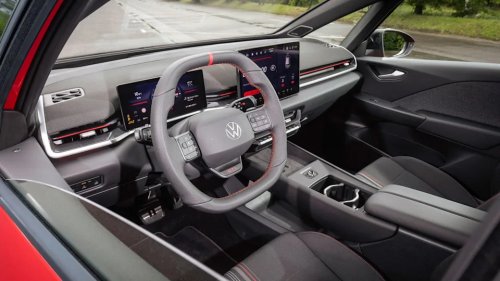
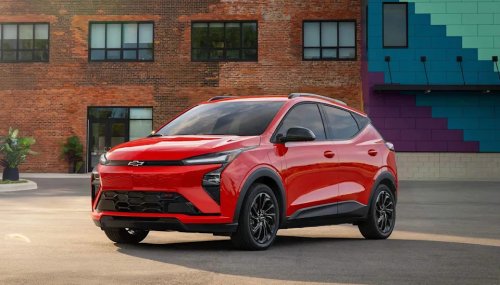
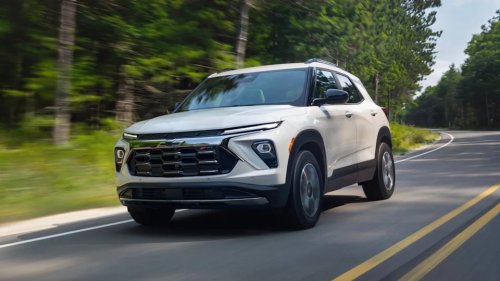
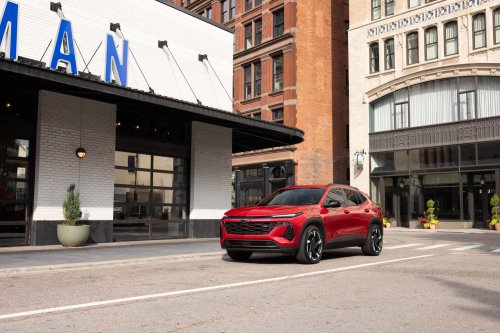
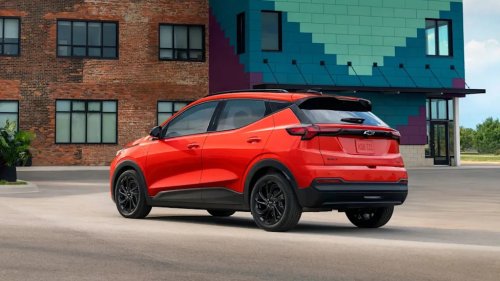
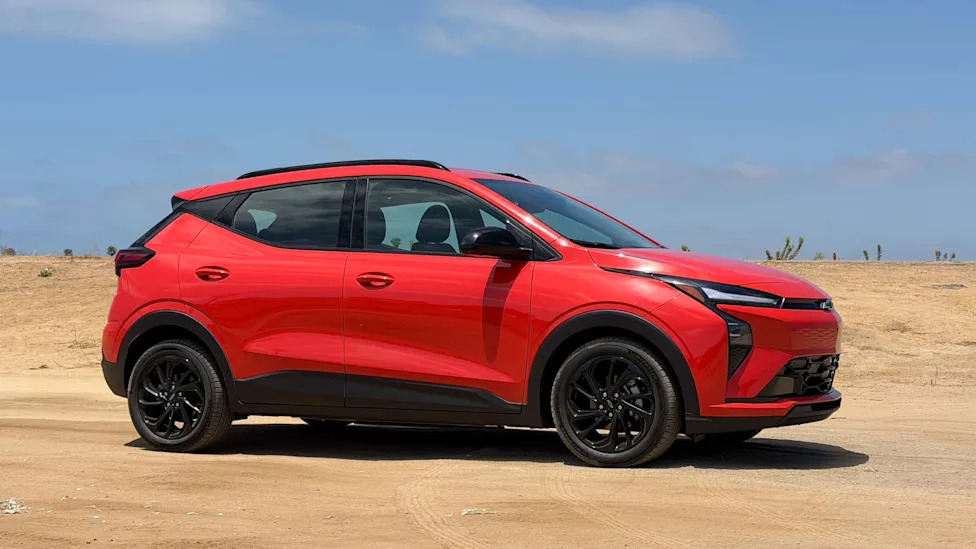
2027 Chevrolet Bolt EV RS: ReviewIn a highway range test, the Bolt was far more efficient at 60 mph than it was at 70 mph.YouTuber Tom Moloughney drove the 2027 Chevy Bolt at a steady 60 mph to see how far it could go. The results show that slowing down can have a profound impact on range. He ran the same test at 70 mph and 80 mph, and we compare the numbers here. When every other car is passing you like you're standing still, doing 60 mph on the highway can feel like a crawl. But if you're driving an EV, sticking to that slow speed can have a big enough range payoff to make the slog worthwhile. And who cares if other drivers think you're a senior citizen? You'll be laughing all the way to the next charging stop, which could be over 60 miles farther away than if you drove like someone with somewhere to be.In a new highway range test, State of Charge host Tom Moloughey drives his brand-new 2027 Chevrolet Bolt on the New Jersey Turnpike from 100-0% at a steady 60 mph to see what it can do. More importantly, he recently did the same test at 70 mph and 80 mph. So he has enough data to determine just how much more efficient the Bolt is at lower speed. The difference is pretty massive.Moloughney did the test on a sunny morning, with ambient temps between 52-63 degrees Fahrenheit—so just about perfect. There was also very little traffic, so he could easily maintain his 60 mph. Using Super Cruise for much of the way, he was able to drive 280.3 miles on a full charge of the Bolt's 65 kWh lithium iron phosphate battery. That means he blew past the EPA's claimed highway range of 232 miles by almost 50 miles. That also nearly reached the EPA's claimed city range of 294 miles. (The Bolt's combined figure is 262 miles.)At 60 mph, the Bolt was able to achieve an average efficiency of 4.1 miles-per-kWh. That's pretty dang good for the highway.What about at 70 mph? Upping the speed by 10 mph dropped the Bolt's total range to 243.1 miles, which can be a huge difference if you're using your last bit of juice to find a charger. That's an average consumption of 3.6 miles/kWh.At 80 mph, things dropped significantly, but not as far as the drop from 60-70 mph. The Bolt only managed 219.3 miles at 80 mph, at 3.2 miles/kWh. The temps were warmer in the 70 mph and 80 mph tests, but not by enough to drastically change the outcomes.2027 Chevrolet Bolt EV RS: ReviewSo there you have it. In the Bolt at least, cutting your speed by 20 mph can increase highway range by just about 60 miles. Going 60 instead of 70 mph boosts it by about 40 miles. You just might have to be okay with driving like a grandpa.Check Out More EV News35,000 Cars: Now We Know How 'Limited' The Chevy Bolt's Run May BeThis 80 MPH Chevy Bolt Range Test Shows The Value Of Not SpeedingRivian R2's Ventilated Seats Just Got Downgraded. Buyers Are OutragedThe BMW iX3 M60 Gets 603 Horsepower And Yellow Lights



















 +20 others