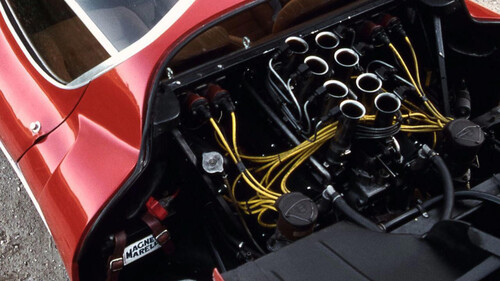
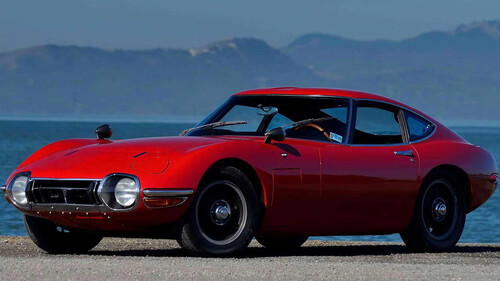
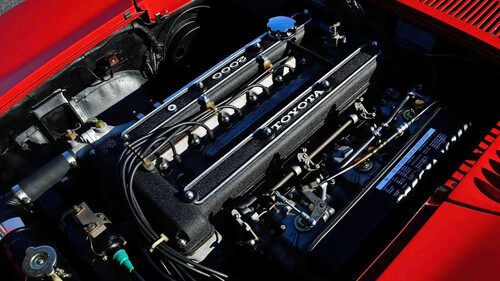
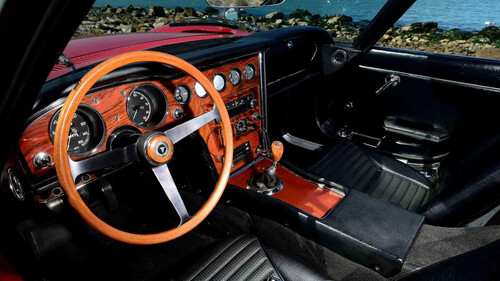
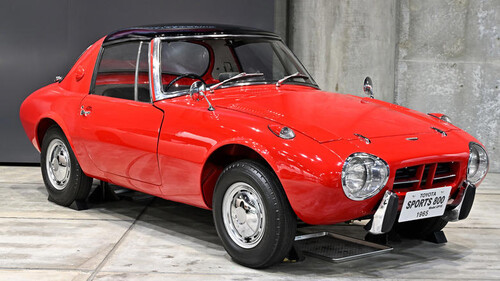
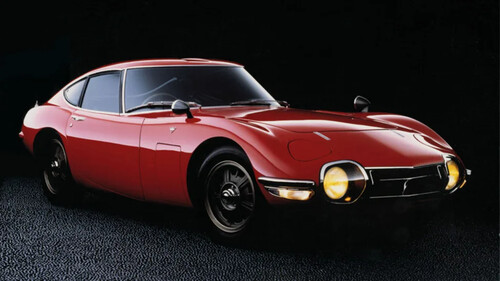
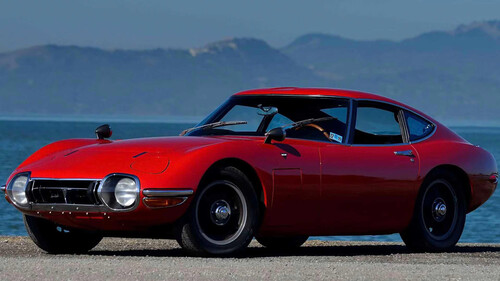
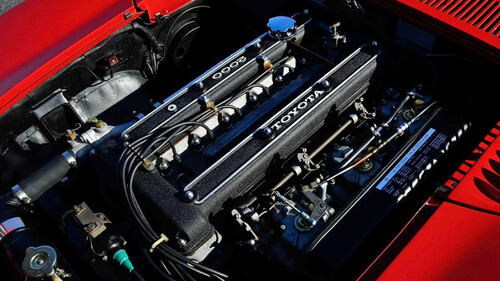
The 1967 Toyota 2000GT is more than just rare—it’s fastThe Toyota 2000GT has long been treated as a museum piece, a jewel of Japanese design that lives behind ropes and under soft lights. Yet the car that stunned the world in 1967 was not built to sit still. It was engineered as a genuine high performance sports car, quick enough to challenge European legends of its day and focused enough to change how the world viewed Japanese speed. That dual identity, as both blue chip collectible and serious driver’s car, is back in the spotlight thanks to a rare 1967 example with racing pedigree and celebrity ownership heading to auction. The story around that car underscores why the 2000GT is more than a fragile artifact, and why its performance credentials still matter nearly six decades later. What happened Attention has centered on a left hand drive, U.S. specification 1967 Toyota 2000GT owned by three time Indianapolis 500 winner Bobby Rahal. The car, chassis MF10 10132, is one of only 62 left hand drive examples built for the American market, out of a total production run of roughly 351 cars. Rahal acquired the coupe after a meticulous restoration and has now consigned it to auction, where it is expected to command a price well into seven figures according to collector car analysts. Finished in Solar Red over a black interior, the Rahal car wears a classic combination that highlights the long hood and fastback roofline penned under the direction of Satoru Nozaki. Period correct magnesium alloy wheels and slim chrome bumpers keep the profile close to original specification. Under the hood sits the 2.0 liter straight six that defines the model, paired with a five speed manual transmission and a limited slip differential, the same configuration that helped the 2000GT earn its reputation in period competition. Rahal’s example has been described as one of the best sorted 2000GTs in private hands, with extensive documentation of its restoration and maintenance. Reports on the auction listing note that the car has been exercised regularly rather than stored as a static investment, a detail that appeals to collectors who value mechanical health as much as cosmetic perfection. The car’s provenance, which combines a rare U.S. specification chassis with ownership by a well known racing driver and team owner, has led some observers to suggest that it could push toward or beyond the 1 million dollar mark at sale, a view echoed in recent auction previews. Market context supports that optimism. In the past decade, several 2000GTs have set successive records for Japanese cars at auction, including competition prepared examples that crossed the 2 million dollar threshold. Those sales demonstrated that the 2000GT is no longer a niche curiosity but a core asset in serious collections of postwar sports cars. Rahal’s car arrives in that environment as a fresh, high quality example with a story that blends motorsport credibility and the broader rise of Japanese classics. The renewed attention has also revived interest in the broader history of the model. Toyota built the 2000GT between 1967 and 1970 in partnership with Yamaha, which handled much of the chassis and engine development. Conceived as a halo project to show that Japan could produce a sports car to rival contemporary Porsches and Jaguars, the car became a rolling statement of intent. That ambition led Toyota to enter the 2000GT in endurance racing and to pursue speed records, efforts that shaped the car’s engineering and validated its performance claims. Why it matters The Rahal auction is not just about another rare car changing hands. It highlights how the 2000GT helped set the template for Japanese performance and why its speed still resonates. In the late 1960s, Japanese manufacturers were largely associated with economical sedans and small trucks. The 2000GT challenged that image by pairing a sophisticated chassis with serious pace, and by doing so at a time when European sports cars dominated enthusiast conversations. Under its elegant bodywork, the 2000GT used a backbone style steel chassis with independent suspension at all four corners and disc brakes on every wheel. The 1,988 cc straight six, derived from Toyota’s M series engine, received a Yamaha designed double overhead camshaft cylinder head and three twin choke Mikuni carburetors. Factory output figures hovered around 150 horsepower, which, combined with a curb weight of roughly 1,120 kilograms, gave the car a power to weight ratio that compared favorably with contemporary six cylinder Porsche 911s and Jaguar E Types. Period tests recorded top speeds in the neighborhood of 135 miles per hour and brisk acceleration that placed the Toyota firmly in sports car territory. Those numbers were not theoretical. Toyota used the 2000GT to attack international speed records at the Yatabe test track, where specially prepared examples ran for 72 hours and set multiple endurance marks, including average speeds over 206 kilometers per hour for extended distances. The car also appeared in high profile motorsport events, including the Japanese Grand Prix for sports cars and various endurance races, where it competed against European machinery. That competition background is one reason collectors and historians describe the 2000GT as Japan’s first true supercar, a label repeated in analyses of Toyota’s early performance. Design played its part as well. The 2000GT’s long hood, short deck proportions and flowing fenders drew comparisons to the Jaguar E Type, yet the details were distinctly Japanese. Pop up headlights sat above faired in driving lamps, while the wraparound rear glass and louvered side windows gave the cabin a light, almost delicate look. Inside, a wood rimmed steering wheel and dashboard veneers supplied by Yamaha’s musical instrument division created a cabin that felt closer to a hand built Italian coupe than a mass market sedan. That blend of craftsmanship and engineering ambition signaled a new direction for Toyota and for the broader Japanese industry. The car’s cultural impact extended beyond engineering circles. A specially modified 2000GT appeared in the James Bond film “You Only Live Twice,” where it was converted into a convertible to accommodate the actor’s height and camera angles. That exposure introduced global audiences to a Japanese sports car that could share screen time with European exotics. Although the Bond convertibles were unique film props, the association helped cement the 2000GT’s image as a glamorous, high speed machine rather than a utilitarian commuter. From a modern perspective, the 2000GT’s performance figures may seem modest compared with current supercars that easily exceed 500 horsepower. Context matters, however. In the late 1960s, a 2.0 liter car that could cruise at Autobahn speeds, stop with confidence thanks to four wheel discs, and handle with precision on winding roads was a serious achievement. Contemporary reviews praised the Toyota for its balance, steering feel and high speed stability, qualities that still define a rewarding driver’s car even as outright acceleration benchmarks have shifted. The Rahal car’s U.S. specification adds another layer of significance. Toyota built far fewer left hand drive 2000GTs than right hand drive versions, and the American market cars played a key role in shaping how enthusiasts in the United States viewed Japanese performance. These cars served as rolling ambassadors, showing that Toyota could build something more aspirational than a Corolla or Corona. The survival and restoration of those chassis, including Rahal’s, preserve a chapter of transpacific automotive history that might otherwise fade. Market behavior reflects that reassessment. Over the past several years, auction houses have recorded strong demand for 2000GTs, with prices rising sharply for cars with documented histories and correct restorations. Analysts point to a combination of factors: limited production, rising interest in Japanese classics among younger collectors, and the car’s foundational role in Toyota’s performance story. Coverage of the Rahal listing notes that collectors now view the 2000GT in the same investment bracket as early Lamborghini Miuras and high specification Porsche 911s, a shift that would have seemed unlikely when the Toyota was a little known curiosity on the fringes of European focused collections, a trend highlighted in recent market commentary. The car’s influence also reaches into Toyota’s later sports models. The company’s engineers and marketers have repeatedly referenced the 2000GT when discussing cars like the Supra and the more recent GR Supra, pointing to a lineage of front engine, rear wheel drive coupes that blend grand touring comfort with track capable performance. The 2000GT established that template and proved that Toyota could build a car that appealed to enthusiasts on both sides of the Pacific. Its continued presence in brand storytelling reinforces the idea that Toyota’s performance ambitions did not begin with turbocharged 1980s coupes but with a hand built 1960s flagship. In that sense, the 2000GT’s speed is not just a matter of acceleration figures. It represents a shift in how quickly Japanese manufacturers closed the gap with established European rivals. Within a single model cycle, Toyota moved from building competent but conservative family cars to producing a sports coupe that could run with Porsche on a twisting road. The Rahal auction serves as a reminder of that leap and of the engineering confidence that made it possible. What to watch next The immediate question is how high Rahal’s 1967 2000GT will climb when it crosses the block. Pre sale estimates suggest a hammer price that could approach or exceed 1 million dollars, a figure that would place it among the most valuable road going examples. Observers will be looking closely at how bidders weigh its left hand drive configuration, restoration quality and ownership history against the broader market for Japanese classics. Auction previews from specialist outlets have described strong early interest, which could translate into competitive bidding if multiple collectors decide that this is their opportunity to secure a top tier car. The result will feed into a larger conversation about the ceiling for Japanese performance cars at auction. Previous record sales for 2000GTs, particularly competition prepared examples with Shelby American involvement, have already pushed past 2 million dollars. Those cars combined the Toyota’s inherent rarity with direct ties to American racing history, a combination that proved powerful in the auction room. If a road specification car like Rahal’s can move significantly higher than earlier seven figure results, it will signal that the market is willing to treat the 2000GT not just as a niche record setter but as a consistent blue chip asset. Collectors and enthusiasts will also watch how the sale influences interest in other Japanese sports cars from the same era and beyond. Models such as the first generation Nissan Z, early Mazda rotary coupes and later Toyota Supras have already seen rising values, helped in part by a growing appreciation for Japanese engineering and design. A strong showing for the 2000GT could accelerate that trend, especially among younger buyers who grew up with Japanese performance cars in video games and online culture but are only now entering the high end collector market. Coverage of Japan’s so called first supercar in outlets that track vintage performance icons has already helped broaden awareness beyond traditional marque clubs. More From Fast Lane Only: Unboxing the WWII Jeep in a Crate 15 rare Chevys collectors are quietly buying 10 underrated V8s still worth hunting down Police notice this before you even roll window down