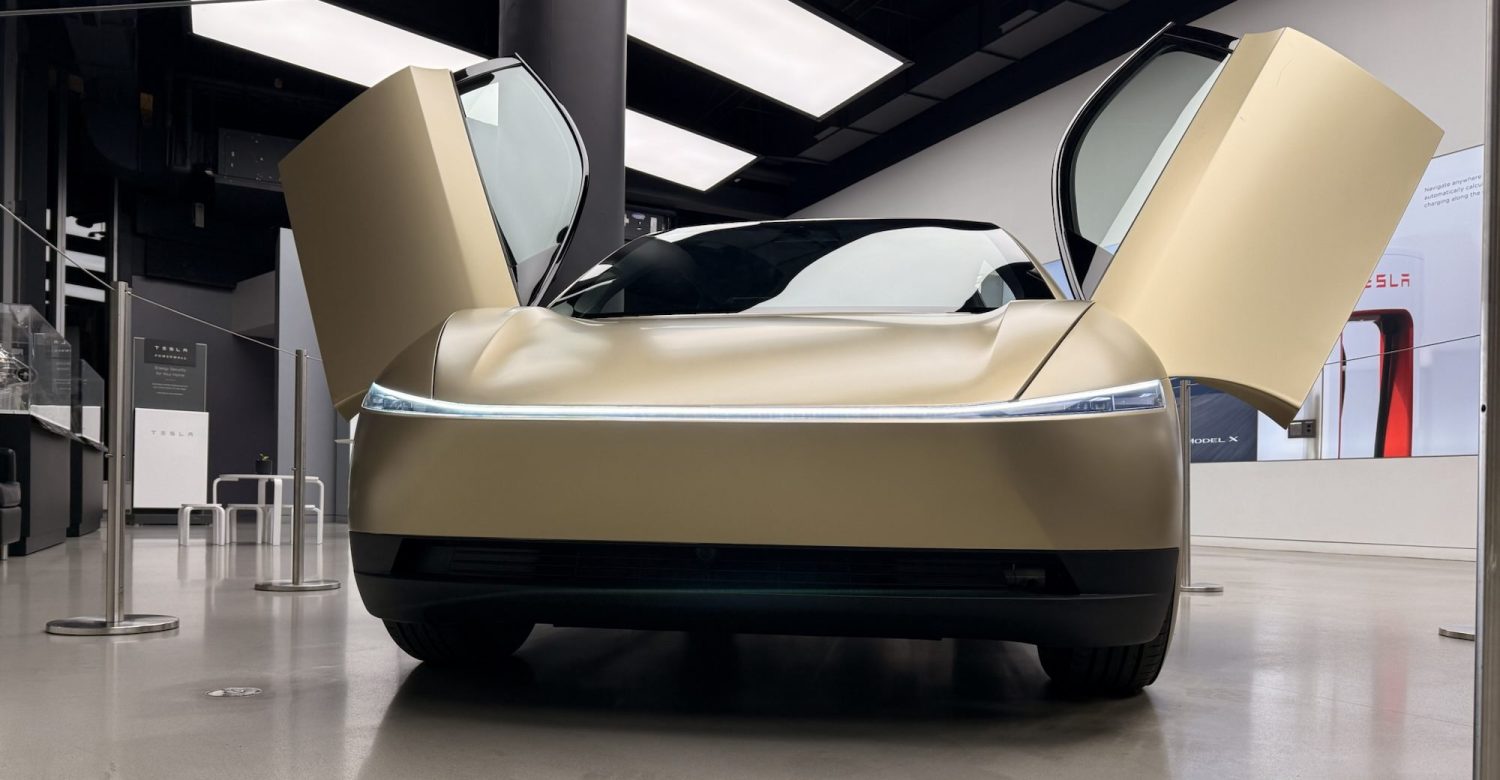
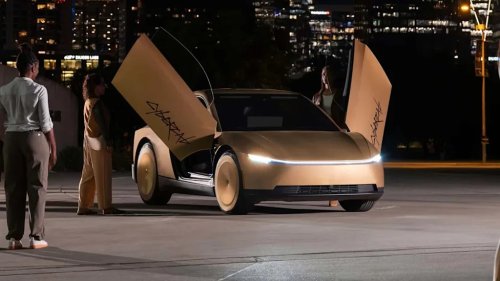
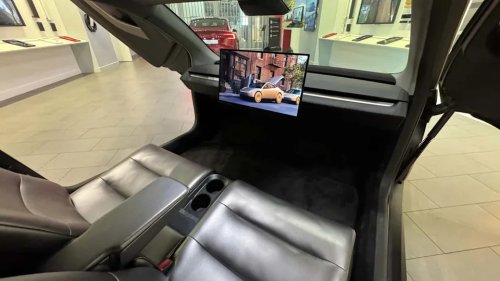
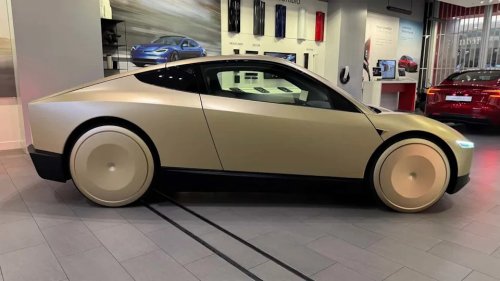
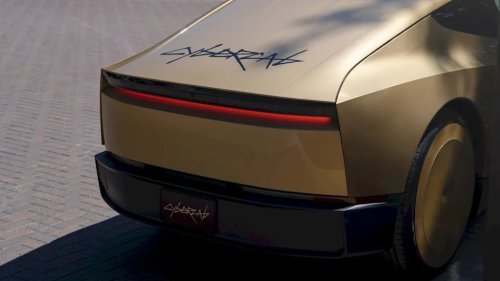
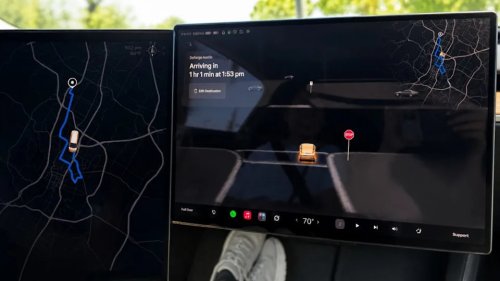
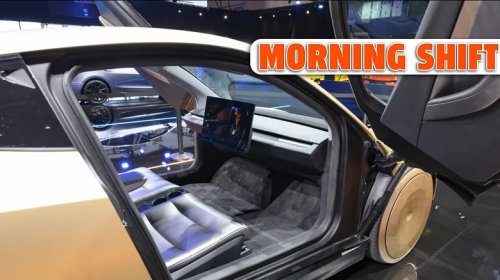
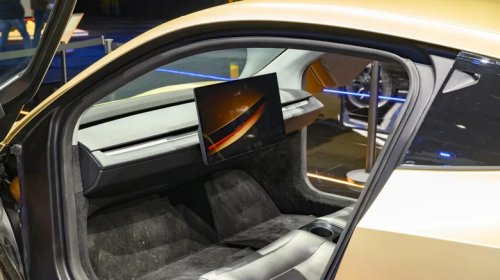
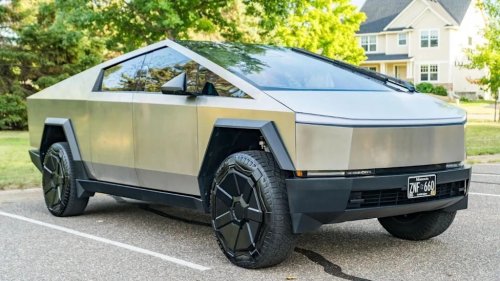
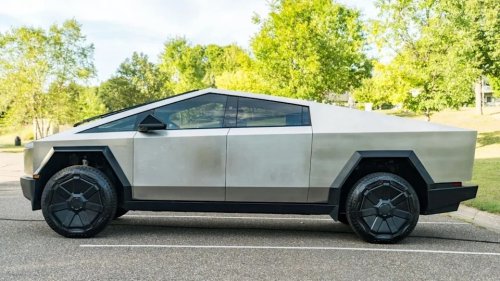
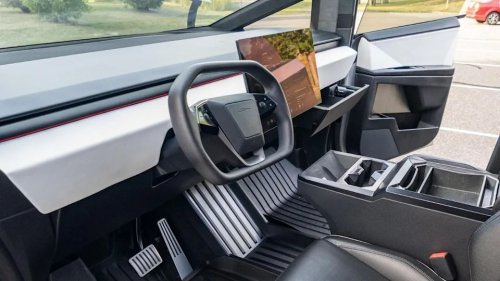
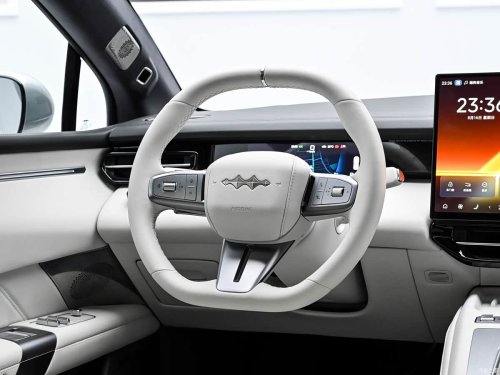
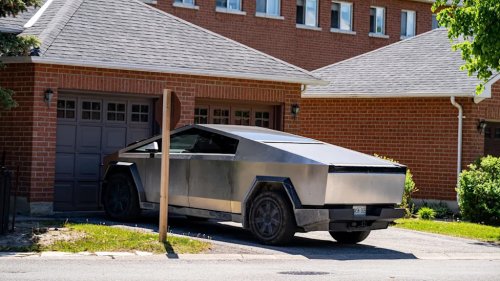
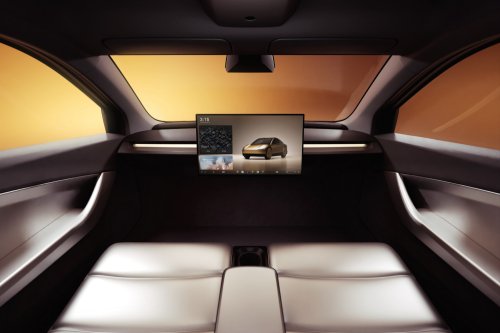
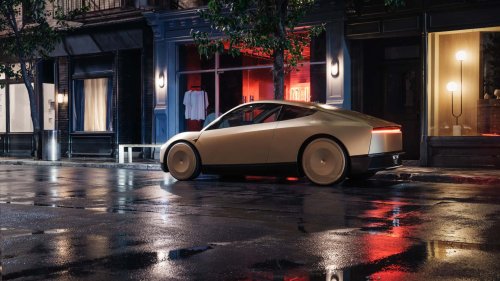
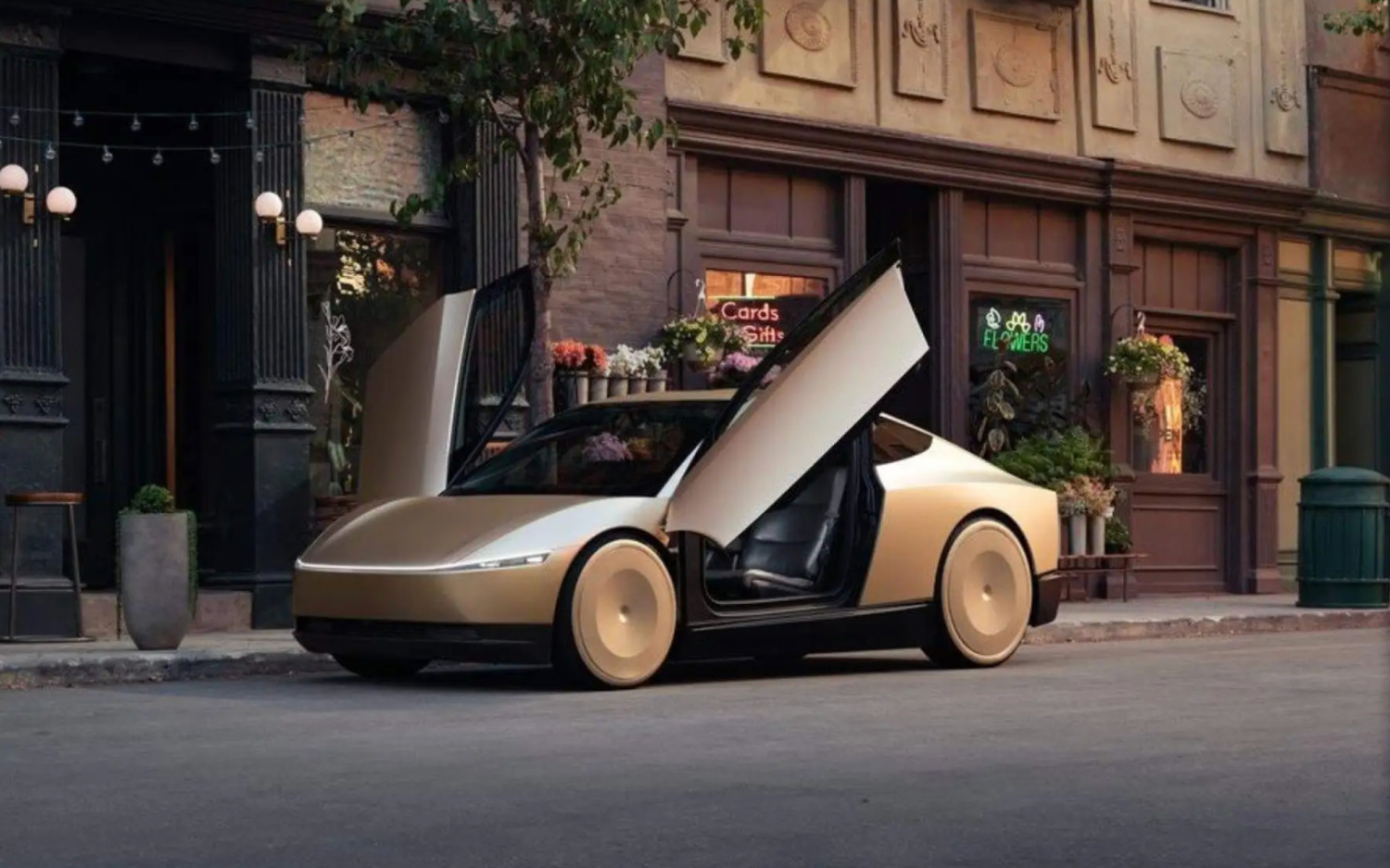
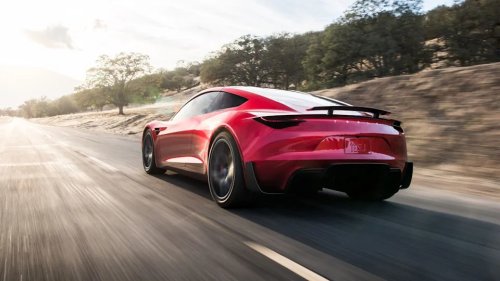
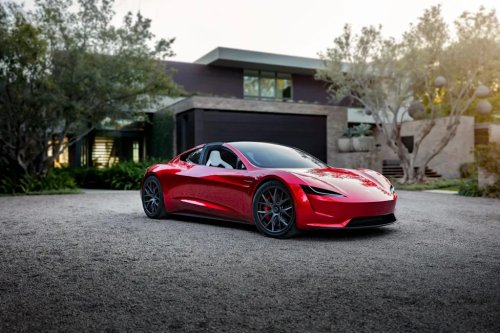
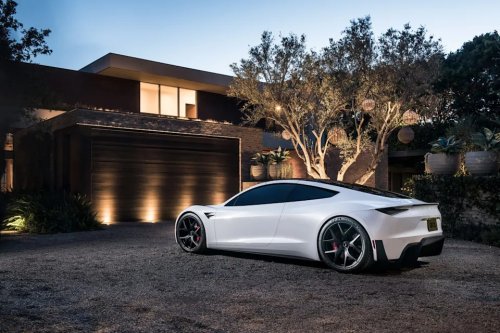
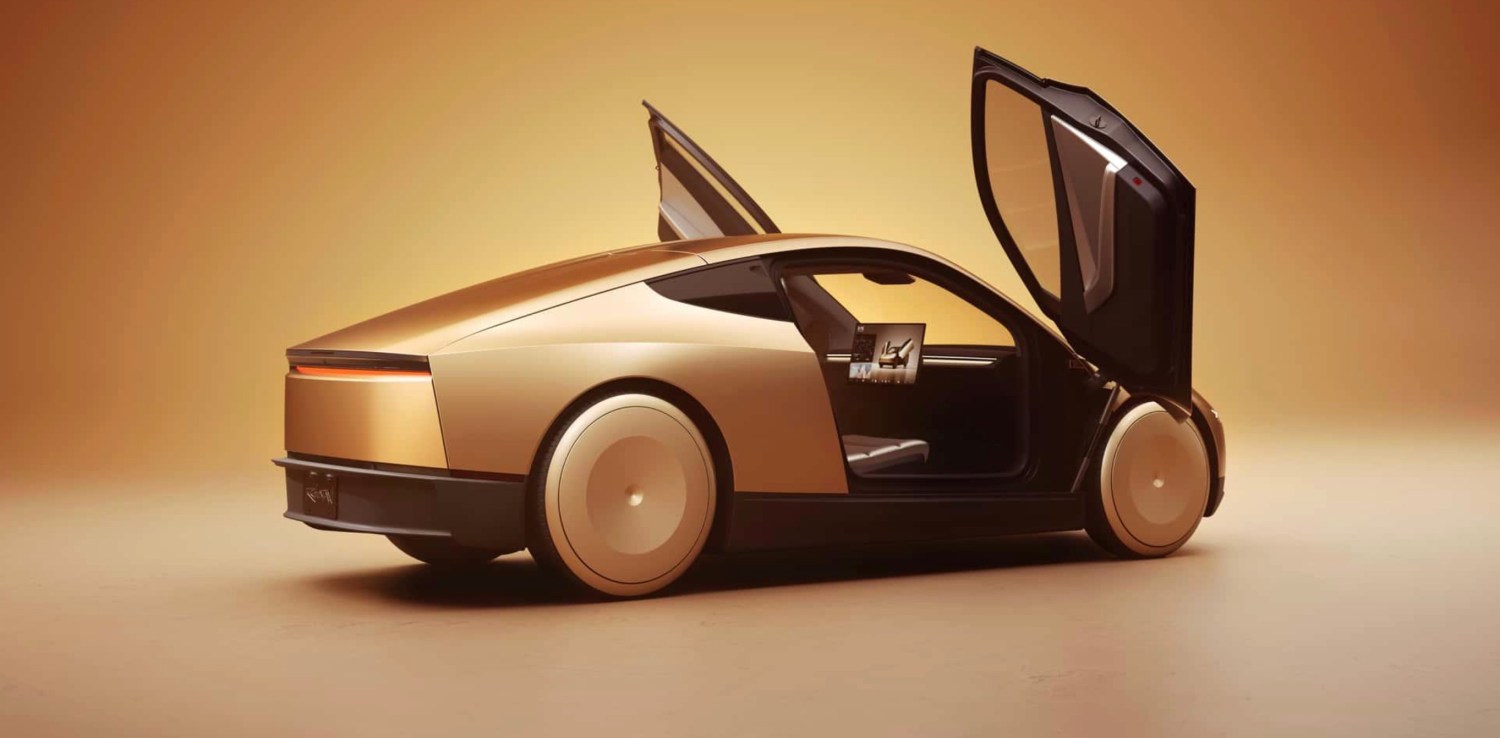
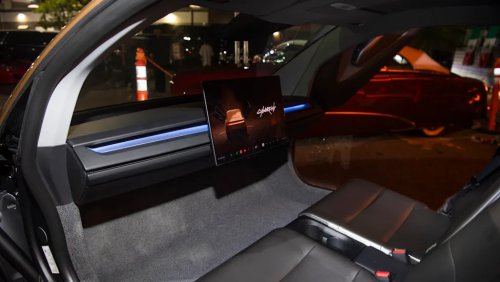
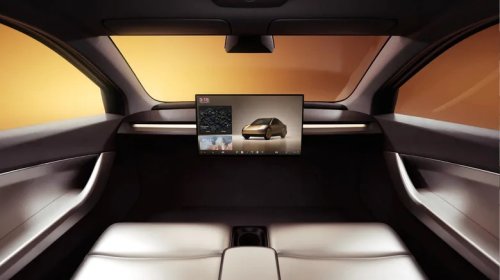
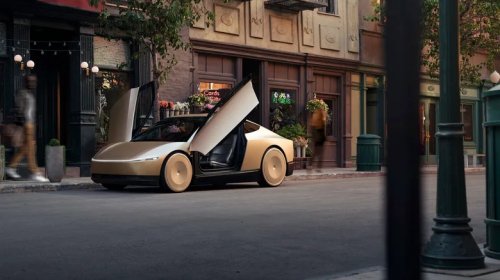
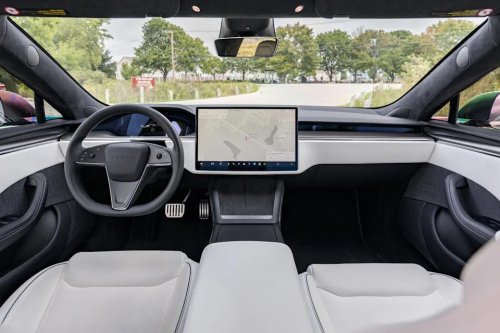
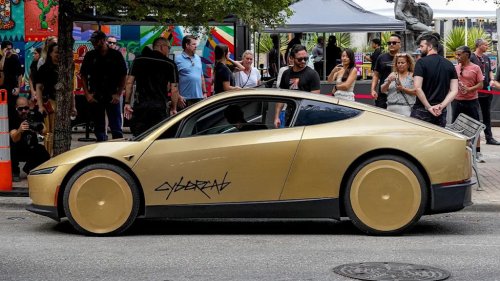
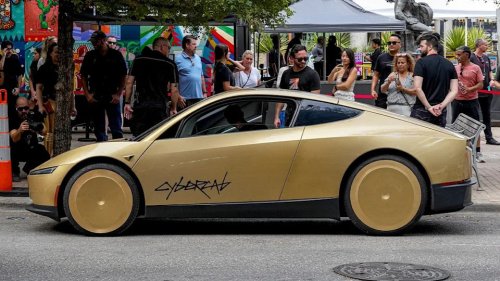
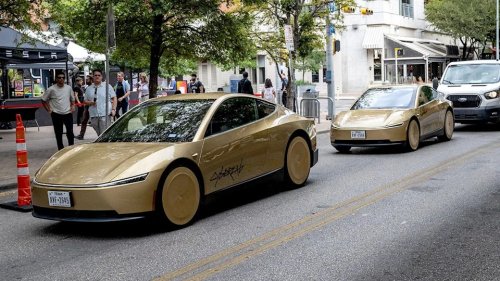
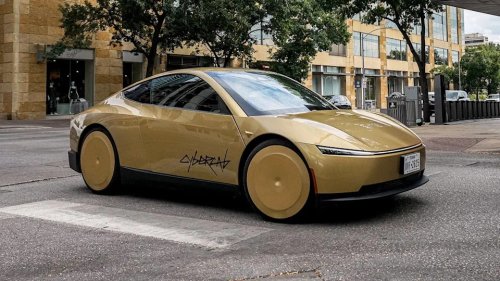
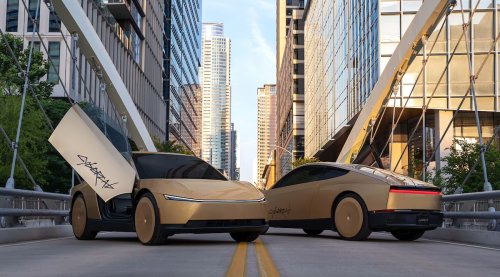
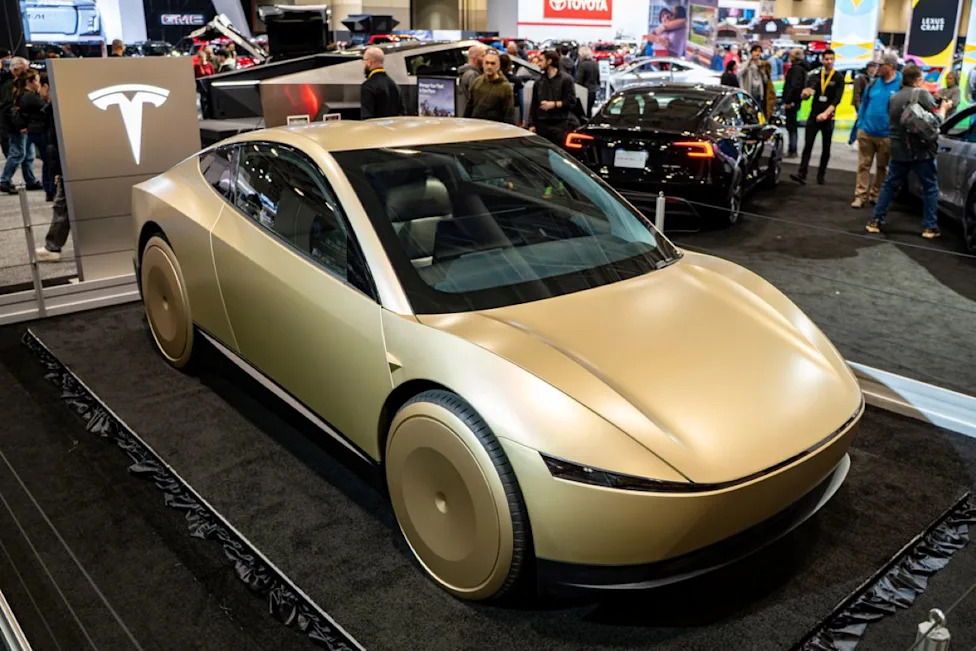
Image: Deposit PhotosRight now, a two-seat car is cruising Austin streets with no steering wheel, no pedals, and a human passenger who literally cannot take control. This is Tesla's Cybercab — not a concept render, not a stage prop from a keynote. It rolled off the Giga Texas production line. But being built and being legal to deploy commercially are two entirely different problems, and that gap is exactly where things get complicated.What the Cybercab Actually IsTesla stripped away every control surface a driver would touch and placed a single, enormous bet on cameras.Strip away every familiar input and you get the Cybercab: two doors, two seats, no steering wheel, no pedals, no side mirrors. Dual windshield cameras, B-pillar cameras, front bumper and rear cameras feed Tesla's Hardware 5 / AI 5 compute platform. Vision-only Full Self-Driving. No lidar. No radar. According to Teslarati, Tesla classifies any Cybercab equipped with a steering wheel as an engineering test vehicle operating at SAE Level 2 autonomy. The production unit is designed to either drive itself or sit perfectly still.AdvertisementAdvertisementWaymo robotaxis load with lidar, radar, and third-party vehicle partnerships. Tesla uses cameras and builds everything under one roof. It's the streaming wars logic applied to transportation — vertical integration versus best-of-breed partnerships. That philosophical split is the entire bet.What's Confirmed So FarSeven total Cybercab test units operate in Austin and the Bay Area, according to Teslarati — some with steering wheels for engineering purposes, some withoutTexas DOT confirmed the production design omits steering wheel and pedalsA safety monitor rides in the passenger seat during all public-road testsCybercabs have entered production at Giga Texas but are not yet in commercial service, as reported by TeslaOracleTesla's Austin robotaxi service currently runs modified Model Y vehicles, not CybercabsThe vehicles are real and on public roads. Commercial passengers are not yet part of the equation.The Gap Between Testing and Riding OneFederal law still requires steering wheels, and Tesla reportedly hasn't asked for an exception yet.AdvertisementAdvertisementUnder current Federal Motor Vehicle Safety Standards, vehicles sold in the U.S. must have steering wheels, pedals, and mirrors. NHTSA can grant exemptions — up to 2,500 vehicles per automaker annually — but as of early 2026, Tesla reportedly had not filed an exemption application for Cybercab, according to Gasgoo. NHTSA has proposed removing the brake pedal requirement for vehicles designed exclusively for automated driving systems, though that rule remains in public comment and its timeline is still evolving."The Cybercab is designed without a steering wheel or pedals. The vehicle must either operate autonomously or not at all." — Elon MuskTesla's Austin Model Y robotaxi pilot logged roughly 14 crashes over eight months — mostly minor, with some attributed to remote operators, according to reporting compiled by StartupSelfie. Tesla argues that rate compares favorably to human drivers. Critics counter that edge cases are systematically underreported. Once distinctively gold-colored Cybercabs replace anonymous-looking Model Ys on Austin streets, every fender-bender stops being a quiet internal metric and starts becoming front-page news.The car exists and it is in production. The regulatory green light, the proven safety record at scale, and the public trust required to actually put you in one — without a steering wheel to reach for if something goes wrong — none of that work has meaningfully begun. Watch for an NHTSA exemption filing or a confirmed commercial launch announcement. Until then, the Cybercab remains a compelling test vehicle navigating a city that isn't legally ready for it yet.From the coolest cars to the must-have gadgets, GadgetReview's daily newsletter keeps you in the know. Subscribe - it's fun, fast, and free.








 +68 others