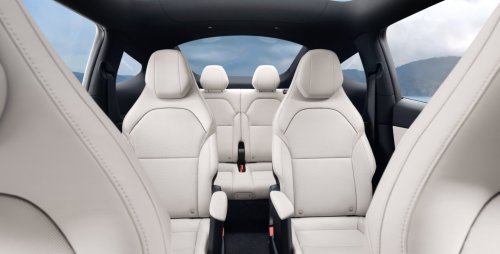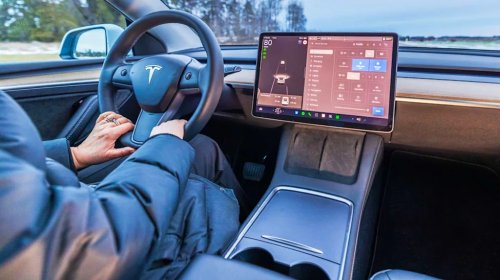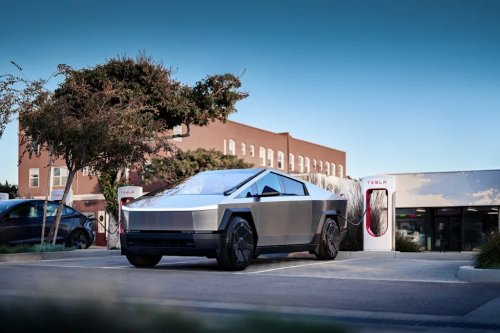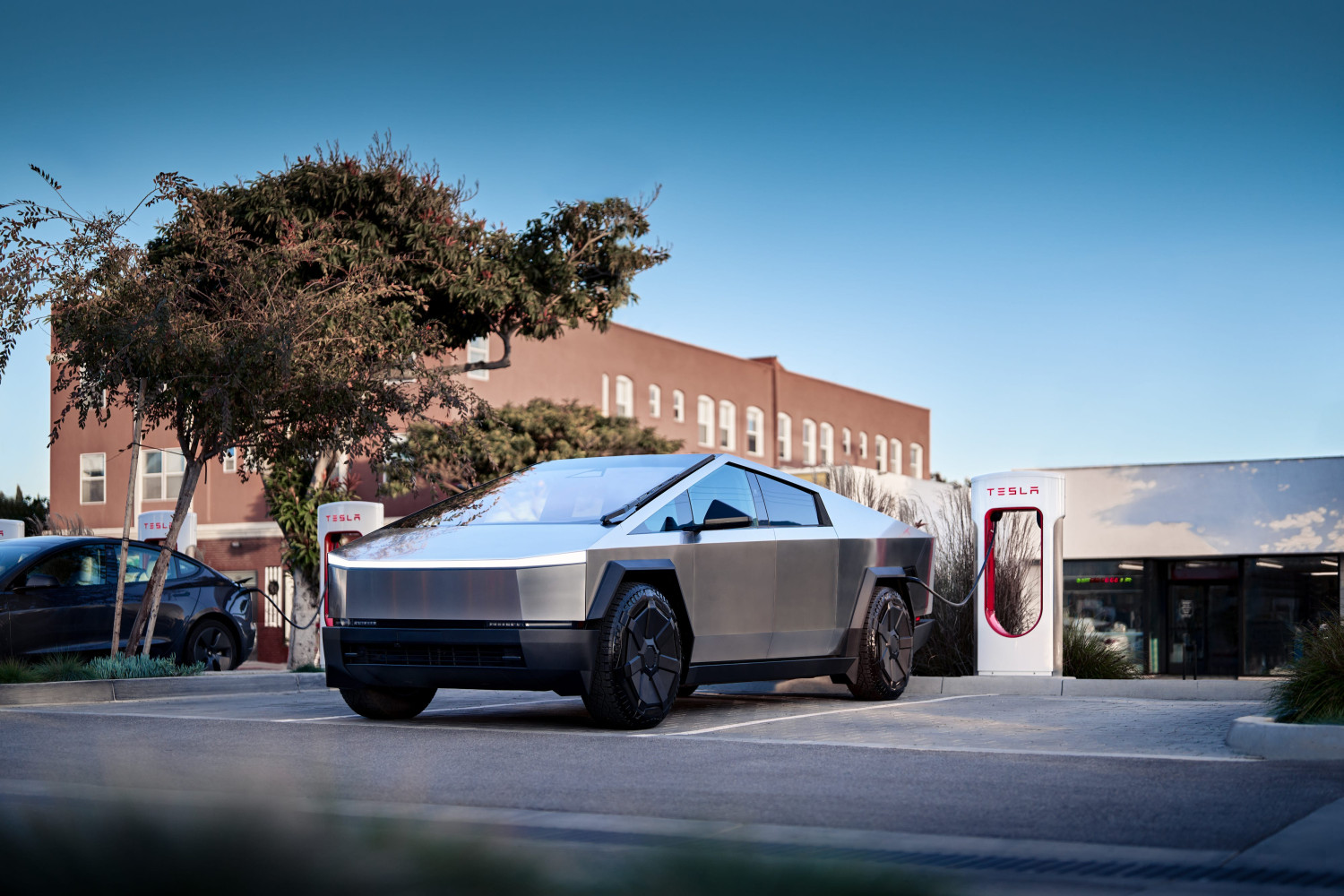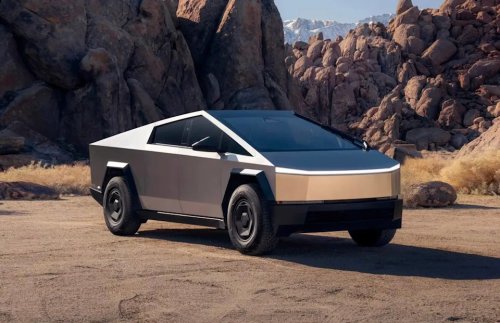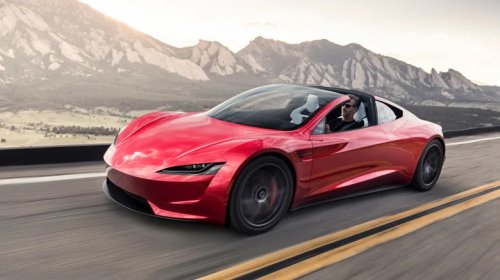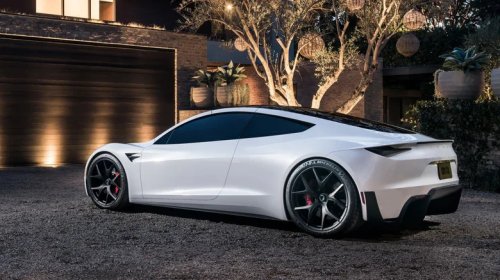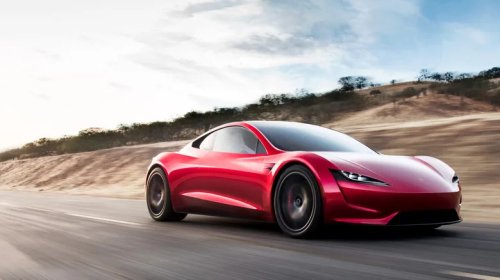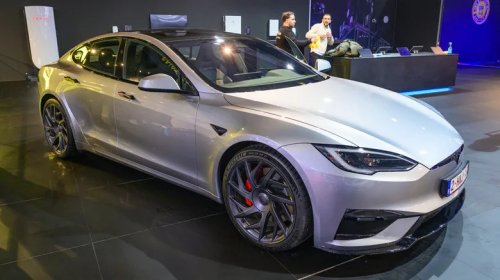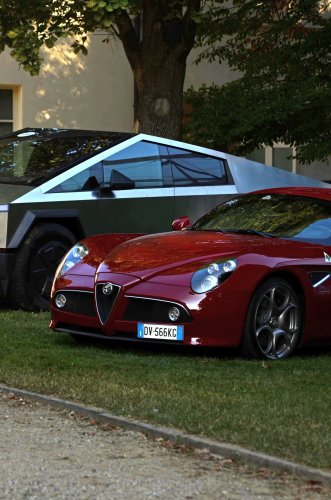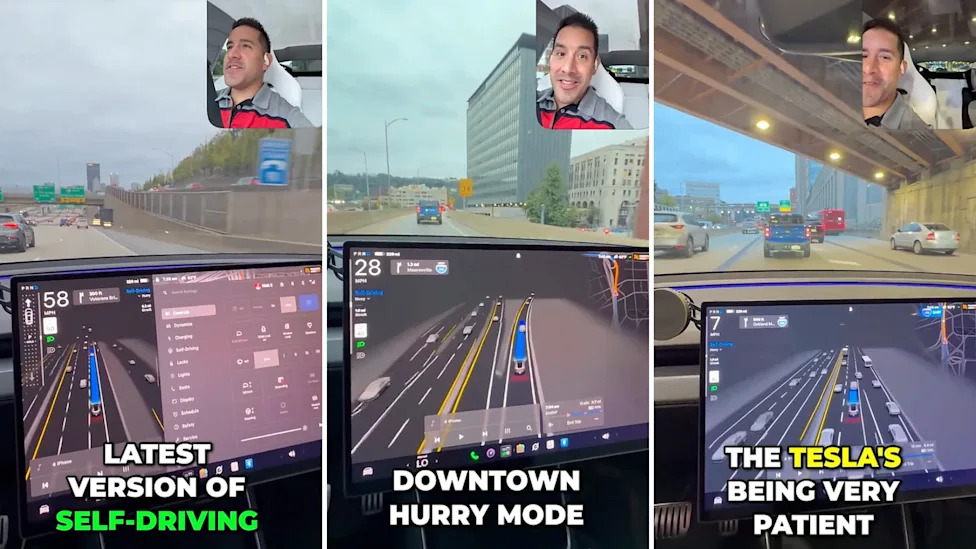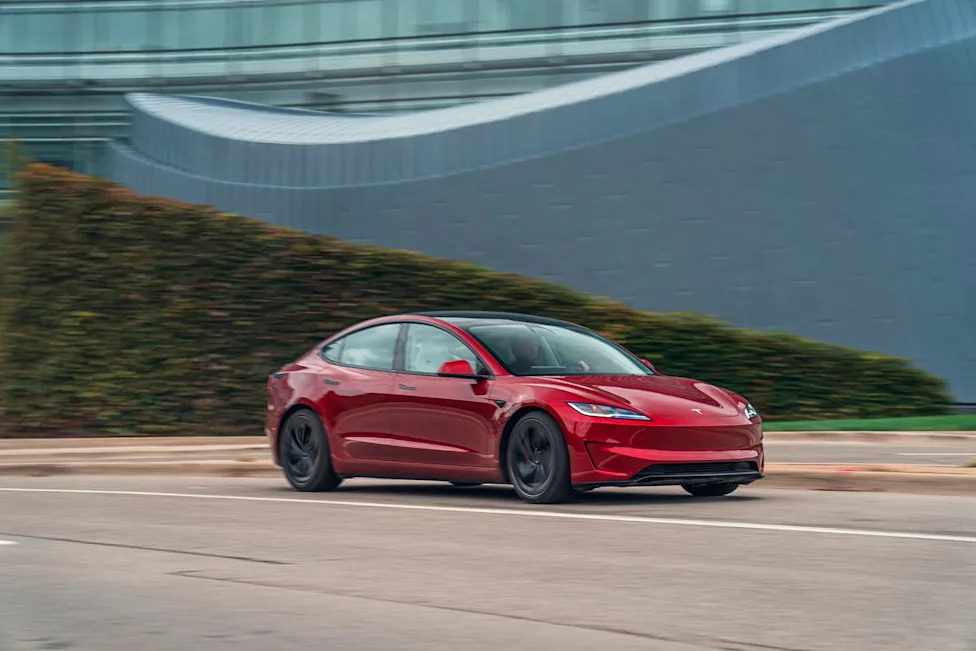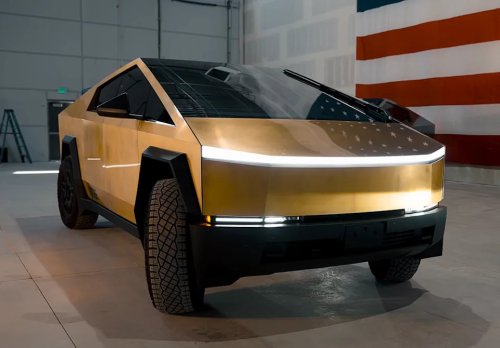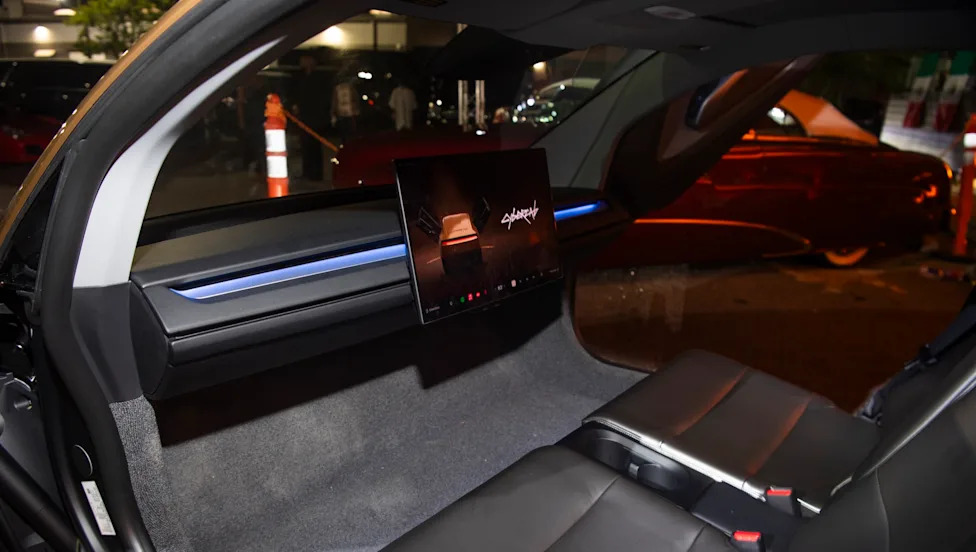















Tesla Cybercab rides feel futuristic, but odd stops and jittery driving get in the wayThe Cool DownVivian TranTue, September 15, 2026 at 4:59 PM UTCAdd us on GooglePhoto Credit: Getty ImagesTesla's Cybercab has begun offering paid rides in Austin, giving riders an early look at the company's vision for electric, automated transportation. That vision appears to combine a polished, lower-emission feel with the kinds of issues that make clear the service is not fully ironed out.Passengers reportedly liked the two-seat EV's roomy interior and comfortable ride, but inconvenient stops, long pickup delays, and cautious, uncertain driving suggest Tesla's robotaxi push is still in its early stages.Here's what to knowIn Austin, a test of the Cybercab suggested Tesla's custom-built self-driving vehicle can feel futuristic in one moment and unsettling in the next, according to The Verge.AdvertisementAdvertisementRiders get in through butterfly doors opened from an app, and the car has neither pedals nor a steering wheel, leaving a large touchscreen to anchor the experience.Inside, the cabin is quiet and offers extra legroom because it lacks traditional driver controls. Riders also get built-in entertainment options including Spotify, Netflix, YouTube, and games.Across three trips, fares reportedly ranged from $15 to $21, closer to a basic Uber fare than the low prices some people might expect from an autonomous EV service.At one point, the Cybercab moved toward a lane that would have sent it onto the highway before correcting itself. In another odd incident, the windshield wipers switched on despite sunny 95-degree weather. So even when the ride itself felt smooth, the vehicle's choices could still seem uncertain.More backgroundThat uneven performance matters because Tesla CEO Elon Musk has spent years selling the idea of fully autonomous vehicles, saying the company should be "going balls to the wall for autonomy."AdvertisementAdvertisementThe Cybercab is a more significant step than Tesla's earlier robotaxi attempts because it was created specifically for driverless ride-hailing instead of being adapted from a standard car.A successful electric robotaxi network could one day reduce the hassle of driving, parking, and paying for gas while also cutting tailpipe pollution compared to traditional gas-powered cabs. However, if the vehicles hesitate in traffic or stop in poor locations, they can create new frustrations for riders and for everyone around them.The Austin test offered an example of that. A Cybercab drop-off near Barton Springs blocked part of a narrow road, drawing irritated looks from other drivers and leaving the rider feeling embarrassed. Other riders posted videos showing the vehicles stopping on busy roads rather than pulling over smoothly.What's being done?The National Highway Traffic Safety Administration has opened an audit query into Tesla's self-certification under federal safety rules for a vehicle that lacks both a steering wheel and pedals.AdvertisementAdvertisementAsked about the matter, the agency said it "doesn't comment on active investigations."To prove the concept, Tesla has to show the service can be dependable as well as convenient. That likely means improving pickup and drop-off behavior, shortening wait times, and making the software's lane decisions feel less jumpy.Where can I learn more?The Cybercab rollout is just one part of a much bigger race over how EVs fit into everyday life. Tesla and its rivals are also competing on driver-assistance tech and the energy systems people use alongside their vehicles.• In China, Zeekr is rolling out adaptive cruise control that intensifies EV competition with Tesla.AdvertisementAdvertisement• Homeowners are increasingly choosing next-gen battery alternatives as Tesla Powerwall loses momentum.• Across the U.S., families are installing home energy storage to ride out worsening outages.Get TCD's free newsletters for easy tips, smart advice, and a chance to earn $5,000 toward home upgrades. To see more stories like this one, change your Google preferences here.