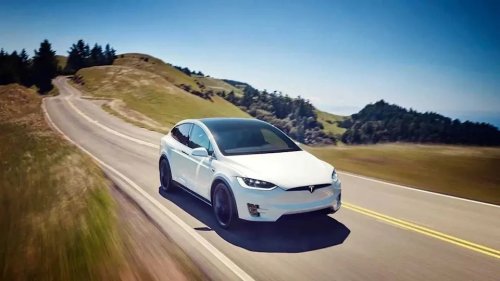
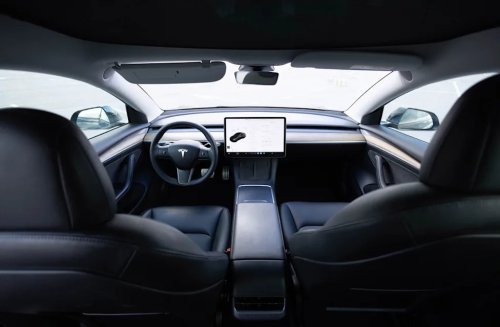
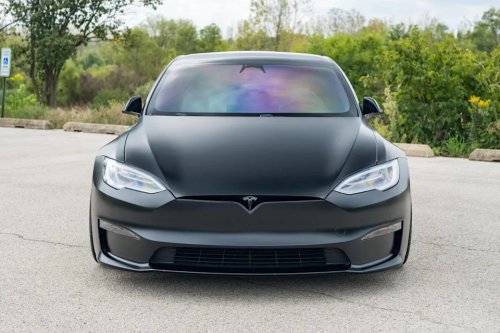
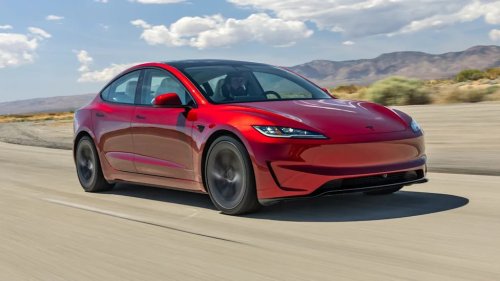
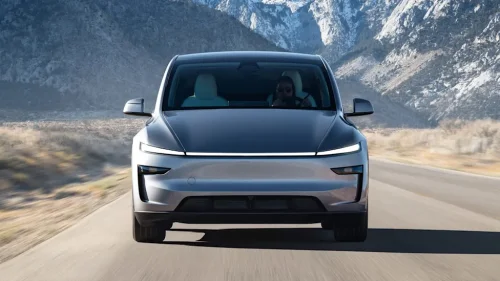
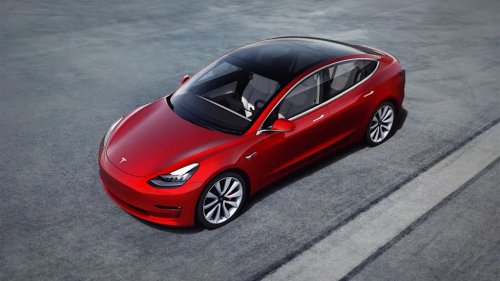
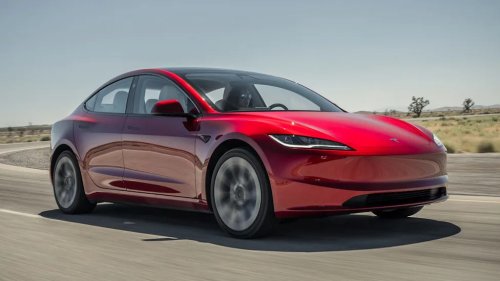
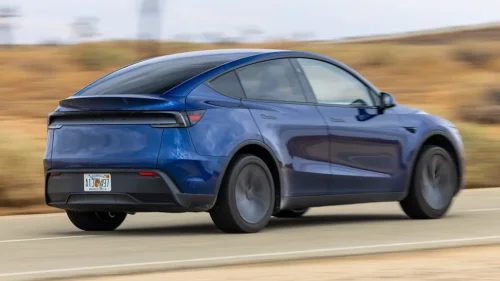
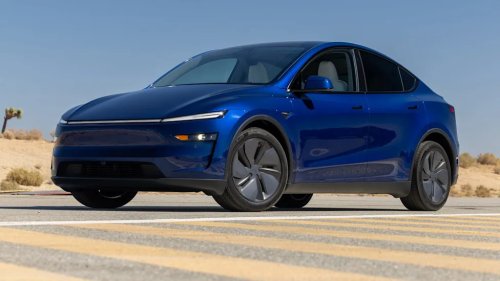
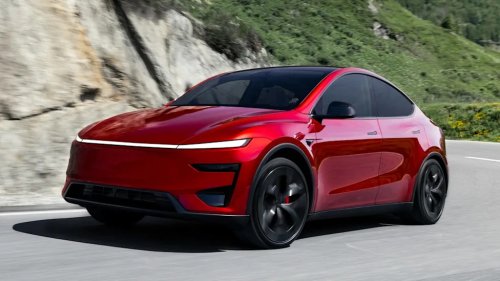
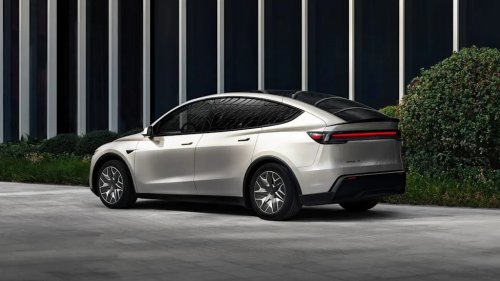
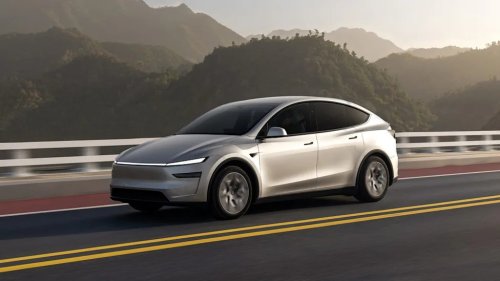
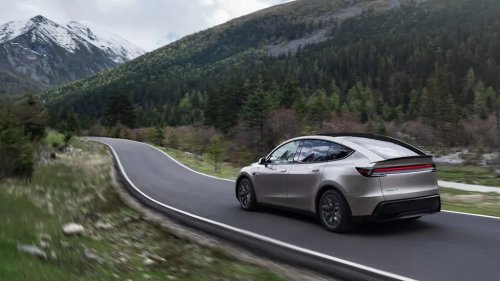
Tesla Recall Has a Recall Fix We've Never SeenWilliam Walker - MotorTrendWhen a manufacturer imports a car or SUV to sell in the U.S. market as a new vehicle, you typically expect said manufacturer be knowledgeable enough to know if it's legal to, you know, sell it here. Especially when the vehicle in question happens to be one that's already built and sold here domestically. For this recall, Tesla mistakenly told buyers of 15 imported Model 3s and Model Ys that those vehicles were compliant with federal crash safety standards. But as it turns out, that wasn't entirely true, and now it's buying back those vehicles as part of the recall remedy.Why Are These Tesla Model Ys and Model 3s Not Legal?The specific Teslas in question are 12 models of the 2024 Model 3 and three 2026 Model Ys that were manufactured at Tesla's Shanghai or Berlin plants. They were originally intended to be imported and sold only in the Canadian market, cars designed to meet Canada's version of the Federal Motor Vehicle Safety Standards (FMVSS), but were later imported to the U.S. from Canada and subsequently bought by American customers instead.Why were those 15 vehicles not legal for use on U.S. roads? The biggest difference between a U.S.-legal Model 3 or Y and the Canadian version is the lack of a knee airbag in vehicles intended for the Great White North. The 2026 Model Y has another issue: The bumper impact resistance of the Canadian version has not been tested per FMVSS guidelines.TeslaHow Were These Illegal Model 3s and Ys Approved for Import?But how did these vehicles even get imported into the U.S. in the first place? BetweenJune 2024 and April 2026, a few U.S. customers sought to buy and import those 15 Canadian-market Teslas and requested letters of compliance from Tesla to register them for road use in the U.S. These letters declared that the Model 3s and Model Ys conformed to FMVSS standards, aside from required labeling and daytime running lights.AdvertisementAdvertisementWhen Tesla received a similar request in late April from a customer "outside the customary communication channel," that finally prompted an internal review of its importation verification procedures for vehicles manufactured outside the U.S. Between that last request and this past June, Tesla discovered that there were design and content differences between U.S. and Canadian vehicles that made Canadian-market vehicles noncompliant with FMVSS. In turn, Tesla stopped issuing letters of compliance, starting with 2024 model-year vehicles before eventually ceasing them for all Canadian-market Teslas.What Happens to Those 15 Teslas Now?The fix is for Tesla to repurchase those 15 imported and registered Model 3s and Model Ys from those customers, as required by 49 U.S. Code 30120. For any vehicle that was in the process of being imported, Tesla will rescind those letters of compliance and mail new letters stating that those vehicles are noncompliant with FMVSS. Tesla stores and service centers have already been notified, but the owners of those 15 vehicles will receive a letter outlining the repurchase of their now-noncompliant vehicles on or by September 5.Photo credit: MotorTrend - MotorTrendPhoto credit: MotorTrend - MotorTrendPhoto credit: William Walker - MotorTrendPhoto credit: William Walker - MotorTrendAdvertisementAdvertisementPhoto credit: William Walker - MotorTrendPhoto credit: William Walker - MotorTrendPhoto credit: MotorTrendPhoto credit: MotorTrendAdvertisementAdvertisementPhoto credit: MotorTrendPhoto credit: MotorTrendPhoto credit: MotorTrendPhoto credit: MotorTrendAdvertisementAdvertisement












 +64 others