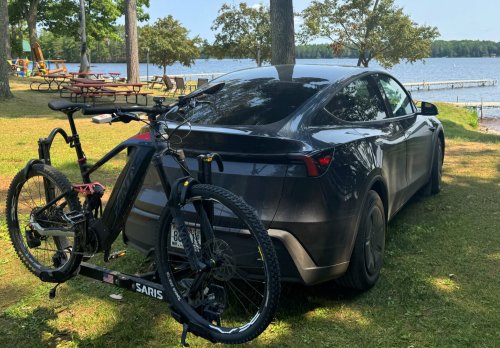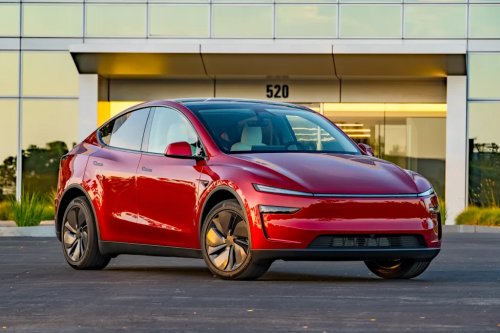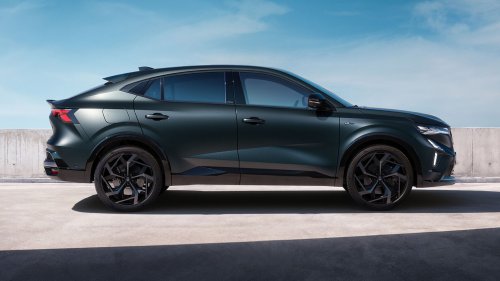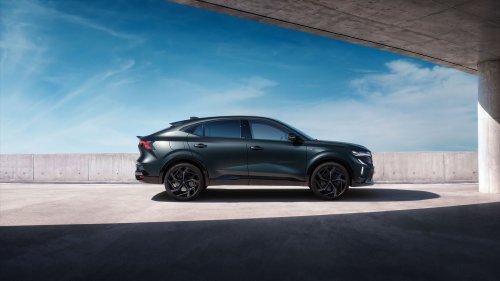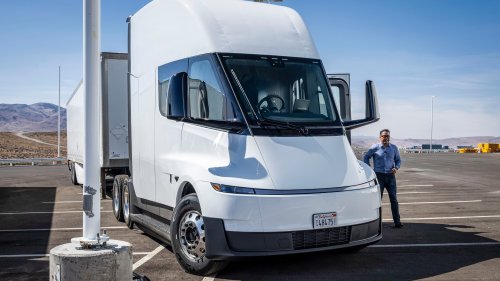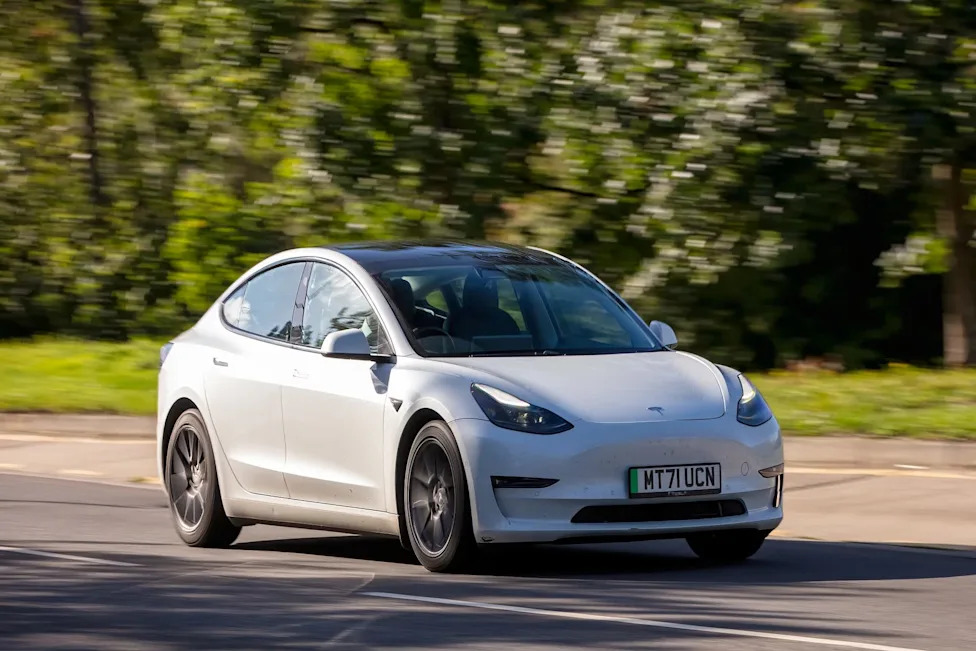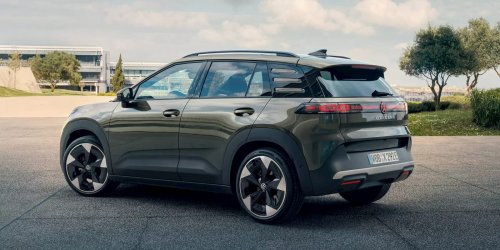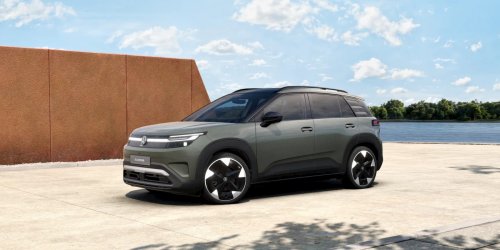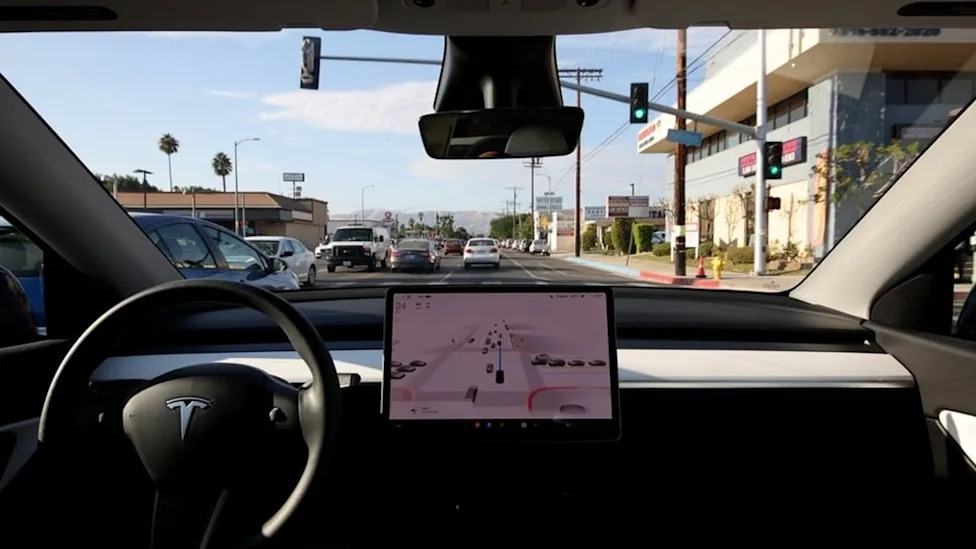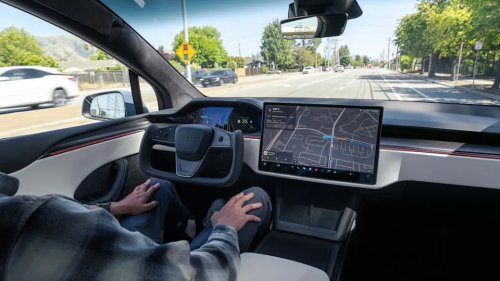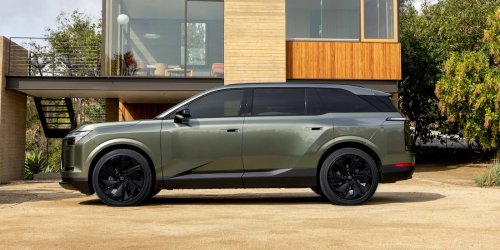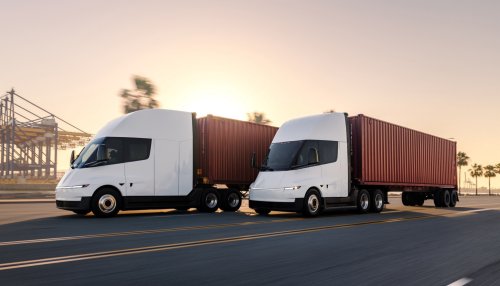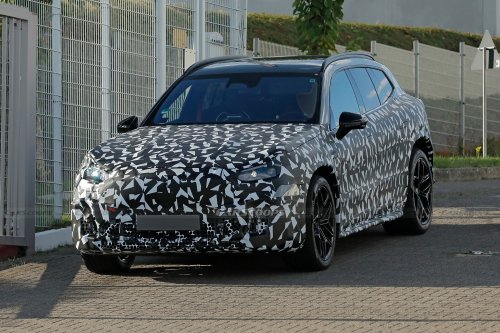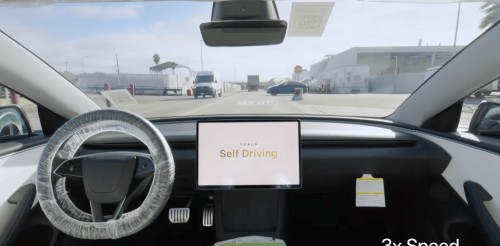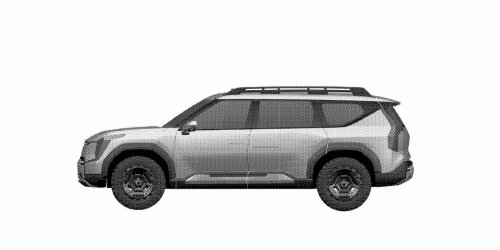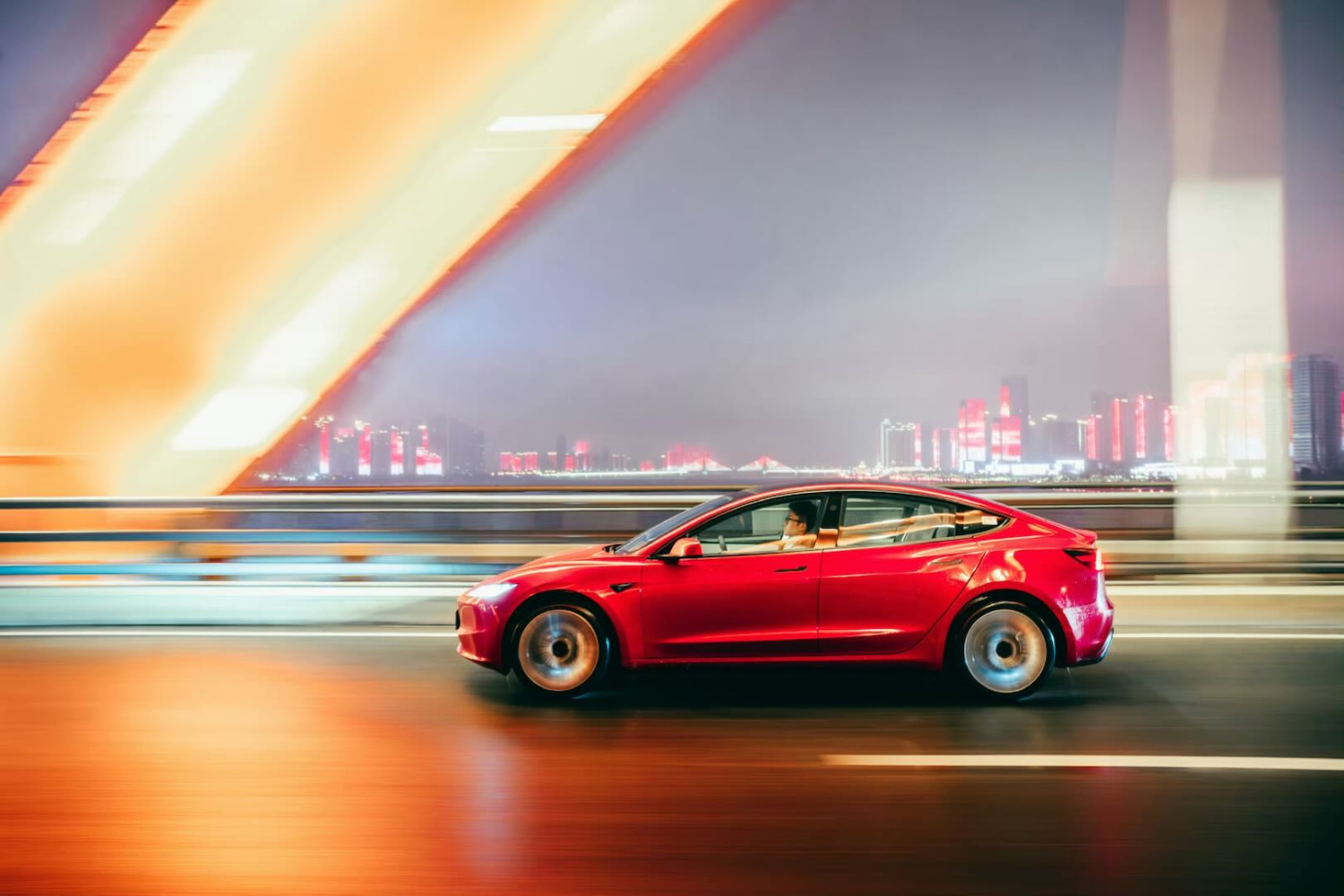
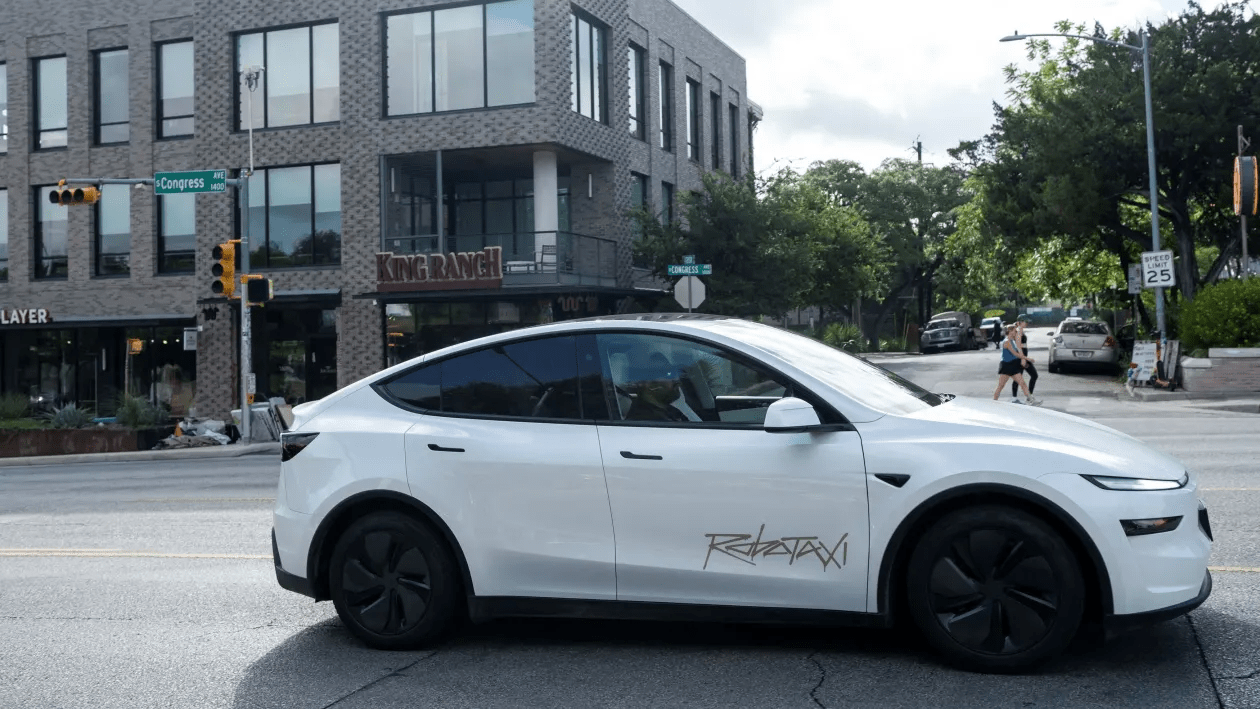
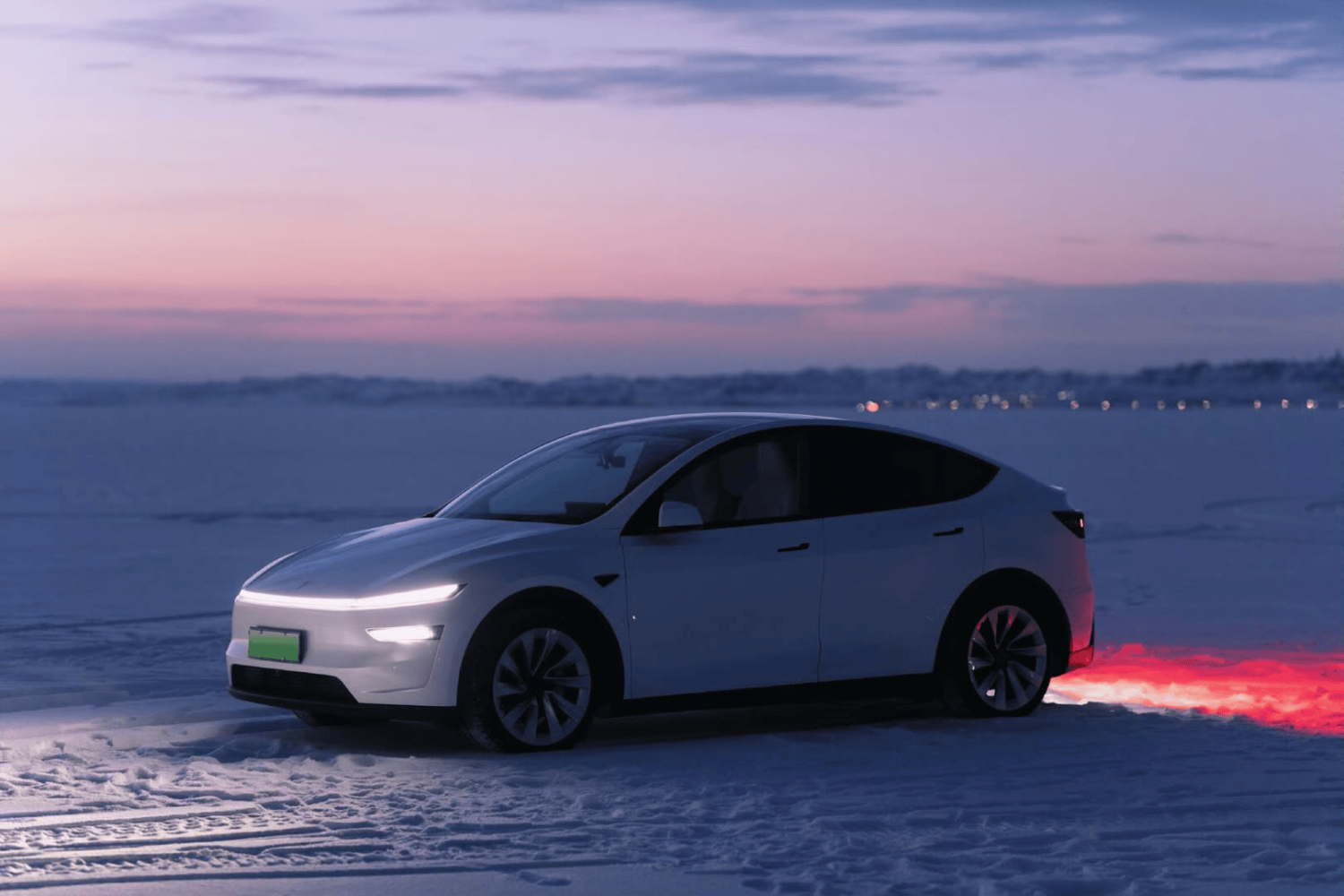



















On April 10, responding to market rumors that it is developing a new, smaller and more affordable electric SUV, Tesla China told CLS reporters that the claim is “false.” A Reuters report published a day earlier, citing four sources familiar with the matter, said Tesla was developing a new compact electric SUV to be produced at its Shanghai factory, with potential exports to Europe and America. According to the report, the compact SUV would be an entirely new model rather than a derivative of the existing Model 3 or Model Y. Model 3 Compared with Model Y, the vehicle is downsized in terms of dimensions, weight and battery capacity, aiming to further reduce pricing—potentially below the current starting price of the Tesla Model 3 in China. The rumor has attracted attention largely due to Tesla’s shifting product strategy over the past two years. In 2024, CEO Elon Musk halted the low-cost vehicle project, often referred to externally as the Model 2, redirecting resources toward Robotaxi and humanoid robot initiatives. The emergence of this compact SUV report has therefore fueled speculation about a potential strategic reversal. However, progress on Robotaxi deployment has been slower than expected. In Austin, Texas, only around 40 vehicles are currently operating within a limited area, still far from large-scale commercialization. A Tesla robotaxi Meanwhile, sales pressure is increasing. After reaching a peak of 1.81 million deliveries in 2023, Tesla’s global deliveries declined to 1.79 million in 2024 and further to 1.636 million in 2025. Since the beginning of the year, the company’s stock price has fallen by approximately 21.5%. With emerging businesses yet to generate stable cash flow, the automotive segment remains its core revenue base. The challenge lies in Tesla’s relatively narrow product lineup, which continues to rely heavily on the Model 3 and Model Y, accounting for the majority of sales. Model Y The lack of new models has become a recurring topic in market discussions. To control vehicle costs, Tesla recently added Sunwoda as its fifth battery supplier, providing battery cells for export models produced at the Shanghai Gigafactory. Unlike its previous approach of directly procuring battery modules, Tesla is shifting toward sourcing battery cells and completing module and PACK integration in-house to strengthen cost control.