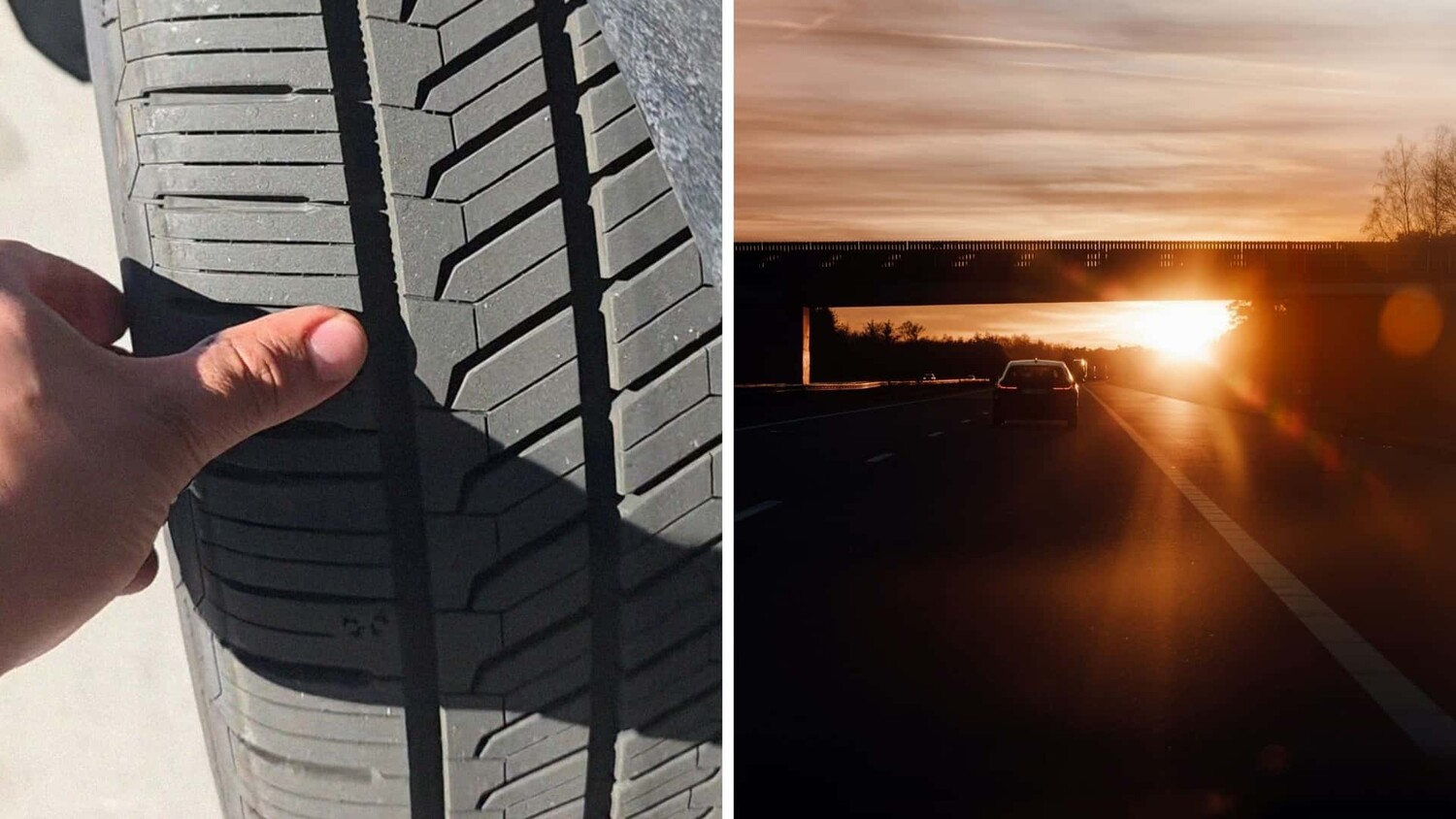
Owen Tremblay · 10 months ago@owentremblay290'Technology Has Come a Long Way:' Man Gets New All-Season Tires. You're Supposed to Click Them on Before Driving Liked by+74 othersPost commentRelated PostsGeneral Motors Balked After Man’s Brand-New $59K Chevy Silverado Needed New Engine After 1,240 Miles 18 · Chloé Gagnon · 27 days agoStellantis’ New Concept Proves Wagons Aren’t Dead, They’re Just Getting Sexier 61 · Olivia Rogers · 25 days agoHow Michelin Uses Technology to Rethink Tire Manufacturing: Interview 26 · Lauren Wright · 1 years agoCan Car Tires Be Put On The Wrong Way? 58 · Mia Martin · 2 months ago“Full Serve” EV Charging Is Coming From Self-Driving. We’re Not Ready. 35 · Camille Green · 2 months agoOpen Letter to Elon Musk: You Have a Moral Imperative to Get All Your Tesla EV Customers Using Full Self DrivingClaire Pelletier · 20 days agoMan Pays $83,000 for Brand-New Chevy — 3 Weeks Later, It Needs a New Engine 74 · Logan Brown · 28 days agoWhy Do New Car Brakes Smell Like They're Burning? 20 · Connor Leblanc · 25 days ago'Public Trust Is Earned': Feds Are Officially Tired Of Robotaxis Getting In The Way Of First Responders 49 · Oliver Moreau · 3 months agoSurvey Sunday: When self driving cars crash, who gets the blame? 46 · Carter Smith · 27 days agoVW’s ID. Polo Waiting List Is So Long You’ll Get A McLaren Sooner 34 · Isabelle Harris · 1 months agoThe Man Who Designed The McLaren P1 Penned Three New REO Models 61 · Ava Rogers · 1 months agoBMW Is Already Expanding Its New 450 Platform, And We’re Here For It 69 · Caleb Lavoie · 29 days agoWhat's The Fastest Way To Repair A Flat Tire? 28 · Chloé Morgan · 3 months agoTesla Claims Its Full Self Driving (FSD) Saves Lives, But Wants You To Pay $99/Month To Get It 41 · Chloé Smith · 1 months agoOrganic Flow Batteries Get Another Shot At Long Duration Energy Storage 51 · Kaitlyn Martin · 2 months agoA Man Dialed the Wrong Number but This Car Dealer Still Sold Him Two New Cars 46 · Adam Pelletier · 1 months agoThe 2027 Ford F-150 Just Got Stylish a Makeover (Thanks, Carhartt!) and Smart New Tech, and We’re Here For It 53 · Evan Wilson · 1 months ago5 ways to make your tires last longer 75 · Mia Lee · 6 months ago2027 Tesla Semi First Drive: We Get Seat Time in Tesla’s 500-Mile Electric Big Rig 91 · Caleb Johnson · 1 months ago

 +74 others+74 others
 +74 others