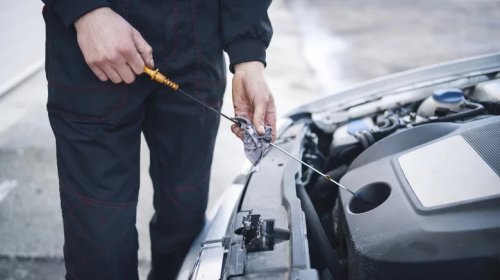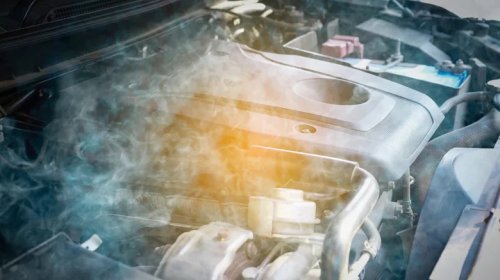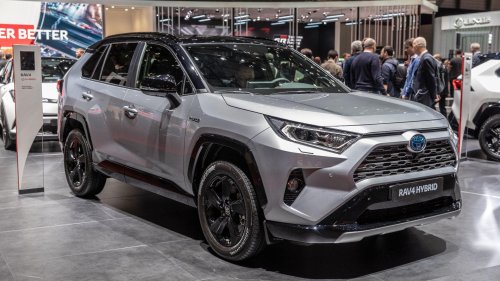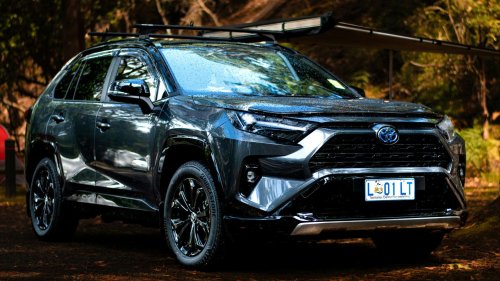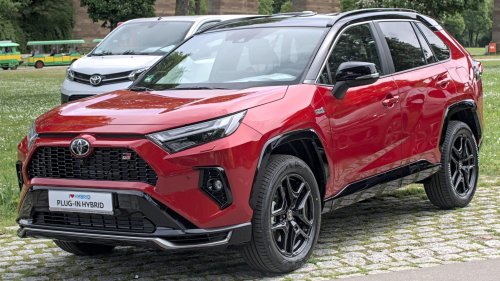



































The Great Hybrid Car DebateHybrid cars have sparked strong opinions, with some drivers embracing them as the future, and others see them as a half-hearted solution that misses the mark. Note that the divide over these cars runs deeper than just specs and is often fueled by assumptions and habits, too. As the praises and hate rage on, we’ll walk you through both arguments. Let’s start by hearing the critics out.1. People Think Hybrids Are Sluggish On The HighwayMany believe hybrids can’t keep up on fast-moving highways, especially when merging or overtaking. Early Prius models didn’t help, offering modest acceleration that shaped this lasting impression. Some drivers unfamiliar with today’s performance upgrades also associate hybrids with underpowered engines.2. Battery Replacements Sound Like A Financial NightmareThe fear of an $8,000 battery bill still haunts many potential buyers. Online horror stories often exaggerate how frequently batteries fail. And even with warranties in place, used buyers worry they’re inheriting a costly repair waiting to happen.3. Drivers Worry About Expensive Repairs And Limited MechanicsBecause independent mechanics rarely advertise hybrid know-how, some drivers assume hybrid repairs require dealership-only service. The idea of high-voltage systems also scares away DIY enthusiasts. All this adds up to a lingering sense that hybrids are expensive to maintain.4. Some Believe Hybrids Don’t Handle Like “Real” CarsEarly hybrids sacrificed handling for efficiency, leading to complaints about numb steering and excessive body roll. Additionally, regenerative braking, while efficient, can feel unnatural to new drivers. These quirks made hybrids seem more like eco-machines than real cars.5. Towing Anything Feels Out Of The QuestionMany still assume hybrid powertrains can’t handle the strain of towing. The idea is reinforced by the fact that older sedans weren’t rated for towing. Myths also persist that towing will fry the battery, even in today’s more capable hybrid SUVs.6. They Associate Hybrids With Bland, Boring DesignsLet’s be honest, the first Prius wasn’t stylish, and its practical design felt more appliance than automobile. Over time, this gave hybrids a reputation for dullness. When newer models eventually improved visually, the “boring box on wheels” stigma remained.7. Charging Confusion Makes People Avoid Plug-In HybridsPlug-in hybrids sometimes get mistaken for fully electric vehicles. Those who don’t know the difference end up worrying about available charging options and battery capacity. The added learning curve leads buyers to stick with what they know.8. They Think Cold Weather Kills Hybrid EfficiencyFreezing weather affects hybrid performance—batteries drain faster and engines take longer to warm up. Also, heating the cabin will rely on gas power. But while winter lowers MPG slightly, it doesn’t ruin it. Unfortunately, many still overestimate the loss.9. People Believe Hybrids Still Burn Too Much GasSome say, “Why pay more if mileage isn’t mind-blowing?” Others compare them to small gas-only cars and see no gain. The confusion deepens when plug-in hybrids enter the mix. For many, it’s more about unclear expectations.10. Some Claim Buying Used Hybrids Is Too RiskyMany buyers fear a used hybrid's battery might be nearing the end of its lifespan. It’s also challenging to determine the condition of the hybrid components. Plus, the perceived drop in resale value after warranty expiration only adds to the hesitation.However, not all concerns about hybrids hold up under closer scrutiny. Let’s break down some common myths and see what today’s hybrid tech really delivers.1. Modern Hybrids Like The RAV4 Prime Are Surprisingly FastThe RAV4 Prime zips from 0–60 in under six seconds, faster than most sedans. Its 302-horsepower output and dual-motor setup deliver instant torque. Drivers are often stunned by how sporty and responsive these new systems feel.2. Battery Costs Have Dropped And Warranties Cover ThemNo need to worry about battery replacement. Most hybrids are backed by 8–10-year warranties. Also, replacement costs have fallen, and refurbished packs are cheaper than ever. What used to be a financial nightmare is now a manageable expense.3. Major Chains Like Firestone Now Service Hybrid SystemsYou no longer need a dealership for hybrid repairs. Chains like Firestone now handle brake work, diagnostics, and battery checks. Certified hybrid techs are easier to find, even in smaller towns, making repairs more routine than rare.4. Models Like Hyundai’s Sonata Drive SmoothlyIn addition to the Hyundai Sonata Hybrid’s excellent MPG, the car is surprisingly fun to drive. A solar roof and refined transmission add appeal. It also handles like a well-balanced midsize sedan, which proves that hybrid power can be reliable.5. Many Hybrid SUVs Can Tow With EaseHybrids can haul, too. The Ford Maverick Hybrid, for instance, tows up to 2,000 pounds. Others, like the Highlander Hybrid, handle even more. Rest assured, today’s hybrids are built for daily life— like groceries and road trips—and towing a trailer too.6. Designs Look Sharp TodayHybrids have shed their boxy image with bold new styling. For example, the Kia Niro’s sporty crossover lines blend with aerodynamic curves, while the Prius Prime flaunts a sleek, futuristic shape. Hyundai’s Ioniq isn’t left out with its LED accents.7. Plug-In Hybrids Work Fine With Standard Wall OutletsYou don’t need a pricey Level 2 charger unless faster charging matters. Most plug-in hybrids charge overnight using a normal 120-volt outlet. Some even reach full charge in under eight hours, which fits easily into everyday life.8. Hybrids Use Smart Systems To Stay Efficient Year-RoundModern hybrids preheat batteries and engines to improve cold-start efficiency. Some use heat pumps to reduce gas engine load for cabin heating. Additionally, regenerative braking functions well in chilly weather. While winter MPG drops exist, they’re not severe.9. Many Hybrids Achieve 20–35 Percent Better Gas Mileage Than Conventional CarsThe Toyota Prius exceeds 50 mpg combined, while larger hybrids like the Accord still deliver impressive 40+ mpg figures. Their fuel economy often outperforms comparable gas-powered cars, and stop-and-go city driving also boosts mileage through electric-only mode.10. New Tech Has Erased The Flaws Of First-Gen HybridsAutomakers have learned from early mistakes. Today’s hybrids use lighter, more durable lithium-ion batteries for longer life. Their powertrains shift smoothly between electric and gas modes without hesitation, too. Regenerative braking also feels natural and intuitive