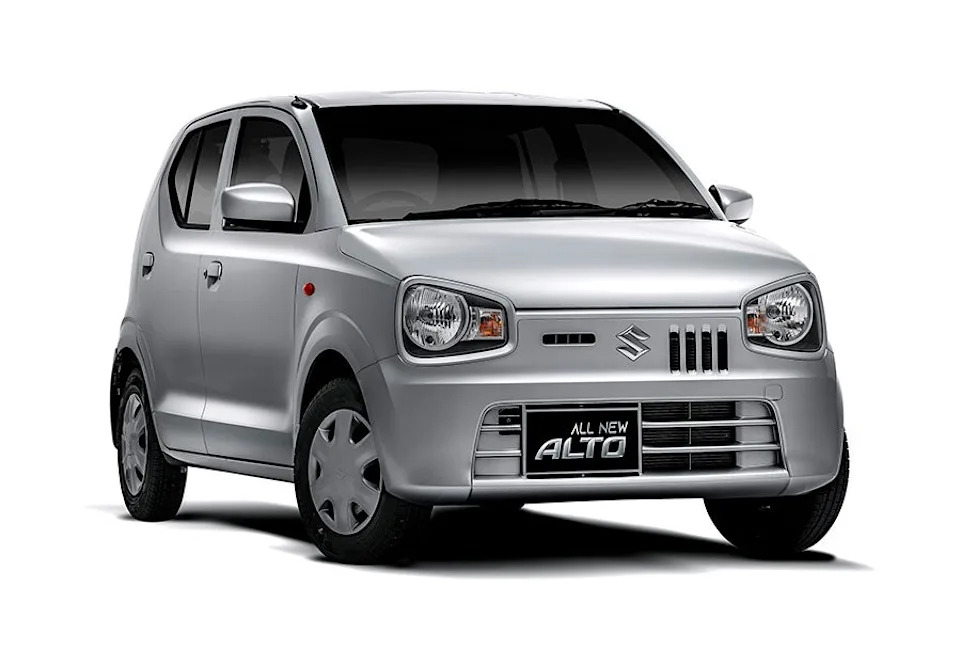
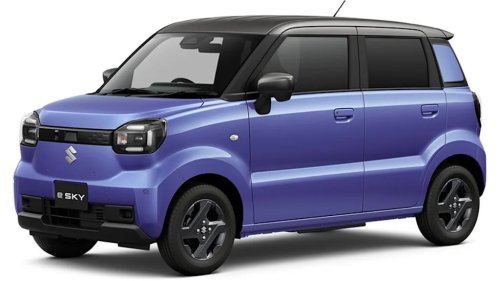
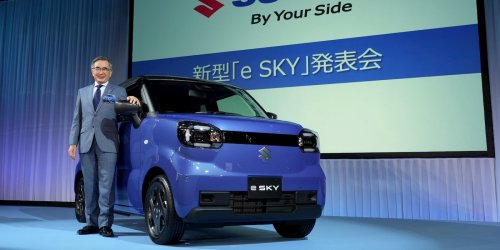
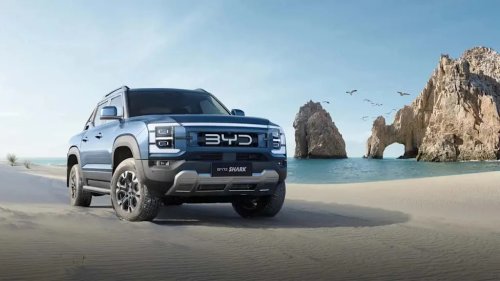
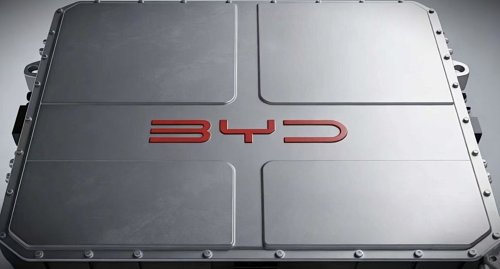
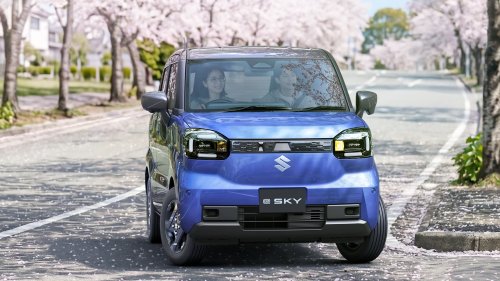
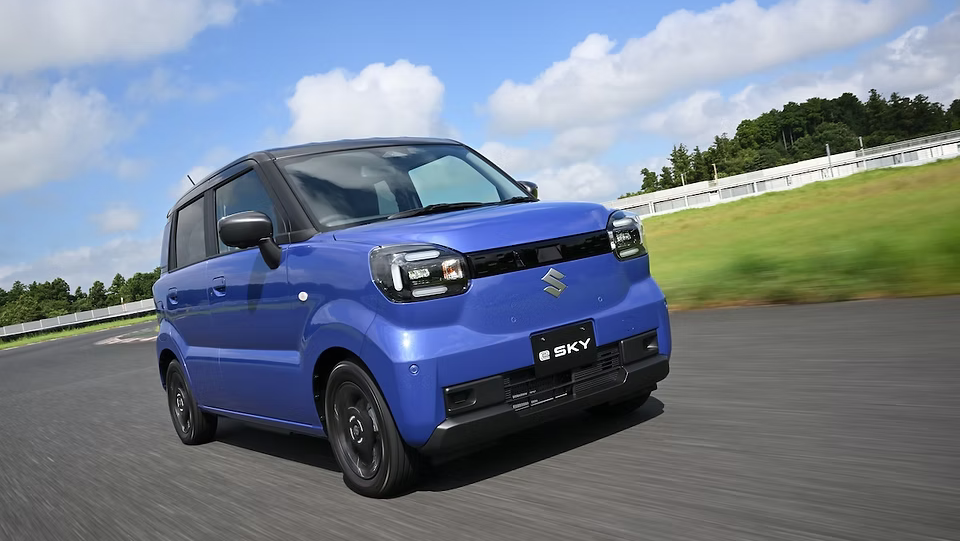
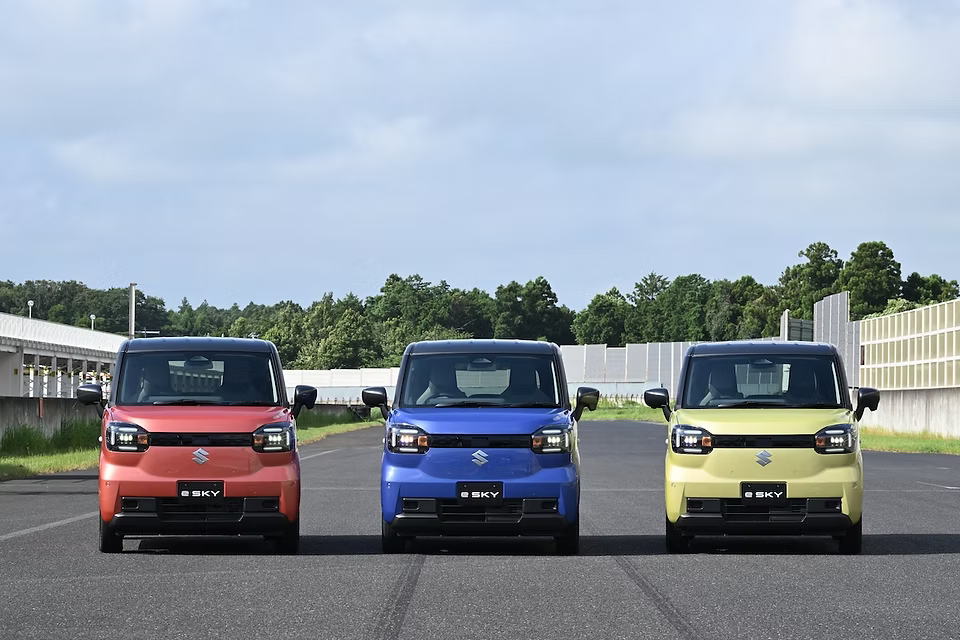
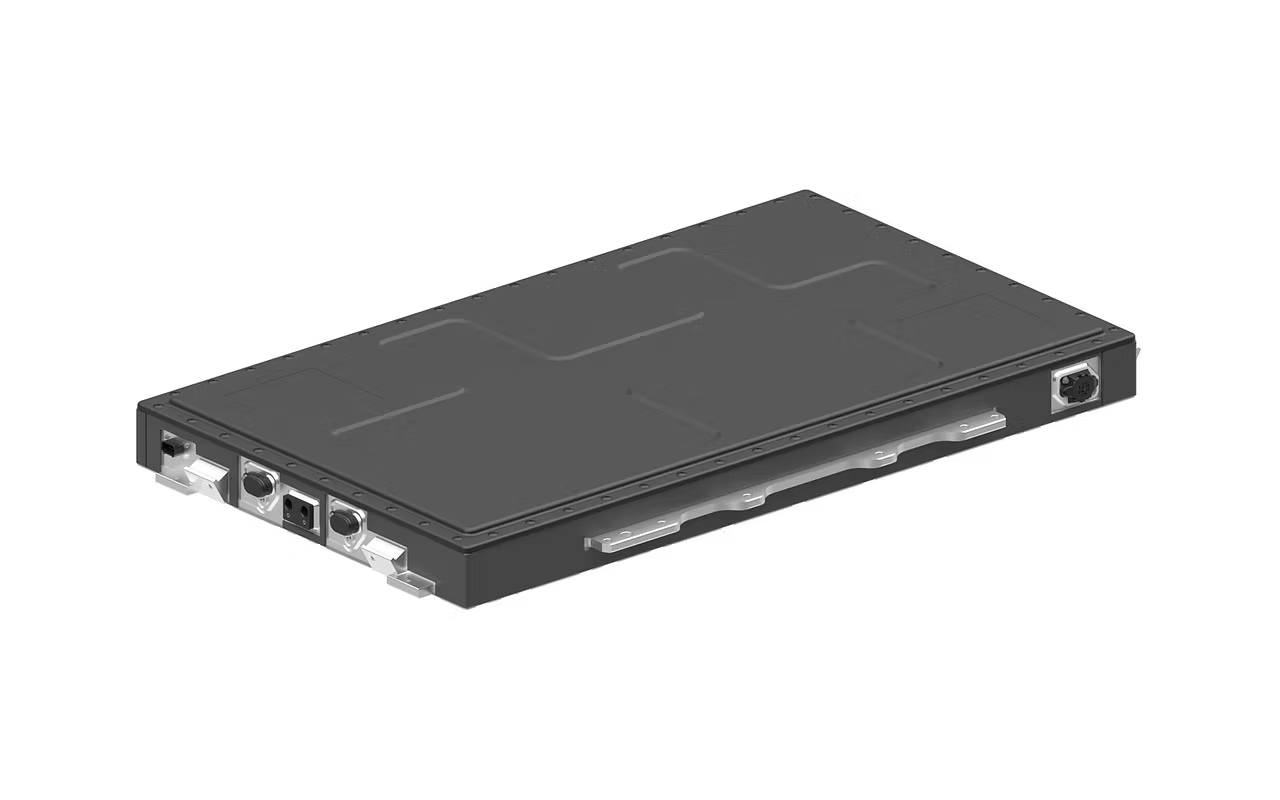
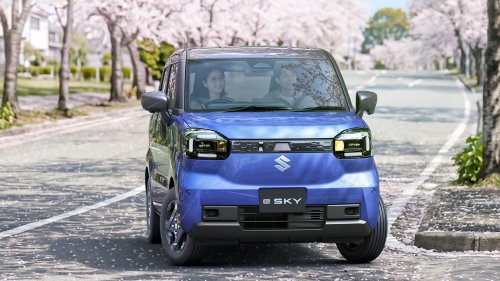
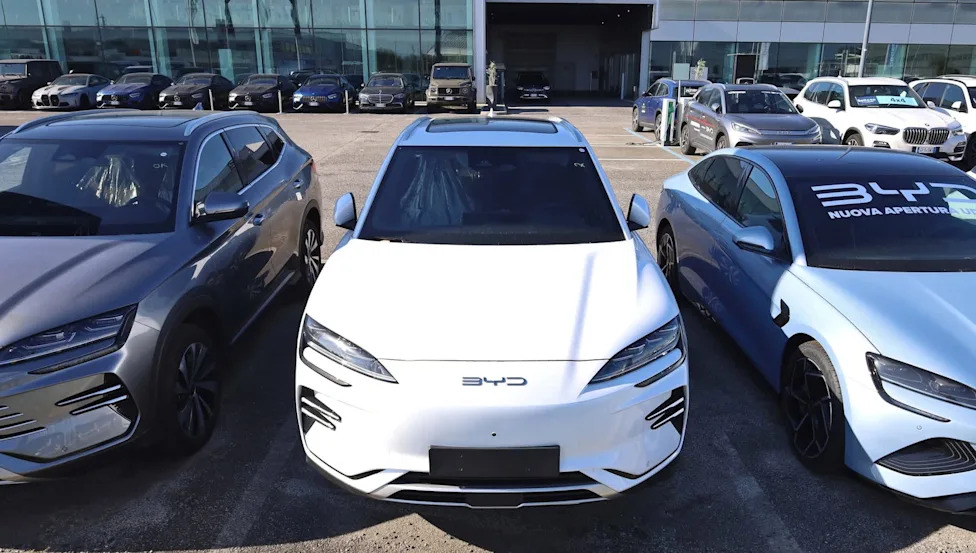
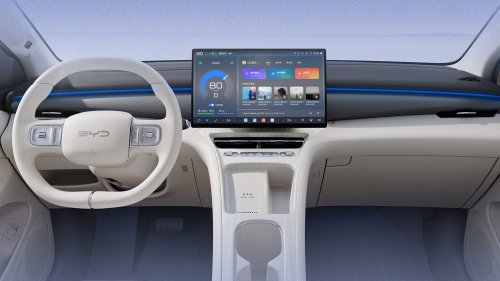
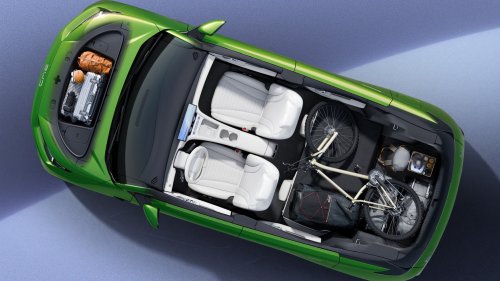
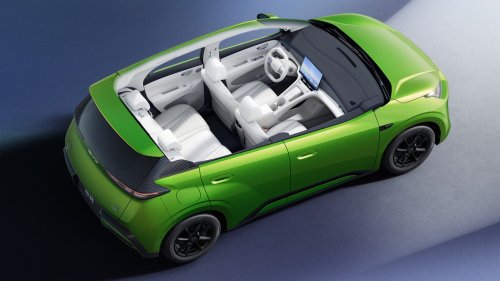
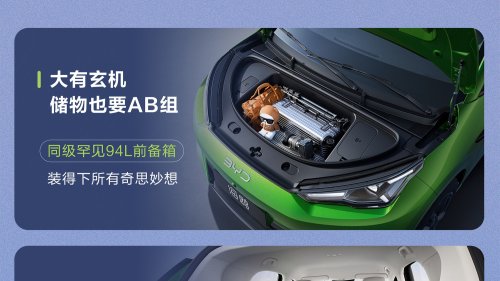
Suzuki Kei-car EV. Credit: Suzuki Suzuki unveiled its first passenger Kei-car EV, the “e-Sky.” With a starting price of 2.12 million yen (13,400 USD), the model aims to become the most affordable Kei-car EV in Japan. While Suzuki has long dominated the Japanese Kei-car market, the e-Sky marks the company’s formal entry into the electric segment. Strategic pricingTo achieve its competitive price point, Suzuki collaborated with BYD, utilising the Chinese giant’s battery technology. According to Suzuki, the e-Sky is built on a newly developed dedicated EV platform and features a proprietary “e-Axle” drive system. The vehicle is powered by a 26 kWh lithium iron phosphate (LFP) battery, delivering a WLTP range of 310 km. By comparison, the entry-level BYD Racco, with a 22.4 kWh LFP battery, offers a WLTC range of 210 km, while higher-spec models feature a 35.84 kWh LFP battery and a WLTC range of 320 km. The difference in the two cars’ range is due to their different weights. The Suzuki e-Sky weighs 1,030 kg, while the Racco weighs 1,160 kg with a 22.4 kWh battery and 1,220 kg or 1,230 kg with the 35.84 kWh version. ModelLength (mm)Width (mm)Height (mm)Wheelbase (mm)Suzuki e-Sky3,3951,4751,6252,460BYD Racoo3,3951,4751,8002,520The BYD Racco is bigger than the Suzuki e-Sky. The e-Sky measures 3,395 mm in length, 1,475 mm in width, and 1,625 mm in height, with a wheelbase of 2,460 mm. The Racco measures 3,395 mm long, 1,475 mm wide and 1,800 mm high, with a wheelbase of 2,520 mm. Suzuki e-Sky Kei-car EV. Market positioningSuzuki is offering three versions of the e-Sky. The entry-level model, designed primarily for corporate clients, is built-to-order and omits features like fast charging to keep costs low. Suzuki aims for a combined monthly sales volume of 1,000 units across all three trims. With Japanese government subsidies of 568,000 yen (3,600 USD), the effective purchase price for consumers can drop to as low as 1.55 million yen (9,800 USD). This undercuts key rivals, including the BYD Racco (starting at 1.99 million yen after subsidies) and the Nissan Sakura (starting at 1.86 million yen after subsidies). Even without subsidies, the Suzuki e-Sky is still 20,000 yen (126 USD) cheaper than the BYD Racco, making it Japan’s cheapest kei car EV. In 2025, Suzuki sold 556,632 petrol-powered kei cars. Since its July launch, the BYD Racco has sold 1,800 units, and the company plans to enter the Sri Lankan and Macao markets. Suzuki e-Sky utilises BYD’s LFP battery.
















![Not sold on Tesla Powerwall? There are great battery alternatives out there [update]](https://cdn.topcarnews.net/thumb/id/aHR0cHM6Ly9pMC53cC5jb20vZWxlY3Ry-ZWsuY28vd3AtY29udGVudC91cGxvYWRz-L3NpdGVzLzMvMjAyNi8wNy9ob21lLXNv-bGFyLWJhdHRlcnkucG5nP3c9MTUwMCZh-bXA7cXVhbGl0eT04MiZhbXA7c3RyaXA9-YWxsJmFtcDtzc2w9MQ/18e81f395a77dbb42269ab5e106fea41.png?t=20261007&post_id=68280)








![Battery, Watt's up, doc? Huddig hybrid loader gets a big battery boost [video]](https://cdn.topcarnews.net/thumb/id/aHR0cHM6Ly9pMC53cC5jb20vZWxlY3Ry-ZWsuY28vd3AtY29udGVudC91cGxvYWRz-L3NpdGVzLzMvMjAyNi8xMC9odWRkaWct-aHlicmlkX21haW4uanBnP3c9MTUwMCZh-bXA7cXVhbGl0eT04MiZhbXA7c3RyaXA9-YWxsJmFtcDtzc2w9MQ/ea51c544798341190a5eed718aab1ee3.jpg?t=20261007&post_id=67784)
![Battery, Watt's up, doc? Huddig hybrid loader gets a big battery boost [video]](https://cdn.topcarnews.net/thumb/id/aHR0cHM6Ly9lbGVjdHJlay5jby93cC1j-b250ZW50L3VwbG9hZHMvc2l0ZXMvMy8y-MDI2LzEwL0hlcm9iYW5uZXJfVGlnb25f-MS1jbG9zZS1jb3B5LmpwZw/d26fab6fabc13bc13692cf5d41542493.jpg?t=20261007&post_id=67784)
![Battery, Watt's up, doc? Huddig hybrid loader gets a big battery boost [video]](https://cdn.topcarnews.net/thumb/id/aHR0cHM6Ly9lbGVjdHJlay5jby93cC1j-b250ZW50L3VwbG9hZHMvc2l0ZXMvMy8y-MDI1LzAzL0RFUy0xMDM4X0VsZWN0cmVr-LUJhbm5lcnNfRVZzXzA3OTdjMi5wbmc/e850e929e3168f8c7ff73cd888e54add.png?t=20261007&post_id=67784)