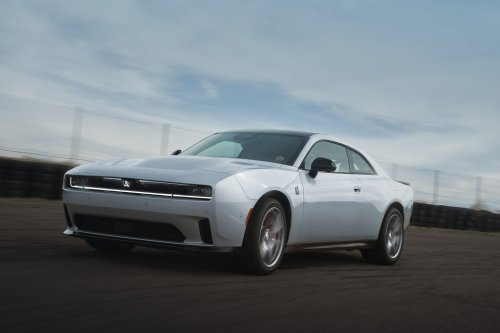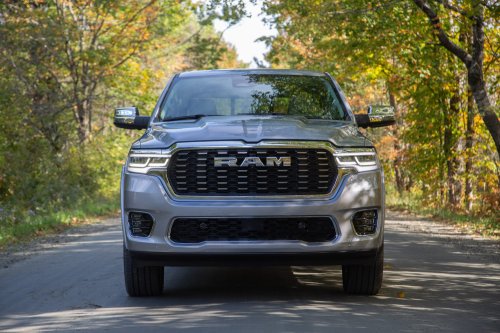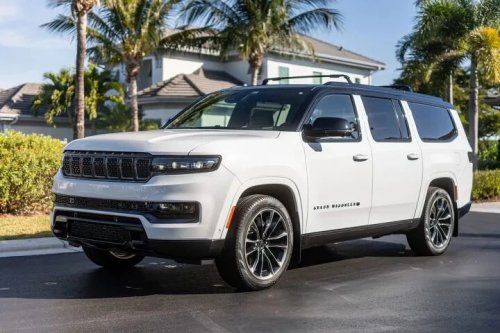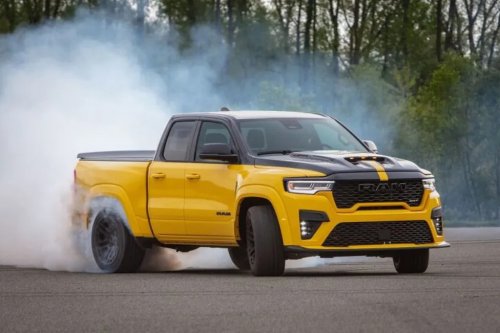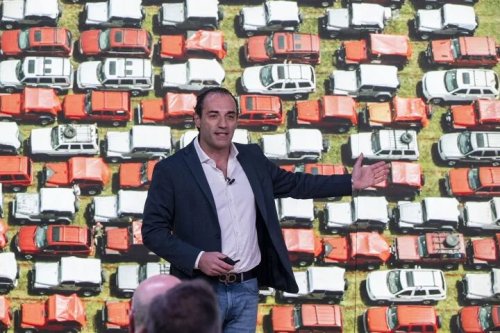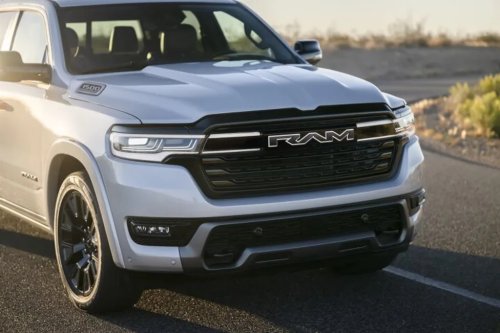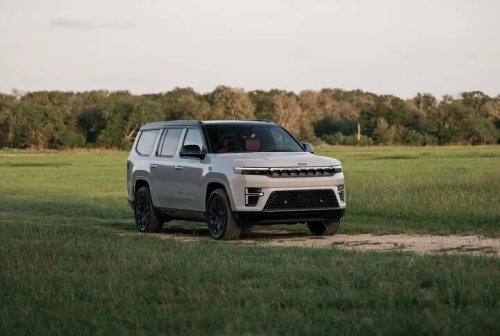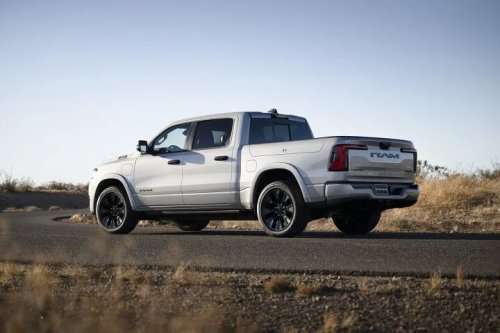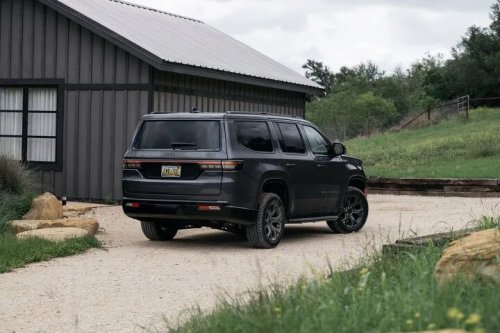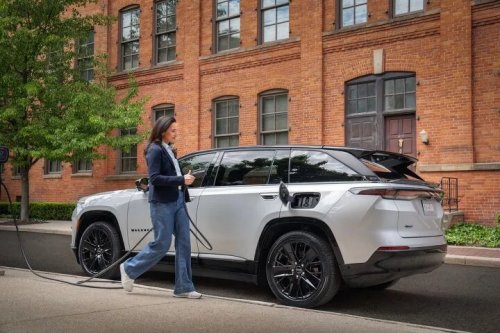



















Stellantis is pouring engineering muscle into a sweeping quality overhaul, hiring more than 2,000 specialists to attack defects that have dogged brands such as Jeep, Dodge, Ram, and Chrysler. The company is treating the move as a deep reset of how its vehicles are designed, validated, and built, with quality elevated to the same level as cost and speed. The push comes as Stellantis tries to restore trust with buyers, protect pricing power, and stabilize a product plan that has been buffeted by recalls, software glitches, and a costly misread of early electric vehicle demand. Quality problems reach the top Management has acknowledged that quality complaints have climbed high enough that issues reach management and can no longer be treated as isolated plant or supplier problems. Internal data and external benchmarks, including the latest initial quality study, have highlighted Stellantis brands as frequent offenders on early ownership troubles. Those troubles have ranged from fit-and-finish problems on volume models to software faults on new electric vehicles, eroding the reputation of nameplates that once sold heavily on durability and toughness. Executives now say quality and engineering are back in focus, tying that shift to the company’s broader reset of its business to better meet customer preferences and support profitable growth across global markets. Hiring 2,000 engineers for a “deep reset.” At the center of the strategy is a hiring surge that adds more than 2,000 engineers in a matter of months. Many of those new employees are assigned directly to quality, reliability, and validation roles, with others reinforcing core engineering teams that had been stretched thin by rapid electrification and software programs. Company leaders have described the move as a Quality Push CEO a deep reset of how Stellantis develops vehicles. The company is redistributing engineering headcount from purely new-feature work toward root-cause analysis, test coverage, and early detection of potential failures. According to internal planning described in the reporting, the 2,000 hires are not a short-term task force. They are being embedded across product lines, regions, and functions, from powertrain and body engineering to software integration and supplier quality. Jeep, Dodge, and Ram feel the pressure The urgency is sharpest in North America, where Jeep, Dodge, Ram 2,000 New Engineers to Fix Quality problems that have hit some of the group’s most profitable trucks and SUVs. The report describes how these brands, along with Chrysler, have seen warranty costs and recall rates climb as new technology has been layered onto aging platforms. To address this inconsistency, Stellantis is assigning dedicated quality leaders to key programs such as Ram pickups, Jeep Grand Cherokee, and Dodge performance models. These leaders are backed by newly hired engineers focused on failure-mode analysis, accelerated durability testing, and tighter launch controls. The company is also reacting to specific flashpoints. Recalls of the Dodge Charger Daytona and Jeep Wagoneer S electric vehicles for rollaway risk, detailed in a recent recall report, highlighted the stakes of software-intensive drivetrains entering the market without bulletproof validation. A global quality offensive The hiring wave is part of what internal documents describe as a global quality offensive. In Europe and other regions, Stellantis is adding more than 2000 engineers across brands that include Peugeot, Citroën, Opel, Fiat, and Alfa Romeo. According to Automotive News Europe, a significant portion of these engineers are being placed in early development phases, where architecture and component choices have the biggest long-term impact on quality. Others are stationed at plants and suppliers to tighten process control and traceability. The campaign is intended to move Stellantis up through the stages in terms of quality, from reacting to failures after launch to preventing them through design and process discipline. Learning from an EV misread The quality reset is intertwined with a broader strategic rethink after what internal assessments describe as a costly misread of early EV demand. An analysis of Quality and Engineering in Focus links the company’s shift to more realistic volume expectations with a renewed emphasis on getting the fundamentals right. Rather than chasing aggressive software and EV timelines at any cost, Stellantis is dialing in more measured rollouts, with extra engineering gates intended to catch integration issues before they reach customers. That change is visible in the decision to delay or rework certain electric models while reinforcing internal combustion and hybrid offerings that have more predictable demand. Simpler hardware, smarter software One of the more striking elements of the reset is a move toward simpler and proven hardware in some programs. Reporting on Stellantis’ quality reset notes that the company is leaning on established components where possible, limiting the number of brand-new systems introduced at once. That approach is meant to reduce the interaction effects that often create hard-to-diagnose bugs, especially when fresh software runs on unproven mechanical or electrical platforms. It also frees up the new engineering hires to focus on the highest-risk areas rather than firefighting across dozens of experimental subsystems. At the same time, Stellantis is not backing away from software-defined vehicles. Instead, it is pushing for cleaner software architectures, more rigorous over-the-air update testing, and clearer ownership of code modules so that defects can be traced and corrected faster. From reputational challenge to sales rebound The quality drive is explicitly tied to a sales recovery plan. Internal assessments describe a Reputational Challenge, and that has weighed on pricing and loyalty, particularly in North America, where truck and SUV buyers often stick with a brand for multiple cycles if early experiences are positive. Stellantis Resets its Business Meet Customer strategy explicitly links better quality with the ability to maintain healthy margins, rather than relying on discounts to move vehicles with spotty reliability records. Executives argue that a visible improvement in dependability, backed by warranty data and third-party surveys, can help Stellantis regain share without sacrificing profitability in key segments. How the reset changes daily work Behind the headlines, the hiring of 2,000 engineers is reshaping daily routines inside engineering centers and plants. Quality specialists are being embedded in agile development squads, with authority to halt software releases or design freezes if validation coverage is not adequate. Supplier quality teams are expanding their presence at critical component makers, with more frequent audits and shared digital tools that track defect trends in real time. Plants are adding additional end-of-line checks for high-risk features such as driver-assistance systems and electronic shifters. Customer feedback loops are tightening as well. Data from connected vehicles, dealer service visits, and online owner communities is being funneled into centralized dashboards, where the new hires can spot emerging patterns before they balloon into full recalls. High stakes for the next product wave The quality reset arrives just as Stellantis prepares a new wave of vehicles for global markets, including updated pickups, crossovers, and electric models. Internal planning documents describe the 2,000-engineer investment as essential to protecting that future product pipeline from the kinds of missteps that have hurt recent launches. Coverage of Stellantis’ quality push and related analyses suggests that the company sees this as a once-in-a-decade opportunity to rebuild its engineering culture around long-term durability rather than short-term launch speed. If the strategy works, Stellantis could turn a reputational liability into a competitive asset, particularly in segments where buyers keep vehicles for many years and talk to each other about real-world reliability. Signals to watch Investors, dealers, and customers will be watching for concrete signs that the reset is more than a hiring headline. Early indicators will include changes in recall frequency, warranty costs, and third-party quality rankings over the next two to three model years. The company’s own messaging hints at a long-haul effort. Reports on Stephen Rivers Stellantis coverage describe quality as a central pillar of the business plan across all brands, not a side project for a troubled region. Another sign will be how Stellantis balances innovation with restraint. A separate section of the Looking Stellantis reporting notes that the company is trying to introduce new technology in more controlled steps, pairing it with hardware and processes that engineers already understand well. More from Fast Lane Only Unboxing the WWII Jeep in a Crate 15 rare Chevys collectors are quietly buying 10 underrated V8s still worth hunting down Police notice this before you even roll window down