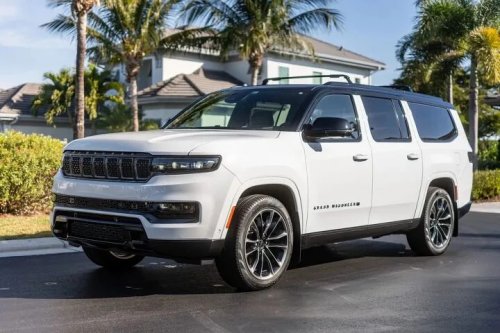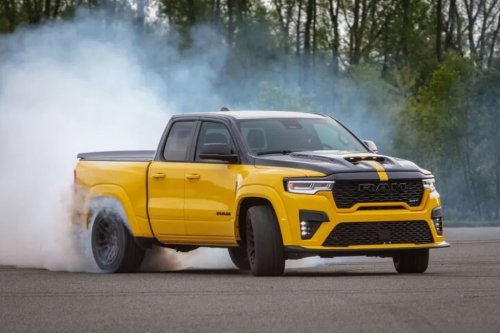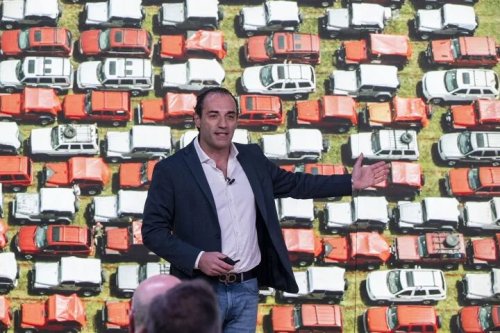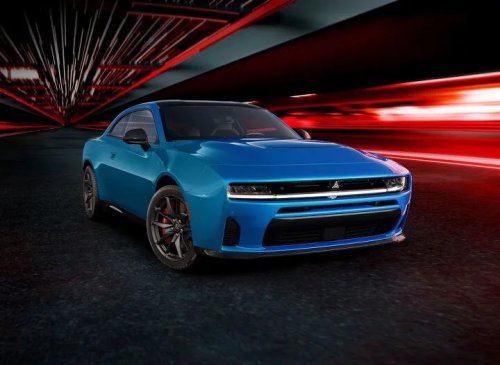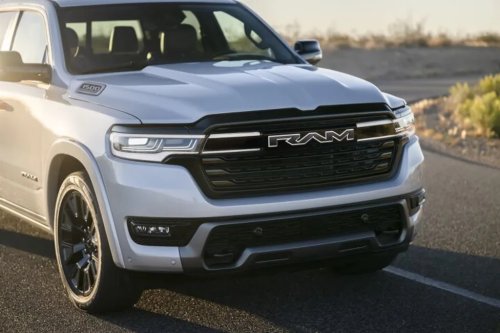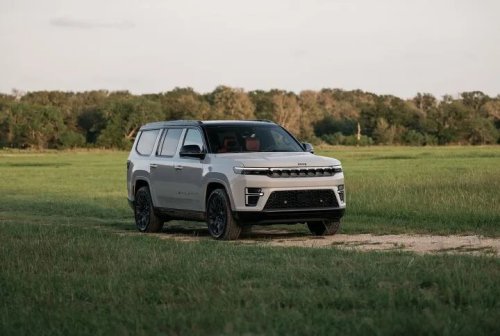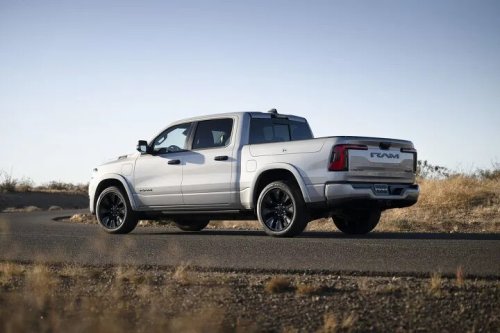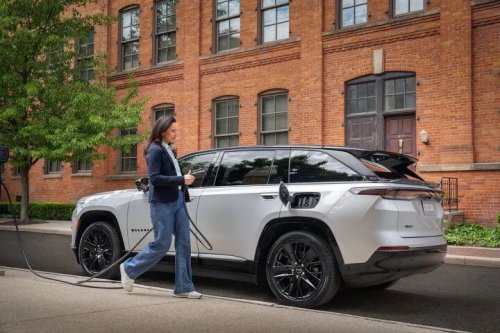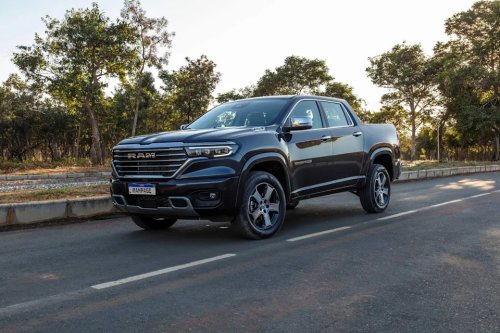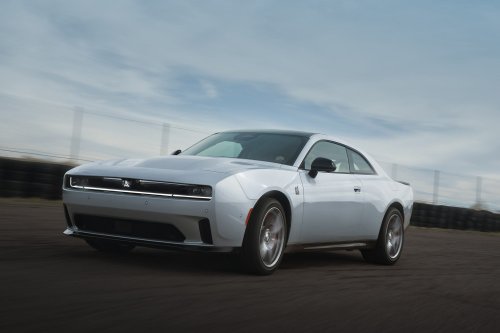



















That $13 billion bet in the United States announced by Stellantis in October was just the beginning. The automotive giant is against the ropes and now it’s coming out swinging. On Thursday, Stellantis announced a new five-year strategic turnaround plan dubbed FaSTLAne 2030 that will cost over $69 billion. The result will be an overhaul of the company’s sprawling global product portfolio with more than 60 new vehicles and 50 refreshes across all brands. The extent of this is said to include 29 electric vehicles, 15 plug-in hybrid or range-extended EVs, 24 hybrids, and 39 gas-powered models. No details as to which brands will get how many of these were provided as of the time of this writing. Specifically, in the U.S., Stellantis plans to expand market coverage by 50% with 11 new vehicles and 35% more volume. The lineups are said to gain seven new products that cost less than $40,000 and two under $30,000. The U.S. region will get $41 billion invested, which is 60% of the total five-year global investment. Stellantis confirmed the company now has four global brands including Jeep, Ram, Peugeot, and Fiat. The automaker said Chrysler, Dodge, Citroen, Opel, and Alfa Romeo are now regional brands. Maserati’s uncertain future was confirmed as a “pure luxury brand” and two new midsize vehicles will be added to the lineup. A roadmap for the historic brand’s future is said to be coming in December. Product development cycles are said to be cut from today’s 40-month timeline down to 24 months.. In the next five years Stellantis will invest over $27 billion, or 40% of its total R&D and capital expenditures during this period, in global platforms, powertains, and technology. The company, at a global level, will move to a new modular multi-energy platform dubbed STLA One. Stellantis will focus on capacity utilization being increased across regions thanks to the upcoming product offensive. While production capacity in Europe is expected to be reduced by 80,000 units, utilization of factories is expected to increase from 60% to 80% by 2030. Production in the United States is expected to increase and take capacity utilization to 80% by 2030.