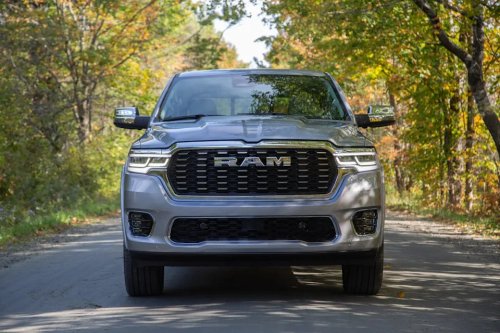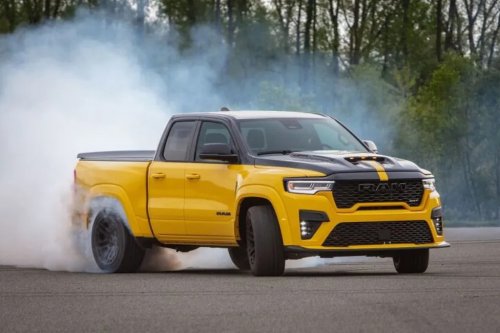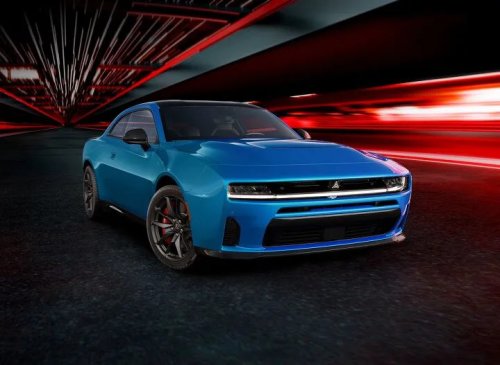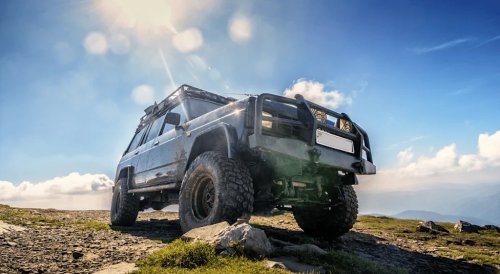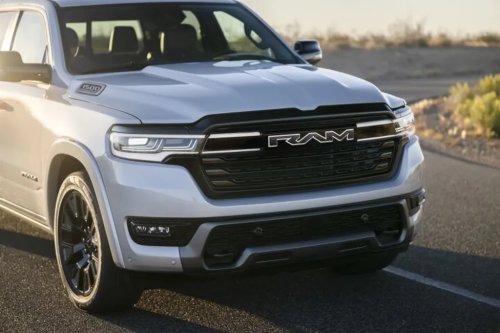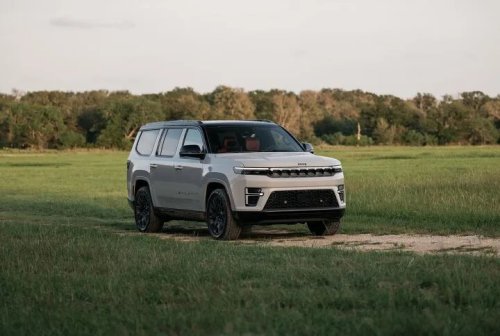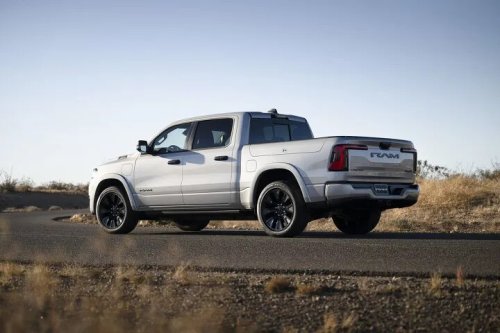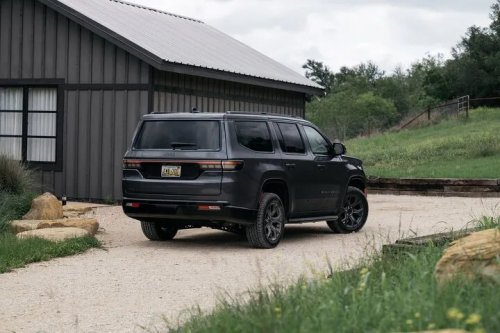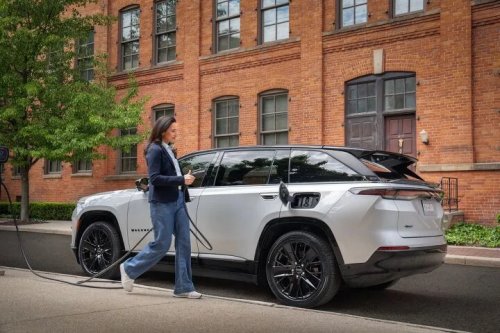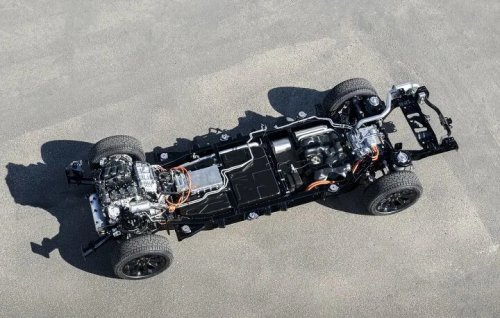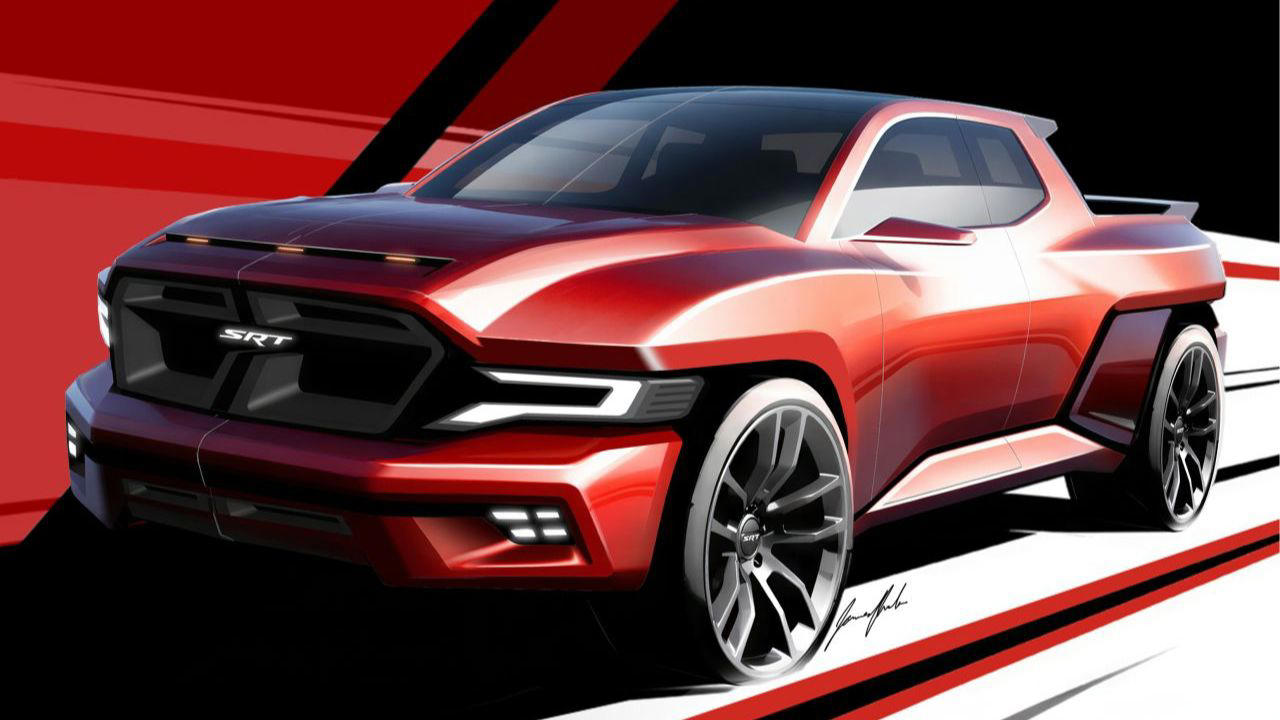



















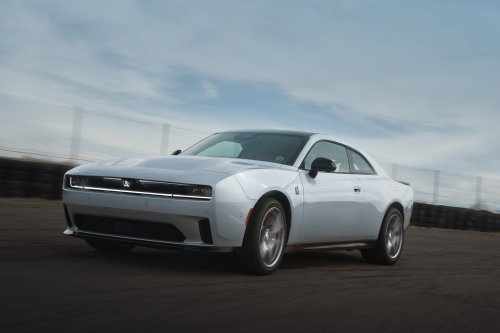

Stellantis asks high school students to design a future SRT modelYou are being invited into the design studio of one of the world’s biggest automakers and asked to imagine what speed will look like in the next generation of performance cars. Stellantis is using its Drive for Design program to ask high school students to sketch the next evolution of an SRT model, turning your notebook doodles into a serious gateway toward a career in automotive design. Rather than treating you as a passive fan, the company is handing you a creative brief that professional designers would recognize: define the “Future of Fast” in a way that still feels unmistakably SRT, with all the attitude, power, and presence that name carries. How Stellantis is opening its design doors to you Stellantis, the global automaker behind brands such as Dodge, Ram, Jeep, Chrysler, Alfa Romeo, and others, is using its corporate platform to position design as a front door into the industry for young talent. The Drive for Design program sits inside that broader ecosystem and gives you a rare look at how a major manufacturer thinks about future products. On the dedicated contest site at StellantisDriveForDesign.com, the company lays out everything you need to participate, from the theme and eligibility to submission rules and prize details. The structure is intentionally clear so you can focus on creativity instead of guessing what the judges want. For 2026, Stellantis is not just repeating an old formula. The company has expanded its Drive for Design contest, describing it as a bigger and faster challenge that pushes you to imagine the next generation of performance vehicles within the Stellantis portfolio. That expansion signals that design is not a side project, but a strategic pipeline for future talent. “Design the Future of Fast” and the SRT challenge The headline theme for this cycle is “Design the Future of Fast,” which Stellantis frames as an invitation to create the next evolution of an SRT vehicle. On the contest site, you are told directly to Create the future of SRT, spelled out as Street & Racing Technology, and to decide what speed, power, and attitude should look like in the coming years. SRT, or Street & Racing Technology, has long been associated with aggressive styling, high horsepower, and track-capable hardware. Stellantis is effectively asking you to reinterpret that DNA in an era when performance can mean electric torque, advanced aerodynamics, and software-driven driving experiences. The prompt is open enough to let you sketch a coupe, sedan, SUV, or truck, as long as the design communicates that SRT spirit. The language around “Future of Fast” also nudges you to consider how a vehicle can look fast even when it is parked. That puts a spotlight on stance, proportions, surface tension, lighting signatures, and other visual cues that professional designers use to make a car feel alive without moving. Who can enter: from high school to Drive for Design Junior The core Drive for Design competition is open to U.S. High School students in Grades 10th through 12th. Official contest material describes it clearly as “U.S. High School. Grades 10th-12th,” so if you are a sophomore, junior, or senior, you are in the primary target group for this SRT brief. Stellantis has also broadened the funnel with Drive for Design Jr, which extends participation to younger students in Grades K through 9th. That younger track allows you to start experimenting with car design concepts long before you reach high school, using the same overarching “Design the Future of Fast” theme but with expectations tailored to your age. Communications around the expanded contest describe how the original Drive for Design competition for U.S. students in grades 10 through 12 now sits alongside Drive for Design Junior, which is open to grades K through 9th. That structure lets you grow with the program, moving from early sketches in elementary or middle school into more refined proposals in high school. What you are competing for: prizes and exposure The contest offers Prizes for 1st, 2nd, and 3rd place, along with additional recognition that can matter just as much as any trophy. On the official rules page, Stellantis explains that finalists whose entries receive top scores will be recognized and rewarded, and that your work will be evaluated by professional designers inside the company. The site’s description of The finalists spells out that the contest is not a random drawing. Your sketch is judged on criteria that mirror real studio expectations, such as originality, adherence to the SRT brief, and clarity of design. That alone gives you a portfolio piece and feedback path that most aspiring designers never get in high school. Beyond the tangible prizes, the biggest payoff is exposure to the Stellantis design organization. Past Drive for Design cycles have highlighted winners in company communications, social channels, and videos that are shared with the broader automotive community. When you submit, you are effectively placing your work in front of people who design production vehicles for a living. How to enter and what the rules expect from you To participate, you need to create a sketch of a next-generation SRT vehicle that fits the “Design the Future of Fast” theme, then submit it through the contest process described on the official site. The rules specify that your entry must be original and must not contain material that violates the rights of any third party or includes inappropriate content. Stellantis spells this out in the rule section that states an Entry must not that the company, at its sole discretion, deems offensive or infringing. That means you should avoid copying existing vehicles, using copyrighted logos that are not part of the Stellantis family, or including any imagery that could be viewed as unsafe or discriminatory. You also need to pay attention to file formats, submission deadlines, and any required consent forms, especially if you are under 18 and need a parent or guardian’s approval. The contest site centralizes these details so you can double-check them before you upload your work, which helps you avoid being disqualified on a technicality. What “Future of Fast” demands from your design thinking Responding to this brief asks you to think like a professional designer, not just an illustrator. You are being asked to imagine how SRT, defined explicitly as Street & Racing Technology, might evolve in a world where performance is measured in more than quarter-mile times. That could include electrified drivetrains, active aerodynamics, or interior experiences that support both daily driving and track use. The contest description on the site repeats that SRT is all about speed, power, and attitude, and then asks what that SRT look should be in the future. To answer that, you might explore how a wide stance, sculpted fenders, and bold lighting can communicate performance without relying on oversized grilles or exhaust tips. You could also play with color blocking, graphics, and wheel design to emphasize motion. Because Stellantis and Ram are promoting the Drive for Design competition together, you can also consider how performance trucks and SUVs fit into the SRT story. A low, wide coupe is one answer, but a high-performance pickup or crossover with an SRT badge can also express “Future of Fast” if you handle the proportions and details with intent. Why this contest matters for your future in design For you as a student, Drive for Design is more than a contest. It is a structured way to test whether you enjoy the process of automotive design, from interpreting a brief to iterating on sketches and presenting a final concept. The official materials emphasize that the program is meant to inspire aspiring designers and connect them with professionals who can show what a design career actually looks like. Earlier cycles of Drive for Design have been used to challenge high school students to imagine future vehicles and then direct them to detailed contest rules and resources. That pattern continues with the 2026 SRT brief, which offers you a clear path from interest to action. More from Fast Lane Only Unboxing the WWII Jeep in a Crate 15 rare Chevys collectors are quietly buying 10 underrated V8s still worth hunting down Police notice this before you even roll window down