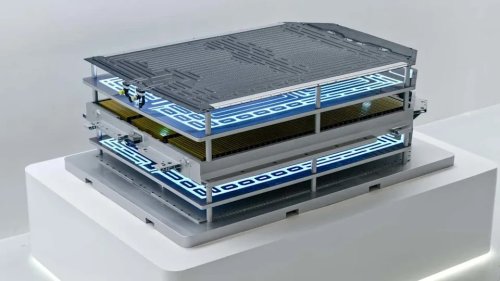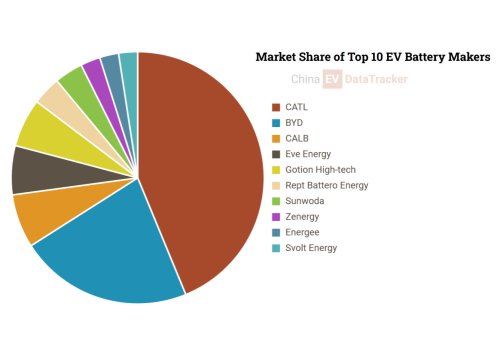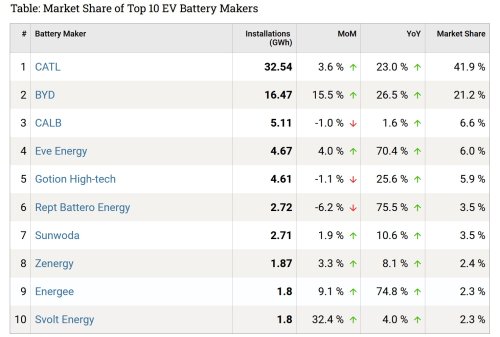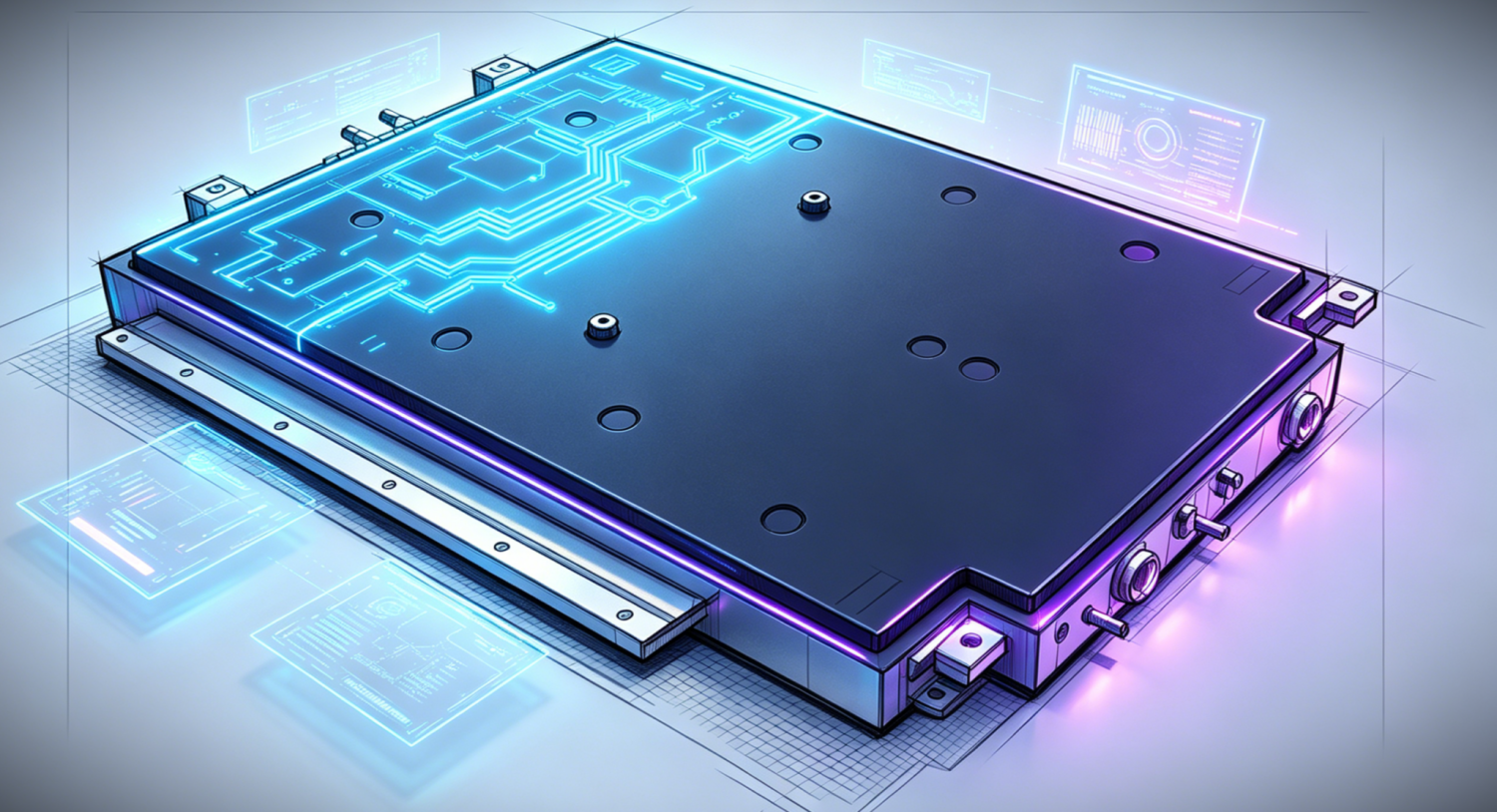



















The Chinese Academy of Sciences team developed a composite electrolyte to extend vehicle battery cell lifecycles. Image rendered by CNC Understand China EV’s Market Real-time notifications when critical EV data is released All important data in one place 2,000,000+ data points Become a member Researchers at the Dalian Institute of Chemical Physics improved the analytical performance of solid-state battery chemistry. The Chinese Academy of Sciences team developed an innovative organic-inorganic composite gel electrolyte to extend the lifecycle of vehicle cells. This architecture aims to overcome traditional solid-electrolyte-interface barriers without sacrificing mechanical flexibility, as reported by IThome. The novel framework utilises lithium oxychloride to prompt an explicit in-situ chemical reconstruction of polyvinylidene fluoride. This modification successfully establishes a continuous network of low-barrier transmission pathways for lithium ions. The resulting material combines the high ionic conductivity of inorganic elements with the flexibility of organic polymers. Electrolyte hardware metrics Laboratory measurements confirmed that the synthesised electrolyte achieves an optimal room-temperature ionic conductivity of 2.73 × 10⁻⁴ S/cm. It exhibits a high lithium-ion transference number of 0.90 alongside an electrochemical window exceeding 4.78V. Mechanical evaluation demonstrated a firm Young’s modulus of 892.53 MPa to safeguard internal cell structures. When integrated into a symmetric cell configuration, the framework demonstrated stable operation for over 2500 hours at a current density of 0.1 mA/cm². Full cells utilising a nickel-cobalt-aluminium ternary cathode completed 350 cycles at a 1C rate while maintaining 84.15% capacity. This performance outpaced traditional lithium lanthanum zirconium titanium oxide baselines. Industry commercialisation timelines This material advancement surfaces as major manufacturers navigate conflicting deployment schedules for next-generation architectures. For example, Dongfeng plans to mass-produce solid-state batteries in the second half of 2026 to target a 1000 km range baseline. That timeline represents an accelerated commercialisation push for the automotive sector. However, a recent CATL solid-state battery reality check indicates that widespread adoption remains restricted by laboratory development parameters. The market leader expects that commercial integration will not materialise before 2030. This highlights a clear divergence in corporate strategy across the domestic automotive landscape. Market volume trackers While solid-state technologies progress through laboratory phases, the current market remains anchored by lithium iron phosphate installations. Recent China EV DataTracker data shows CATL leading the segment with 23.12 GWh of installations, securing a 40.1% market share. BYD holds the second position with 11.87 GWh, commanding a 20.6% share. Smaller-tier manufacturers continue to expand their footprint in the domestic ecosystem. Gotion High-tech recorded 4.43 GWh for a 7.7% share, followed closely by Calb at 3.67 GWh and Eve Energy at 3.16 GWh. Rept Battero Energy achieved 2.63 GWh, while Zenergy and Sunwoda captured 2.25 GWh and 2.14 GWh. Energee registered 1.82 GWh, followed by Yinpai Battery at 0.82 GWh to round out the top ten manufacturers. These production-volume metrics indicate that near-term strategies will depend on traditional chemistries, while alternative electrolyte innovations scale. Advanced composite material breakthroughs will gradually dictate future market share standings as premium vehicle integration opens.