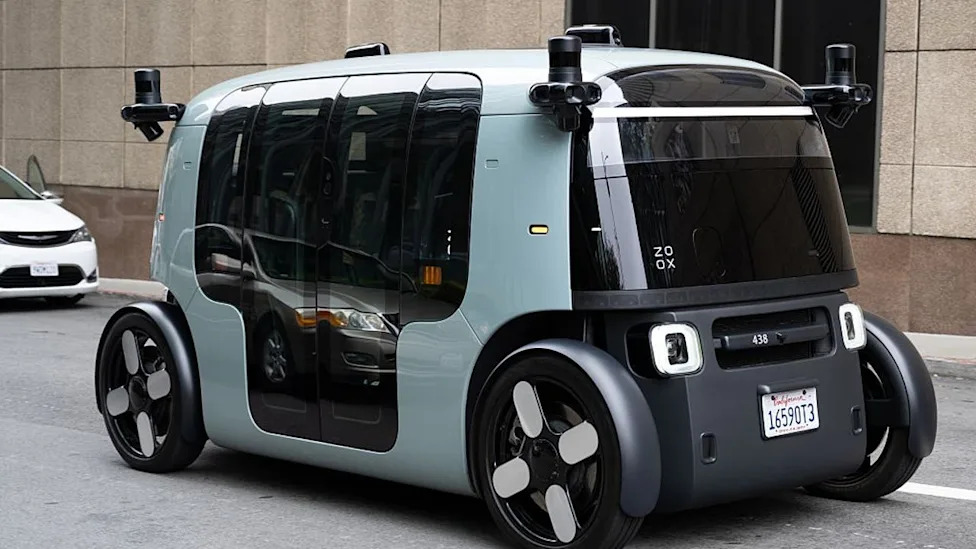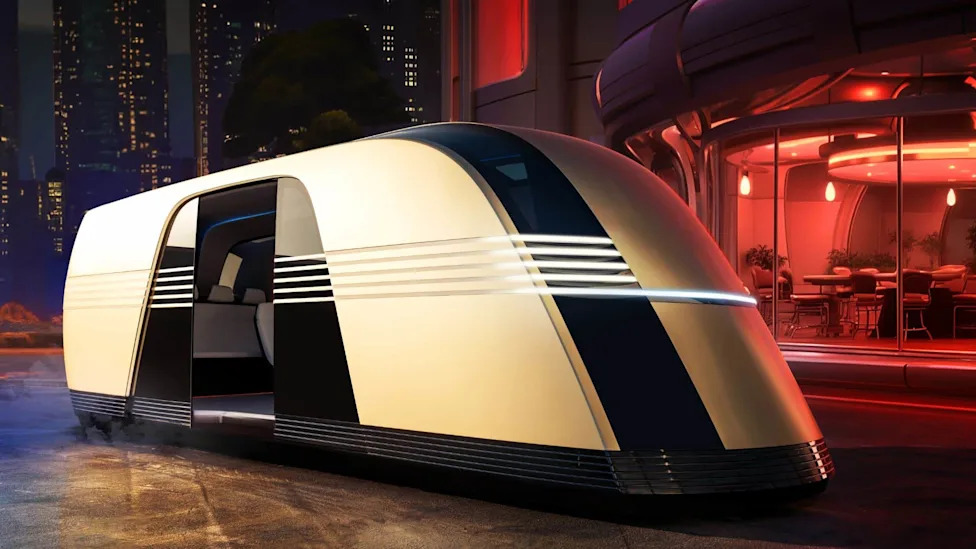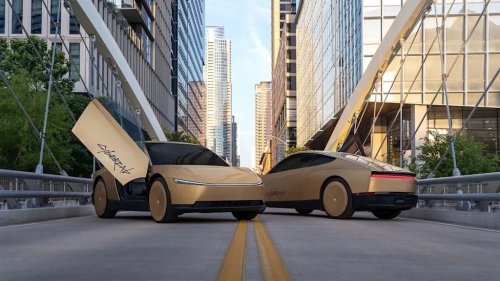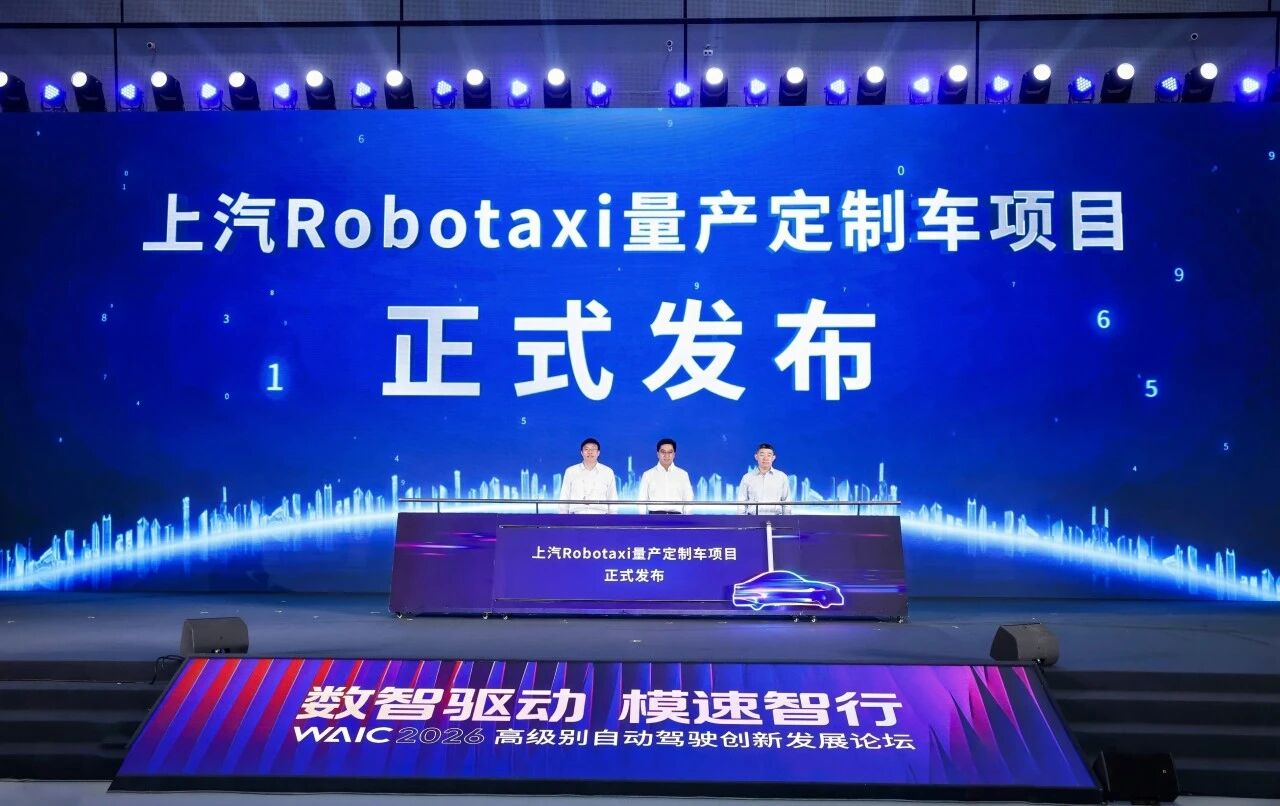



















Gasgoo Munich- SAIC Mobility has launched a project to develop a purpose-built, production-ready Robotaxi for parent company SAIC Motor, with the new vehicle scheduled to make its debut in 2027.The project was announced at a forum on advanced autonomous driving held during the 2026 World Artificial Intelligence Conference in Shanghai. It moves SAIC's Robotaxi efforts beyond the adaptation of existing passenger models and toward a vehicle designed from the outset for commercial autonomous ride-hailing.Image source: SAIC MobilitySAIC Mobility will lead product definition using both passenger experience and fleet economics as design priorities. The cabin layout and onboard functions will be tailored to the needs of driverless ride-hailing, while the vehicle's engineering will also seek to simplify fleet management, maintenance and servicing.This dual focus reflects a broader shift in the Robotaxi sector: as the technology moves closer to commercial deployment, operators are paying greater attention to vehicle utilization and total cost of ownership rather than evaluating autonomous-driving performance alone.According to SAIC Mobility, the model will be Shanghai's first purpose-built, mass-produced vehicle with a factory-integrated high-level autonomous-driving system. It will also mark SAIC's first Robotaxi developed specifically for series production, rather than an existing model converted after leaving the factory.The project divides responsibility among three parties. SAIC Motor will handle vehicle engineering and manufacturing, an autonomous-driving technology provider will supply the driving system, and SAIC Mobility will define the product and operate the resulting fleet. The arrangement is designed to connect vehicle development, autonomous-driving technology and commercial operations within a single program.The autonomous-driving supplier has not been formally identified in the announcement. However, IM Motors representatives joined SAIC Motor and SAIC Mobility executives at the project launch.The start of vehicle development marks a step toward industrializing SAIC's high-level autonomous-driving technology. Shanghai will serve as the initial market, allowing the automaker to draw on SAIC Mobility's existing Level 4 fleet operations and local regulatory experience.A production model could make it easier to expand the service by standardizing vehicle hardware, sensor integration and maintenance procedures. Nevertheless, the timetable for commercial deployment will depend not only on vehicle readiness but also on permits governing fully driverless passenger services.SAIC Mobility began operating its Robotaxi service in 2021, positioning it as China's first automaker-backed platform dedicated to Level 4 autonomous driving ride-hailing.In 2023, the service received one of Shanghai's first permits for the demonstration operation of intelligent connected taxis, followed by an early Robotaxi demonstration license in Suzhou. It expanded its technology partnerships in May 2025, working with autonomous-driving company Momenta to introduce a Level 4 fleet in Shanghai's Pudong New Area. Those vehicles were based on a factory-integrated production design intended to support fleet expansion.At the 2025 WAIC, SAIC Mobility, SAIC-backed NEV brand IM Motors and autonomous-driving developer SAIC AI Lab secured permits for driverless demonstration services without a safety operator in the driver's seat.The companies subsequently opened an L4 Robotaxi route linking the Shanghai International Resort with Pudong International Airport in August 2025. It was the city's first autonomous-driving demonstration service to operate across both expressways and ordinary urban roads.SAIC Mobility said its Robotaxi platform has now completed more than 350,000 passenger orders and accumulated over 4 million kilometers of safe operation. This operating record will inform the design of the 2027 model, particularly in areas such as cabin use, vehicle durability, maintenance requirements and fleet efficiency.