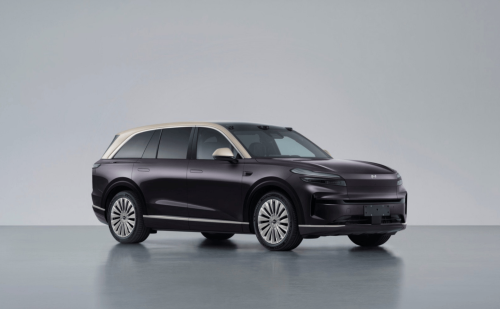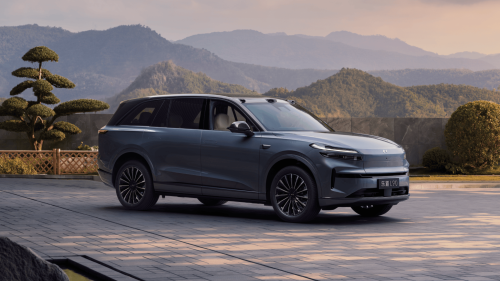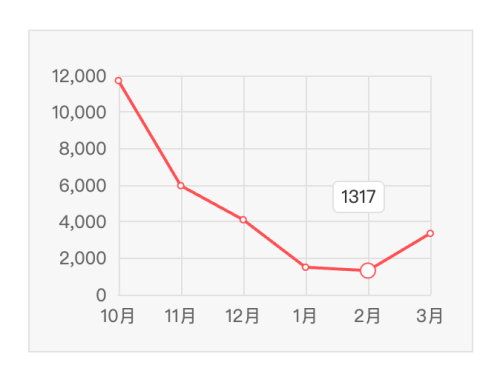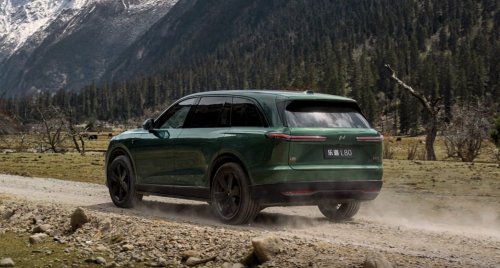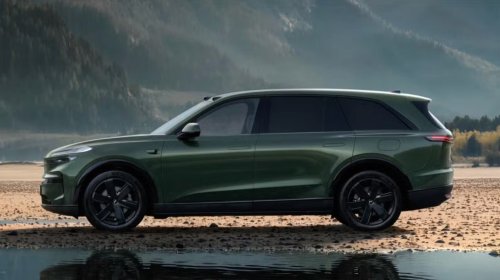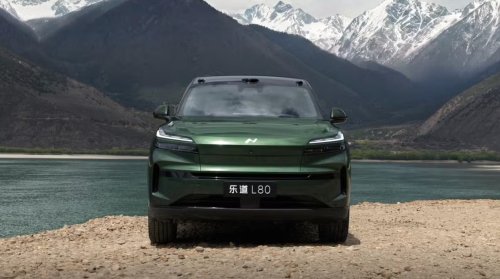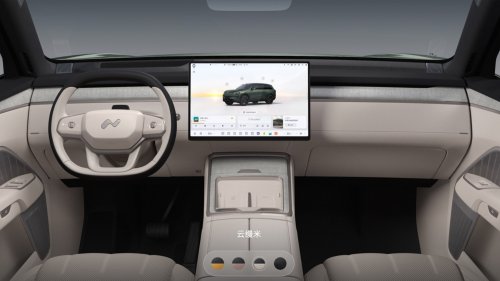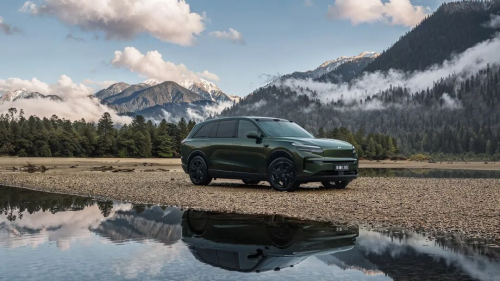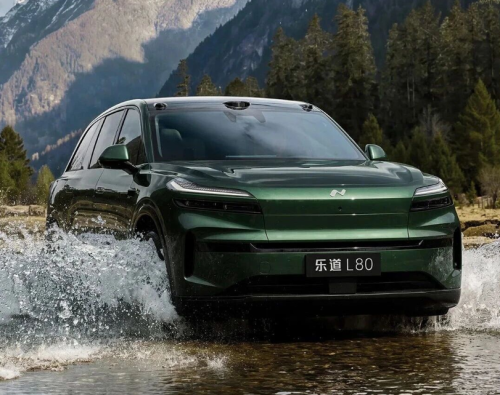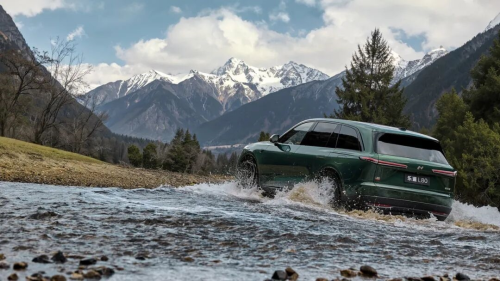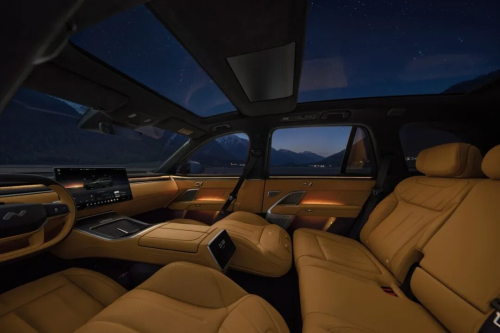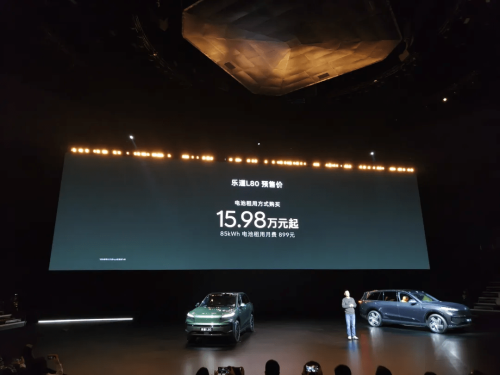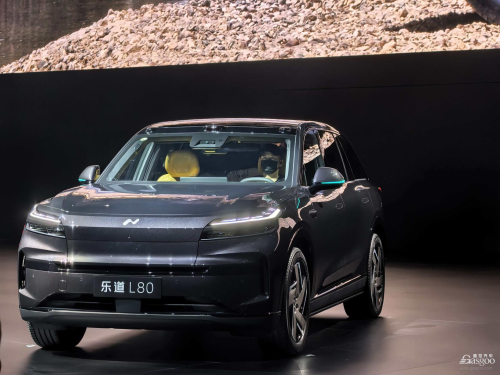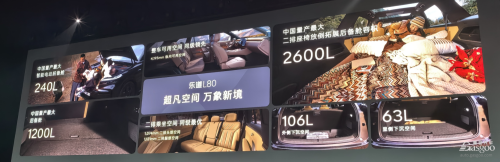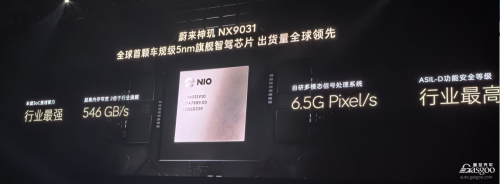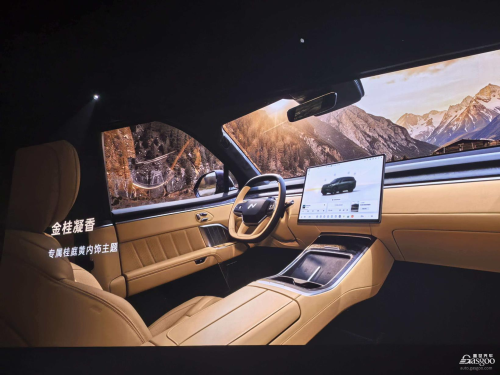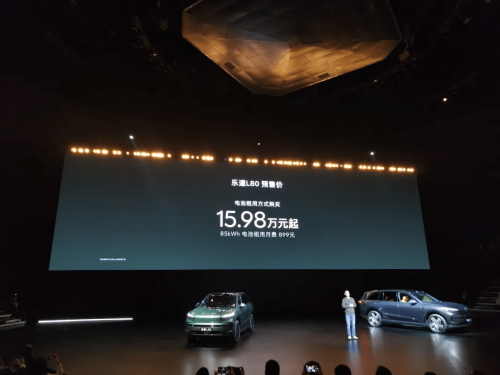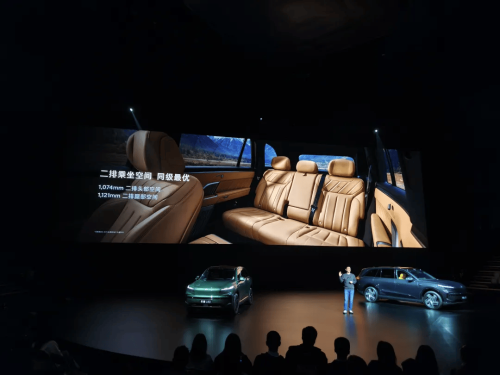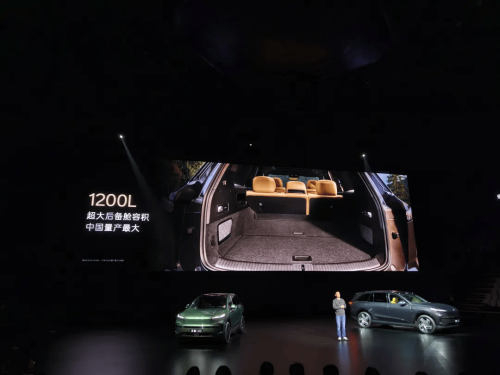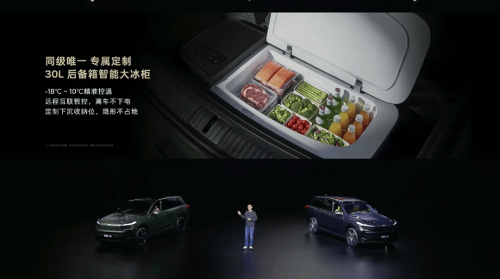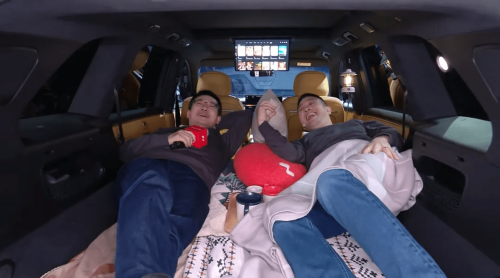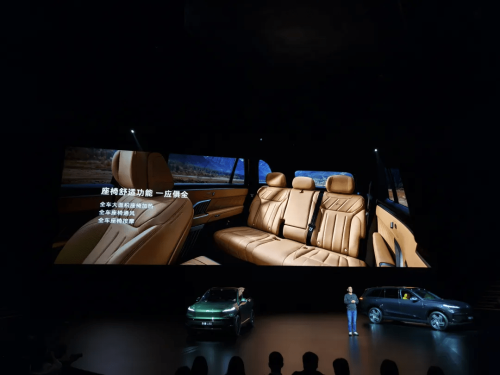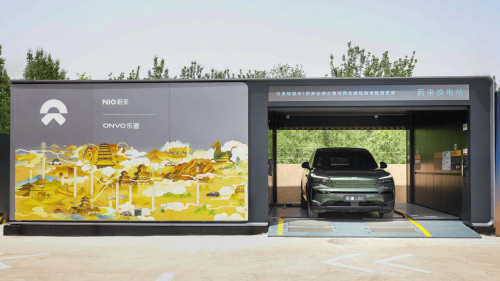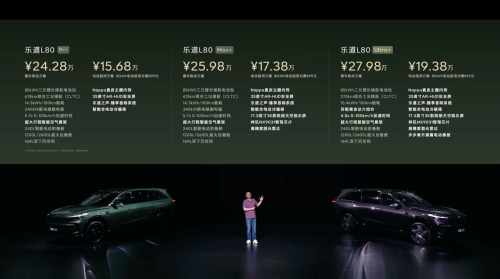
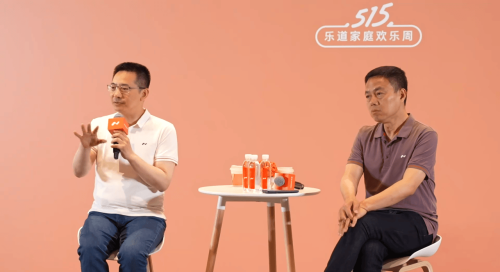
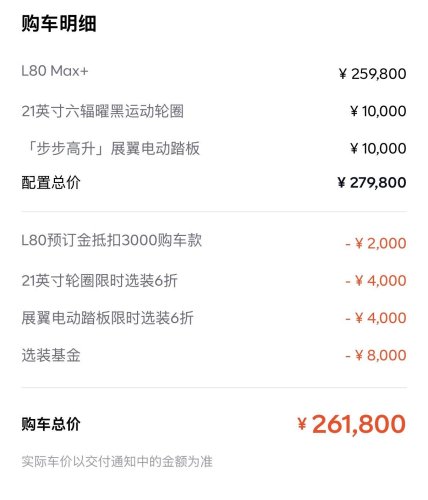
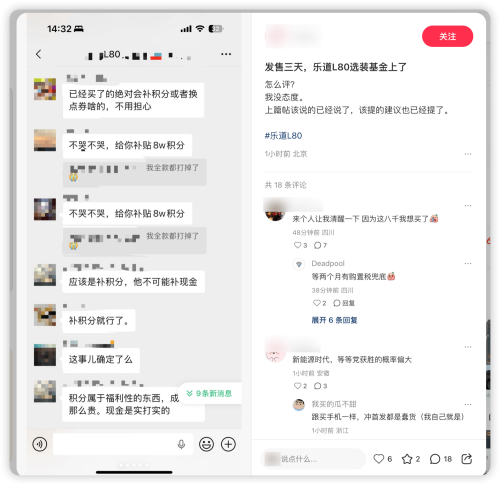
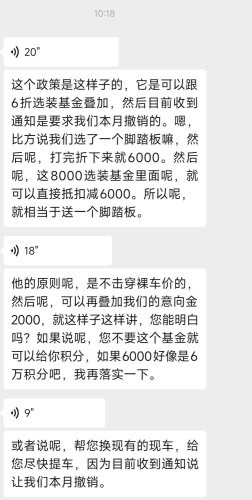
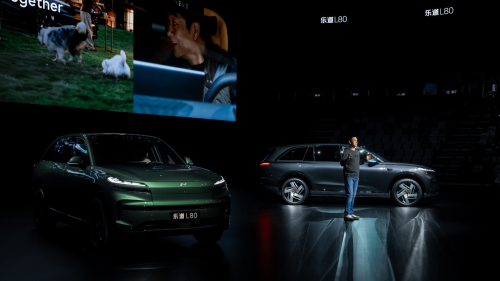
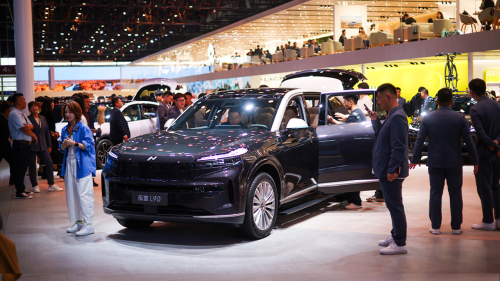




















Heading into May, the Chinese auto market is seeing a massive wave of new vehicle launches, and NIO is clearly picking up the pace. The ONVO L80 is already officially on the market, and the flagship ES9 pure EV SUV is locked in for a May 27 reveal. Dropping two heavyweight models within a single month highlights the sheer density of product releases in the industry right now. The ONVO L80 starts at 242.8K RMB ($35.6K). With the BaaS battery rental option, the entry barrier drops to just 156.8K RMB ($23.0K). This model is essentially a large 5-seat version built on the L90 framework, mirroring the core hardware and spec levels of its predecessor. Pricing reveal at the ONVO L80 launch event During the media Q&A following the launch, when pressed on the actual order book for the L80, ONVO President Shen Fei kept it brief, noting only that they were “tracking right in line with expectations.” Yet, during an earlier technical briefing, William Li publicly stated that early pre-order momentum for the L80 was actually outpacing the L90’s early days. Shen Fei and Qin Lihong at the ONVO L80 media Q&A The contrast between these two statements makes it hard to ignore a practical reality: the actual locked orders for the L80 likely fell short of internal targets. This is backed up by an internal sales memo that surfaced today. ONVO quietly rolled out a new subsidy policy for the L80: buyers who take delivery within this month will receive an 8K RMB ($1.1K) options fund. An L80 buyer receives the options subsidy notification Notably, this perk wasn’t announced through any official public channels. Instead, sales advisors notified existing reservation holders privately, one-on-one, emphasizing that the policy is strictly limited to this month. It is a practical step aimed at securing early order lock-ins and accelerating deliveries. Early ONVO L80 buyers expressing frustration on social media over the rushed options subsidy This quiet rollout has generated significant friction among early buyers. One L80 reservation holder told ChinaEV Home that his early order means his vehicle has already entered the production queue, pushing his delivery date to early June—completely disqualifying him from this 8K RMB options subsidy. Faced with this situation, the store provided only one workaround: the owner had to modify the original order and switch to existing showroom inventory to claim the perk. An ONVO sales advisor explaining the policy Since there were no option subsidies early on, the owner we interviewed had selected very few add-ons. Now, missing out on the new perks while later buyers get the subsidy, it effectively means spending more for less, creating a clear sense of imbalance and disappointment. In addition, the brand is uniformly issuing 80K points as compensation to users who have already taken delivery. This controversy over a makeshift subsidy exposes some obvious strategic gaps during the L80’s launch phase. Looking at most new car launches across the industry, there’s usually a noticeable gap between pre-sale pricing and the official sticker price, designed to give consumers a pricing surprise. The L80, however, saw a mere 3K RMB ($440) difference between the two, leaving almost no room for that kind of relief. Live shot from the ONVO L80 launch event Qin Lihong previously mentioned during a media Q&A that the brand refuses to play the typical marketing game of artificially inflating pre-sale prices just to slash them at launch, viewing such gimmicks as meaningless. However, an overly straightforward and pragmatic pricing strategy lacks the emotional peaks and valleys needed by the market, making it tough to generate organic buzz and putting the vehicle at a disadvantage in terms of early momentum. Beyond the lack of pricing surprises, the early pre-order perks were also quite thin, offering only a 2K RMB ($293) cash discount. Had they rolled out the 8K RMB options fund right at launch, combining it into a 10K RMB ($1.4K) tier perk package, the overall market reception and user goodwill would have been far better than this reactive, stopgap measure. Looking back at ONVO’s trajectory, the brand’s early days were shadowed by skepticism. It wasn’t until the L90 officially hit the market that the overall public narrative began to shift. ONVO L90 Relying on its rare positioning as a large pure EV SUV in its class, an accessible sub-300K RMB ($44.0K) price tag, NIO’s mature battery-swap network, and the low-barrier BaaS model, the L90 managed to hold the top sales spot in its segment for three consecutive months. Applied to the L80, the vehicle simply replicates the L90’s playbook of asymmetrical competition. Right now, there aren’t many large 5-seat pure EV SUVs that can directly compete with it on both size and price. On a pure product level, it remains highly competitive. ONVO L80 The issue ONVO faces today is not a lack of product strength. It’s that the overall launch planning was undercooked, and the formulation of user perks lacked long-term foresight. In an increasingly fierce market, relying on makeshift subsidies to drive short-term orders might temporarily boost transaction volume, but it’s the easiest way to alienate your most loyal early adopters, slowly eroding the goodwill and trust the brand has previously built up. How to balance the need for volume with brand reputation, secure the consumer experience for early buyers, and let the product’s actual advantages do the talking—that is the practical reality ONVO needs to sit down and figure out next.