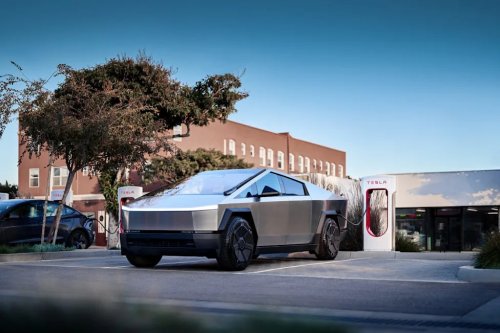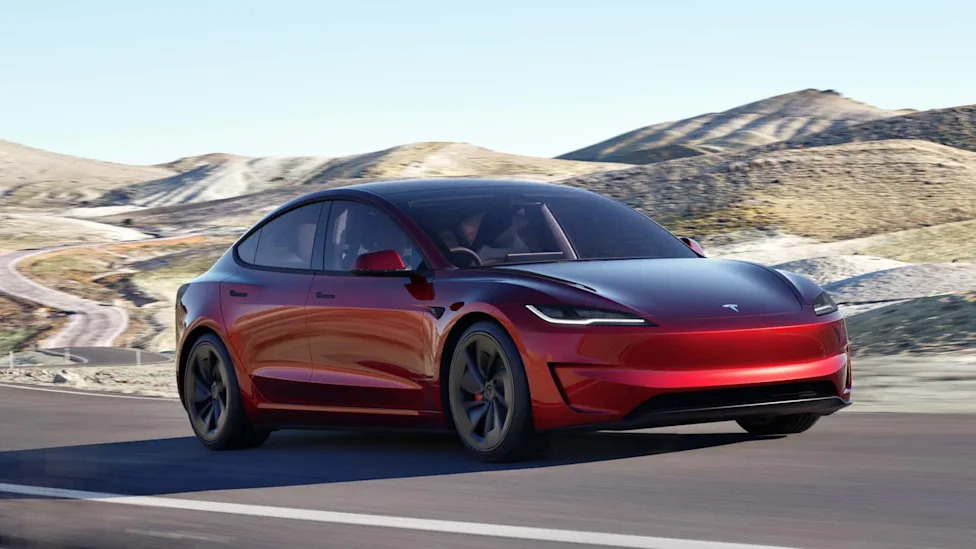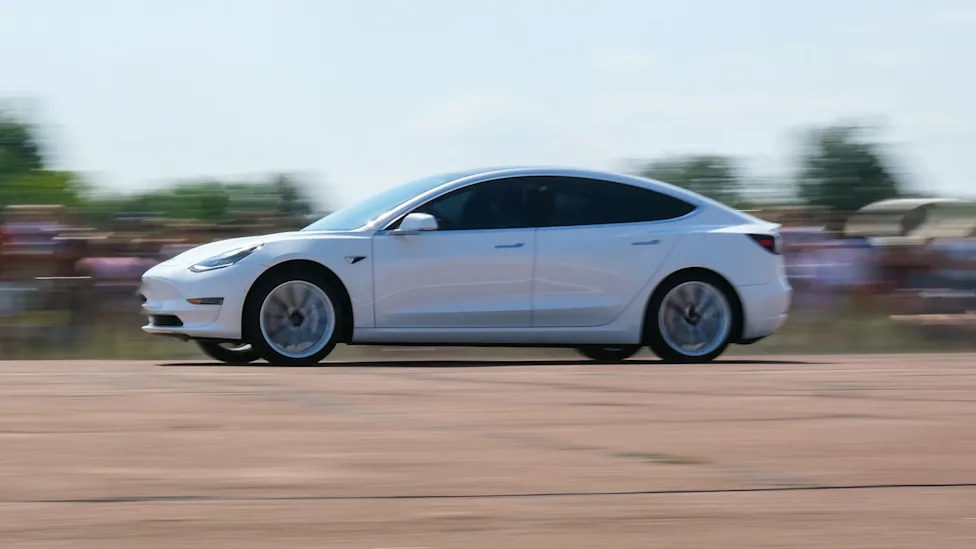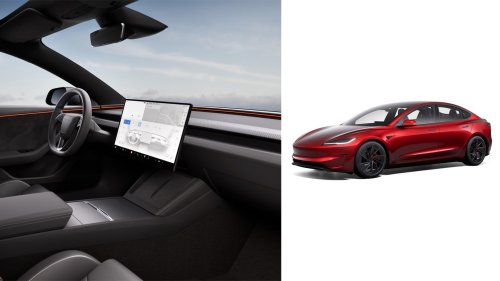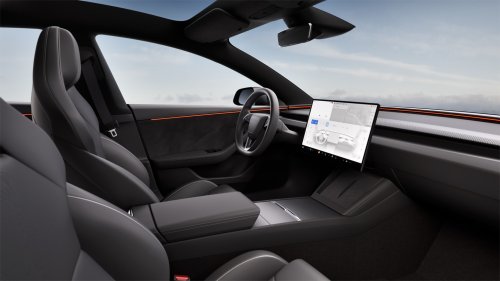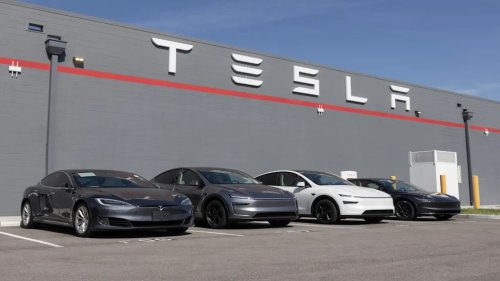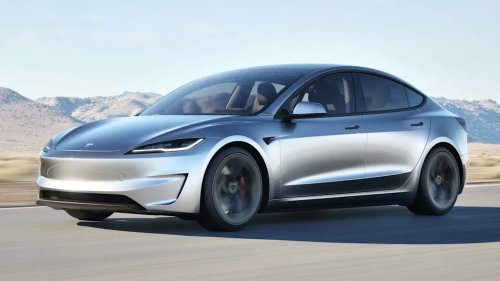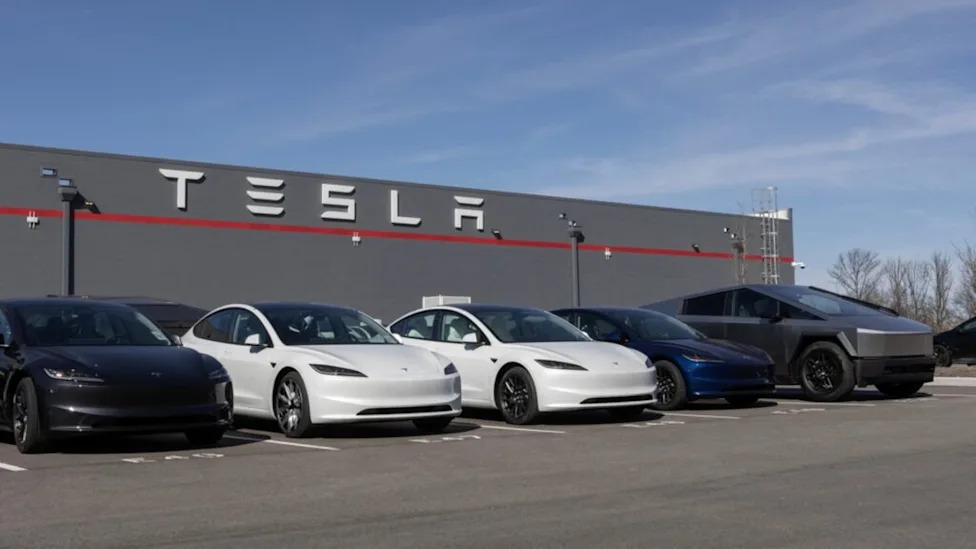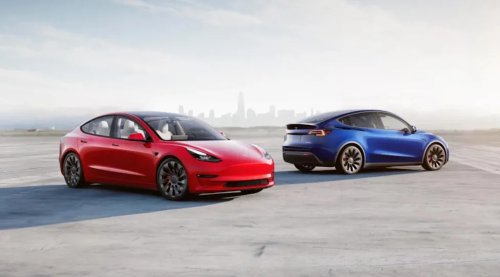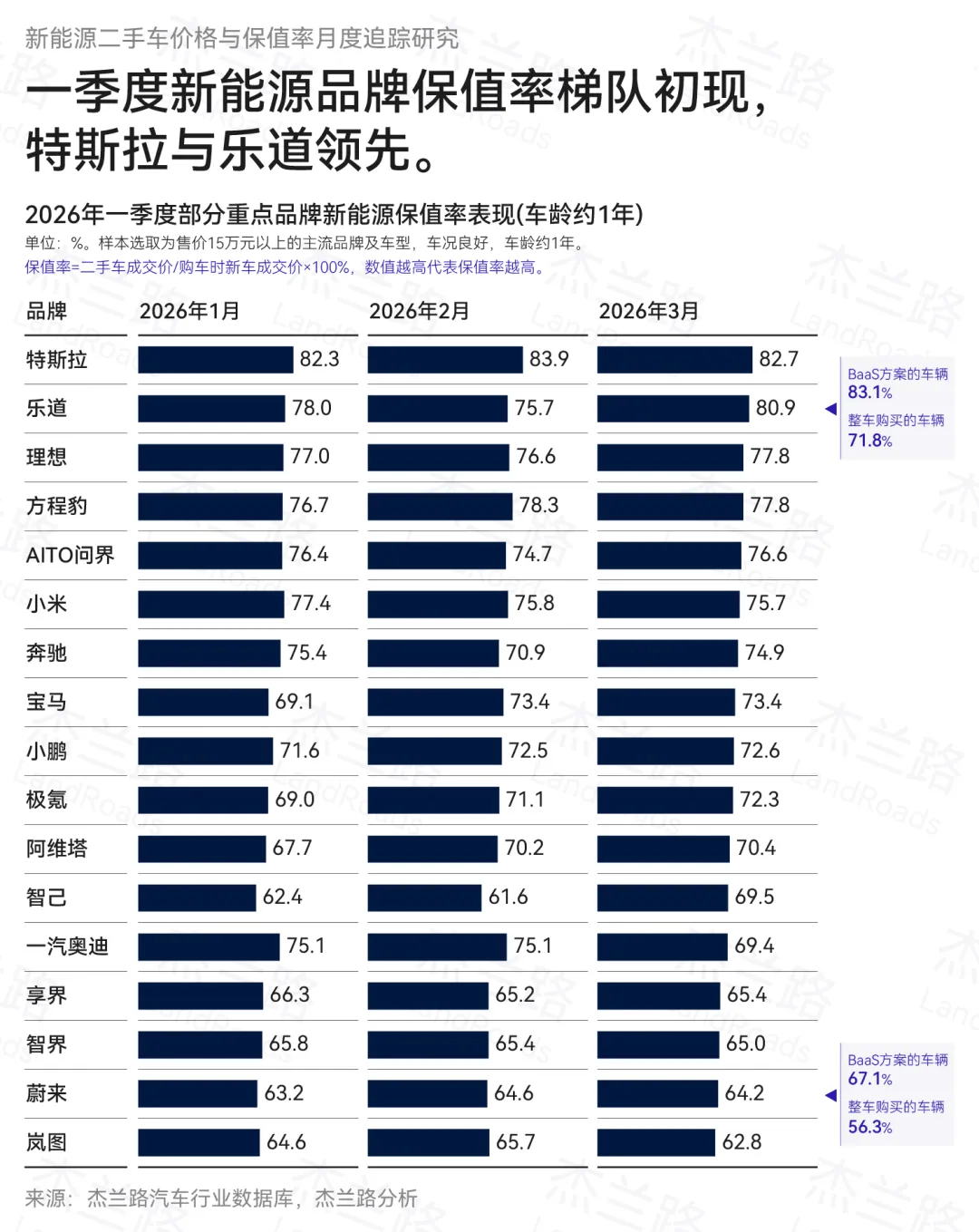
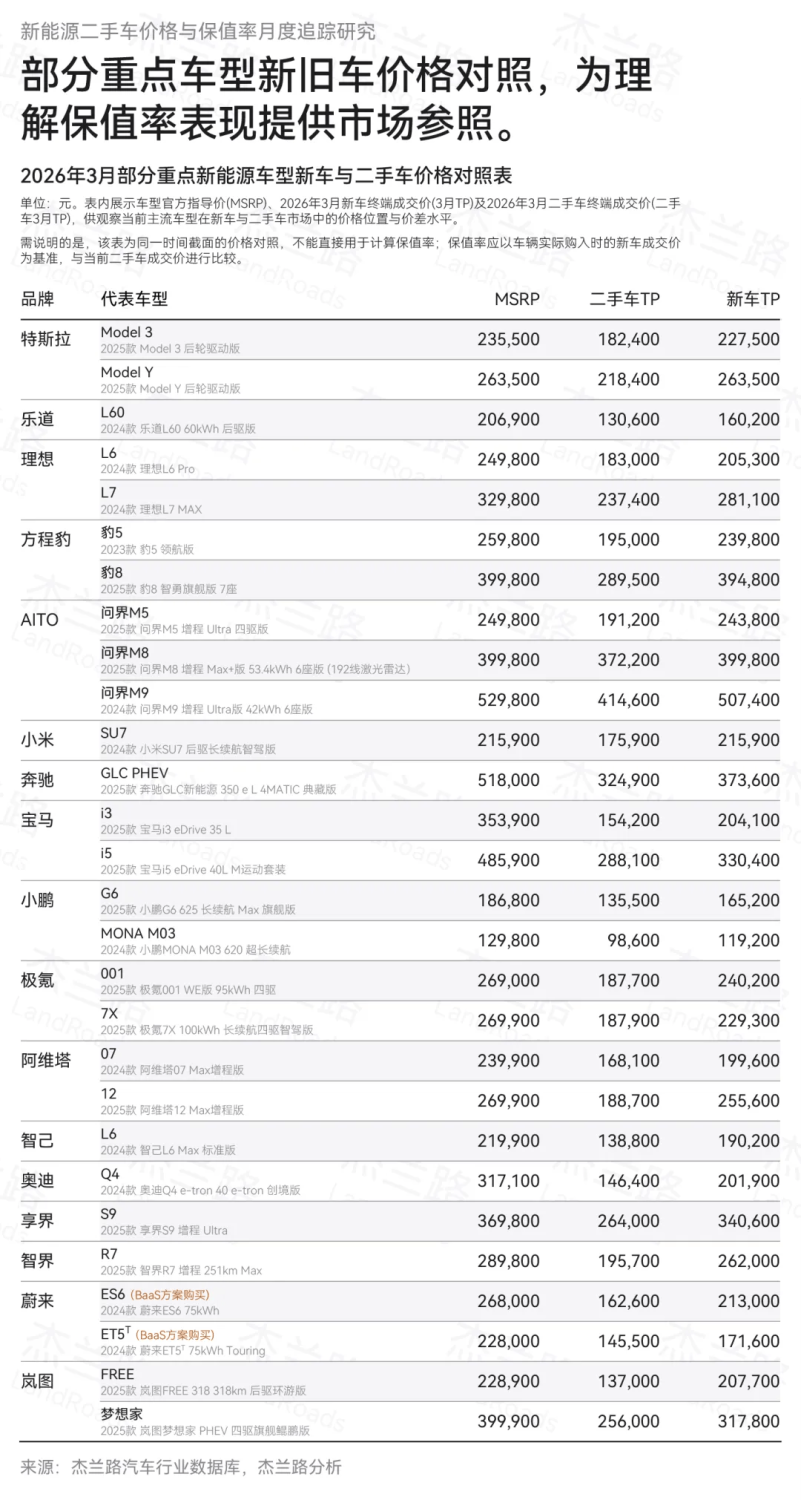
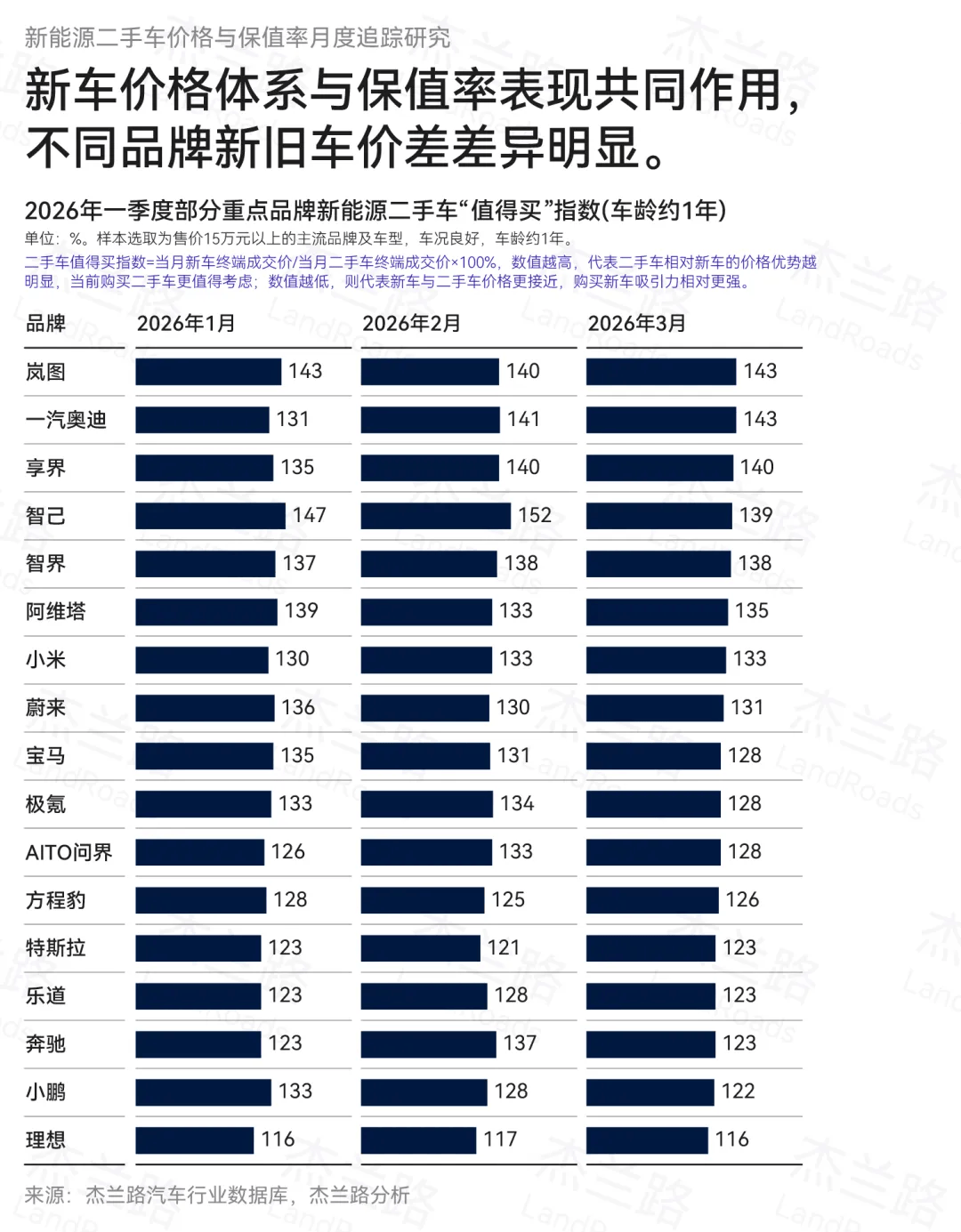



















On April 20, research firm LandRoads released its 2026 first-quarter report on residual values of new energy vehicle (NEV) brands. The study covers 17 mainstream brands, focusing on vehicles approximately one year old in good condition and priced above RMB 150,000 ($21,750). The report indicates that residual value structures in the NEV market are becoming increasingly stratified. According to the findings, Tesla ranks first among all brands, with a residual value of 82.7% in March and consistently above 80% throughout the quarter. China NEV Residual Value Rankings in Q1 Amid frequent price competition, maintaining such levels is largely attributed to strong brand recognition, a large installed base and a relatively mature resale ecosystem. ONVO ranks second, with a March residual value of 80.9%, primarily driven by the L60 model, as the L90 has been on sale for less than a year and lacks sufficient sample data. Under the battery-as-a-service (BaaS) model, the L60 achieves a residual value of 83.1%, significantly higher than 71.8% for non-BaaS vehicles. By separating the battery—typically the fastest-depreciating component—the volatility of overall vehicle residual value is reduced, and this mechanism is beginning to show tangible effects in the used-car market. However, NIO, which also adopts the BaaS model, does not exhibit comparable performance. Its March residual value stands at 64.2%. Prices of the those NEVs in this residual report The report notes that if new-car pricing fluctuates significantly and ownership benefits are not fully transferable in the secondary market, BaaS alone cannot fully offset downward pressure on residual values. From a tiering perspective, the gap between leading and mid-tier brands has widened. Brands such as Li Auto, Fangchengbao, AITO and Xiaomi fall into the top tier, generally maintaining residual values above 75% in March. Brands including Mercedes-Benz, BMW, XPeng and Zeekr cluster around the mid-range level of approximately 70%. At the lower end, brands such as Luxeed, Stelato and Voyah remain in a ramp-up phase, with relatively weaker residual performance due to limited market presence and brand recognition. China’s used-car “value-for-money” index ranking in Q1 Differences are also evident in the used-car “value-for-money” index. Brands such as Li Auto, Tesla and ONVO have lower scores, indicating a smaller price gap between new and used vehicles, making new cars relatively more attractive. In contrast, brands such as Voyah, Audi and IM Motors show index levels around 140% or higher, suggesting that used-car prices have declined significantly, offering greater pricing advantages over new vehicles. Overall, NEV residual values are increasingly shaped not only by brand strength but also by pricing strategies and underlying technology structures.