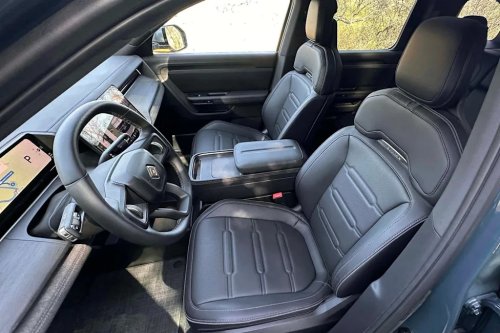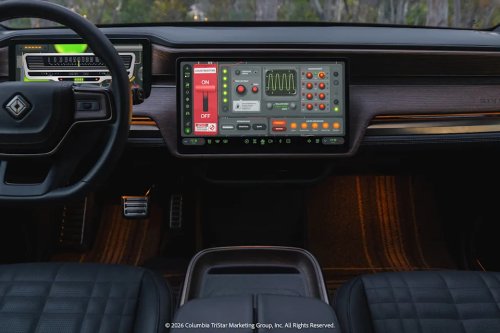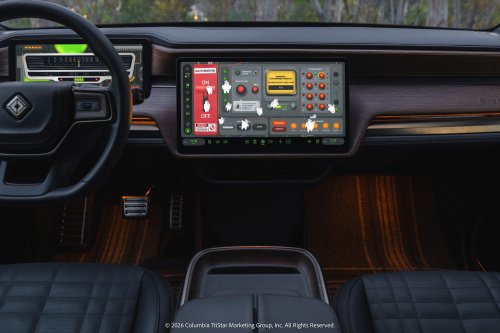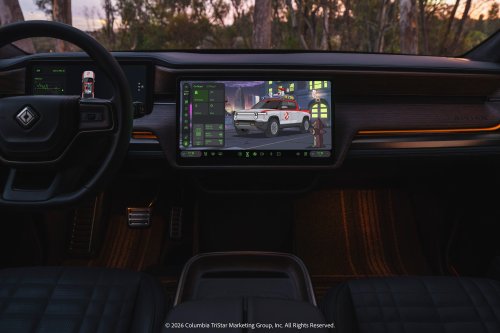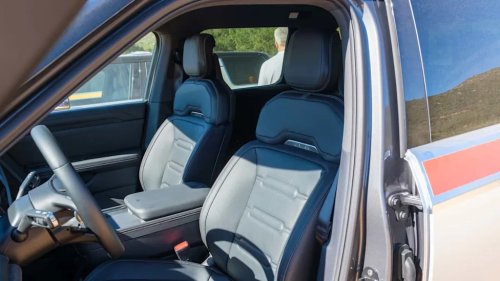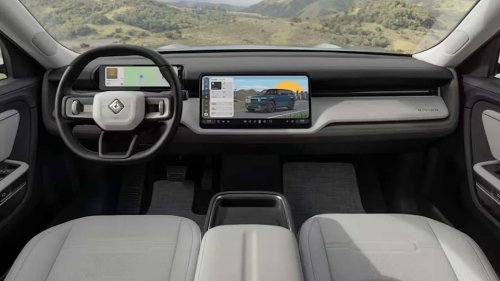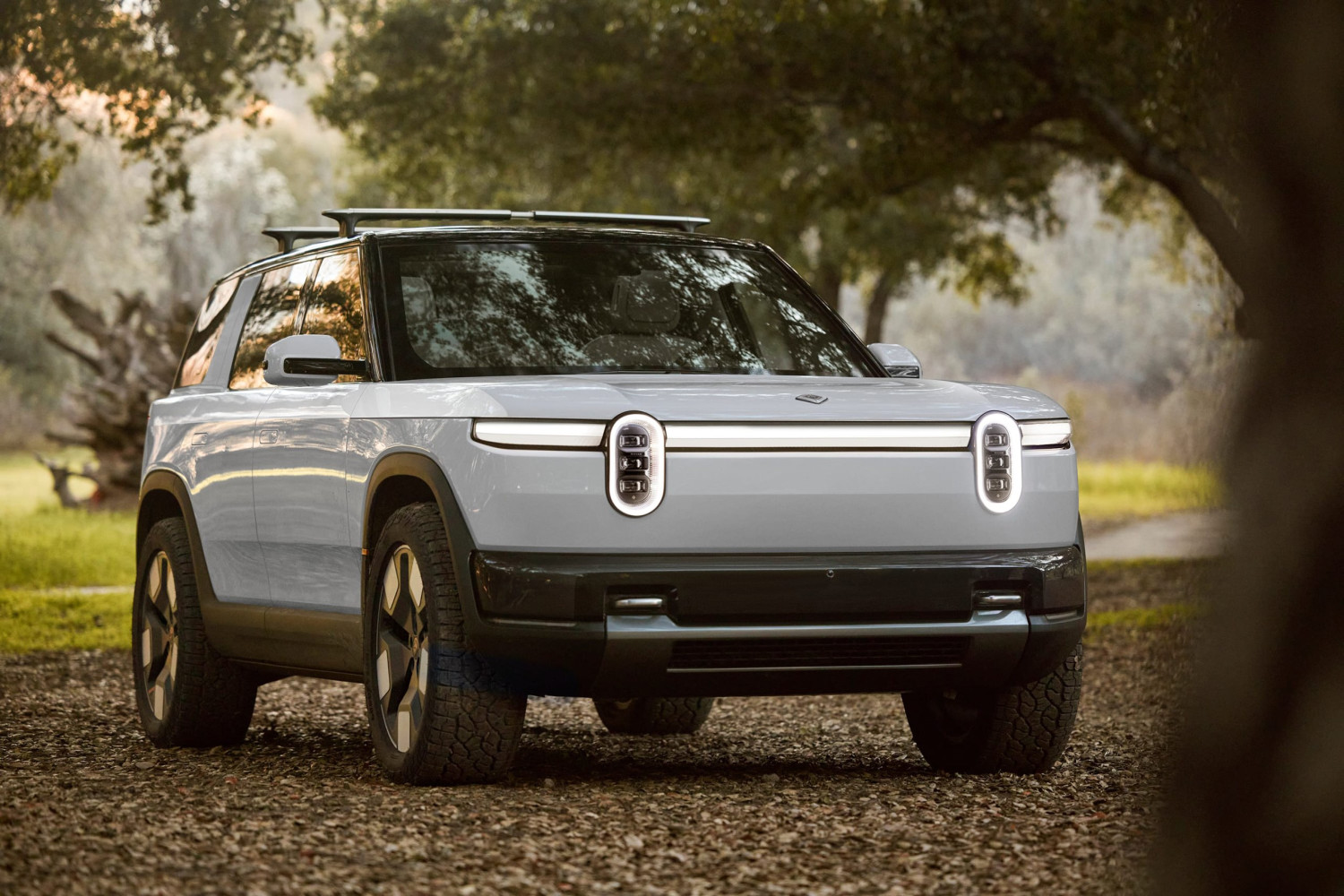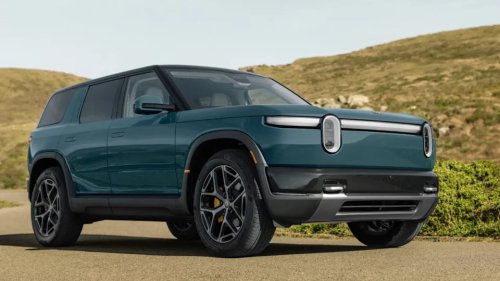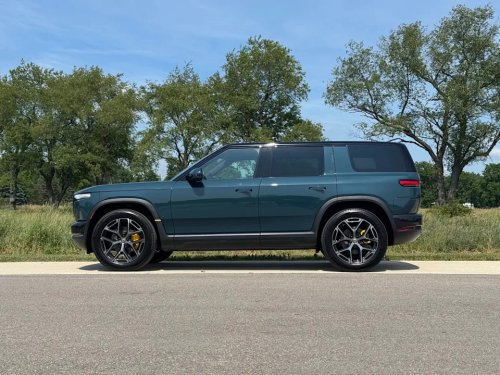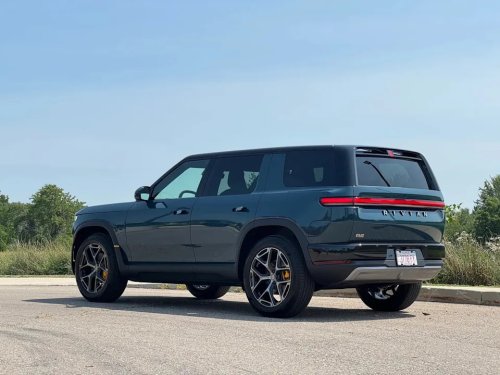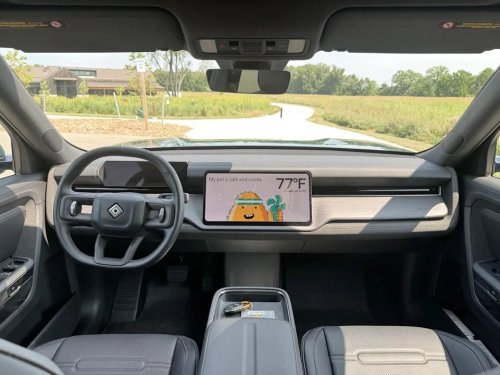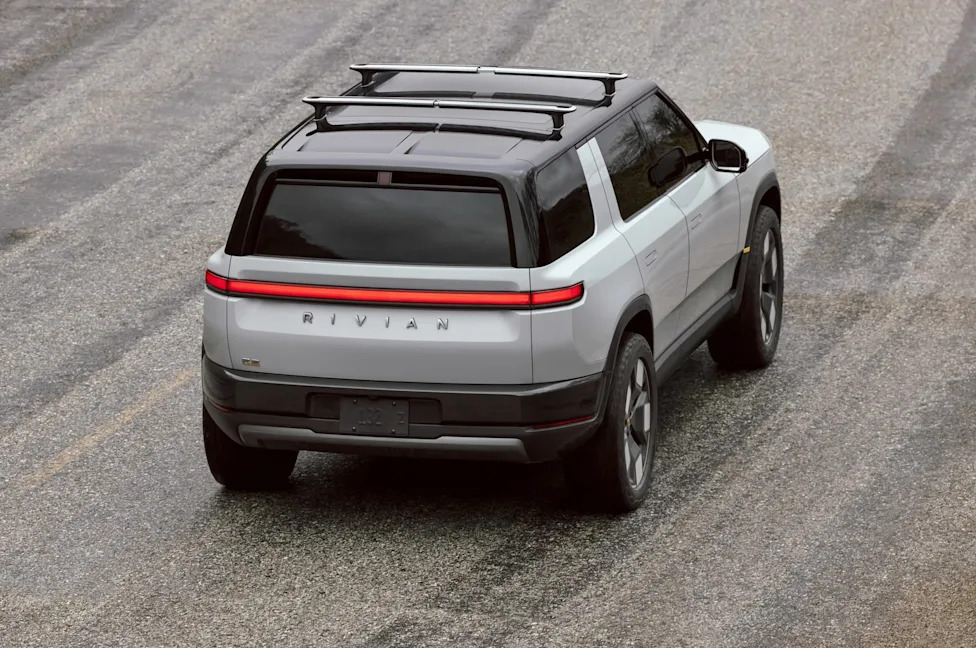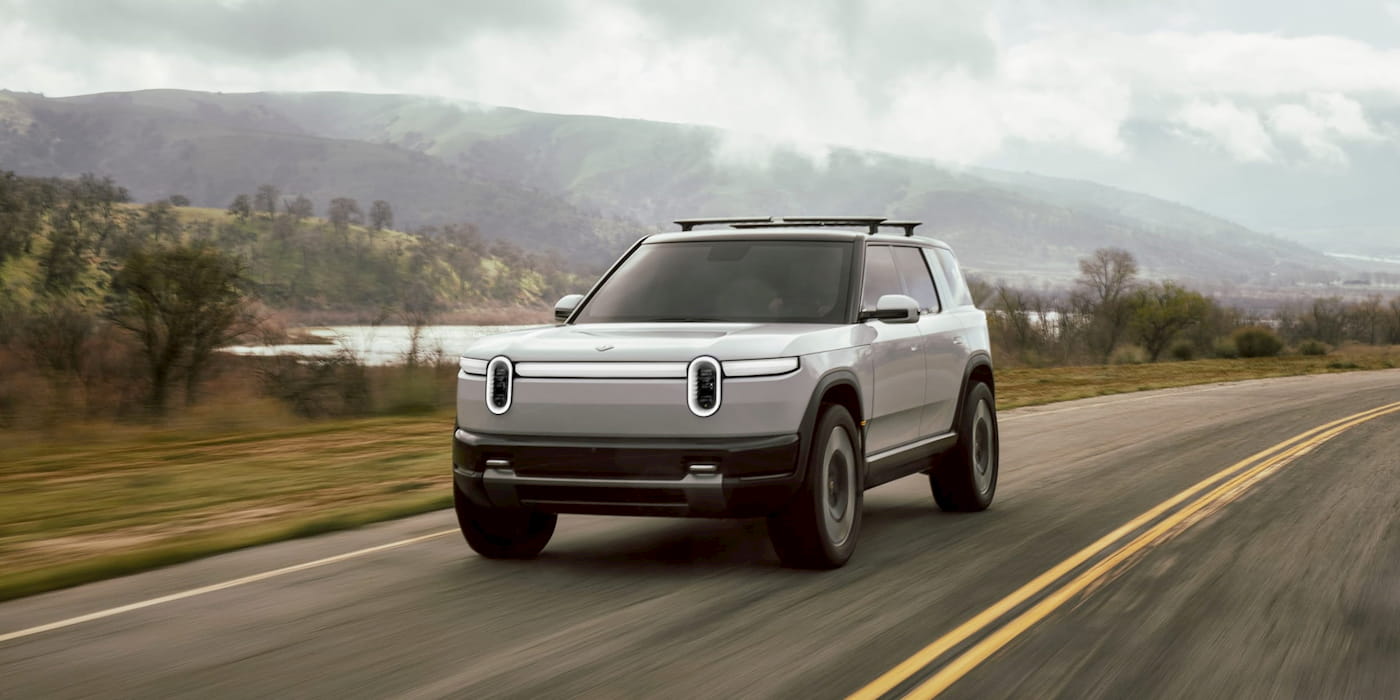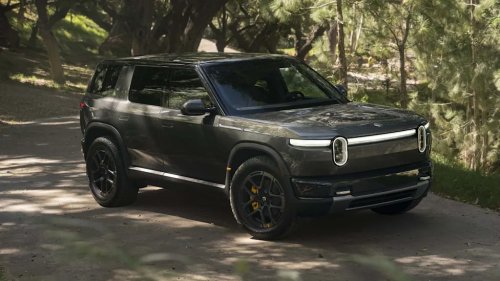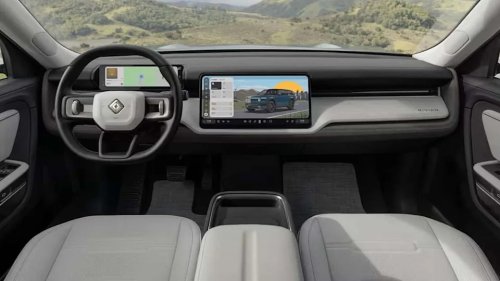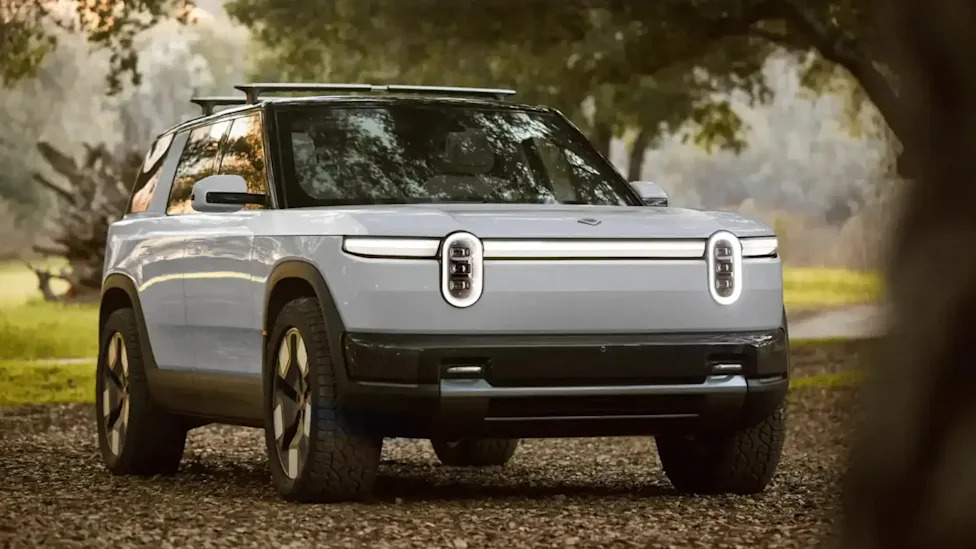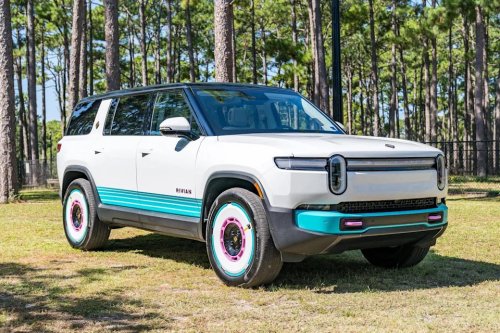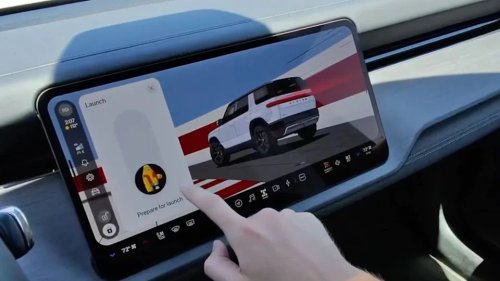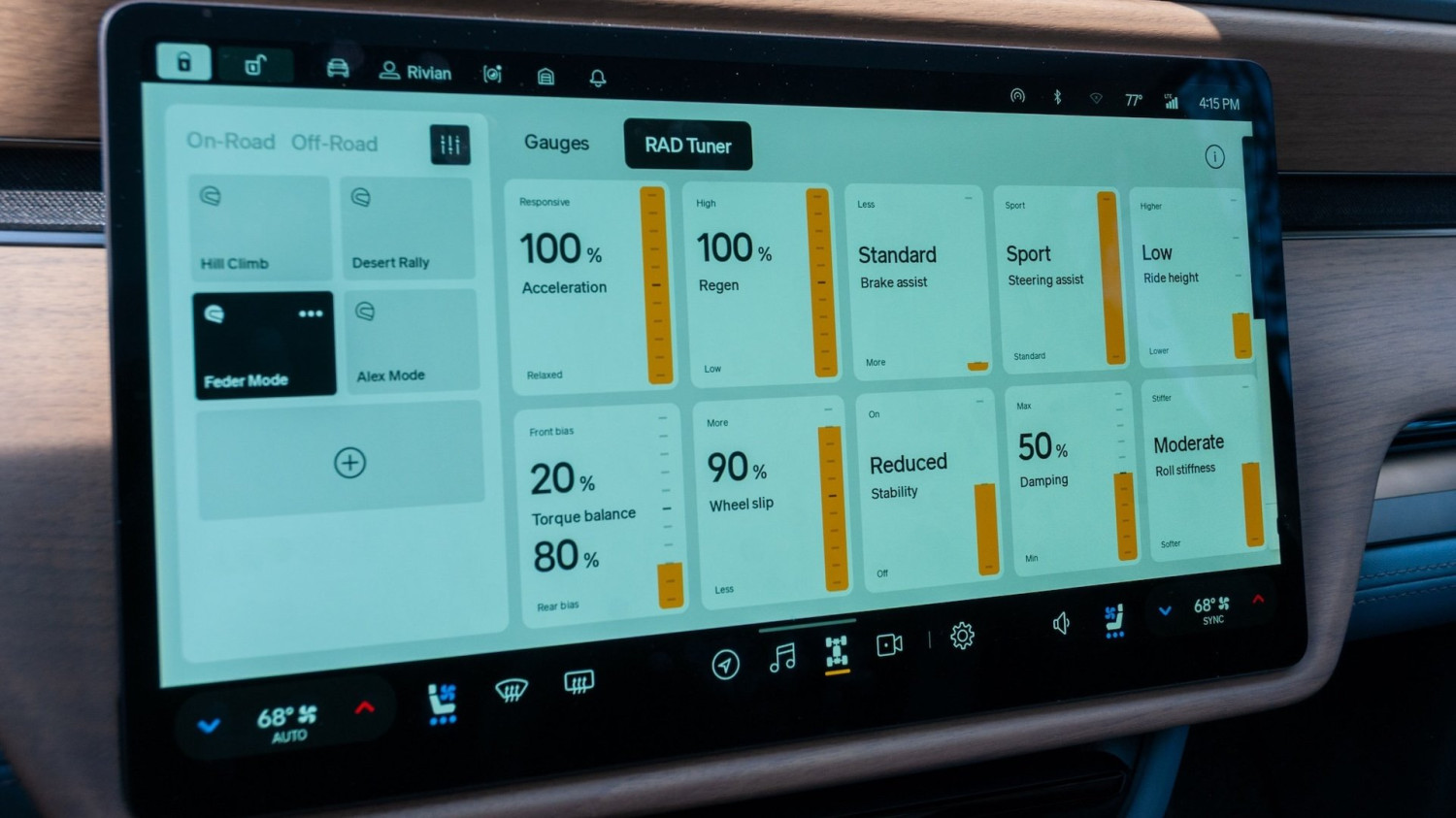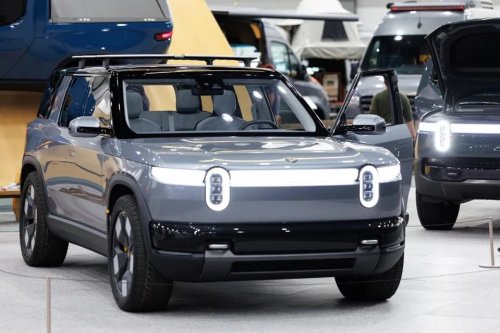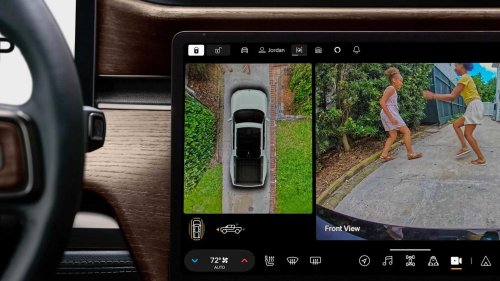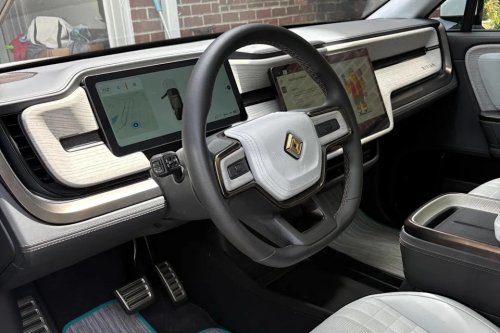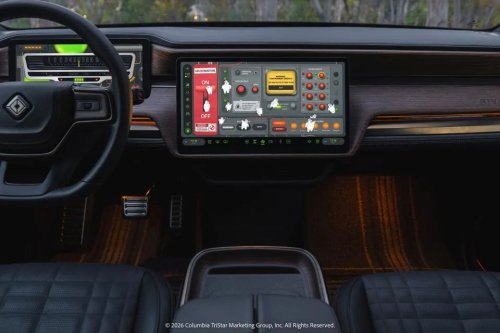


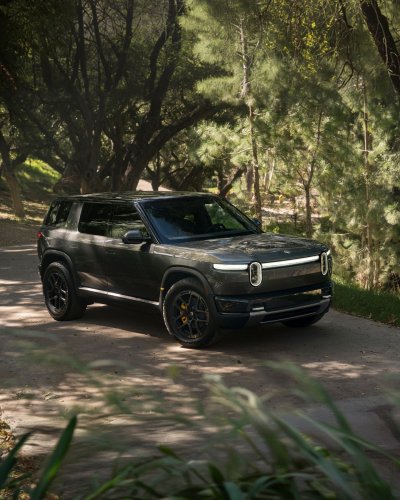



















The EV maker says voice control will be the primary interface for new vehicles. Owners of the Rivian R2 will be able to tweak fan speed through the steering wheel. Rivian started rolling out its new AI-powered Assistant for the R1 models last month. Some car manufacturers have caved to demand from buyers to bring back physical buttons, including VW, Audi, Mercedes-Benz, and Hyundai. Rivian doesn’t seem interested in following suit, declaring that its advanced AI-driven voice assistant system is a better way to control a vehicle’s functions. While recently speaking with Rivian’s chief software officer, and the co-CEO of the Rivian and VW joint venture, Wassym Bensaid, The Verge dived head-first into the new Rivian Assistant, introduced to existing R1 models in mid-May. It’s built on a shared, multimodal AI foundation and can control core vehicle functions, including HVAC. Read: For $50 A Month, Rivian Will Make You A Passenger In Your Own EV Existing Rivian R1 models, as well as the new R2, are largely devoid of physical buttons, and given the brand’s commitment to its new assistant, it doesn’t appear as though this will change. “I deeply believe that voice has the chance to be the primary interface in the car,” Bensaid told The Verge. “I also think that buttons can exist, but they shouldn’t be the primary way with which you interact with the car. I think there’s more that is possible with voice since you can do more than one single function. You don’t have to fiddle with so many functions.” Are Scroll Wheels The Solution? “You don’t have to go deep into the touchscreen to look into specific features. A great voice experience can elevate all of that, allow users to talk to the car as a human would, and really take the overall experience to the next level,” he added. Bensaid went on to note that in the R2, there are no traditional HVAC buttons; instead, the large scroll wheels on the steering wheel can be used to adjust settings like fan speed on the fly. While not quite a button, they do seem like a better solution than tapping on a small icon on the touchscreen to tweak the fan speed. Scroll wheels on the Rivian R2’s steering wheel According to Rivian, “the only reason that drivers and consumers do not interact with the car through voice is that, to put it really bluntly, the technology has been broken,” up until this point. A key difference between Rivian’s Assistant and those of competitors is that it uses its own Android-based infotainment system, which doesn’t offer support for Android Auto or Apple CarPlay, so the AI-assistant works seamlessly regardless of what screen is displayed. Rivian also notes that it provides a more conversational approach than traditional voice assistant systems. For example, you don’t have to say “Open the frunk,” and can instead say “I have a bag in the front of the car,” and the system will automatically open the frunk. It all sounds rather nice, but we’d still prefer some physical buttons. What about you?