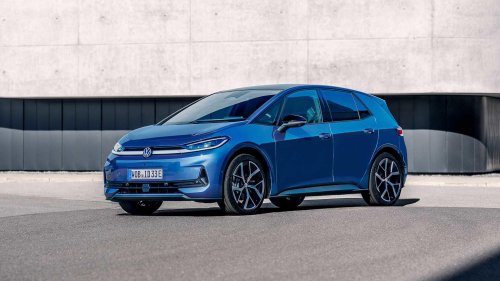
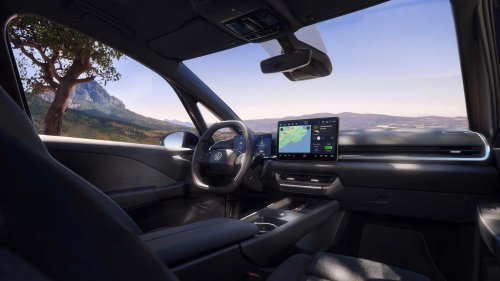
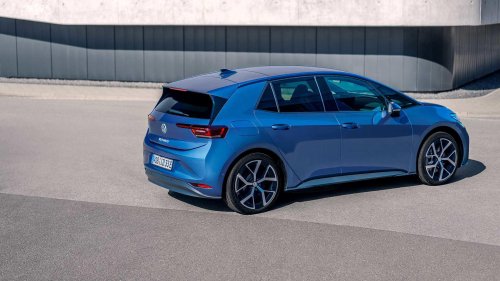
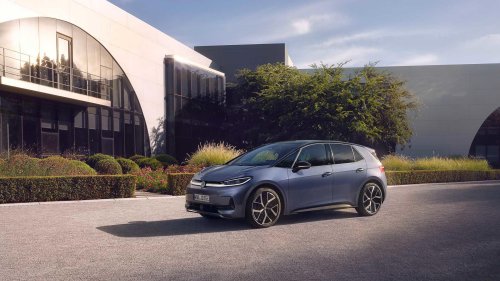
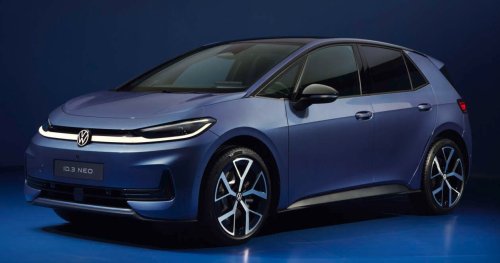
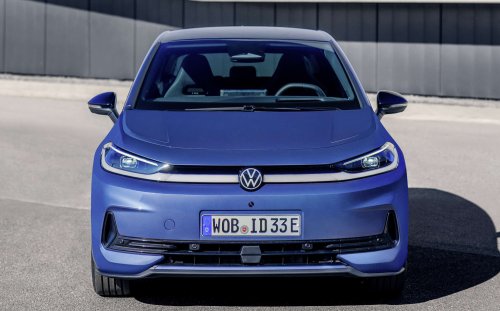
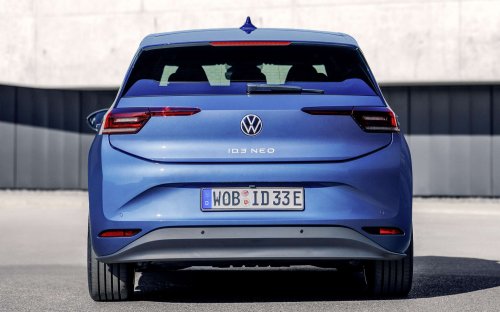
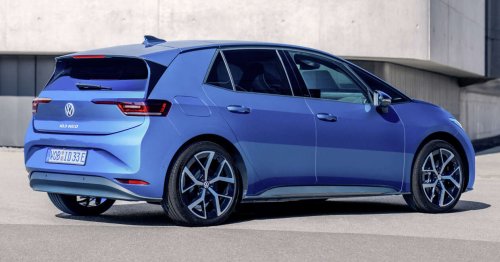
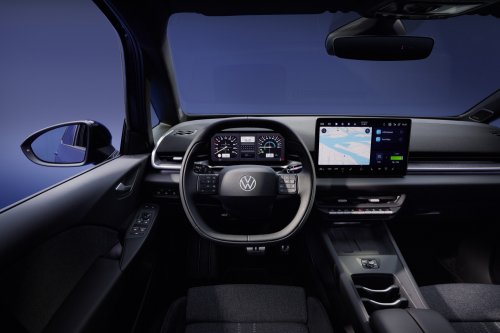
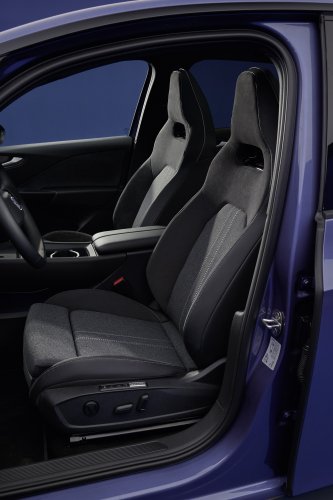
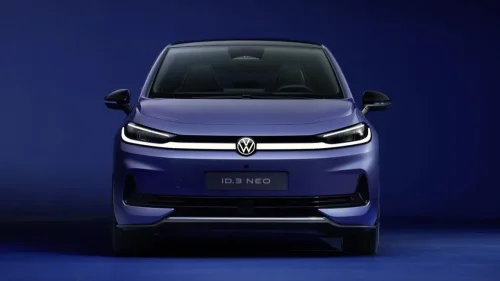
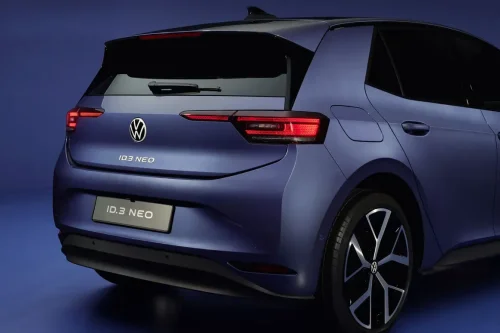
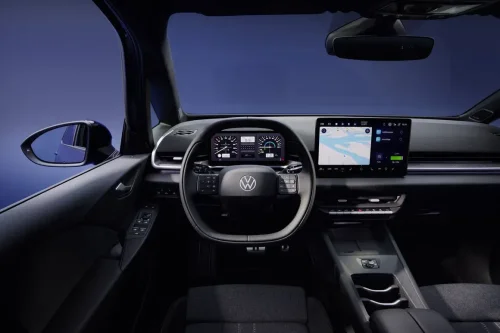
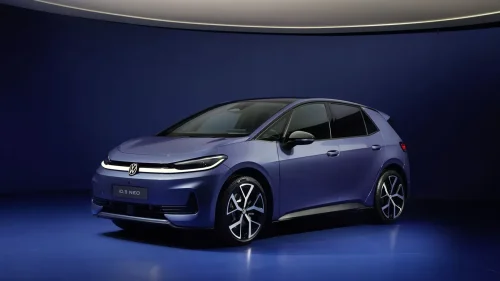
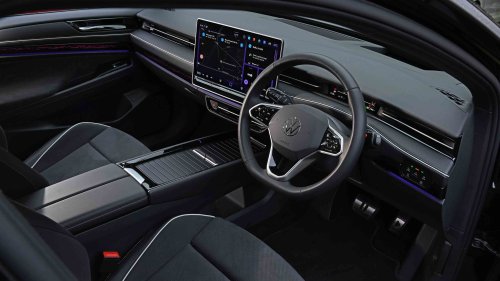
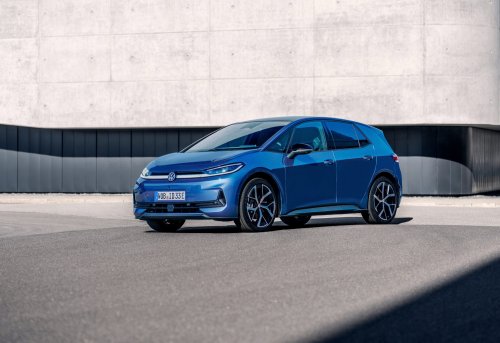
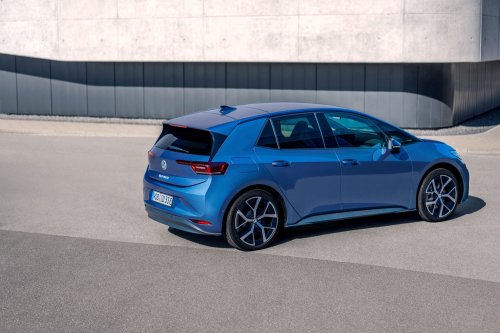
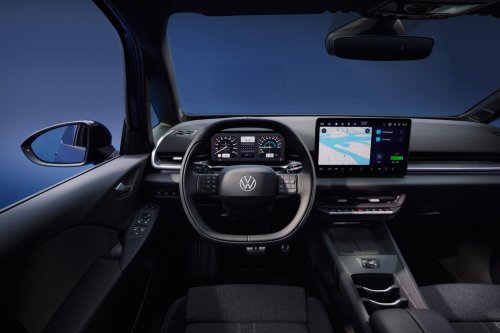
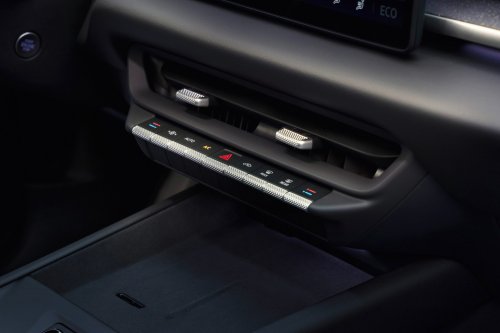
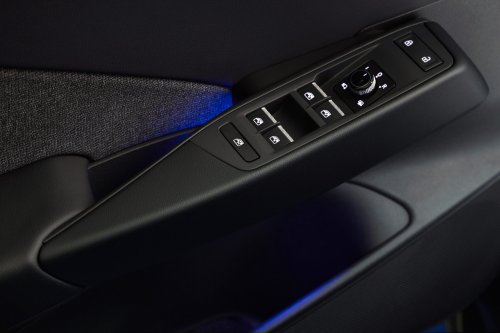
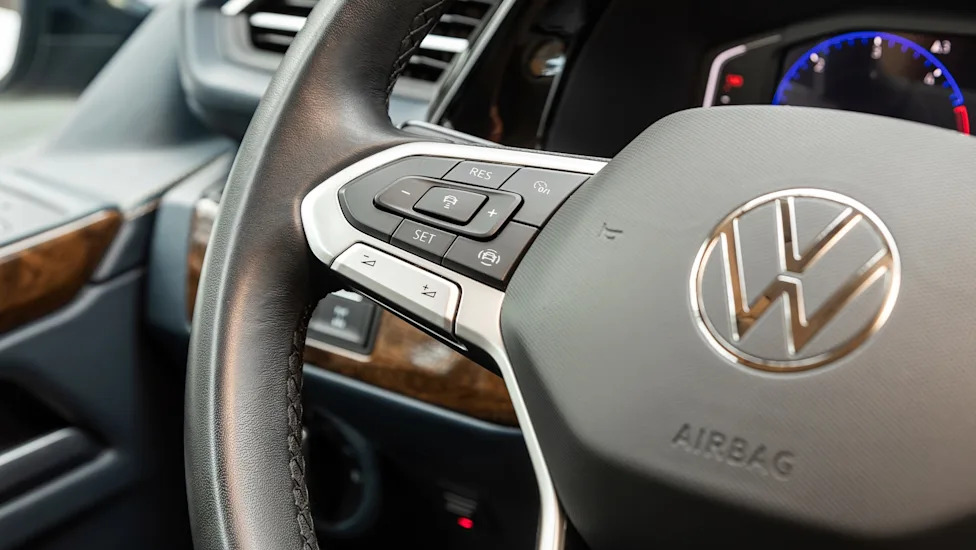
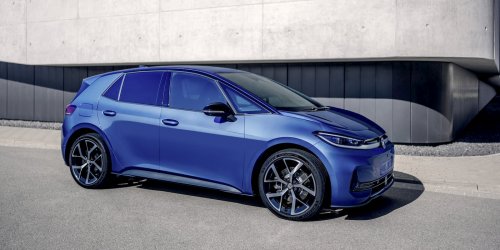
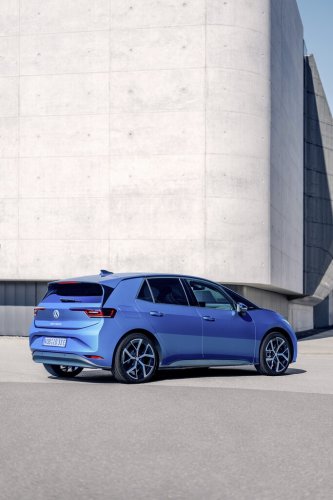
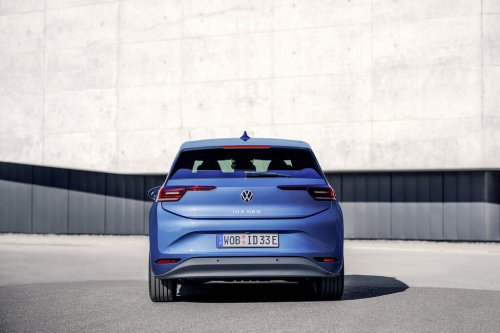
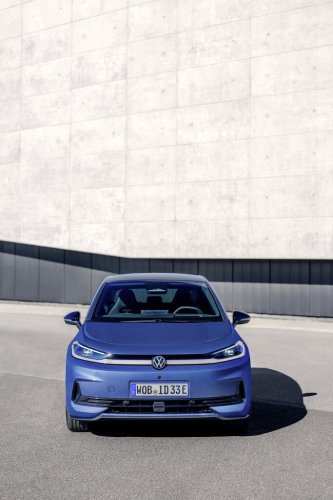
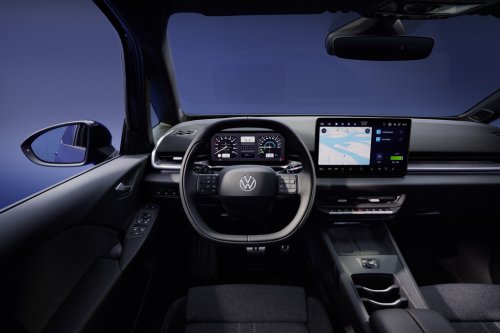
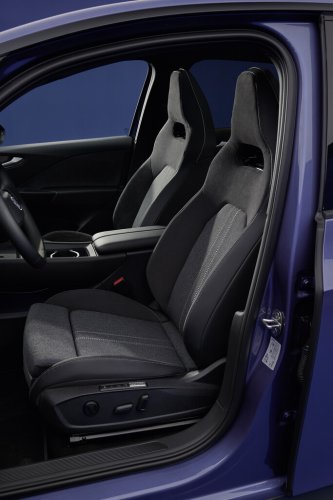
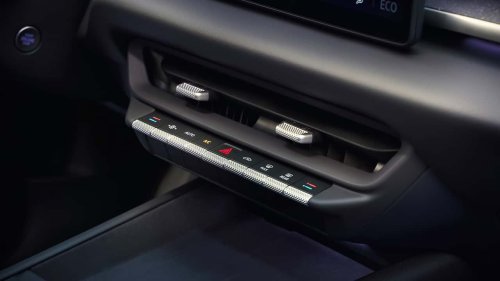
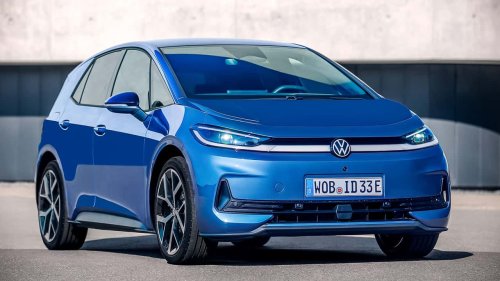
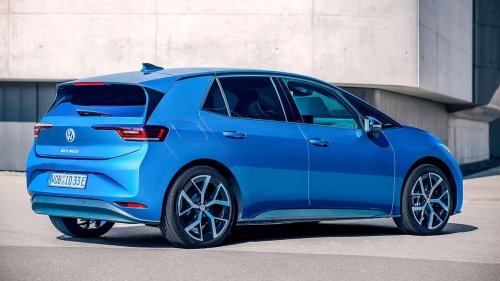
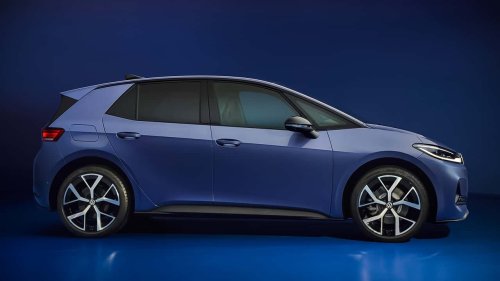
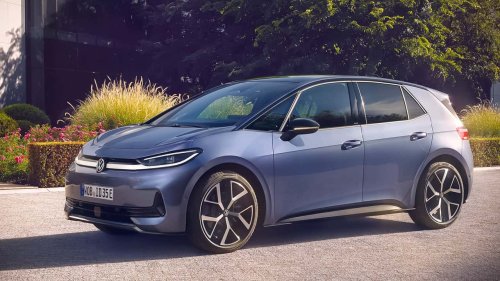
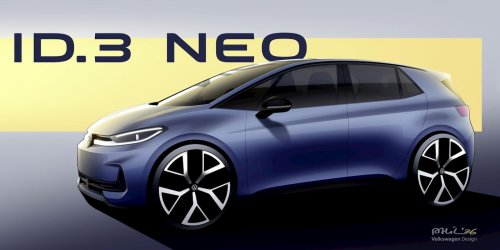
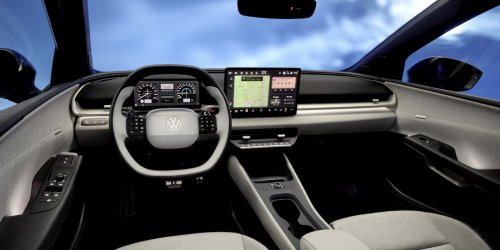
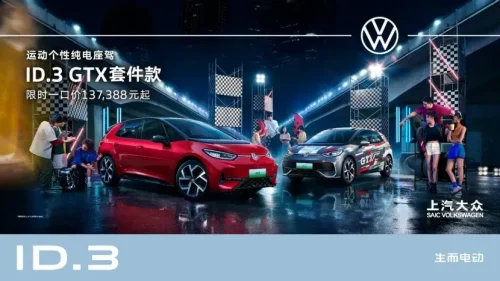
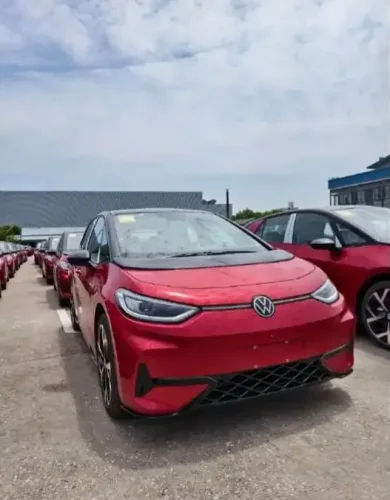
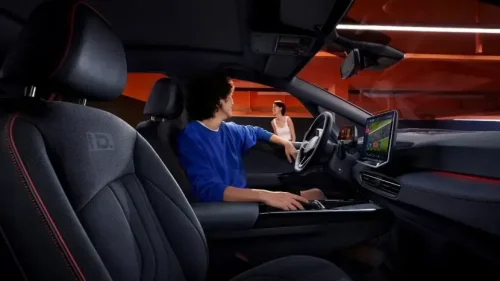
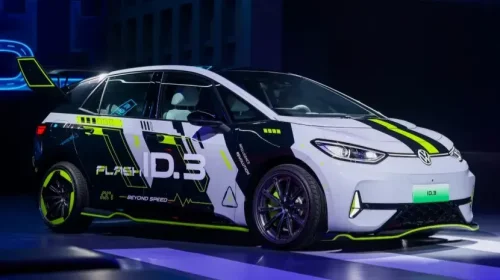
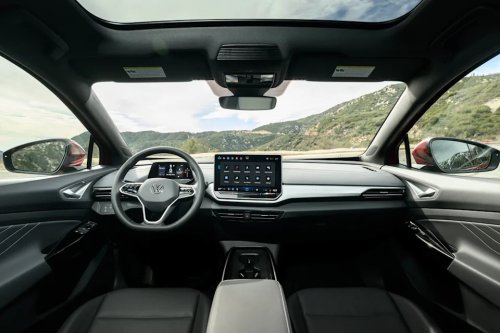
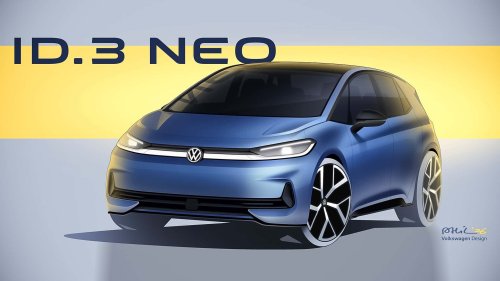
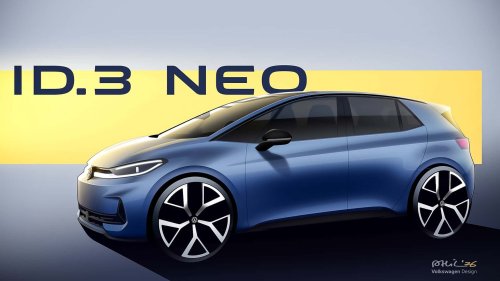
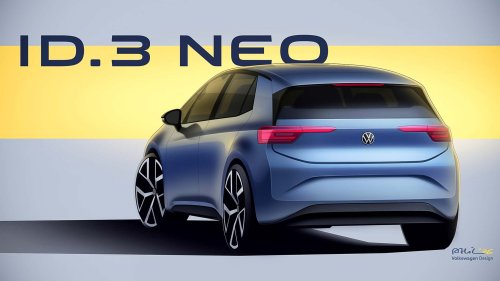
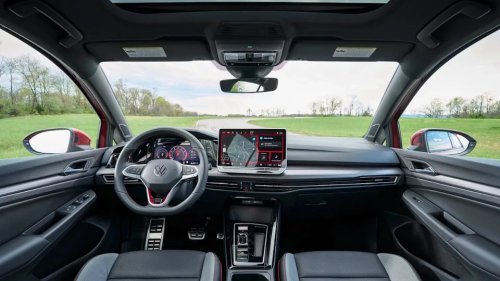
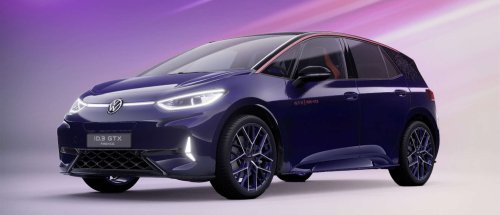
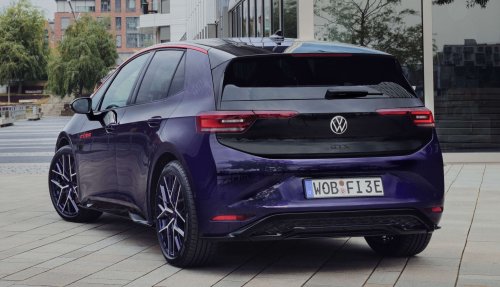
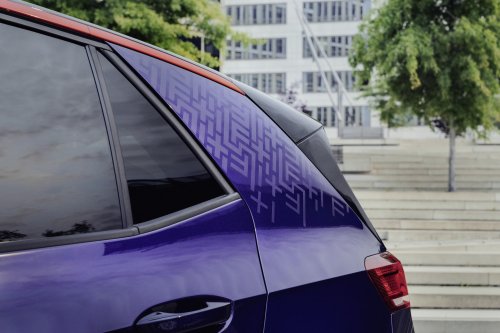
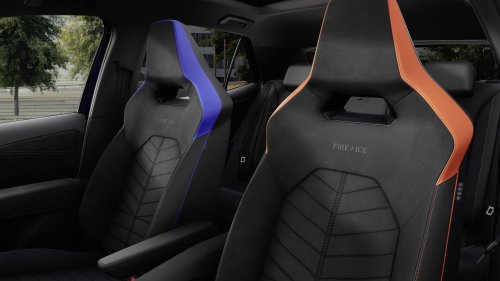
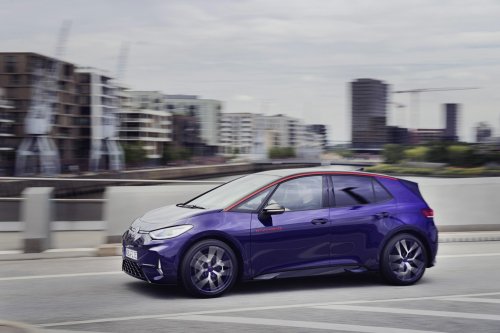
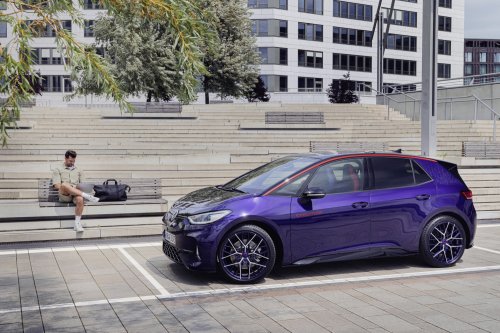
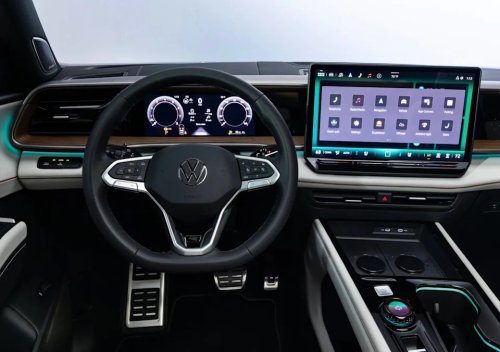
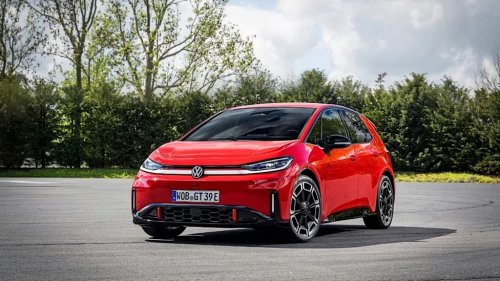
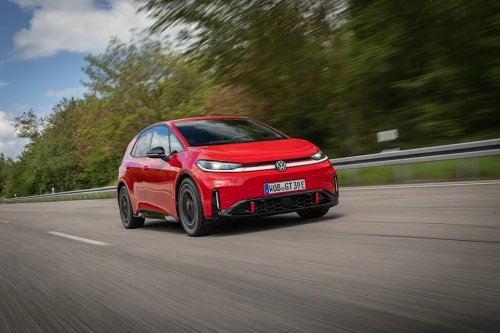
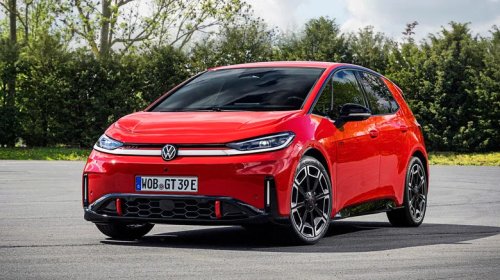
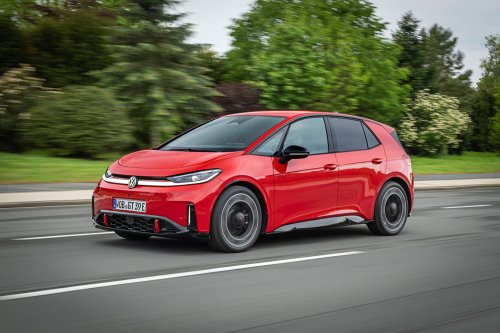
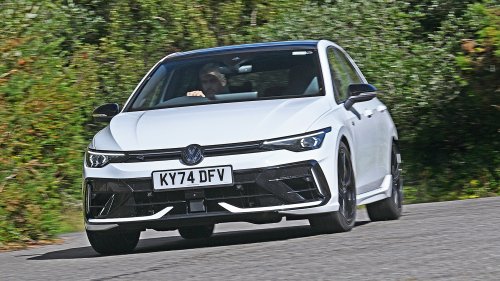
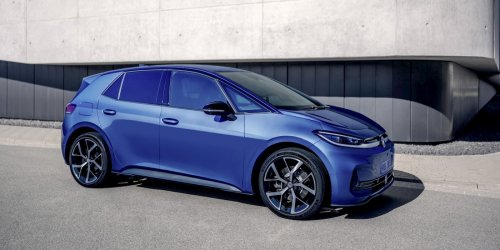
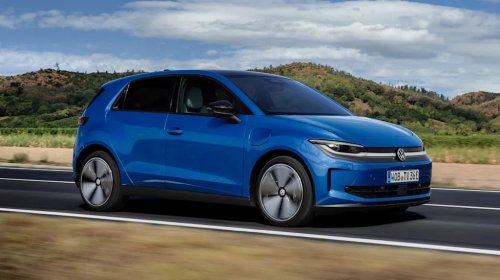
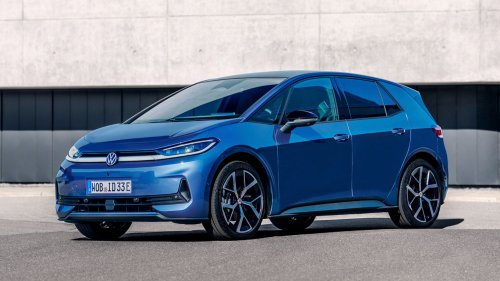
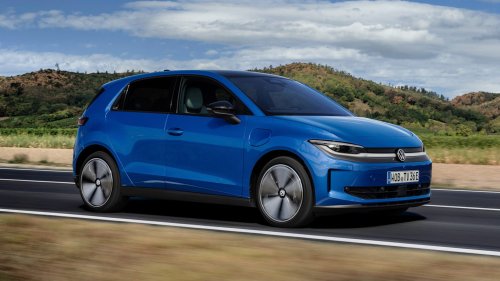
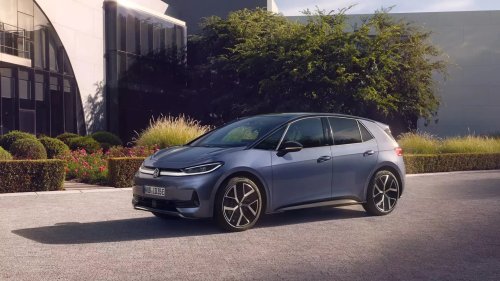
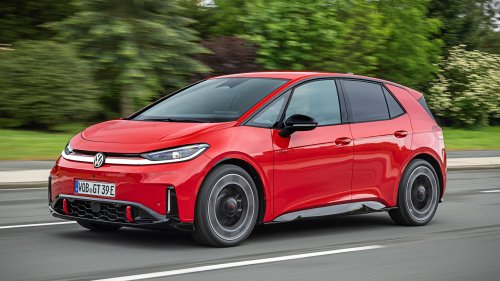
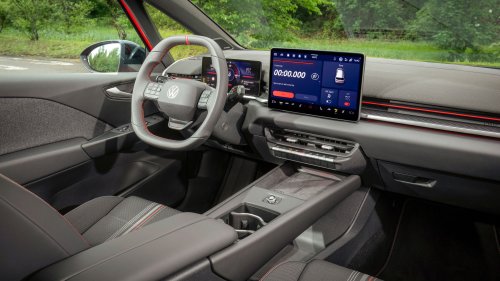
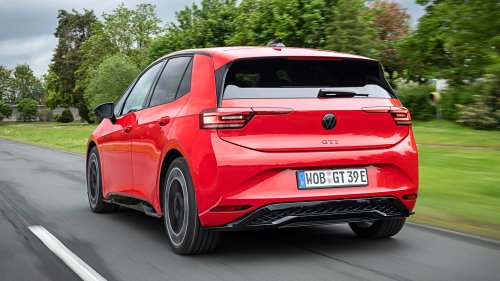
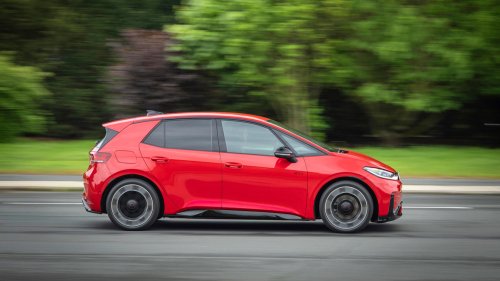
20Volkswagen’s most powerful GTI yet has been revealed, but it might not be in the form you quite expect. Producing an impressive 322bhp, driven by the rear wheels no less, the new Volkswagen ID.3 GTI will give the iconic nameplate some serious firepower when it hits the road in spring 2027. The ID.3 GTI builds on the heavily improved package of the new ID.3 Neo, which itself introduces some fundamental changes to the styling, interior and technology of VW’s electric hatchback. For its transformation into a hot hatch, though, the new model has dug into the GTI playbook, with plenty of red highlights, honeycomb grilles and a new 20-inch wheel design. However, look closely and you’ll see lots of ID.3-specific elements that should help turn the sometimes awkward-looking hatch into something more dynamically capable. These include new side sills and a redesigned rear bumper insert to help it look lower and wider, while the body-coloured roof and boot panel – the latter only recently available on the ID.3 Neo – disguise some of the styling cues that didn’t seem to resonate with customers first time around. 20The cabin has its own upgrades, including red piping and tartan-like fabric on the seat inners, plus a chunky new steering wheel with a dedicated GTI button. These all sit within the new ID.3 Neo’s heavily revised interior, which rights many of the wrongs of the original. This includes the introduction of a generous centre console, plus upgrades to the cabin’s materials and finishes. Many of the touch-sensitive controls have been replaced with physical buttons, including those for the air-conditioning and media, making each interaction a more tactile experience. This is backed up by two more substantial displays – one 10.9-inch unit in front of the driver, plus a 12.9-inch touchscreen with a near 4:3 ratio. This gives the main screen plenty of digital real-estate, greater functionality and a more premium air compared to mainstream rivals. VW says these screens aren’t only bigger, but also faster to respond and more intelligently laid out, too. Within both of the screens there’s plenty of unique GTI content, including unique ‘performance’ views for the driver display, while the standard ID.3 Neo’s ‘Retro’ mode is also still available. This mimics the physical dial pack of an original Mk1 Golf from the late seventies. 20VW has done a thorough job of giving the ID.3 a GTI flavour, but its technical layout will offer quite a different experience. Mounted on the rear axle is a high-powered electric motor capable of producing 322bhp and 545Nm of torque. This puts it just above the most powerful GTI ever launched by the brand – the existing Golf GTI Edition 50 – although only by a somewhat negligible 0.5bhp. The instant performance of this electric motor – plus a set of wider 235-section rear tyres – helps the ID.3 GTI deliver a 0-62mph sprint of 5.6 seconds, but the extra weight of the car and its batteries means this figure is just behind the Edition 50’s time by 0.3 seconds. To preserve battery range, top speed is capped at 124mph. VW’s 79kWh battery pack is the sole option, and should help the GTI achieve around 372 miles on the WLTP range cycle if driven sensibly. Charging speeds are also reasonable, if not class-leading, with a 183kW peak DC rate allowing a 0-80 per cent top-up in around 29 minutes. Many of these figures are shared with other VW Group models on the ID.3’s MEB architecture, such as the top-spec Cupra Born VZ and the ID.3 GTX that was sold previously. However, with help from a new GTI mode, VW is adamant this new model will strike more of a chord with customers. This system will turn every dynamic element of the car to maximum attack, including the e-motor, steering and adaptive dampers. There’s also a new launch control mode, while the cabin’s clever ID.Light will also flash red, alongside all of the car’s background lighting. The brand adds that it has been working tirelessly to give its ID models more of a familiar ‘VW feel’ to their handling and steering. 20However, what could prove to be the game-changer in terms of engaging dynamics may well be the introduction of a simulated engine sound pumped through the speakers. As is also the case in the new ID.Polo GTI, there isn’t an option to change virtual gears through steering wheel paddles, but the soundtrack should go some way to adding a bit of engagement to the driving experience – something that’s becoming increasingly popular among high-performance BEVs. Yet the most compelling reason to consider a new ID.3 GTI might not come from VW at all, but to avoid the increasing tax burden on petrol-powered performance cars. Traditionally, the Golf GTI enjoyed strong sales due to the fact it provided an attainable high-performance package that kept running costs low. In an era of increasingly expensive fuel, the ID.3 might just offer that same enticing package for the electric age – although we’ll have to wait to see if VW acknowledges this and prices it accordingly.



















 +31 others