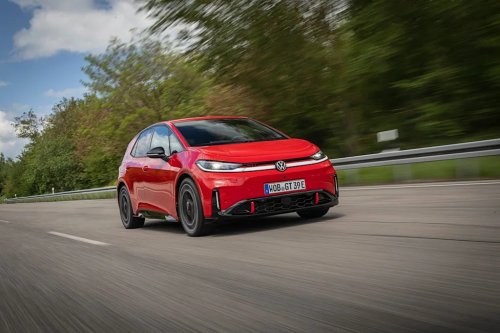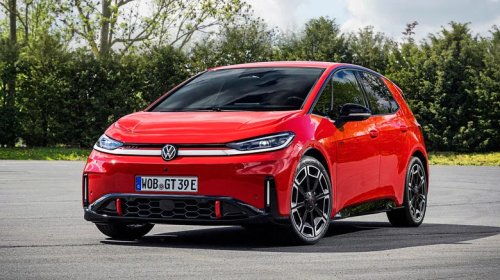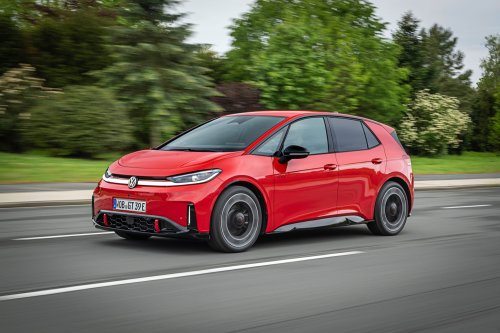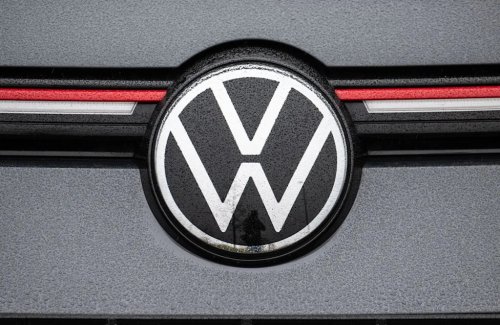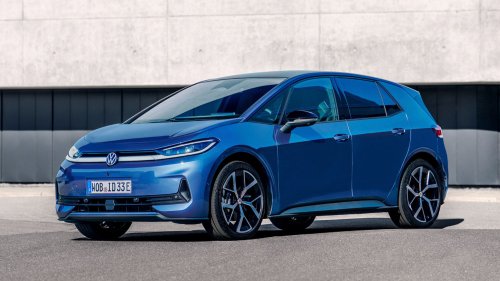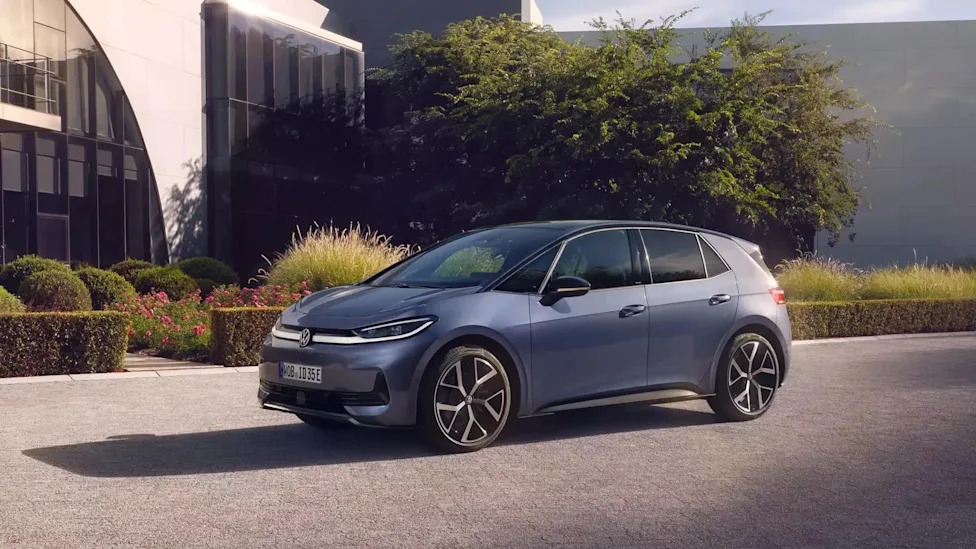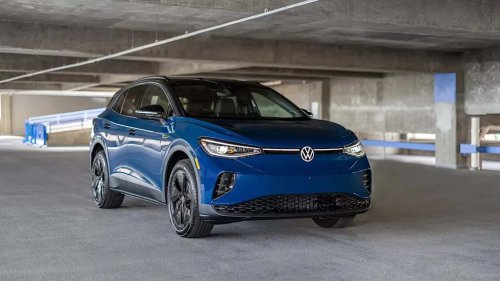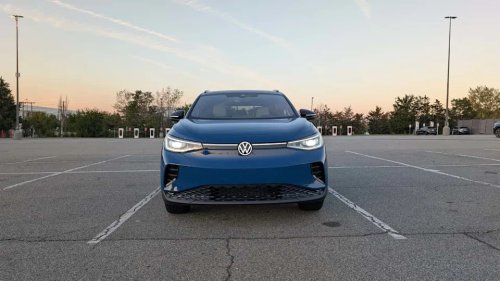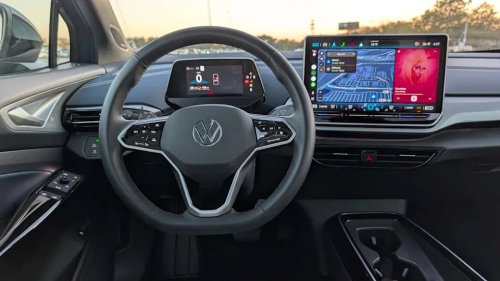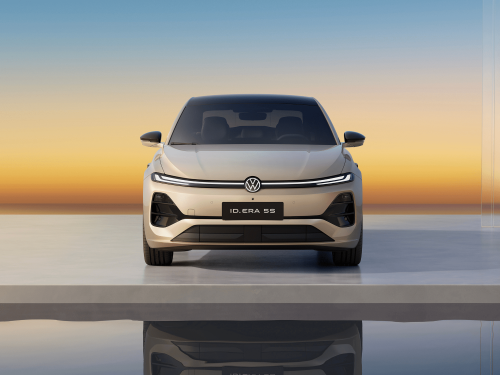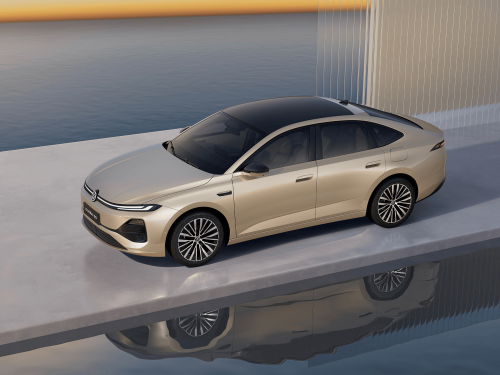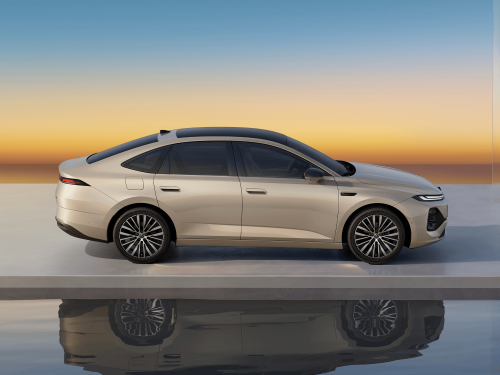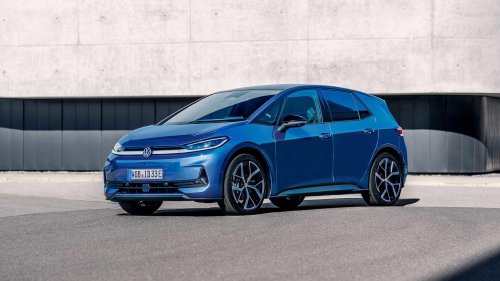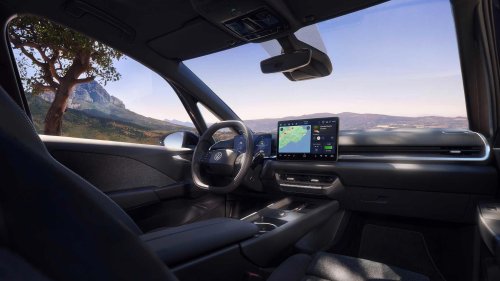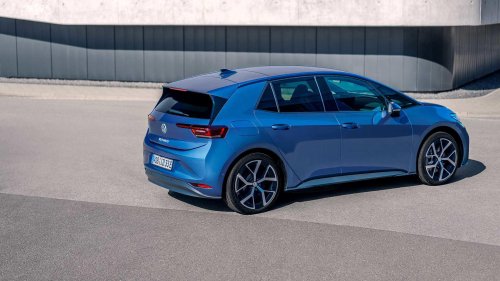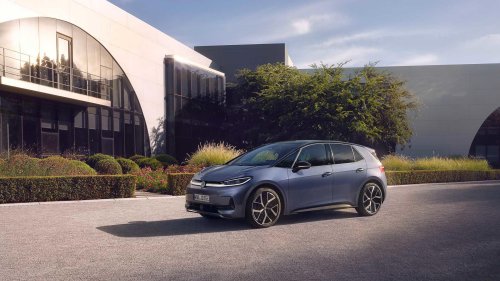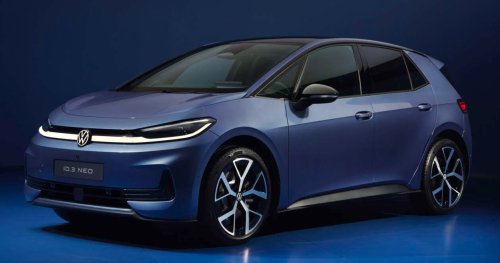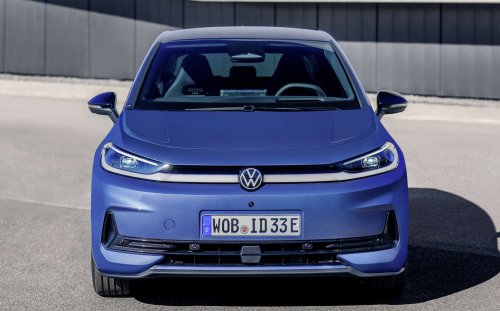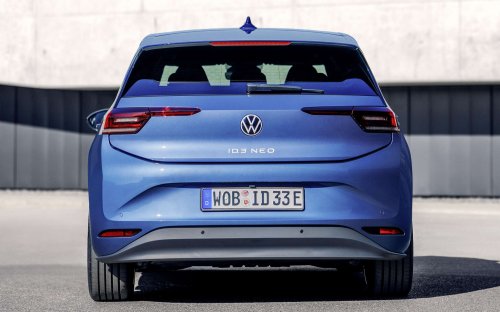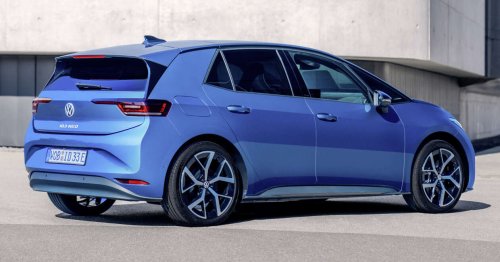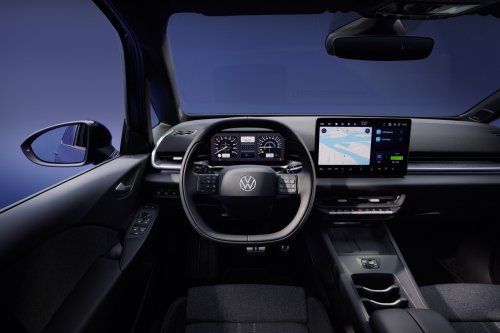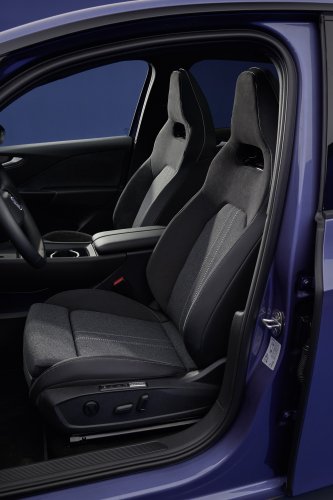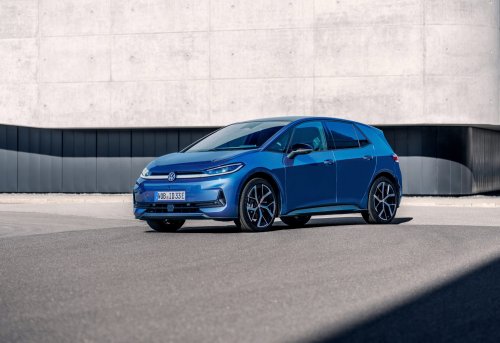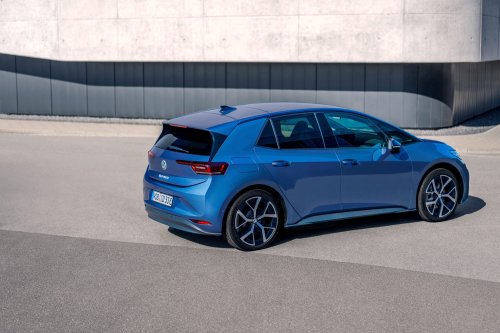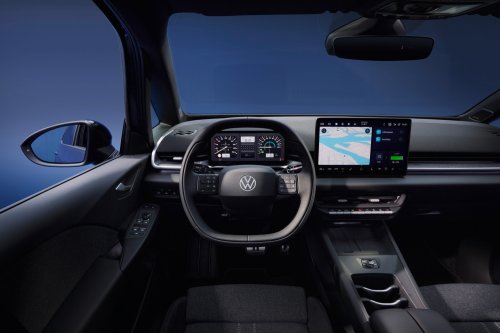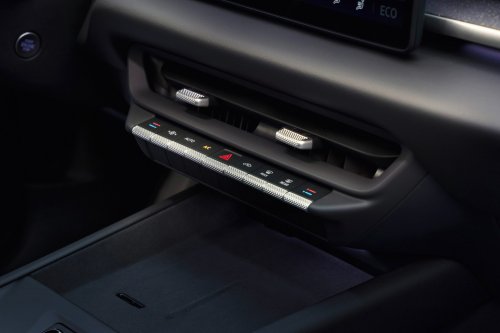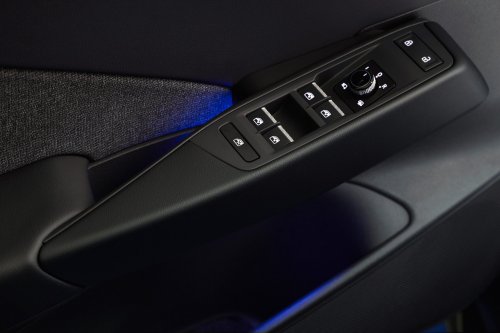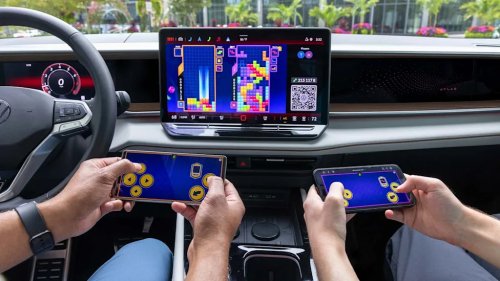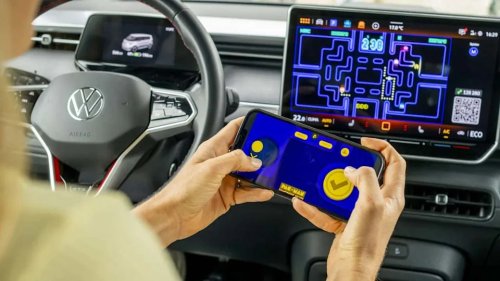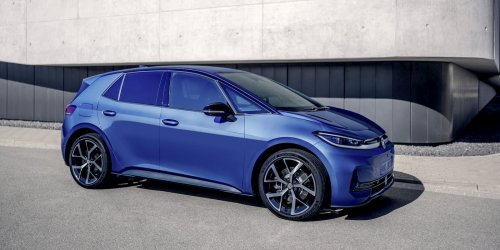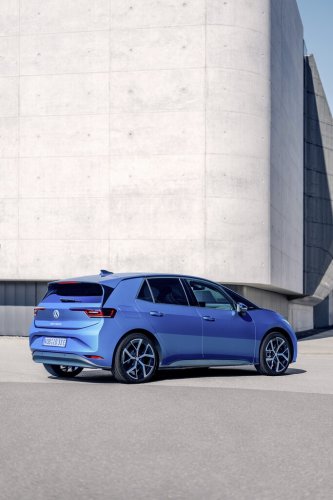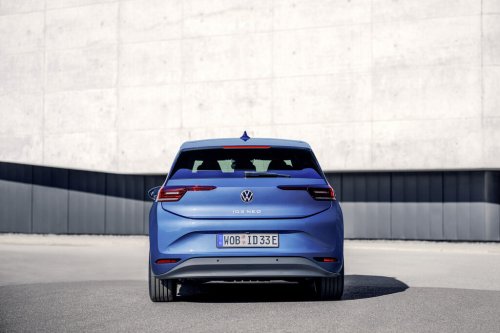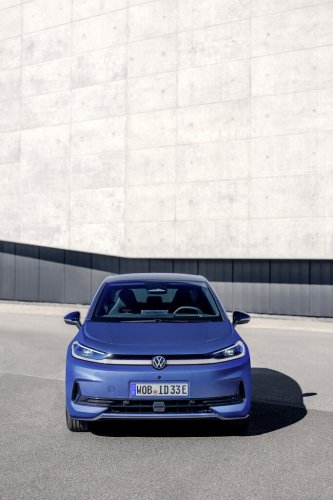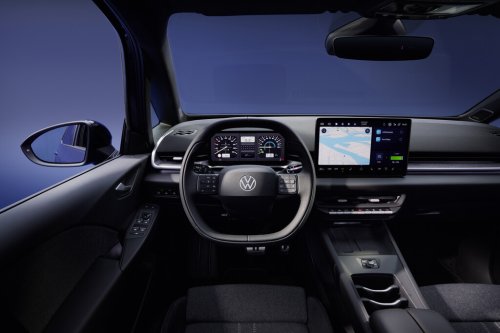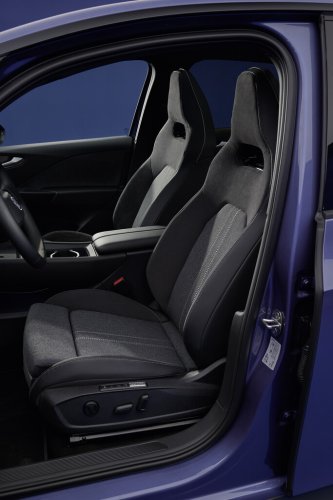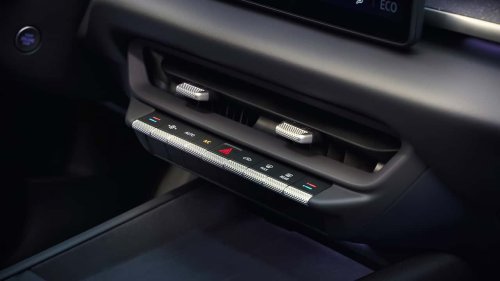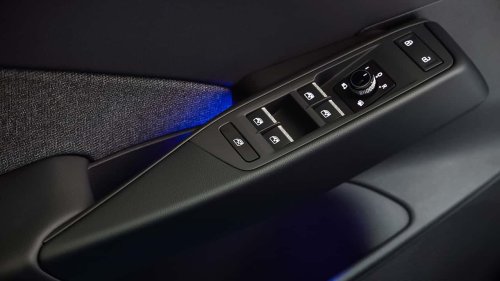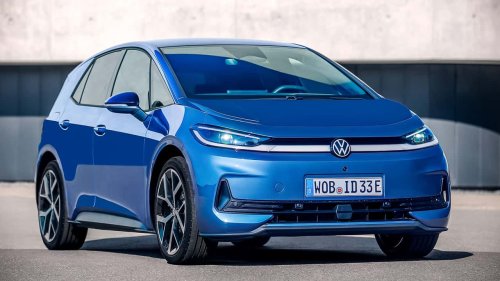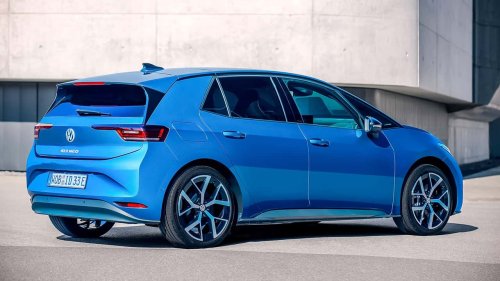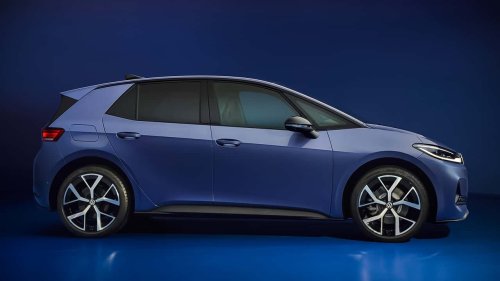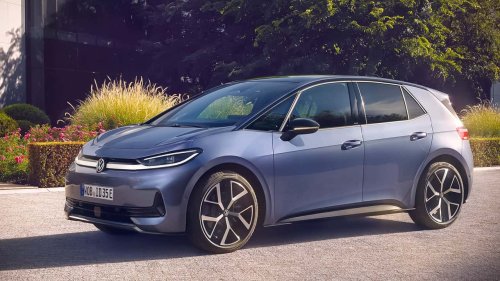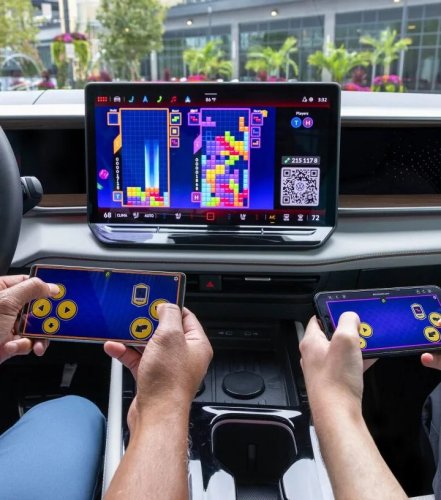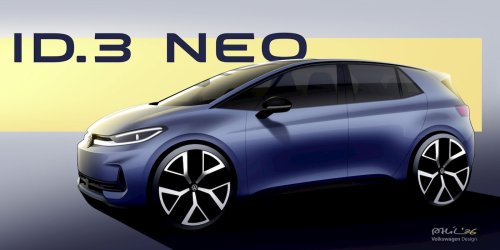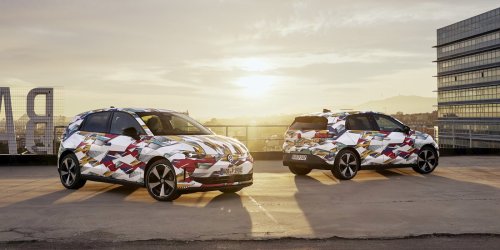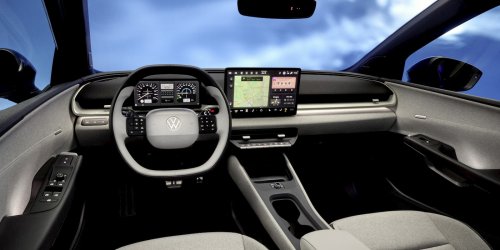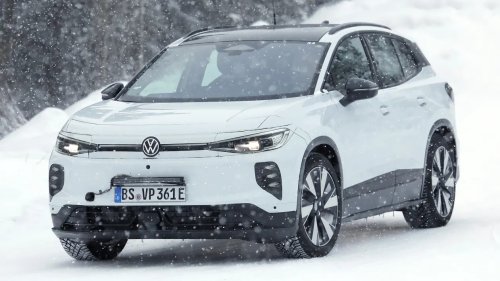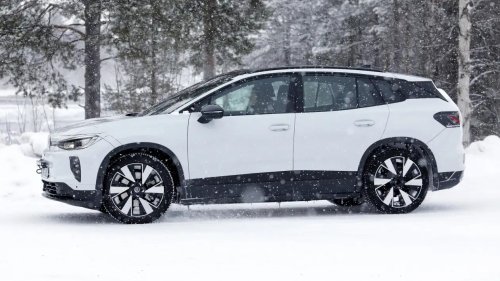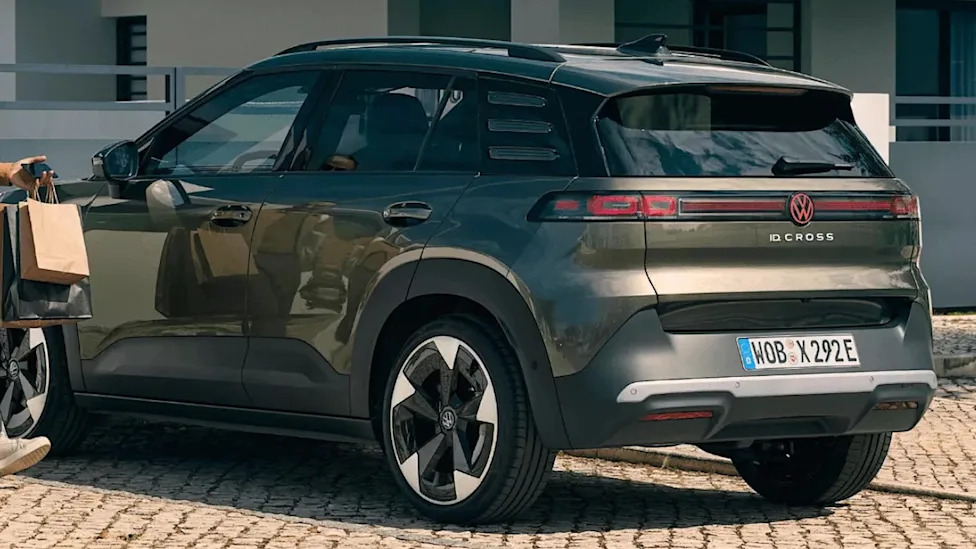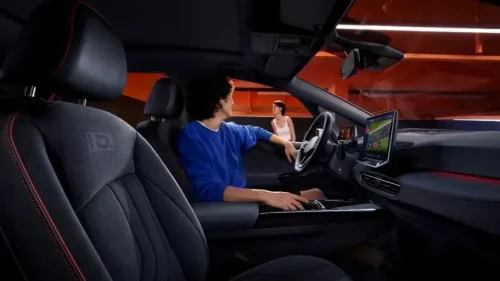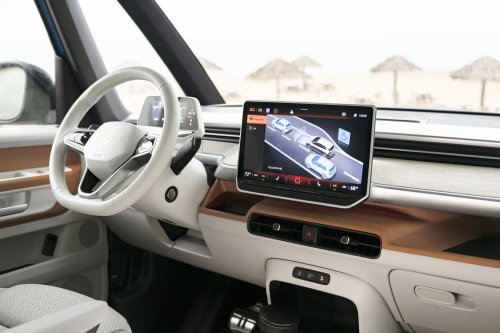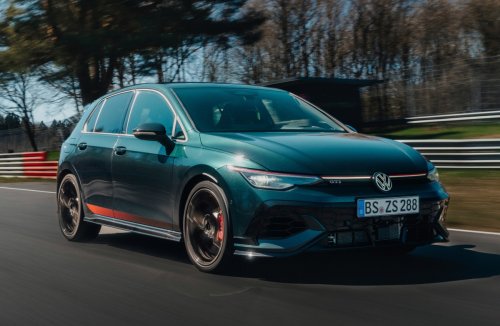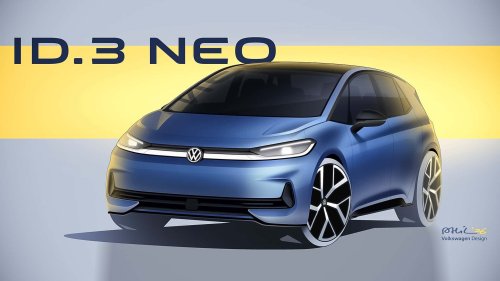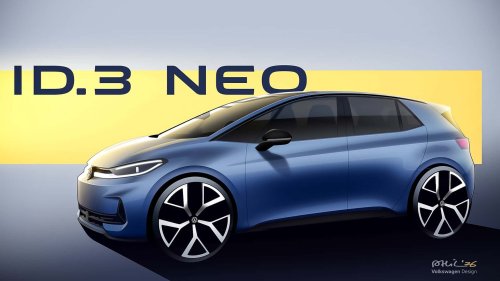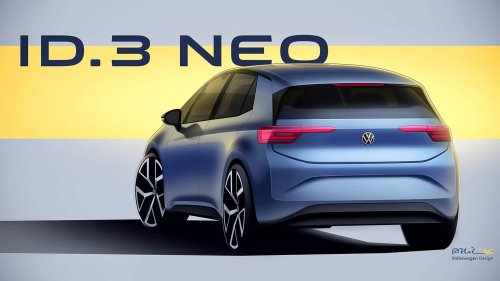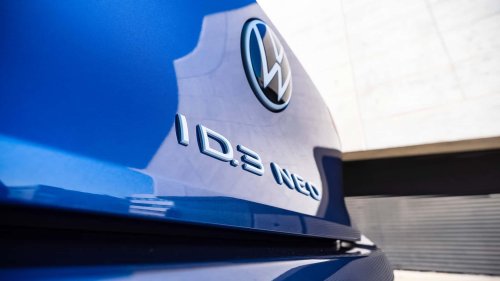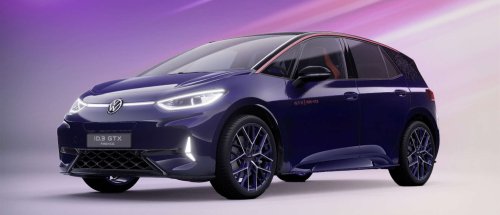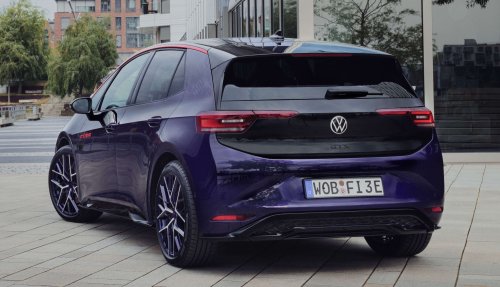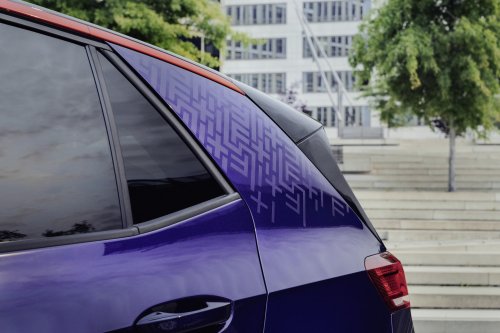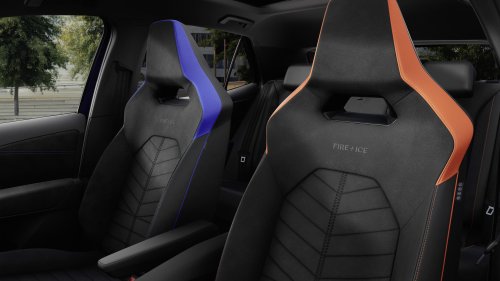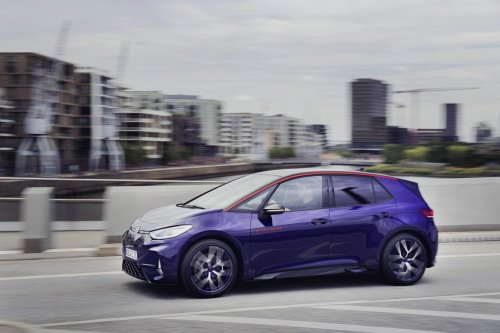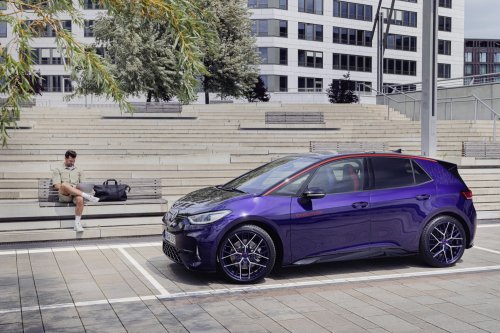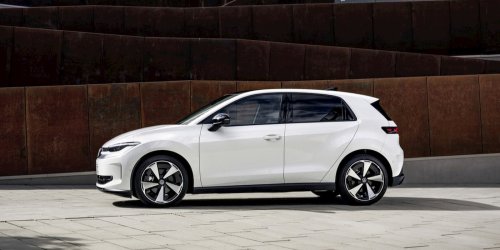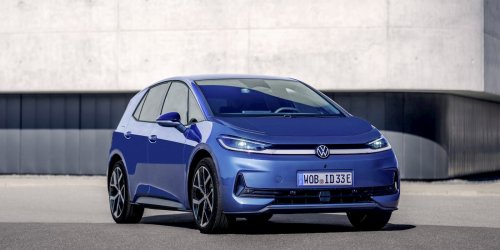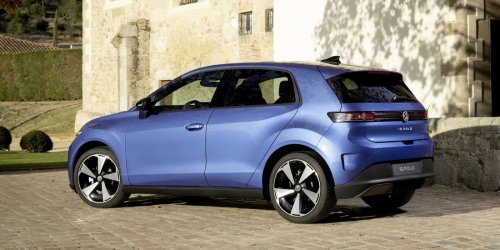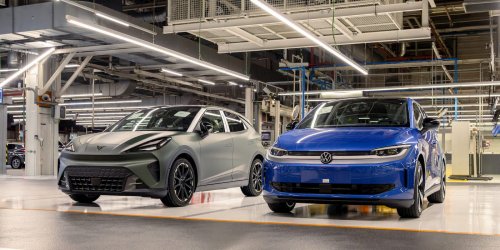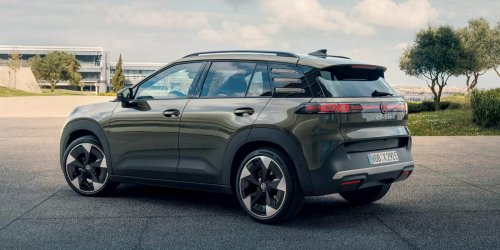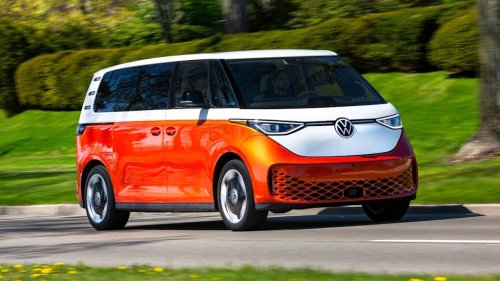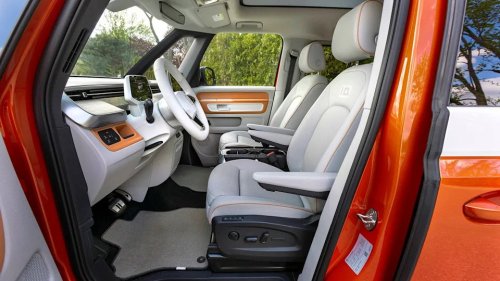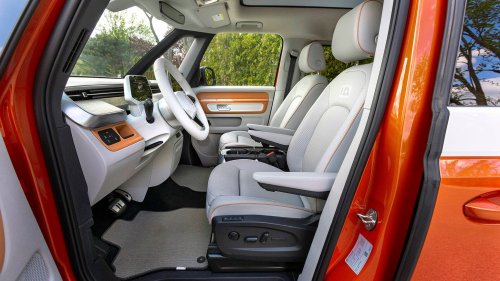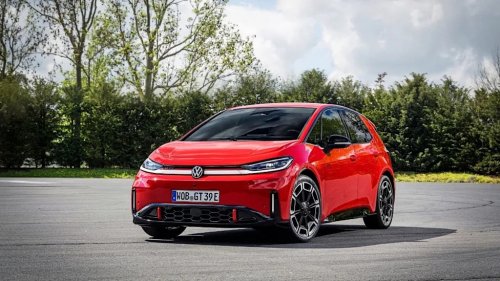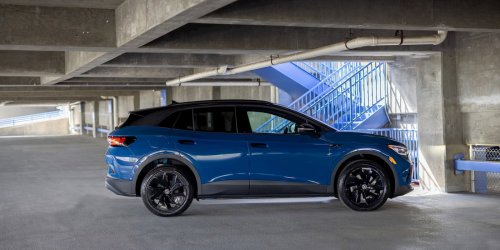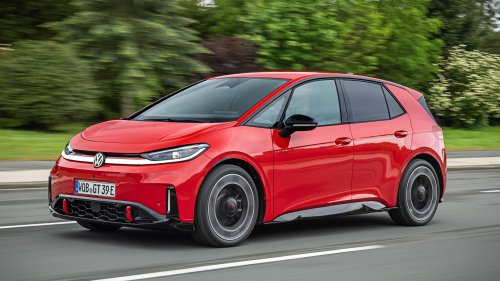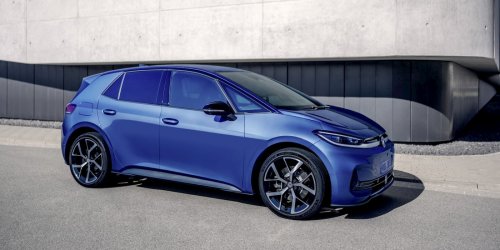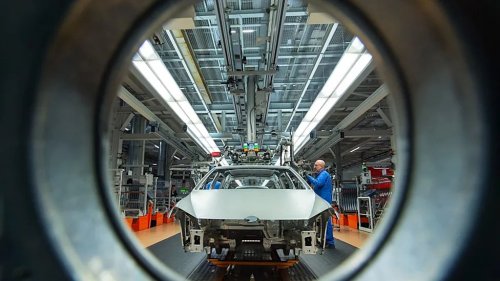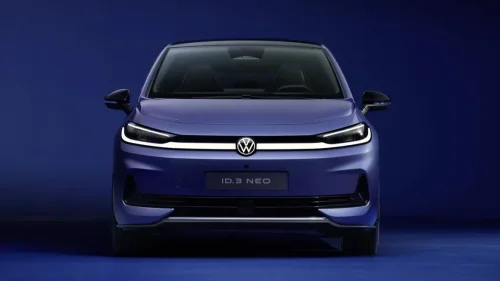
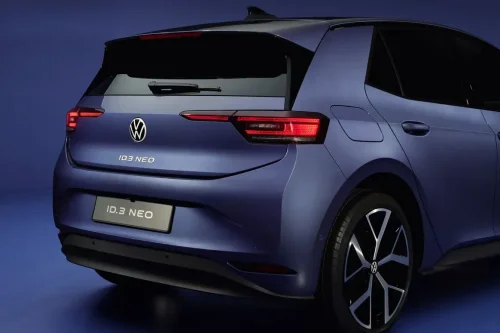
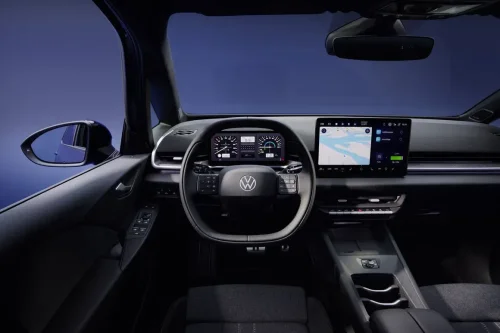
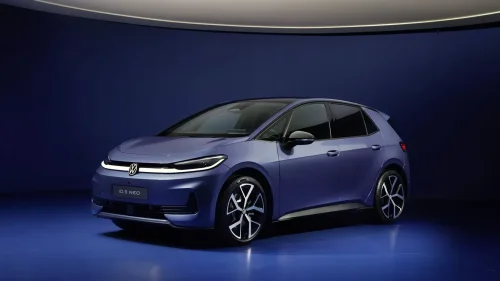



















The launch marks the beginning of a broader product offensive for Volkswagen (ETR: VOW3), which has acknowledged publicly that its electric lineup had drifted from the brand's core identity.CEO Thomas Schäfer, speaking at a media event in Hamburg earlier this week, said the company had lost focus on what matters most to customers, describing the ID.3 Neo as the first vehicle to correct that course. The model is one of six new electric models Volkswagen plans to launch in 2026, alongside the ID. Polo, ID. Polo GTI, and ID. Cross.Volkswagen ID.3 Neo front face (Volkswagen)The ID.3 has been a significant seller since its 2019 introduction on the MEB platform. Around 78,000 customers across Europe chose an ID.3 in 2025 alone, with the model ranking second among battery-electric vehicles in Germany last year, behind only the ID.7. The exterior of the ID.3 Neo follows the "Pure Positive" design language developed by chief designer Andreas Mindt. The redesigned front end features a full-width LED light strip, an illuminated VW logo, and conventional exterior door handles — replacing the flush-type handles criticized in the outgoing model.The roof, rear spoiler, A-pillars, and tailgate now carry body-colour paint rather than the previous gloss-black treatment, creating what Volkswagen describes as a longer, flatter, and more dynamic silhouette. The rear remains largely unchanged, and dimensions are carried over at 4,280 mm long and 1,800 mm wide.Volkswagen ID.3 Neo rear (Volkswagen)The interior has seen the most substantial revision. Volkswagen has replaced the contested touch-sensitive sliders for climate and volume with a row of physical buttons on the centre console, positioned below the air vents. The steering wheel, previously using capacitive touch controls, now features physical buttons as well, along with a rotary knob between the seats for volume and track control. Four window switches with dedicated rear-window controls return to the driver's door panel. The instrument cluster has grown from 5.3 inches to 10.25 inches, with an optional retro layout drawing on instrument graphics from 1980s Golf models.Volkswagen ID.3 Neo interior (Volkswagen)The infotainment system, now called Innovision, has been completely redeveloped on an Android base and runs on a 12.9-inch touchscreen. Materials across the cabin have been upgraded with fabric finishes and soft-touch padding on door panels and the centre armrest, moving away from the plastic-heavy interior of the predecessor. On the powertrain side, the ID.3 Neo launches with three configurations. The entry Trend trim pairs a 125 kW motor with a 50 kWh battery. Life and Style trims offer an optional 140 kW motor with a 58 kWh battery. The top specification combines a 170 kW motor with a 79 kWh battery, delivering a WLTP-rated range of up to 630 km (391 miles).Volkswagen attributes the extended range to a new, highly efficient drive system. Boot volume of 385 litres — extending to 1,267 litres with the rear seats folded — is unchanged from the outgoing model.Volkswagen ID.3 Neo (Volkswagen)New software features include standard one-pedal driving, which uses regenerative braking to bring the vehicle to a full stop without touching the brake pedal. The optional Connected Travel Assist is described as one of the first systems in the compact segment capable of automatically stopping the vehicle at red traffic lights.Vehicle-to-load functionality, with output of up to 3.6 kW via an optional adapter, allows the car to power external devices. An optional digital vehicle key enables smartphone and smartwatch access without a dedicated code.Optional equipment includes an augmented reality head-up display, a panoramic sunroof, front seats with massage and memory functions, and a Harman Kardon audio system. Park Assist Pro with a memory function is also available. Volkswagen opened pre-sales in Germany and other European markets on April 16, 2026. Market launch is scheduled for July. Pricing had not been officially confirmed at the time of publication. Deliveries will begin in July.The ID.3 Neo's arrival comes as Volkswagen faces intensifying competition from Chinese compact EVs expanding into European markets, a dynamic Volkswagen's own sales leadership has acknowledged publicly.Whether a more usable interior and a longer range will be sufficient to hold market share against lower-priced rivals will become clearer once order volumes are known — and once customers compare it to its electric-only Golf successor, which Volkswagen has already begun teasing for later in the decade.