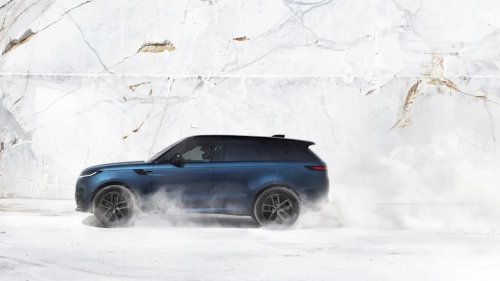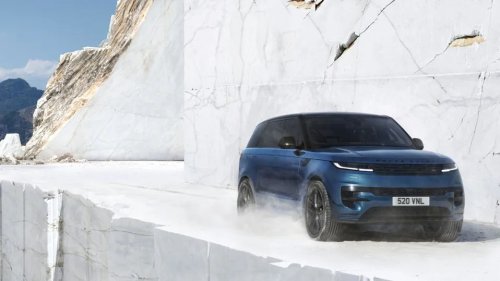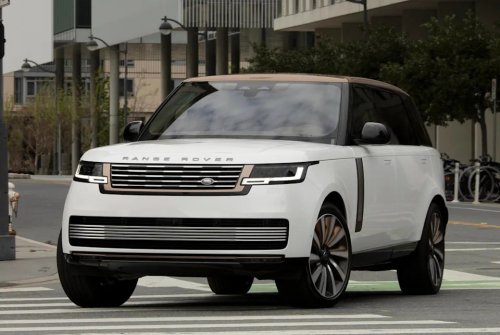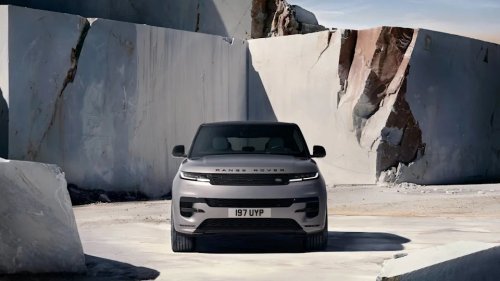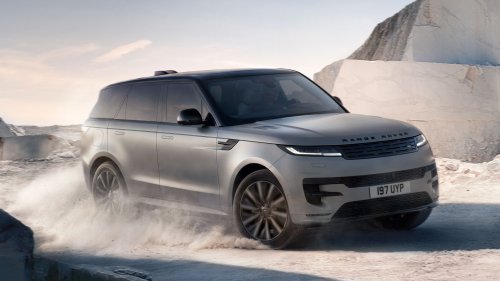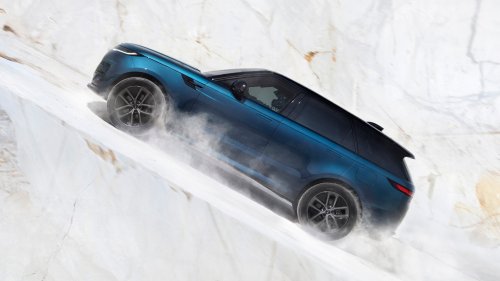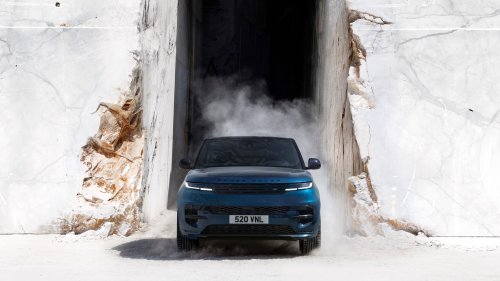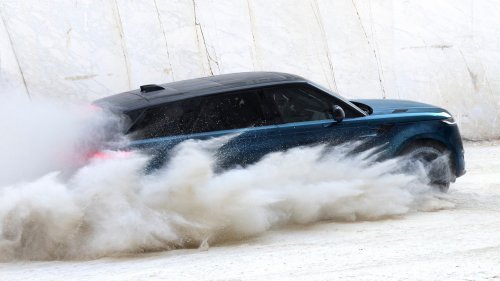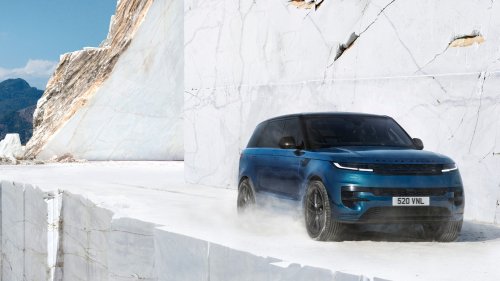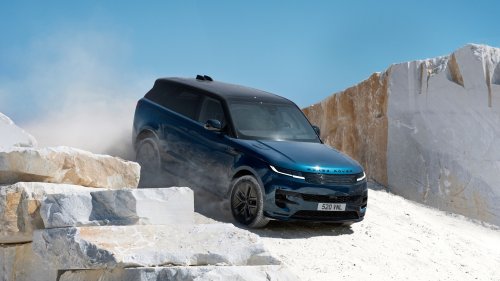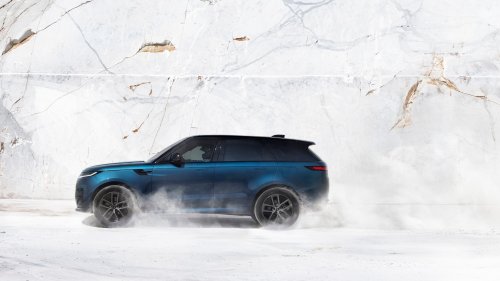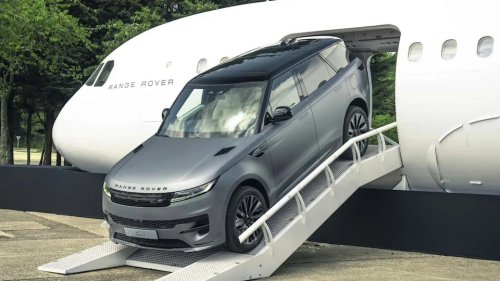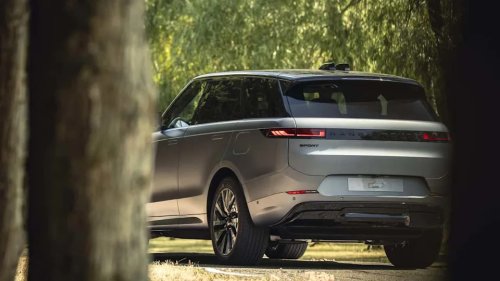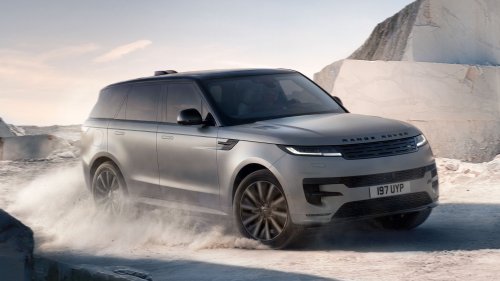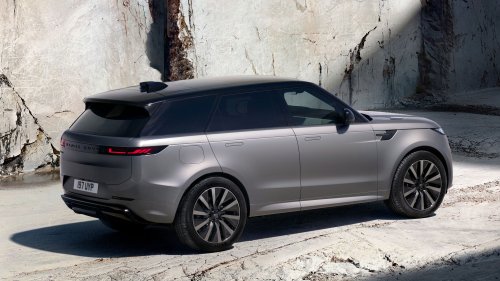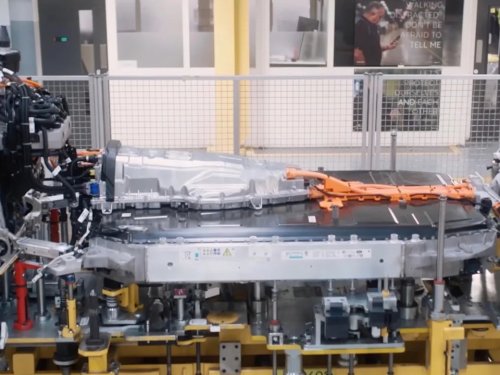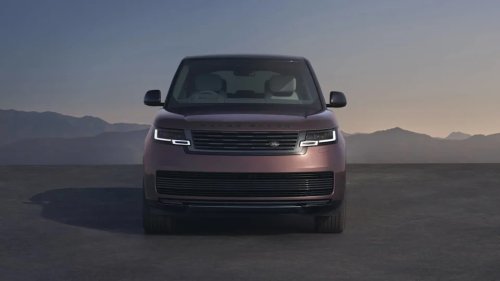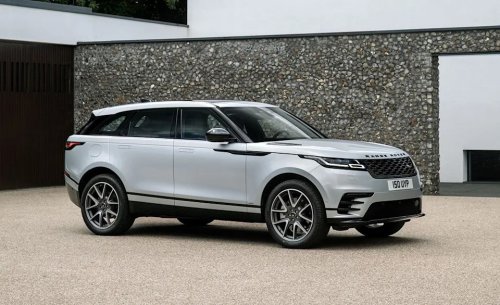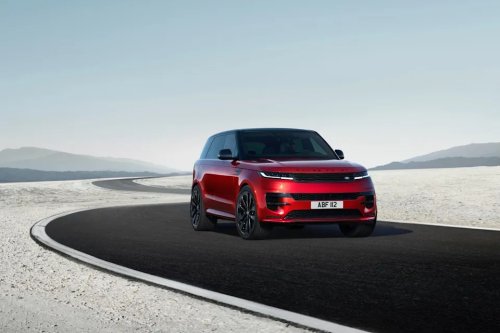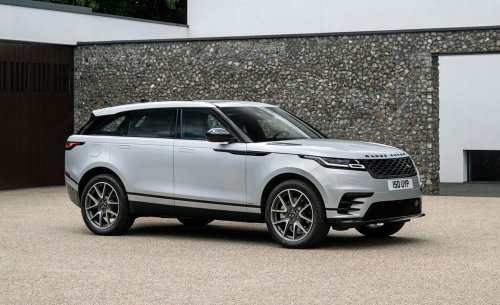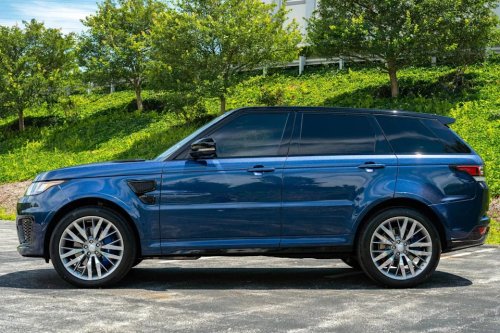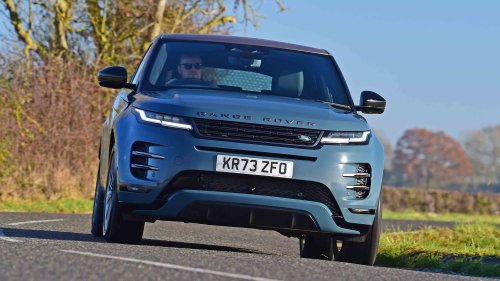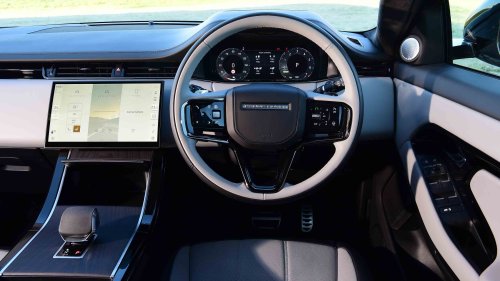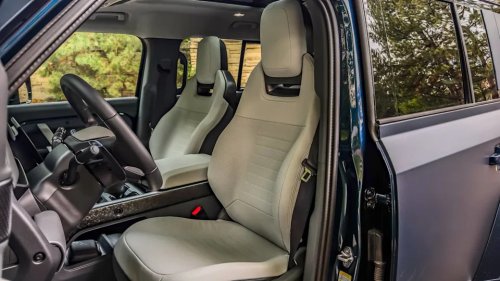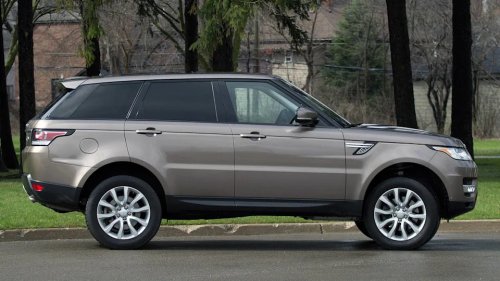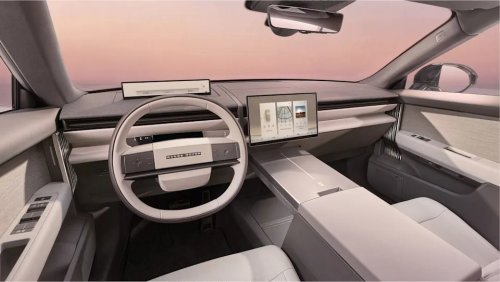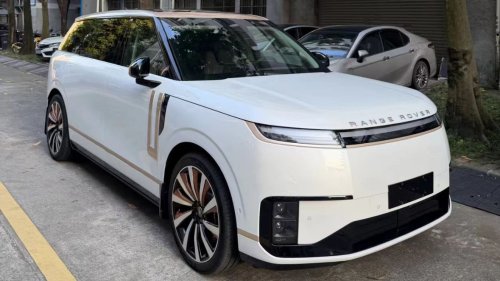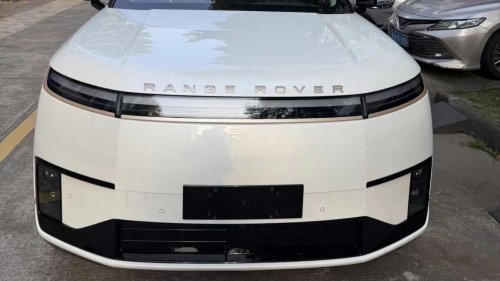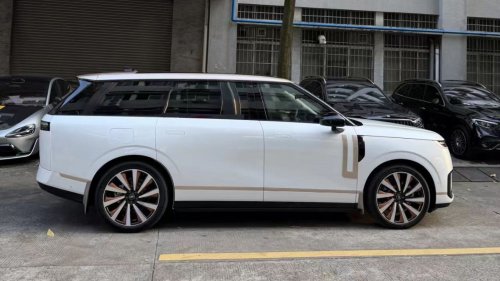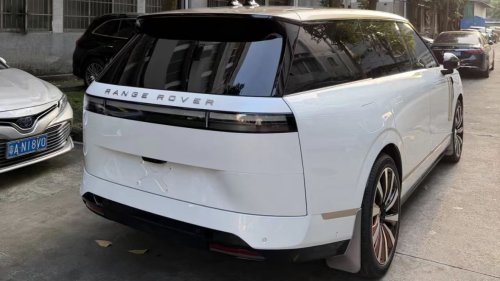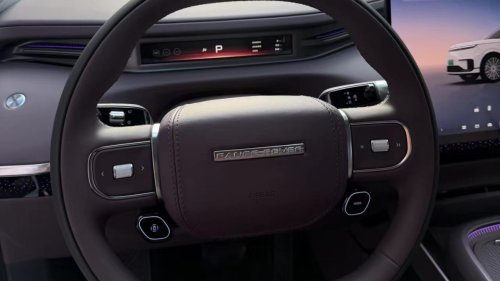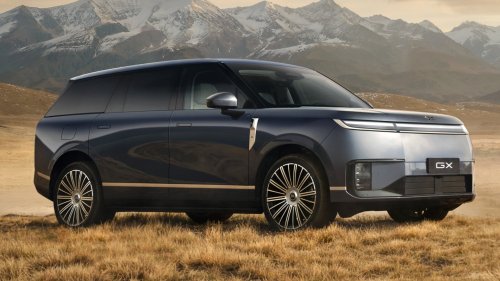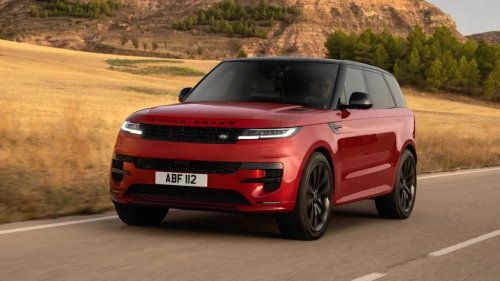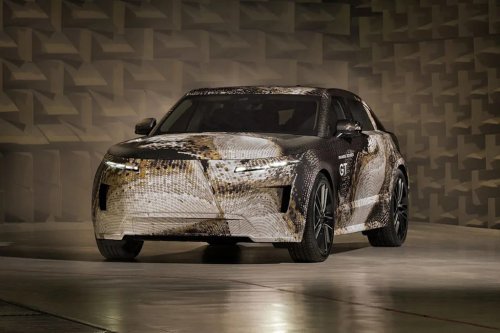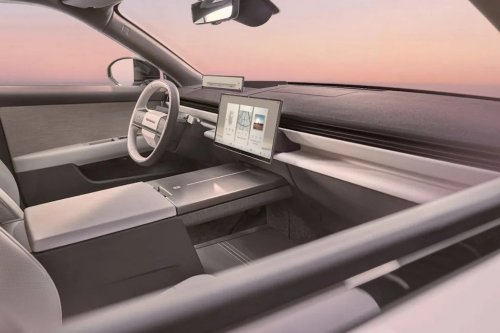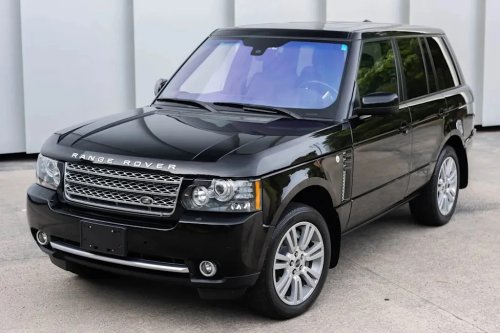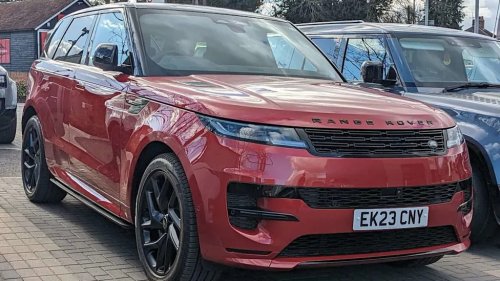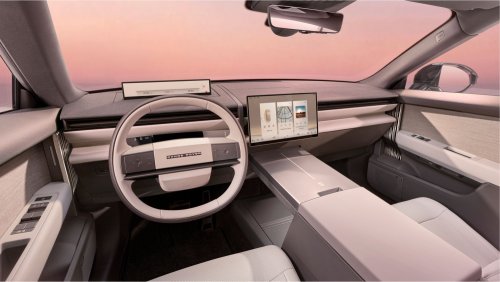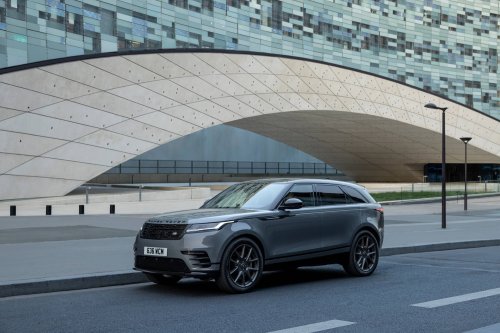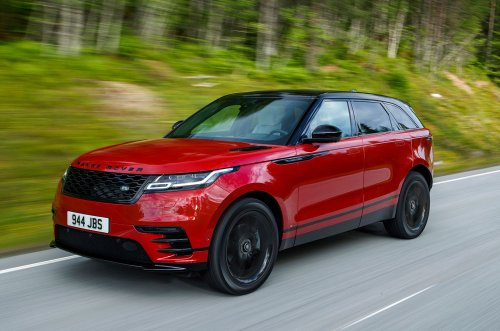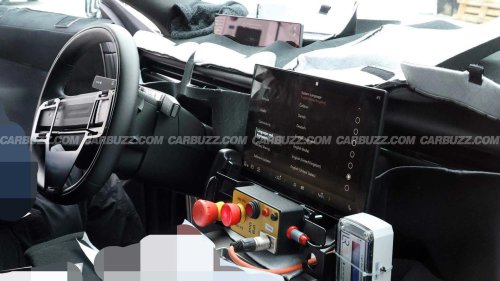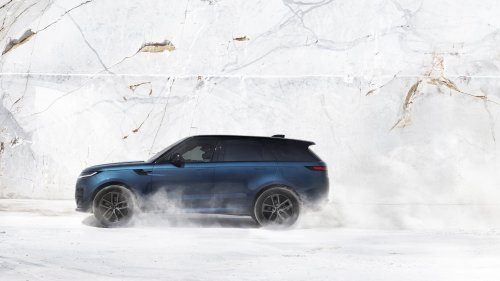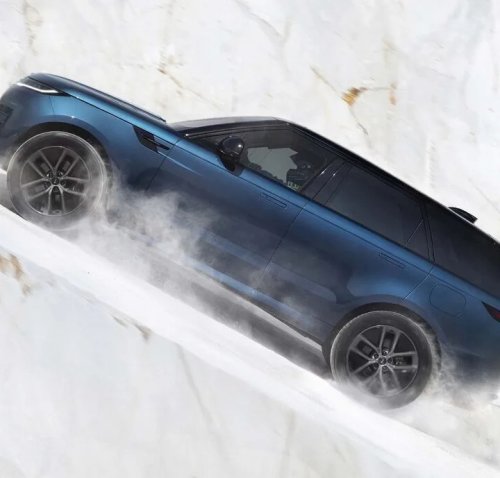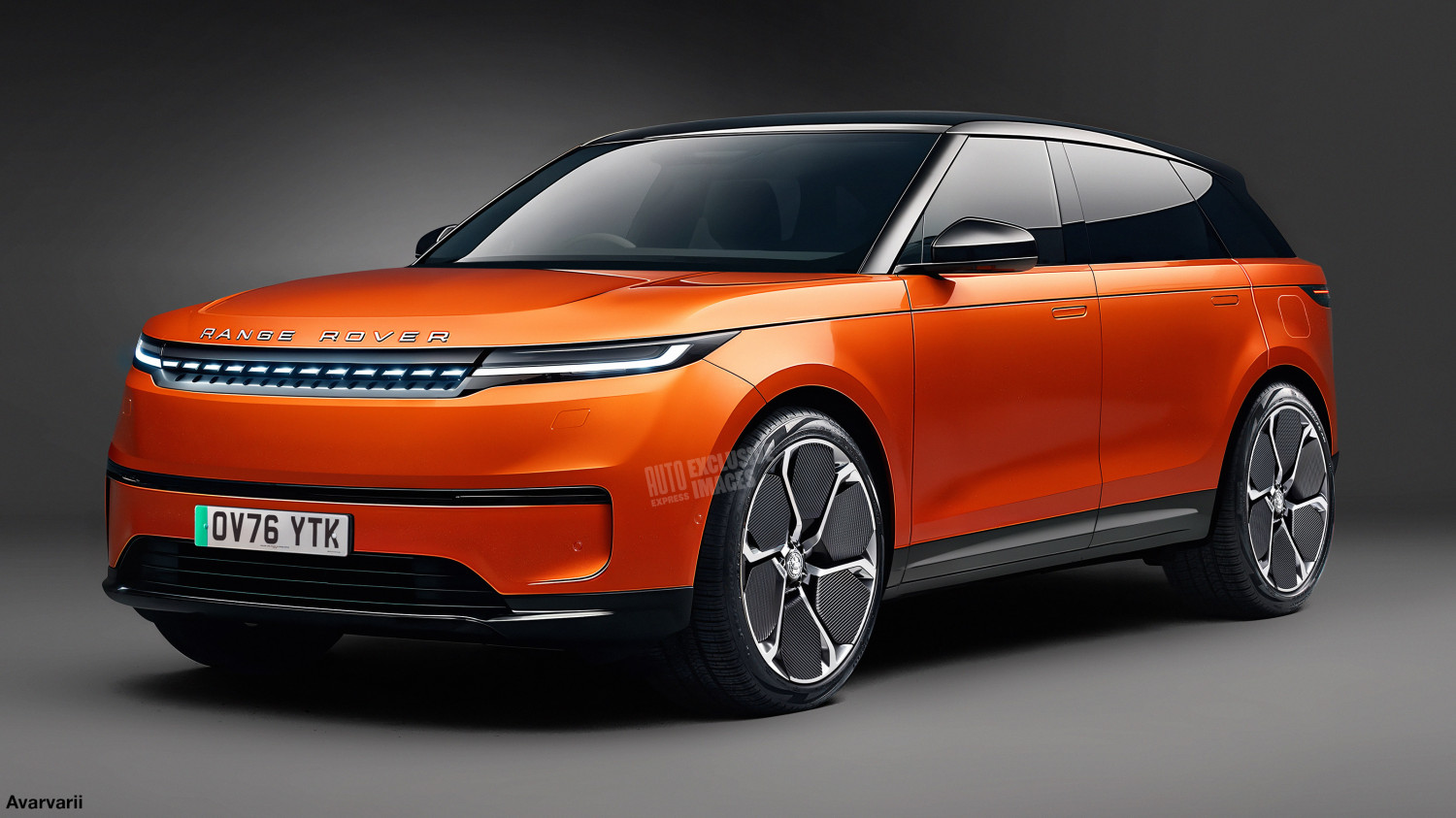
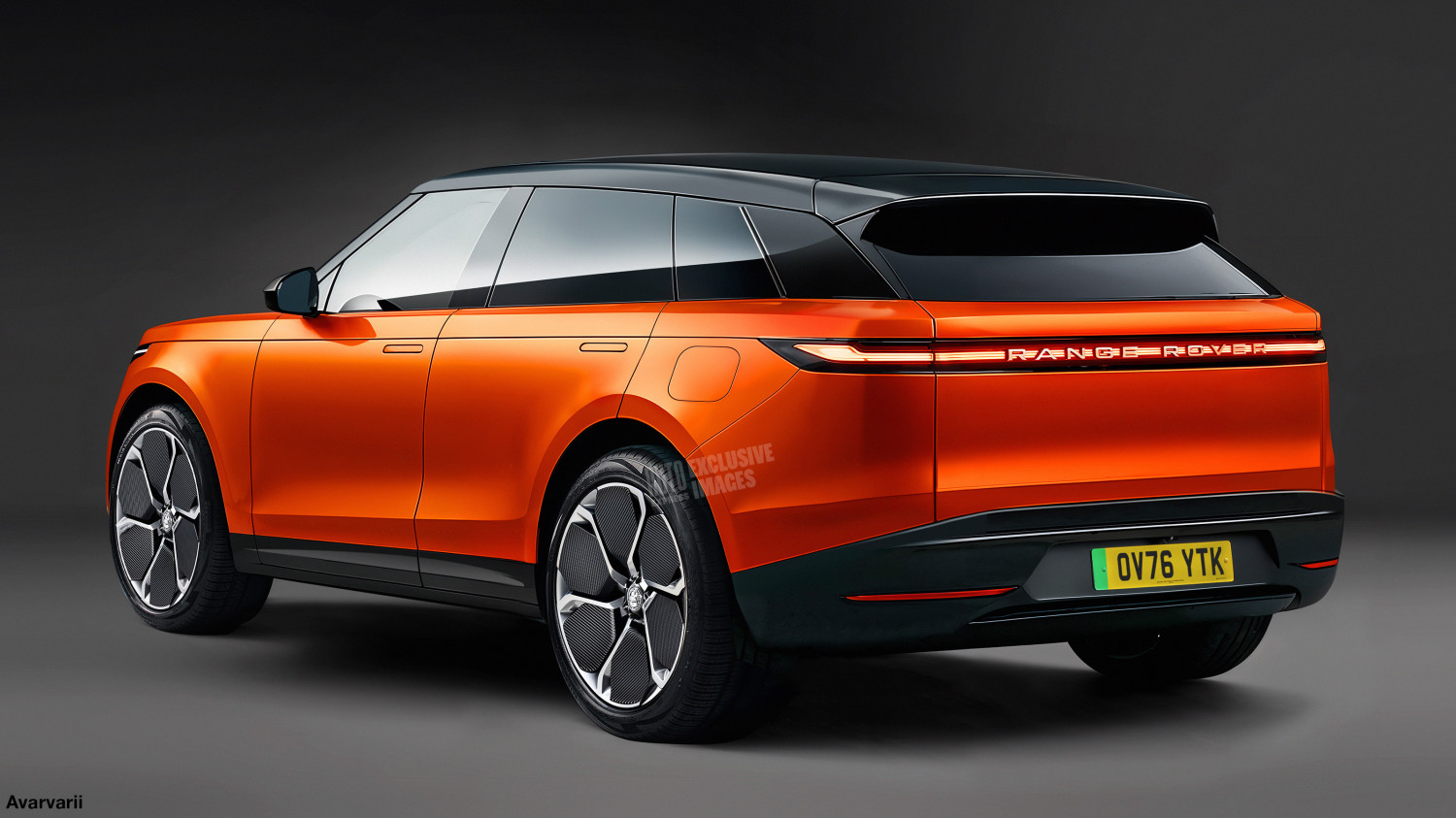
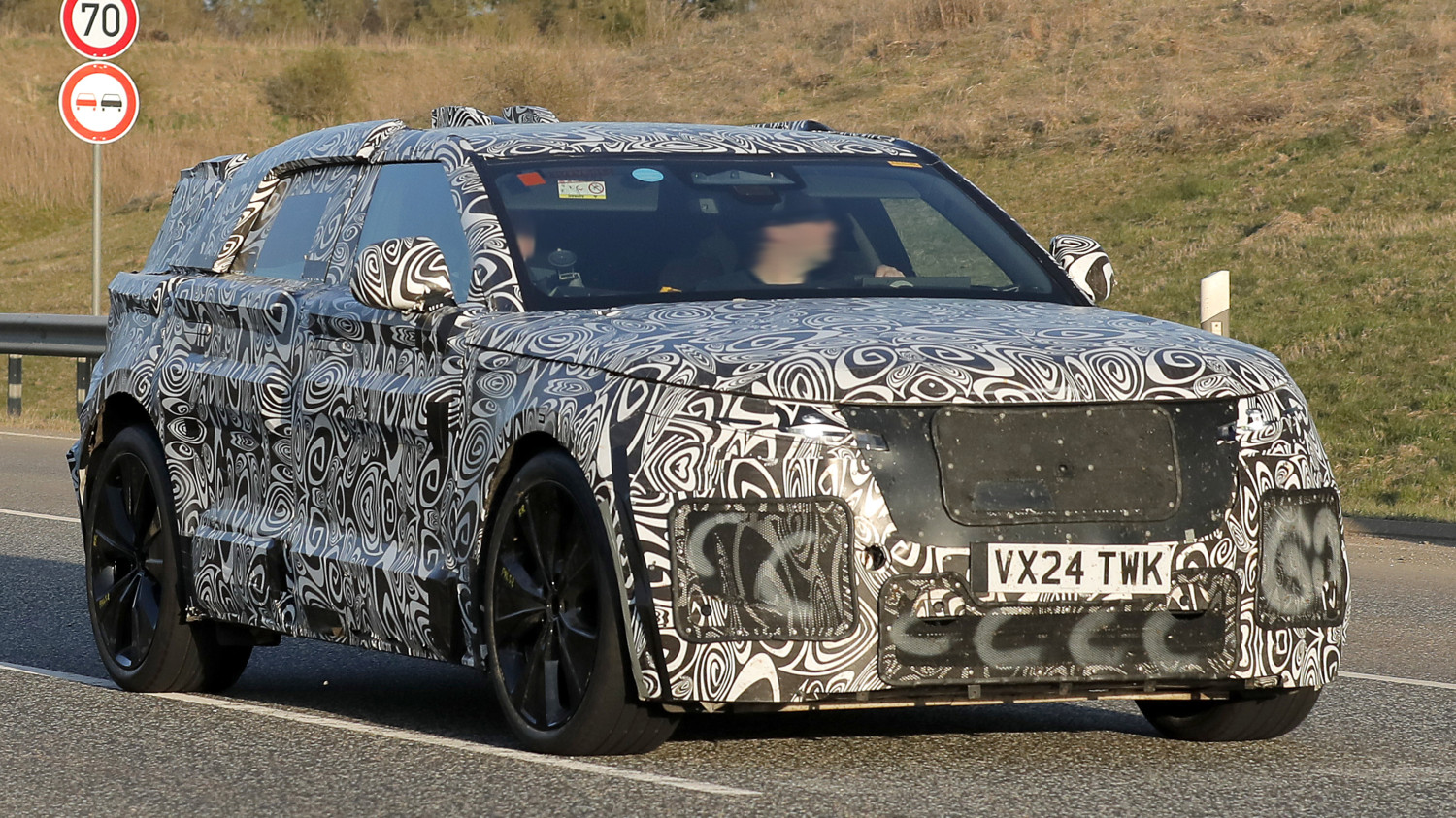



















17Range Rover is getting into the EV game and a full-size Range Rover Electric is coming very soon - followed up by a replacement to the current Range Rover Velar. The latter car was going to be EV-only, but Jaguar Land Rover has now announced it’ll also be available as a hybrid. In an investor update, JLR revealed it would increase “propulsion flexibility” by providing a full-hybrid variant of the new car. The platform underpinning the Velar’s replacement is called EMA (Electric Modular Architecture) and was originally intended to be electric-only. Back in 2023 when JLR first revealed the EMA platform, the then JLR CEO Adrian Mardell said: “EMA is our next architecture for medium-size vehicles, originally conceived to be hybrid, it’s now only going to be fully electrified. At least three different vehicles, maybe four, will come off the EMA platform.” Explaining its switch to provide a combustion-engined mid-size SUV to sit alongside the EV, JLR said the move “recognises demand for increased choice in global markets”, and that it also “reaffirms JLR’s commitment to the future of the UK car industry”. The timing of the announcement comes just days after reports that the UK government is looking to backtrack on ZEV mandate sales targets for EVs. JLR is keeping its cards close to its chest when it comes to the details surrounding its mid-size Range Rover EV, but we know that it will be a similar size to the existing Range Rover Velar. As a result, rivals will include the likes of the new BMW iX3, Audi Q6 e-tron and Porsche Macan Electric. Having a hybrid version means the Velar replacement will continue to compete with rivals like the BMW X3, Audi Q5 and Mercedes GLC. If you can't wait for the new baby Range Rover to arrive next year or can’t afford the expected £65,000 asking price, you can buy a new Range Rover Velar via our Buy A Car service at prices from £51,000. Alternatively, used Range Rover Velar models are available from under £14,000. 17The new mid-sized Range Rover EV and full-hybrid variant will be built on a revamped, hi-tech production line at the Halewood factory in Merseyside, which has been upgraded to specifically cope with the new EMA platform. JLR has pumped £250million into Halewood to prep it for EMA, adding a new electric body-assembly building and ensuring the circa 4.8m-long SUV can be trimmed and painted on revised production lines. The company has boosted its paint shop’s capacity to deliver more contrasting roof colours, for instance. The new Range Rover EV might be similar in size to the current Range Rover Velar but photos of prototype test vehicles reveal a form that’s even sleeker than the Velar’s. The relatively low roofline slopes dramatically downwards and the glasshouse is thin relative to the sheet metal, creating a coupé-SUV look. Industry whispers say the design – which ups the ante for Range Rover modernism and minimalism – is quite distinct from the Velar’s. But much of what goes into EMA – the battery, electric drive units, thermal management system and clever software – emanates from the flagship Range Rover Electric. Sources say the size of hardware will shrink on smaller SUVs, but its fundamentals will “plug and play” across the range. The batteries – initially to be prepared in the Midlands but later assembled at JLR parent company Tata’s £4billion Gigafactory in Bridgwater, Somerset – are a case in point. The prismatic cells fit snugly together, enabling them to be packed into rectangular modules and scaled up in batches to create a range of powerpacks. Their ‘cell-to-pack’ design cuts some of the framework housing the battery, which saves weight and cost, and enables more cells to be crammed into each module. But unlike some Teslas and BYDs, the pack is not ‘cell-to-body’, where it doubles up as the floor structure to shave off more mass and boost rigidity. 17The upcoming Range Rover Electric has a 118kWh battery but fit within the shorter wheelbase, the EMA SUV will need downsized battery packs of around 100kWh and 80kWh if it’s to match the long and standard-range offers of premium rivals. These should endow the mid-size EV with ranges comfortably topping 300 and 400 miles, aided by sophisticated thermal management - which should give it just enough juice to compete with 500-mile EVs like the BMW iX3 and Volvo EX60. JLR reckons its new system offers a 40 per cent efficiency boost over its first EV, the 2019 Jaguar I-Pace. The new system can recover heat at –15 degrees Celsius to warm the cabin, and clever software continuously evaluates and manages battery temperature, bringing it to the optimum level for charging. And the 800-volt electrical system should enable ultra-rapid DC peak charging of 350kW, to top up the battery from 10-80 per cent in as close to 20 minutes as possible. JLR says its electric motors were developed in-house, after scouring suppliers for 18 months and failing to find tech suitable for both low-speed off-roading and high on-road efficiency. The Electric Drive Units (EDU) are permanently excited synchronous motors, linked to a highly efficient, heat-resistant silicon carbide inverter that rapidly switches the battery’s direct current into AC for the EDUs, then reverses to harvest energy from regenerative braking. One EDU spinning each axle – with a combined output of 542bhp and 850Nm of torque – provides the optimum propulsion for the flagship Range Rover, the engineers say. Such high outputs would be near the top end of the EMA performance spectrum. It’s not clear yet whether the EMA Range Rover will be strictly all-wheel drive, or whether JLR might introduce a long-range, single-motor version which would dovetail nicely with the car’s sleek, road-biased silhouette. Carefully honed aerodynamics will help extract every mile of range, and a single-pedal driving mode will maximise regenerative braking. The baby Range Rover EV does not yet have a name and there has been no hint or speculation around what it could be called. While the mid-size electric Range Rover will sit alongside the Range Rover Velar, the baby EV will not take this name. The Velar will continue in production at JLR’s Solihull plant, providing the petrol alternative even after the new car is launched. This being a Range Rover, there won’t be any compromises around off-road performance - at least for the dual-motor, all-wheel drive models. The Range Rover Electric has the firm’s customary Terrain Response to optimise the all-wheel drivetrain and chassis to tackle sand, grass, gravel and snow, plus crawl over rocks, and wade to the combustion car’s 900mm depth. Since the advent of the electric development programme more than five years ago, JLR’s engineers have been excited by the precise control offered by electric motors, which can instantly deliver high revs, with braking at each individual wheel to control slip. The firm’s Integrated Traction Management software can detect and eliminate slip 100 times quicker than a mechanical system, with an EDU’s fast response so much better at getting on and off the power than a combustion engine. EMA is said to be optimised to maximise interior space and comfort despite the sloping roof, with the driving position offering Land Rover’s trademark commanding view. The mid-size Range Rover EV is set to go into production in late 2026. We expect this Range Rover EV to start from somewhere around £65,000, given the fact that the current Range Rover Velar costs from £55,000 with its petrol, diesel and plug-in hybrid engines. Now you can buy a car through our network of top dealers around the UK. Search for the latest deals…