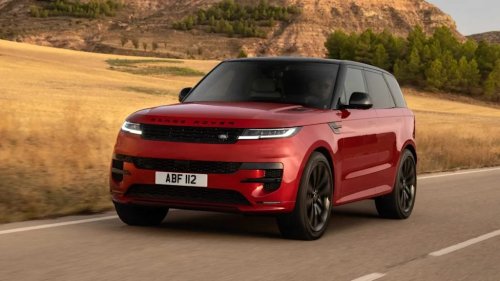
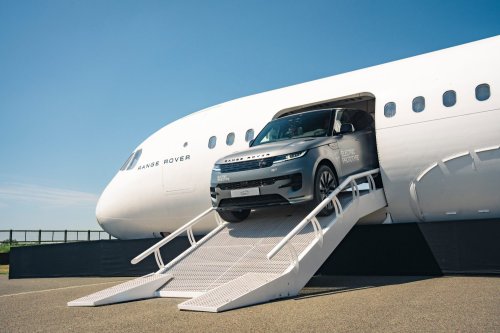
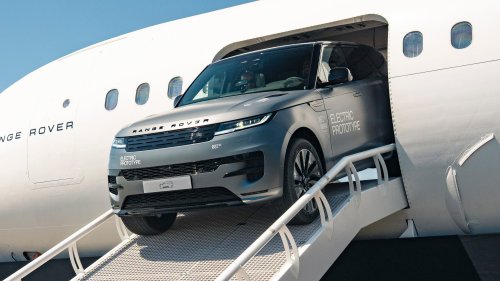
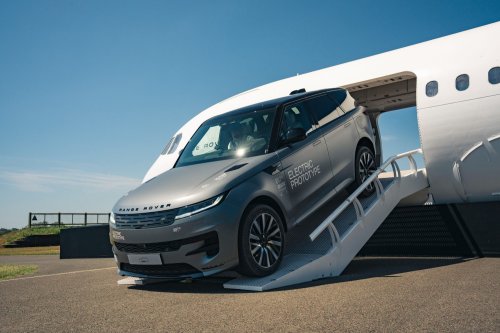
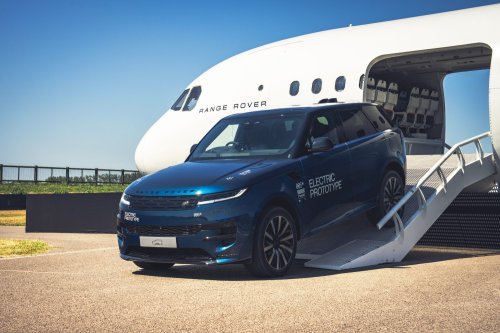
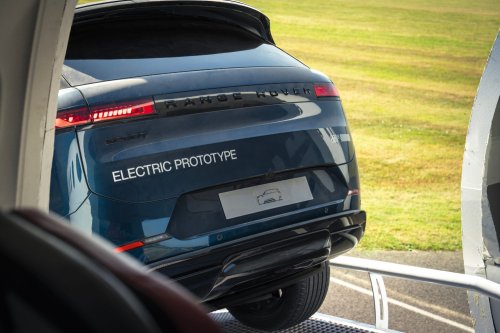
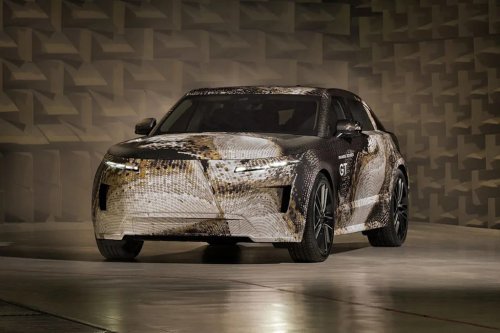
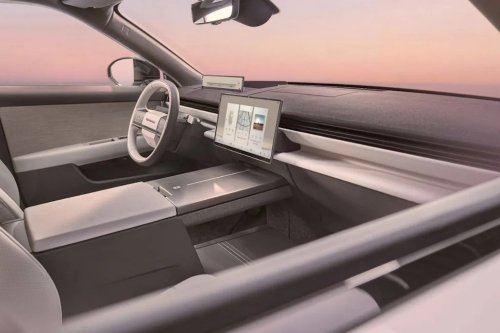
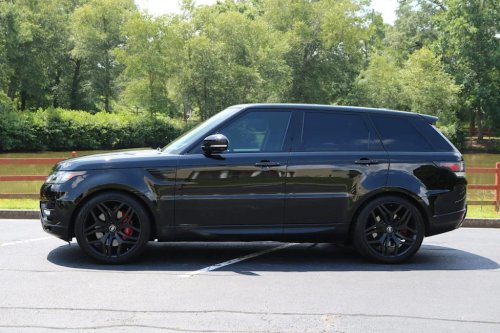
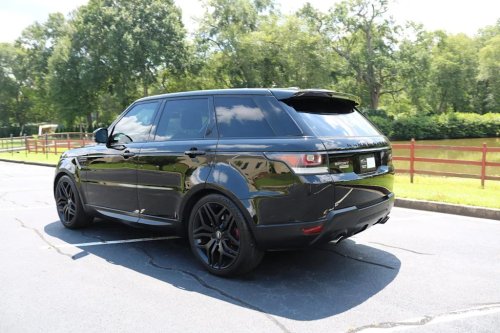
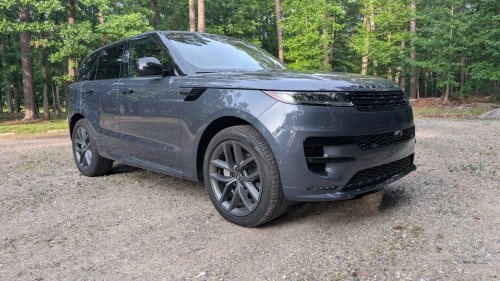
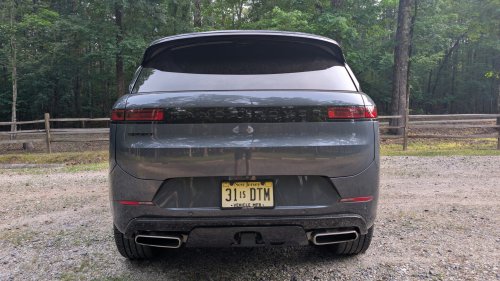
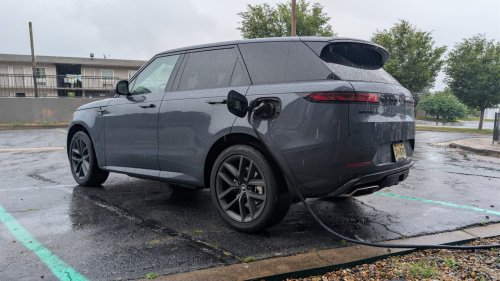
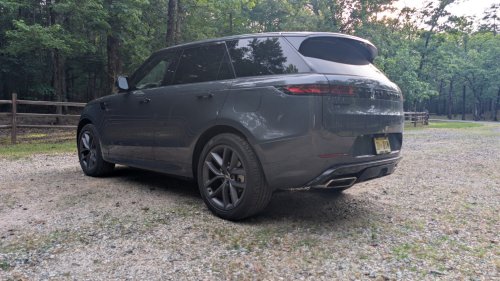
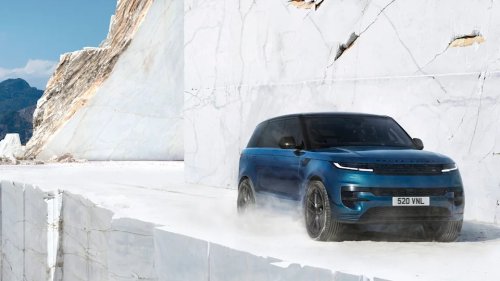
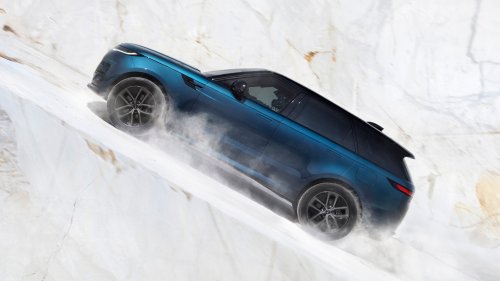
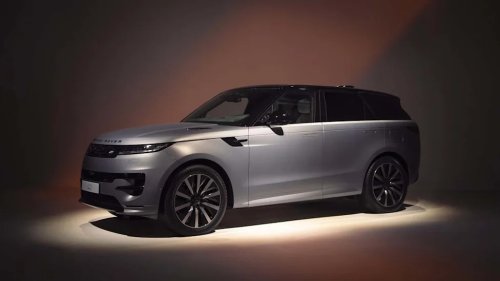
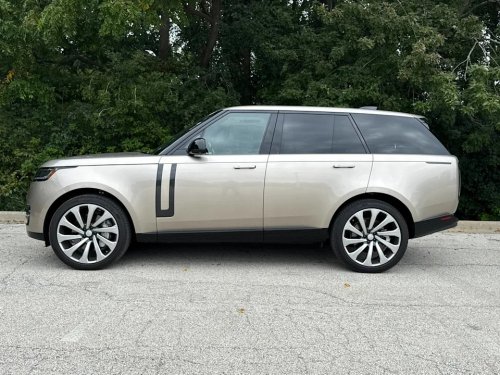
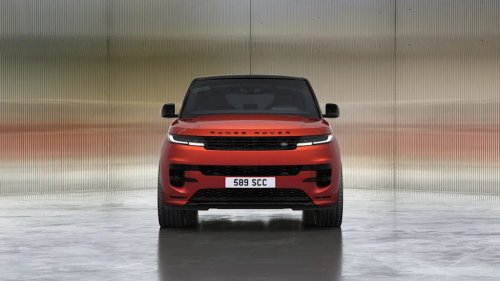
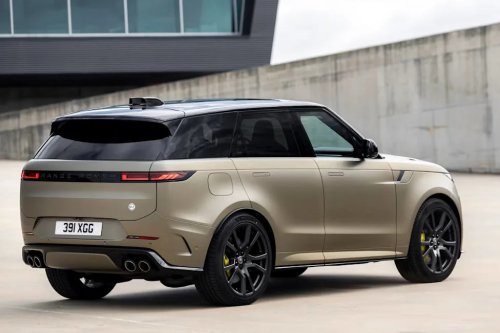
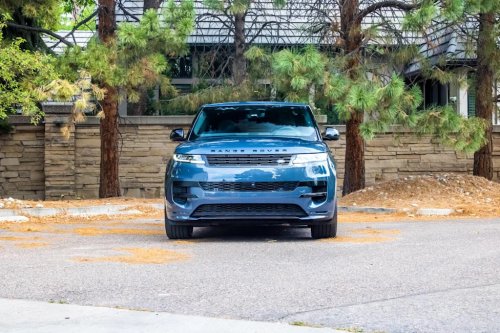
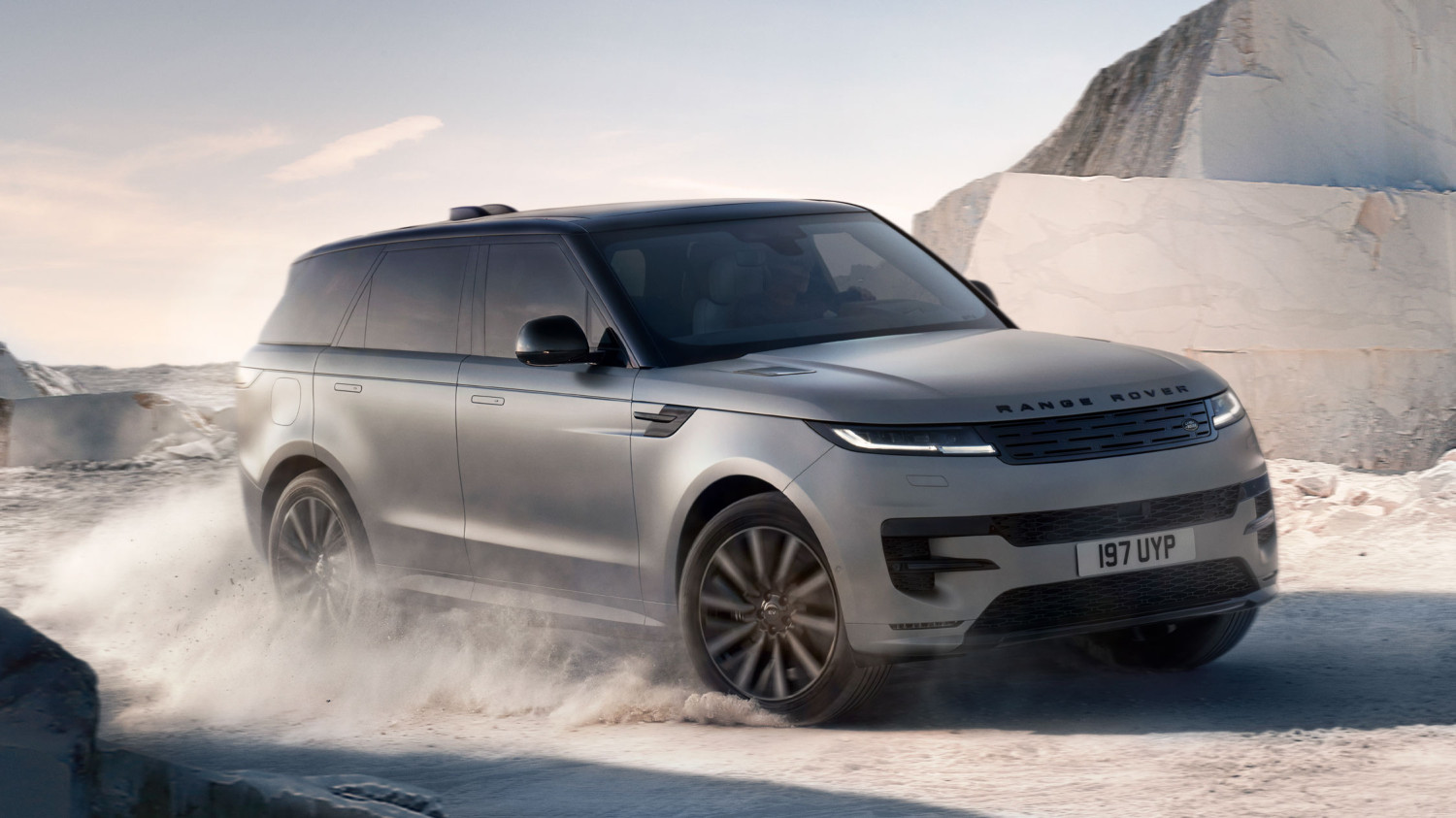
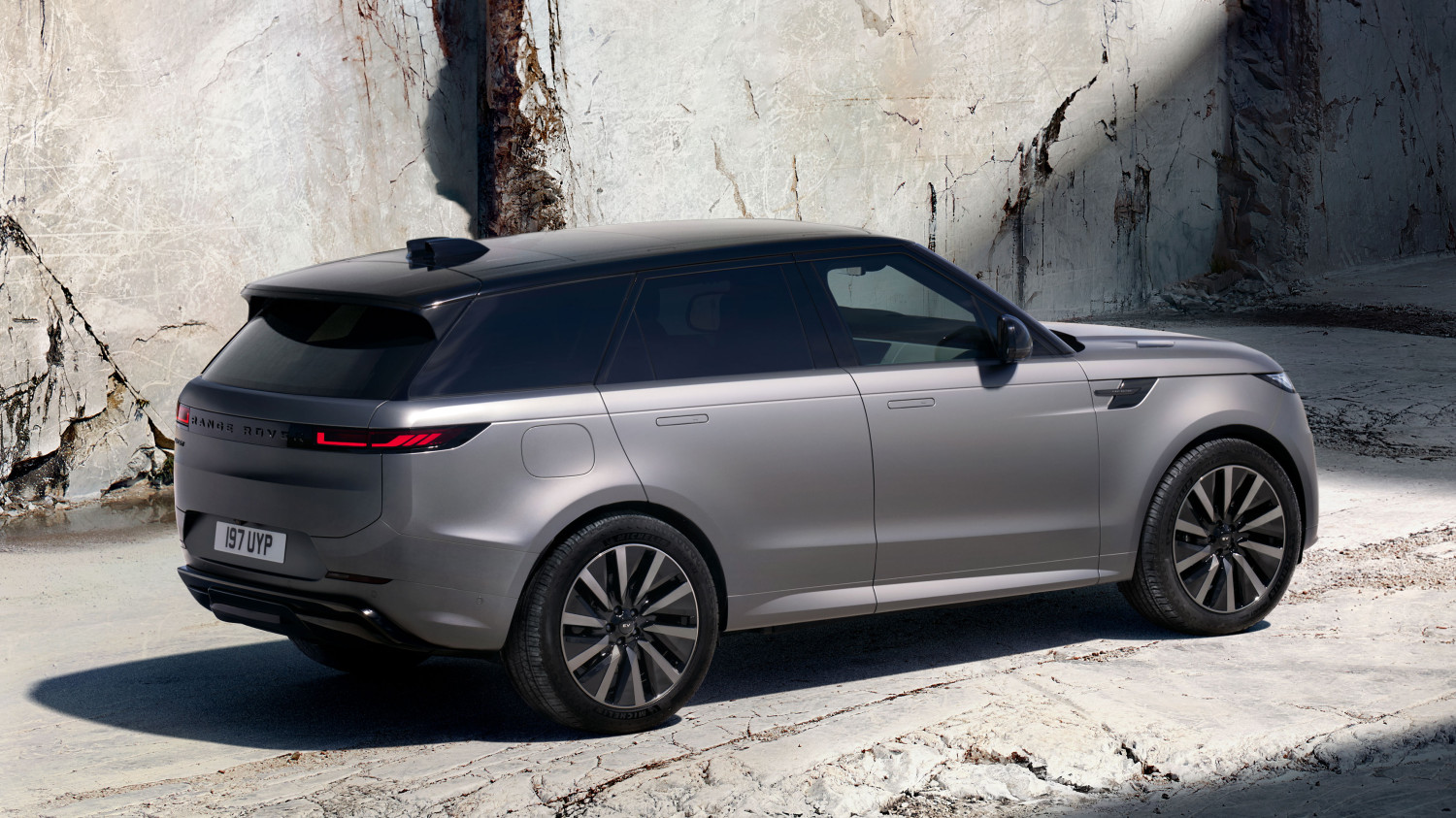
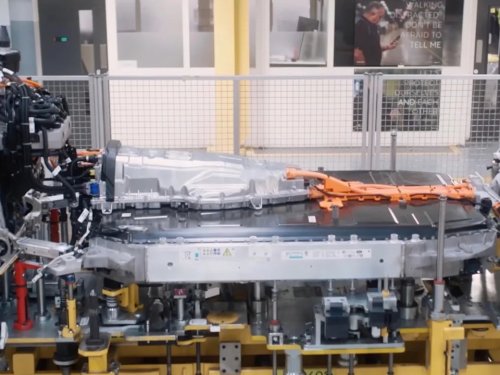
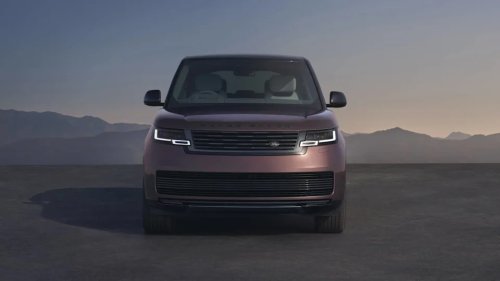
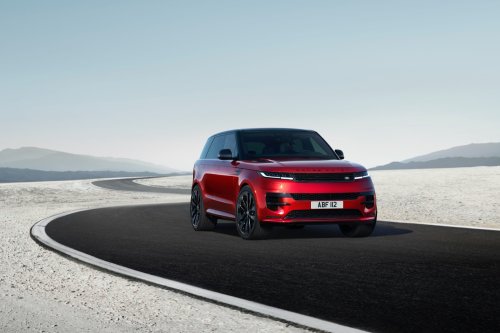
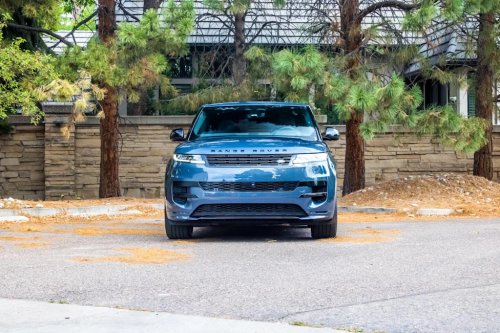
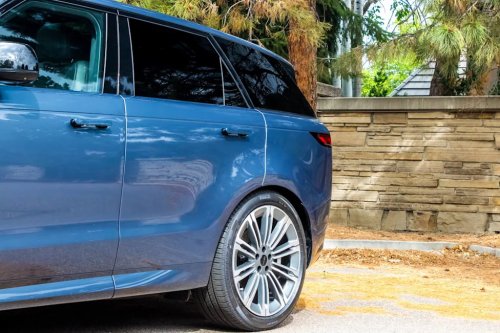
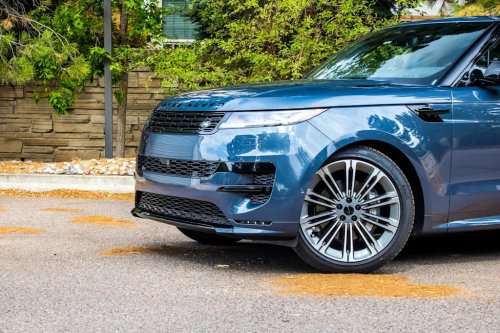
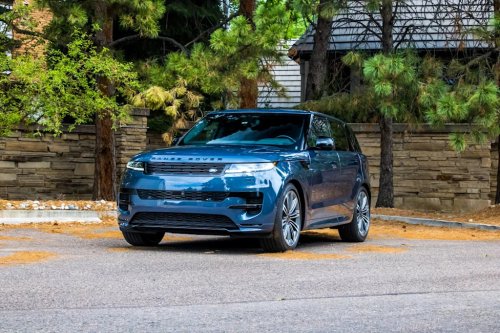
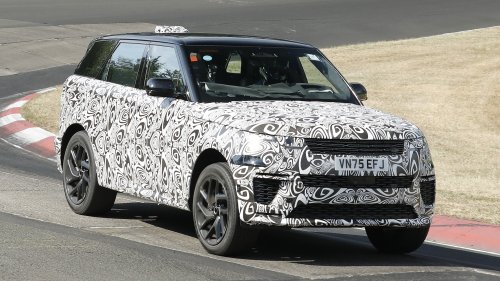
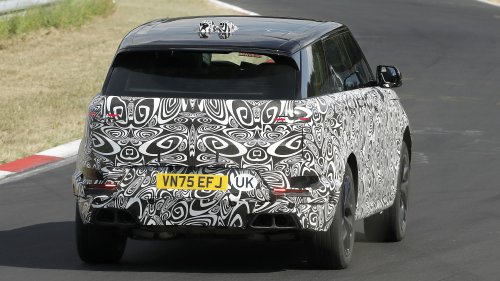
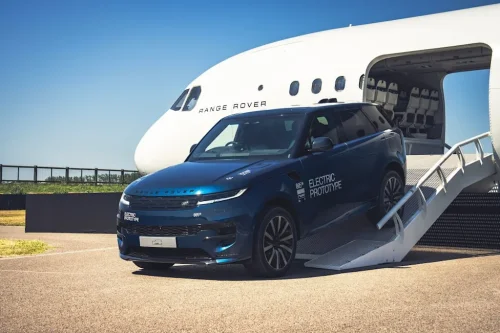
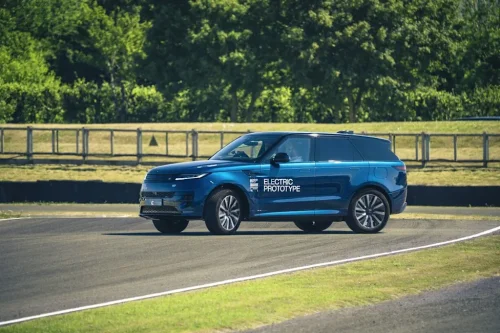
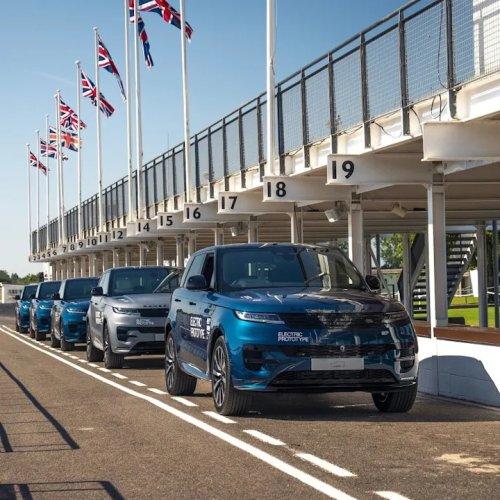
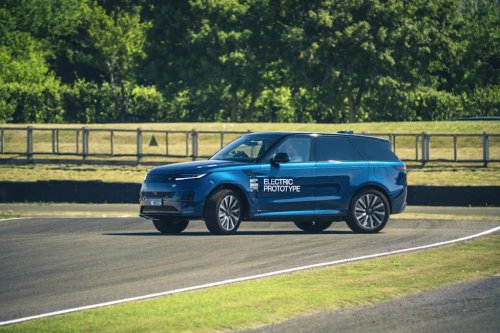
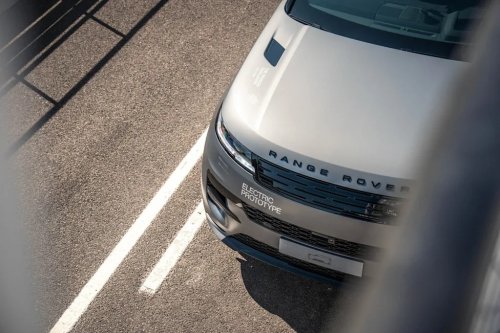
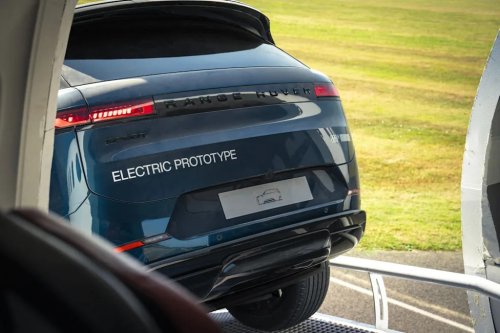
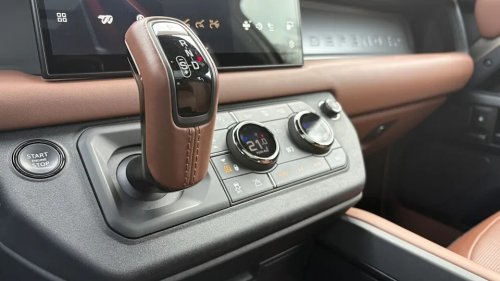
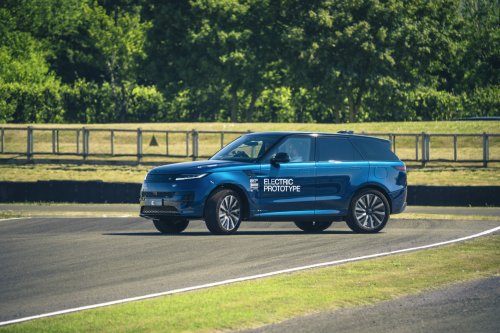
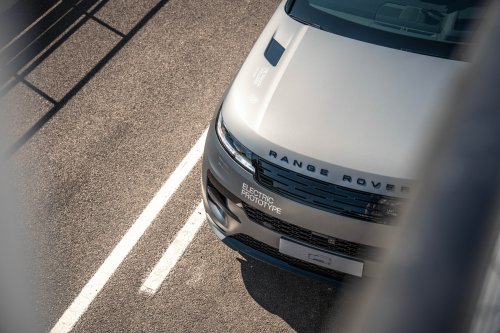
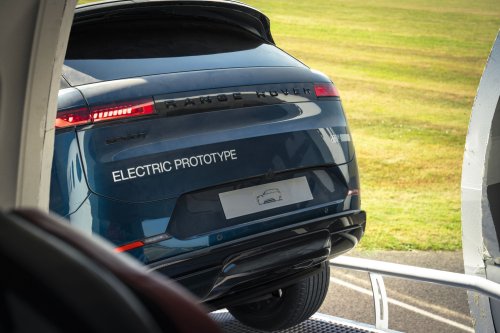
20The totem of socially unacceptable, gas-guzzling SUVs – the Range Rover Sport – is embracing electric power, good for a 374-mile range, but with little sacrifice on performance. On sale now from £109,810 and with deliveries starting in early 2027, the Range Rover Sport Electric’s torque wave peaks at 850Nm, 100Nm more turning force than the 4.4-litre V8 SV edition musters. The SUV is also stiffer and has a lower centre of gravity, thanks to a mighty battery between the wheels. You wait years for an electric Rangie, then two arrive in the same month: the zero emissions Range Rover Electric flagship went public a few weeks back. They share the same hardware – an 800-volt battery with 118.5kWh of usable energy, twin Electric Drive Units (EDUs), advanced thermal management system – but the Sport adopts active suspension and more aggressive tuning and torque delivery to deliver a distinct character. “Range Rover Sport should be our most dynamic, sporty [SUV],” said the brand’s global managing director Martin Limpert. “We are moving it further apart from Range Rover Electric in dynamics, acoustics and feel.” EDUs on the front and rear axle combine for all-wheel drive and up to 550PS in Dynamic mode, identified by the EV550 model name. That’s 542bhp, reduced to 493bhp in Comfort mode and 276bhp when Eco is nursing you to the next charger. Programme chief Simon Fairbrother said the team tuned the motors’ responses “to deliver that critical Range Rover Sport feeling”, with Intelligent Driveline Dynamics software managing the torque front-to-rear and across each axle for optimal acceleration and grip. Range Rover describes the EV550’s all-wheel-drive system as ‘virtual’, because it has no transfer case and locking differential. 20Mash the throttle to blast from 0-62mph in 4.5 seconds; that’s seven-tenths of a second slower than the SV. Blame the electric car’s 285kg weight penalty and 84bhp power deficit compared with that V8 petrol. But in the more important real-world benchmark – in-gear acceleration from 50-75mph – the EV is “more than comparable with the V8 going for gaps to pass slower vehicles”, according to Fairbrother. And the chassis is overhauled, to deliver its superhero-SUV character. Both big Range Rovers share the MLA architecture, which is 61 per cent more torsionally rigid with the EV battery bolted between the wheels. The Sport’s side pillars and roof design further enhance stiffness, making for a strong structure to boost refinement and dynamic precision. The Sport Electric’s centre of gravity drops by 73mm: engineers claim it feels more planted and controlled, an impression confirmed by our prototype drive. A maximum-attack chassis – peppered with dynamic upgrades – also helps dramatically. “With the redistribution of weight, you can really dial up the dynamics to grow the gap between Range Rover and Range Rover Sport,” Fairbrother explained. Dual-chamber air suspension and twin-valve active Bilstein dampers are shared with the Range Rover Electric, but the Sport also gets electro-hydraulic Active Roll Control (e-ARC). This can apply up to 1,400Nm of torque to each axle to stop body sway. All told, the Adaptive Dynamics 2 hardware and software can quell roll or pitching under braking or acceleration in the blink of an eye. Pull the gear selector back and the EV engages one-pedal mode. The engineers have tuned this for on-road dynamism and off-road response. The accelerator has this lovely biddable precision underfoot, then really comes into its own during off-road manoeuvres without the need to jump between throttle and brakes as in a combustion car. Lift off and the Sport slows in a smooth, linear manner, with fast-switching silicon carbide inverters harvesting regenerative braking energy as it decelerates. This unlocks a virtuous circle, enabling the engineers to fit smaller friction brakes than the V8’s, which are used less frequently, prolonging their life. “There’s also an unsprung mass benefit which helps the steering and ride,” said vehicle dynamics manager Ross Restell. The discs require a special FNC nitrogen coating to prevent them rusting; a better solution than subtly squeezing the friction brakes, which would impact range. 20To sharpen the EV550’s handling, all-wheel steering is standard, with the rear rubber turned by up to 7.3˚ to pivot the SUV into corners. That’s amplified by torque vectoring, where the brakes slow the inside wheel to heighten turn-in. All that spec looks very dynamic, but does it actually sound dynamic? “Sound design was an important challenge: how you perceive sporty, that character, comes from sound,” global project manager Rachel Hogg told us. While the Range Rover Electric’s tones were played on piano, with the Sport sound designer Alex Vine opted for a low frequency bassline, then added notes to make it more aggressive. “We tried to relate the sound to mechanical function. I took the engineers out in the car and they thought it sounded like a supercharger,” he explained. The EV550 might sound different but it doesn’t look it: aside from a blanked off grille up front, new aerodynamic alloy wheel designs and an optimised rear diffuser without the need for exhaust pipes, the EV appears stock Range Rover Sport. Under the skin is a double-stacked battery with clever thermal management to deliver 333 miles of real-world range, a figure Range Rover quotes alongside the 374-mile WLTP range enhanced by its gentle testing programme. On a 350kW charger, the battery can restore 136 miles in 10 minutes; charging from 10-80 per cent takes 22 minutes. A 450PS version has been developed but won’t be offered in the UK initially: here the range kicks off with the £109k Dynamic SE. An Autobiography costs £122,780, the First Edition £126,290. JLR has sold a million Range Rover Sports over the past 20 years; with the electric version targeting buyers previously perturbed by its excessive consumption, the performance SUV’s audience and sales can now go above and beyond.
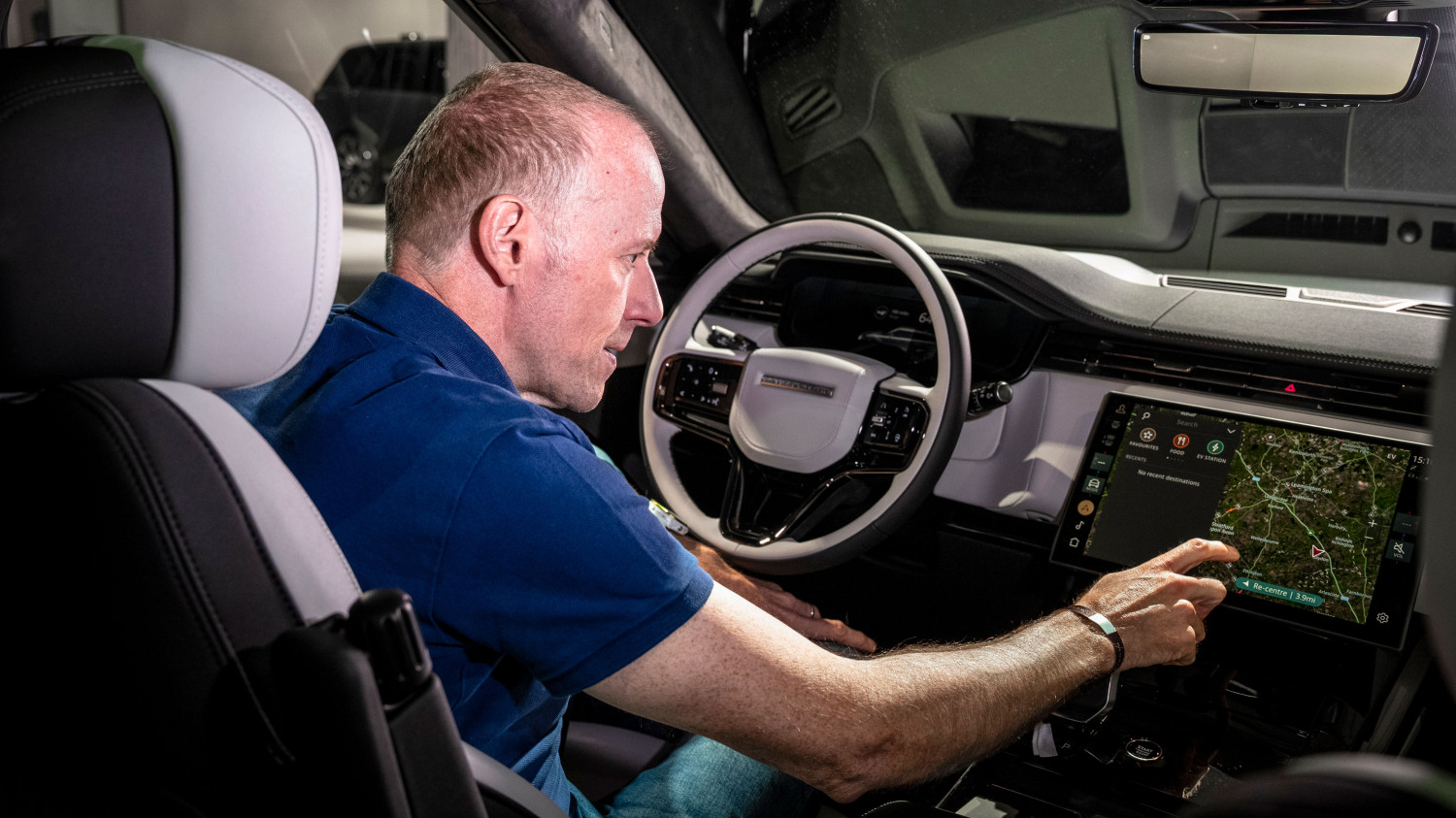



















 +64 others

![Range Rover, Range Rover Sport, Rover, Range Rover Sport Electric makes first public appearance [Images]](https://cdn.topcarnews.net/thumb/id/aHR0cHM6Ly9pMC53cC5jb20vZWxlY3Ry-ZWsuY28vd3AtY29udGVudC91cGxvYWRz-L3NpdGVzLzMvMjAyNi8wNy9SYW5nZS1S-b3Zlci1TcG9ydC1FbGVjdHJpYy1maXJz-dC1sb29rLTQuanBlZz93PTE1MDAmYW1w-O3F1YWxpdHk9ODImYW1wO3N0cmlwPWFs-bCZhbXA7c3NsPTE/bba0a01d6f9d3ba55488b2724d1ca0e3.jpeg?t=20260930&post_id=45854)
![Range Rover, Range Rover Sport, Rover, Range Rover Sport Electric makes first public appearance [Images]](https://cdn.topcarnews.net/thumb/id/aHR0cHM6Ly9pMC53cC5jb20vZWxlY3Ry-ZWsuY28vd3AtY29udGVudC91cGxvYWRz-L3NpdGVzLzMvMjAyNi8wNy9SYW5nZS1S-b3Zlci1TcG9ydC1FbGVjdHJpYy1maXJz-dC1sb29rLTcuanBnP3N0cmlwPWluZm8m-YW1wO3c9MTAyNCZhbXA7c3NsPTE/1cf833585be699c5d3bcc98fe9fd5991.jpg?t=20260930&post_id=45854)
![Range Rover, Range Rover Sport, Rover, Range Rover Sport Electric makes first public appearance [Images]](https://cdn.topcarnews.net/thumb/id/aHR0cHM6Ly9pMC53cC5jb20vZWxlY3Ry-ZWsuY28vd3AtY29udGVudC91cGxvYWRz-L3NpdGVzLzMvMjAyNi8wNy9SYW5nZS1S-b3Zlci1TcG9ydC1FbGVjdHJpYy1maXJz-dC1sb29rLTYuanBnP3N0cmlwPWluZm8m-YW1wO3c9MTAyNCZhbXA7c3NsPTE/9645be5370883902ea7b51a5329a068a.jpg?t=20260930&post_id=45854)
![Range Rover, Range Rover Sport, Rover, Range Rover Sport Electric makes first public appearance [Images]](https://cdn.topcarnews.net/thumb/id/aHR0cHM6Ly9pMC53cC5jb20vZWxlY3Ry-ZWsuY28vd3AtY29udGVudC91cGxvYWRz-L3NpdGVzLzMvMjAyNi8wNy9SYW5nZS1S-b3Zlci1TcG9ydC1FbGVjdHJpYy1maXJz-dC1sb29rLTUuanBnP3N0cmlwPWluZm8m-YW1wO3c9MTAyNCZhbXA7c3NsPTE/4946b40ac1d80c4094f75dc558d9204a.jpg?t=20260930&post_id=45854)
![Range Rover, Range Rover Sport, Rover, Range Rover Sport Electric makes first public appearance [Images]](https://cdn.topcarnews.net/thumb/id/aHR0cHM6Ly9pMC53cC5jb20vZWxlY3Ry-ZWsuY28vd3AtY29udGVudC91cGxvYWRz-L3NpdGVzLzMvMjAyNi8wNy9SYW5nZS1S-b3Zlci1TcG9ydC1FbGVjdHJpYy1maXJz-dC1sb29rLmpwZWc_c3RyaXA9aW5mbyZh-bXA7dz0xNDAwJmFtcDtzc2w9MQ/d30168e2f17ba84a0dace9f839b01c77.jpeg?t=20260930&post_id=45854)
![Range Rover, Range Rover Sport, Rover, Range Rover Sport Electric makes first public appearance [Images]](https://cdn.topcarnews.net/thumb/id/aHR0cHM6Ly9pMC53cC5jb20vZWxlY3Ry-ZWsuY28vd3AtY29udGVudC91cGxvYWRz-L3NpdGVzLzMvMjAyNi8wNy9SYW5nZS1S-b3Zlci1TcG9ydC1FbGVjdHJpYy1maXJz-dC1sb29rLTguanBnP3N0cmlwPWluZm8m-YW1wO3c9MTAyNCZhbXA7c3NsPTE/ef562cfe69285f12c4f21b767ce31d40.jpg?t=20260930&post_id=45854)