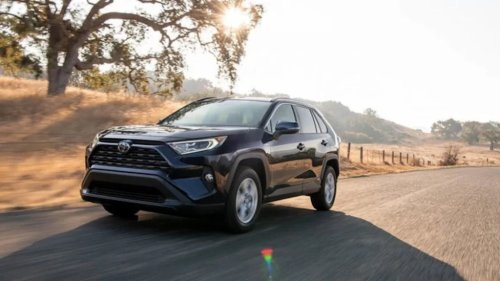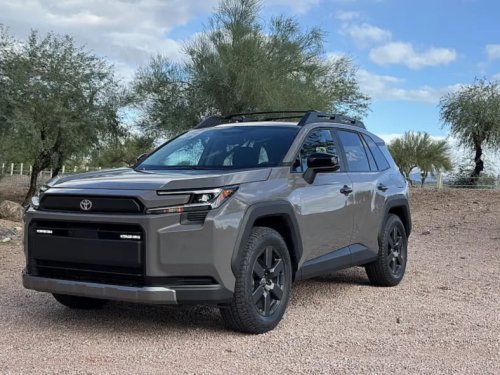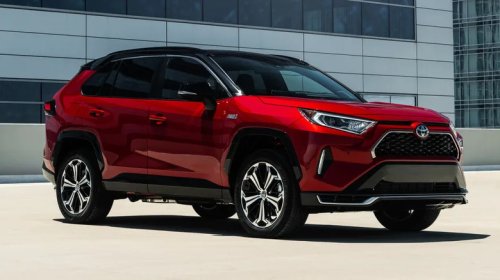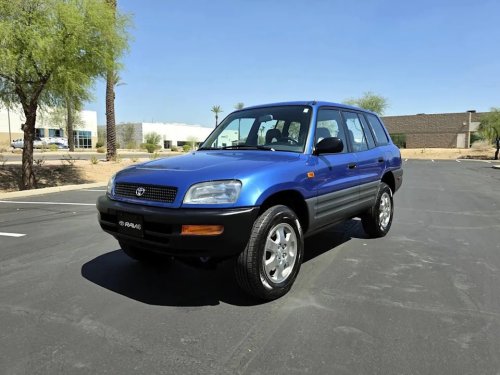



















When a North Carolina mechanic removed the water pump from a Toyota RAV4 with a "common" coolant leak, he expected the usual wear and tear. Instead, he found a nameless, brandless hunk of metal leaking from its impeller housing—and enough smeared RTV sealant to suggest someone had tried to cosplay as a professional mechanic before giving up. It was the kind of discovery that explains why a repair quote never matches whatever’s on the shelf at AutoZone. In a TikTok clip from Wilmington, North Carolina, repair technician John (@autotechjohn) sternly and methodically corrects bargain parts-and-labor shoppers for the error of their ways. It’s a lesson that could be boiled down to "You get what you pay for," but John uses the clip to break down the dollars and business decisions involved in getting a satisfactory repair. "Cheap labor typically isn't very good. Hence, why when you take your vehicle somewhere like a tire and auto facility that mainly does oil changes, tires, and stuff like that, they really don't know what to tell you about your electrical concern that your vehicle is having," he said in the clip. "You bring your vehicle to somebody like us, we can tell you what it is and exactly what we need to do to fix it." The failed part at the center of the video was a water pump with no visible branding or stamping, which was an immediate red flag. Automakers like Toyota, Honda, and Nissan typically rely on established suppliers such as Aisin to build their pumps. Aisin, a major Japanese OEM manufacturer, produces water pumps and other components used across the industry, and sells both through dealerships and the aftermarket. The company’s parts typically include stamped branding and a complete gasket kit. The pump John removed had none of that. It was leaking from behind the impeller rather than at the gasket surface, suggesting an internal failure rather than an installation error. Cheap pumps can fail early because of lower-grade bearings, inferior seal materials, or imprecise casting. The video also showed a deeper problem: the gasket surface was coated in black RTV sealant. That’s a sign, John says, that whoever installed the previous pump never replaced the necessary O-ring or replaced it incorrectly and patched the leak with silicone. RTV is designed for sealing covers or joints, not for substituting a missing gasket. Why Quality Parts Cost More Behind the frustration is a reality most drivers don’t see: Automakers rarely manufacture every component in-house. Industry suppliers such as Aisin, Denso, Gates, and Bando produce many of the parts found in new vehicles. In many cases, buying those supplier-branded components from a parts distributor gets you the same part found in the car when it left the factory, just without the dealership markup. John emphasizes that difference repeatedly. An Aisin pump includes not only the pump itself but also every gasket and seal required for proper installation. Aftermarket kits from chain stores often include only a single gasket, forcing mechanics to reuse or fabricate the rest. Several commenters backed him up. One Toyota technician wrote that "most aftermarket parts, especially spark plugs [and] alternators, suck," adding that he regularly sees early failures. Others pointed out that dealers often sell components and seals separately, which can mislead customers who don’t know what’s included when comparing prices online. The flip side is that the best aftermarket brands often produce the OEM parts anyway. Gates and Bando make belts for many manufacturers; Monroe builds shocks for numerous OEM programs; and Denso remains one of the largest oxygen sensor suppliers in the world. For many buyers, the best option is acquiring these parts directly rather than through a dealership. The other half of the pricing debate focuses on labor. John says his shop charges $145 per hour, an amount some commenters called "cheap" given nationwide averages. According to AAA, "Almost half of all auto repair shops price their labor between $120 and $159 per hour." Rates vary widely by region and specialization, however, from less than $100 to $250 or more. Shops with master technicians, advanced diagnostics, and professional-grade tools typically charge more than basic service centers. The cost goes toward specialized training, insurance, equipment calibration, and the overhead required to stand behind warranty work. When customers bring their own parts, that warranty becomes complicated. If a customer-supplied part fails, the shop often must redo labor at no charge to maintain goodwill, even though the failure wasn’t its fault. That’s why many mechanics refuse to install customer-supplied components altogether, especially when those parts come from chains known for selling remanufactured or offshore-made units. Know What You’re Buying Several commenters noted that aftermarket parts aren’t inherently low quality. One viewer said his $285 aftermarket IPR valve outperformed the $532 OEM Ford replacement. Another argued that "the cheapest guy in town may be the best mechanic in town," suggesting expertise isn’t always tied to price. That nuance is part of the bigger message. The aftermarket is full of exceptional suppliers and full of bargain-bin components that may not meet OE specifications. Knowing the difference requires technical knowledge, experience with vehicle history, and sometimes just the intuition that comes from handling thousands of parts. That’s a key reason why many shops spec their own components. It minimizes surprises and limits comebacks. It also allows them to stand behind the repair. At the end of the clip, John encourages drivers to consider the cost beyond the upfront price. The message resonates because most drivers have been there—staring at a quote that’s higher than expected, and wondering whether the cheaper option is "good enough." The video’s comments section is full of people sharing experiences with both outstanding aftermarket parts and catastrophic failures of bargain-brand parts. But the main point is harder to ignore: Replacing a part once with an OE-equivalent component and proper installation usually costs less than replacing it twice with whatever was cheapest online. For anyone tempted to compare a professional estimate to the lowest price on a parts website, the RAV4’s leaky, nameless water pump might be a reminder worth heeding. Motor1 reached out to John via direct message and commented on the clip. We’ll be sure to update this if he responds. We want your opinion! What would you like to see on Motor1.com? Take our 3 minute survey. - The Motor1.com Team