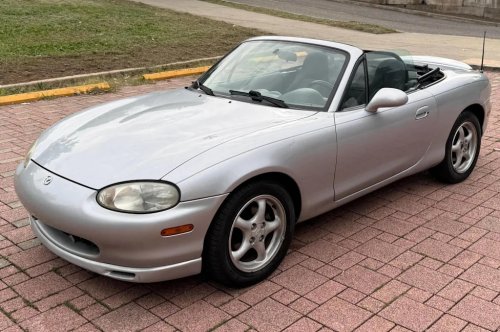
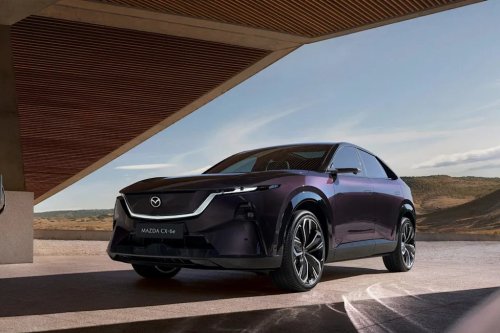
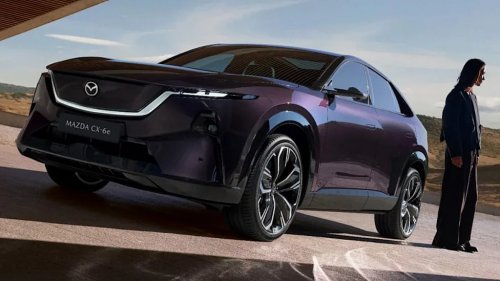
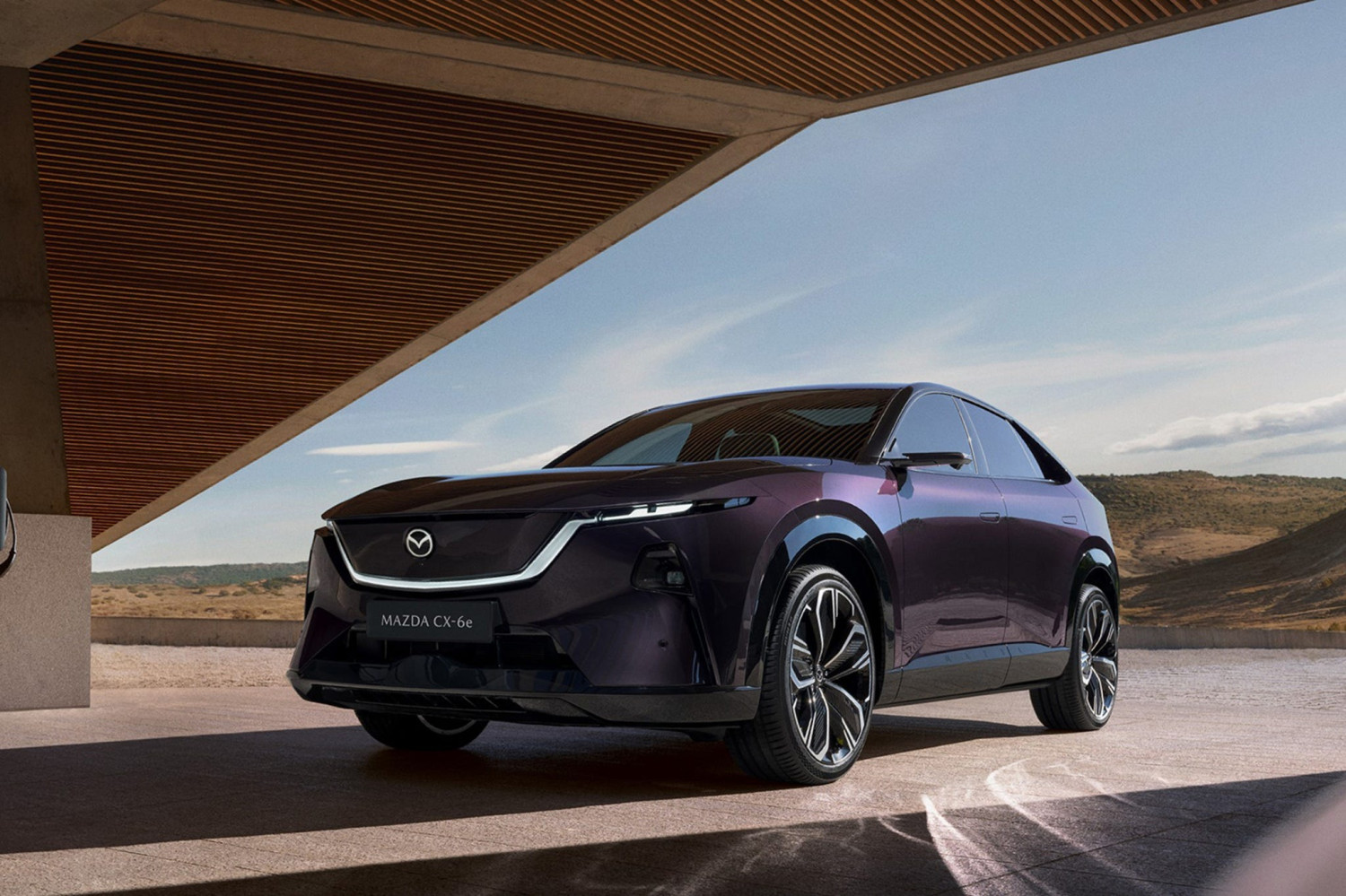
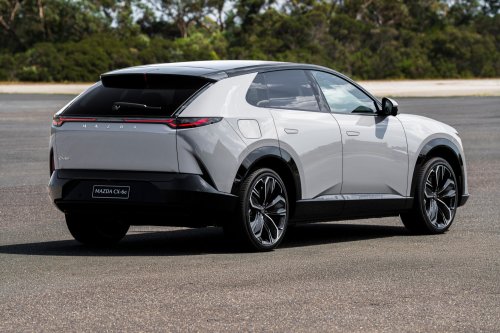
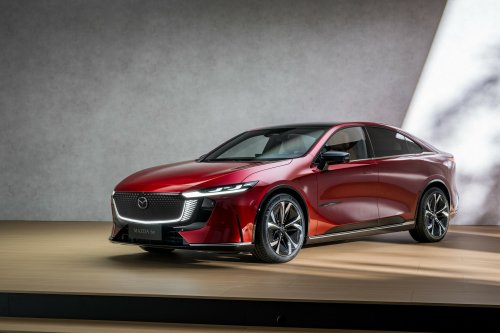
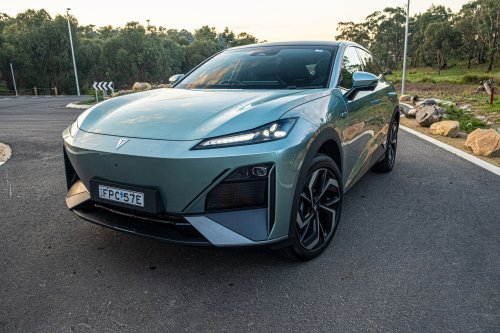
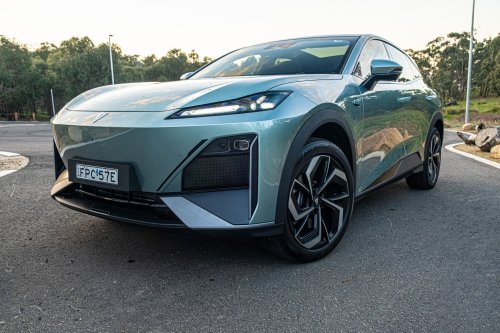
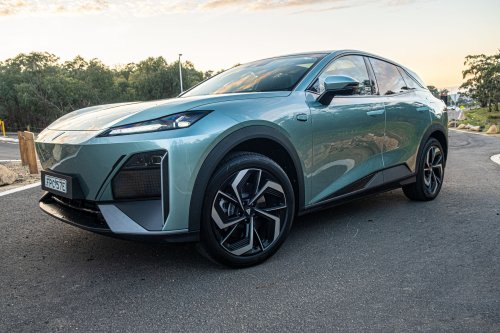
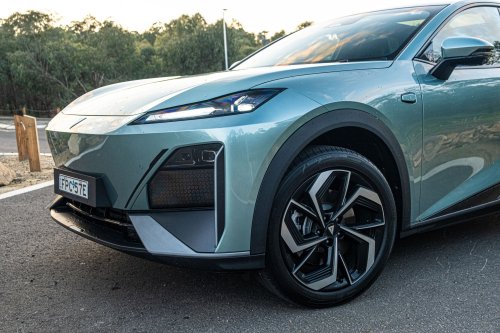
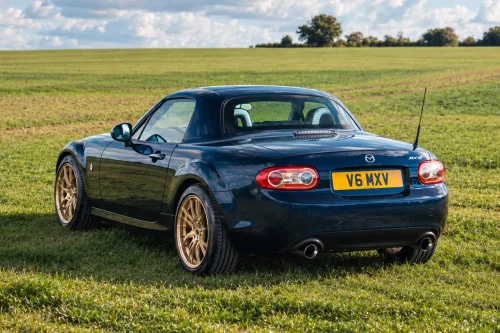
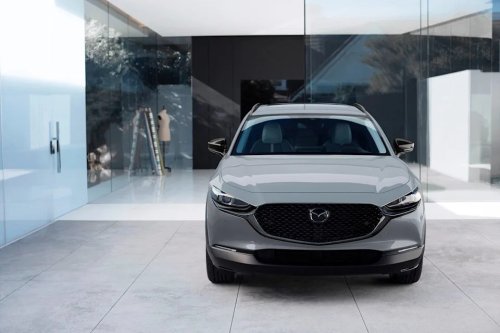
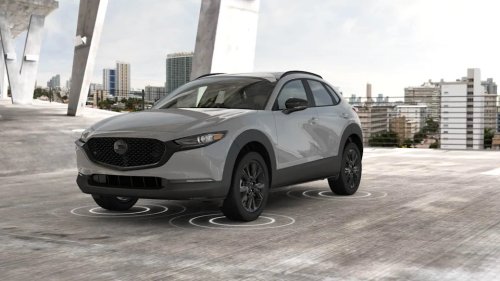
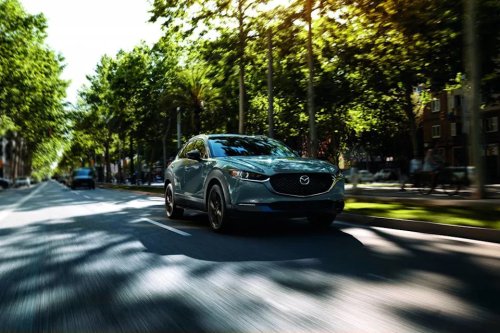
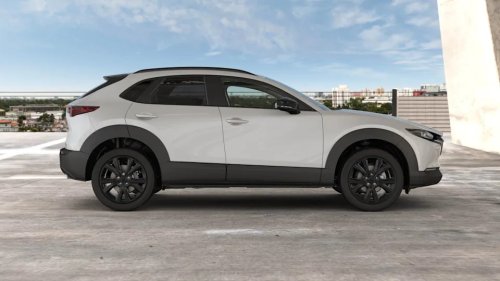
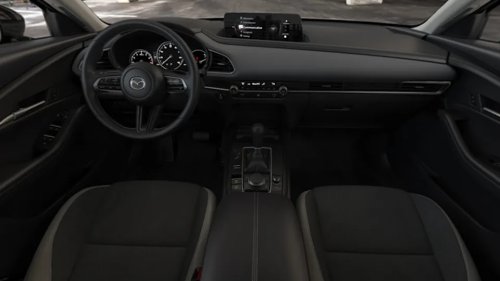
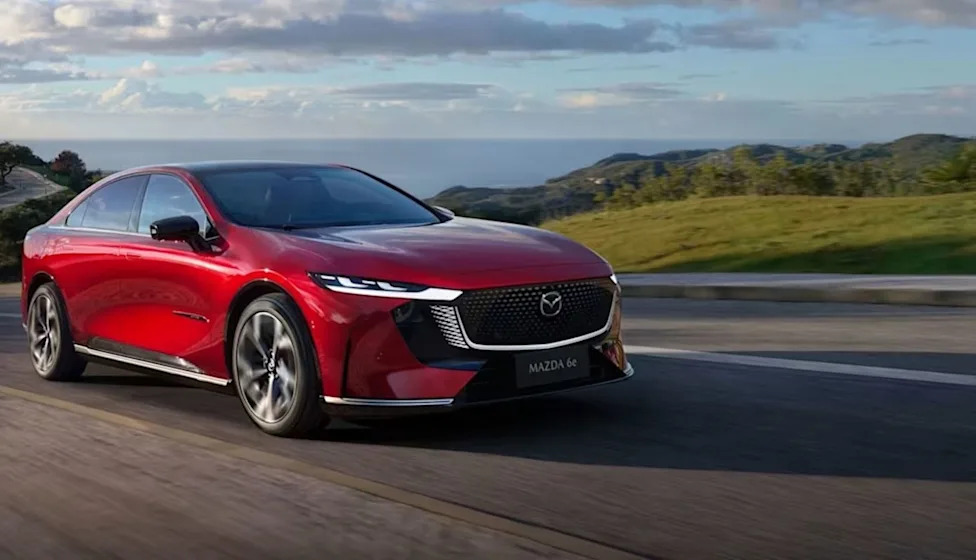
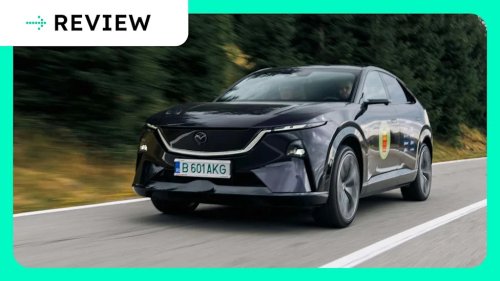
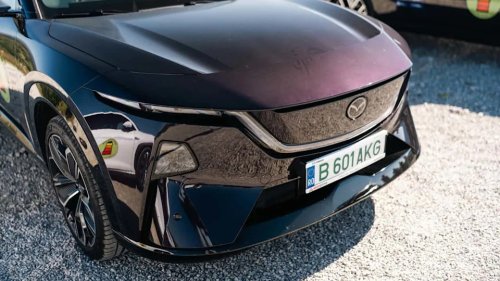
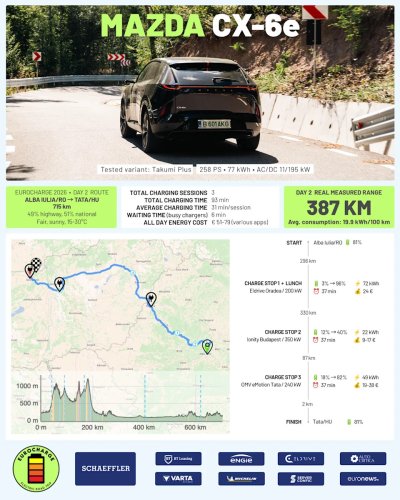
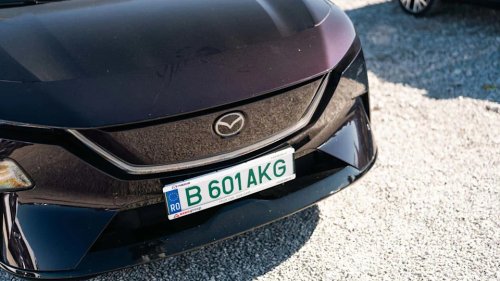
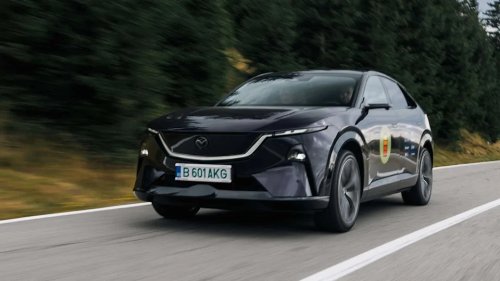
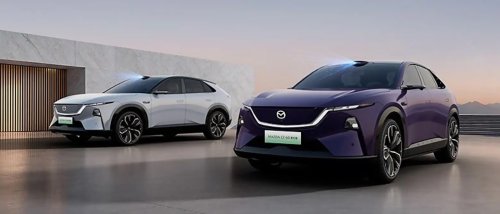
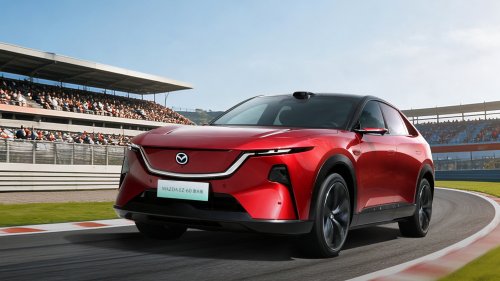
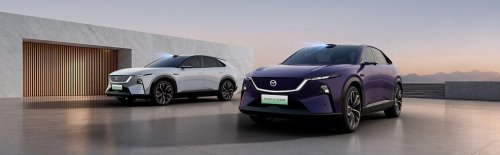
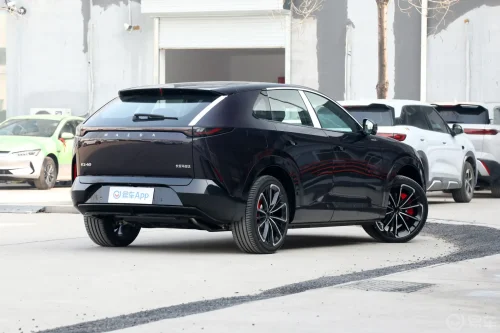
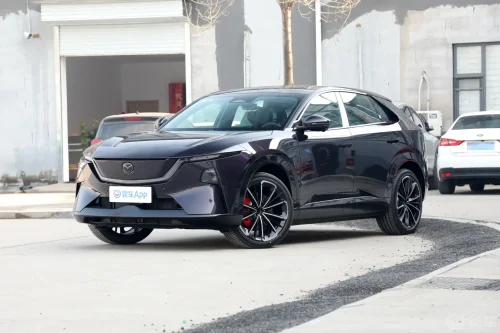
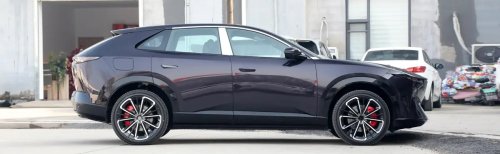
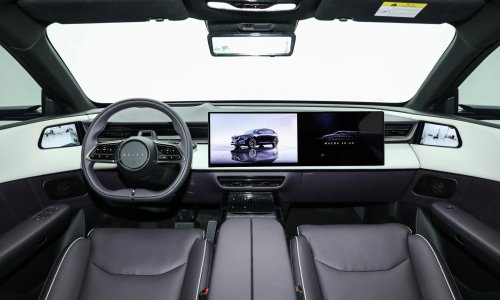
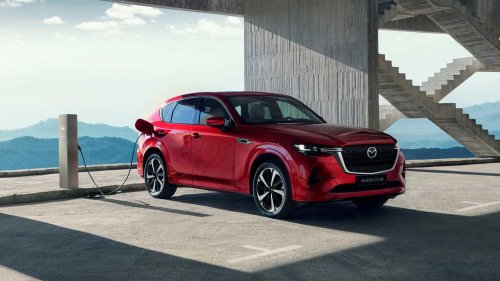
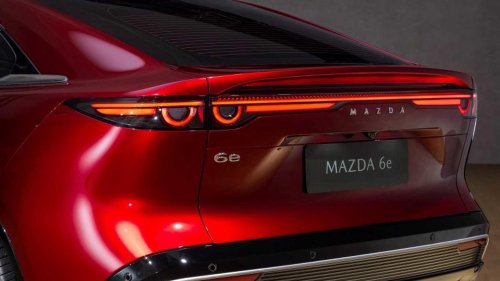
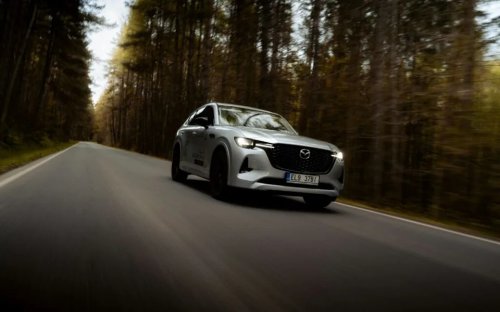
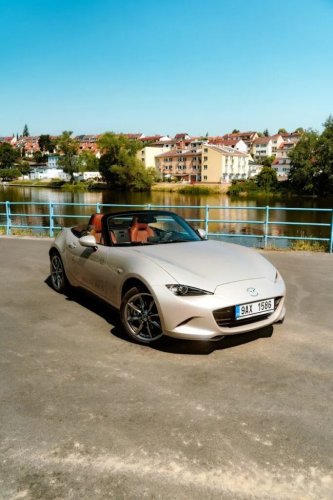
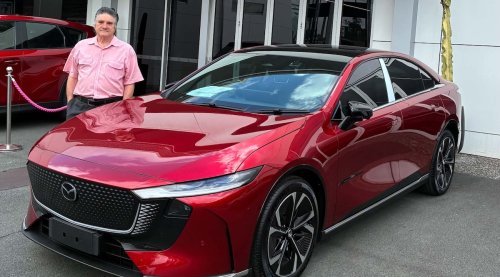
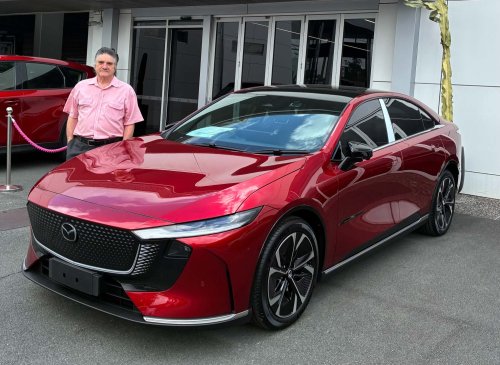
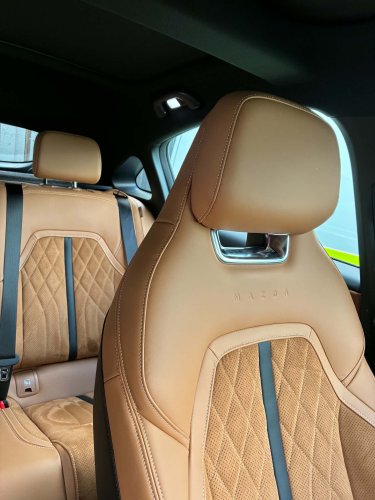
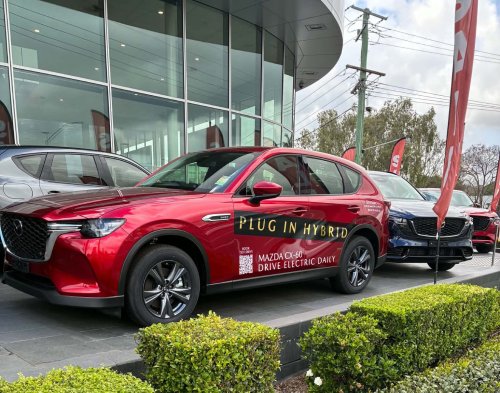
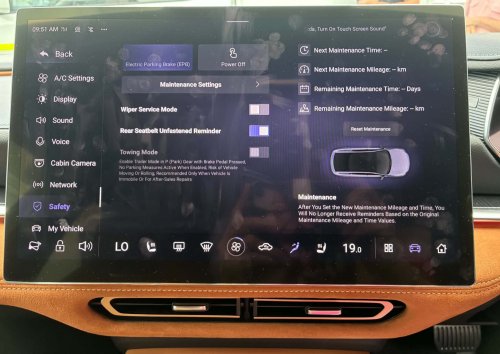
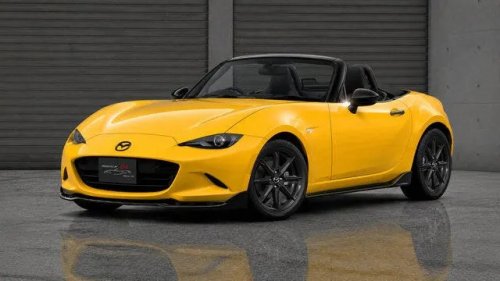
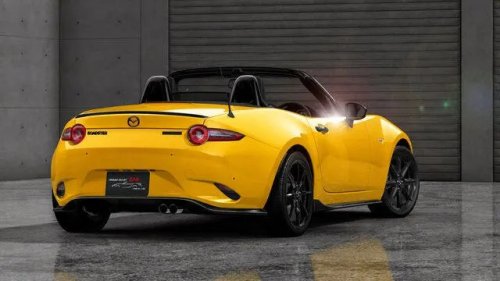
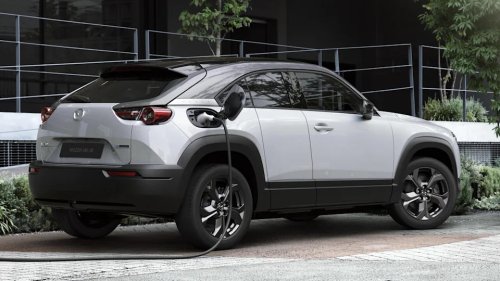
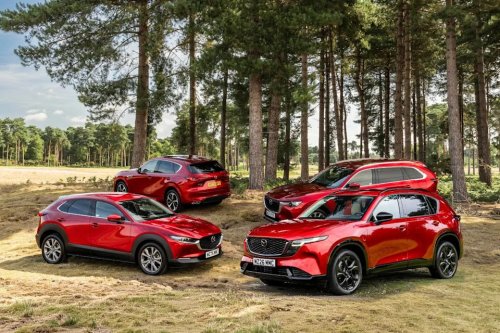
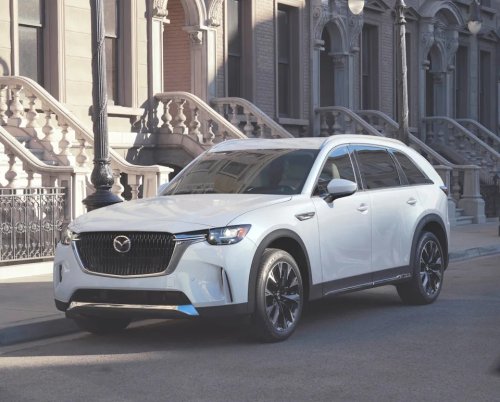
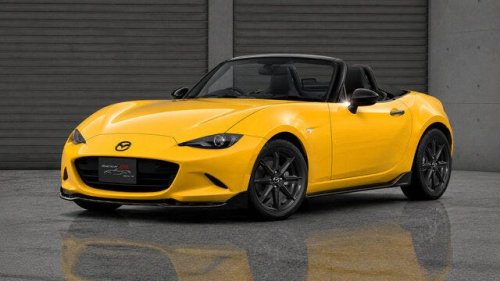
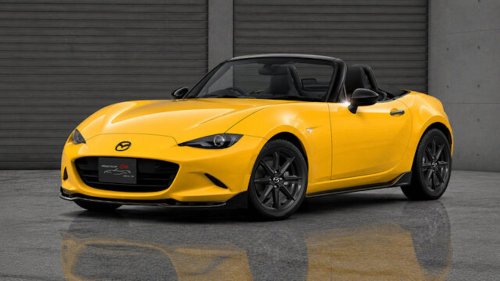
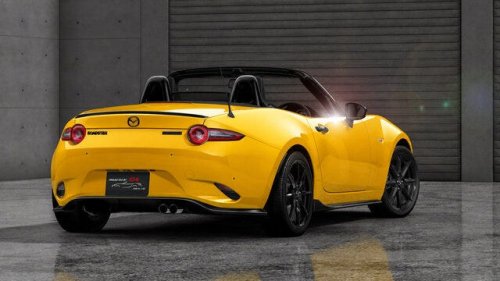
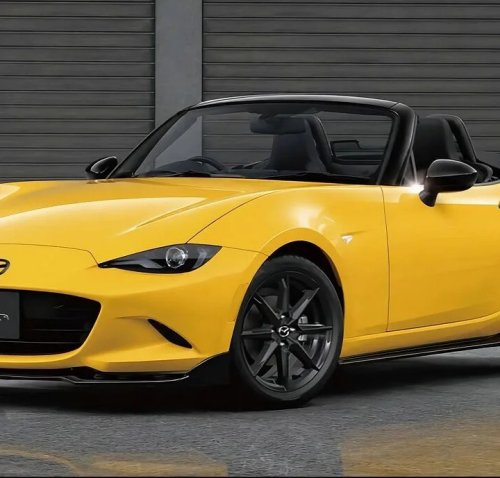
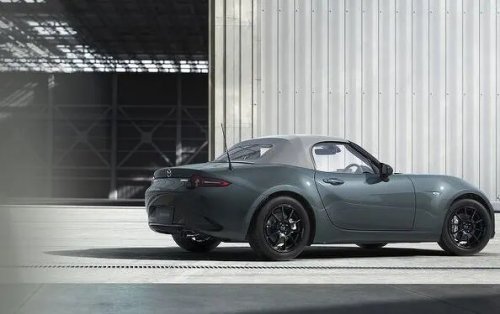
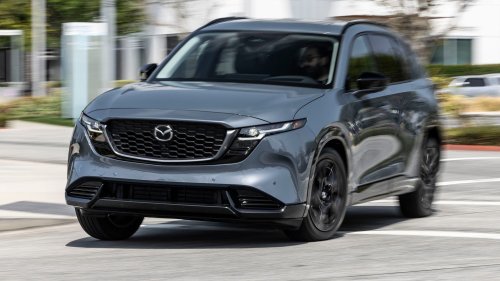
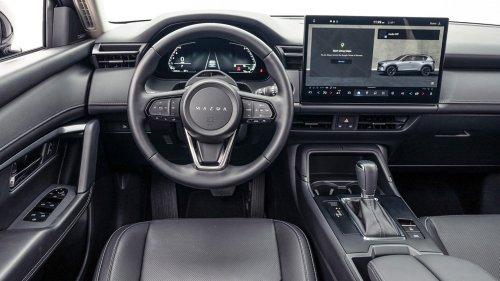
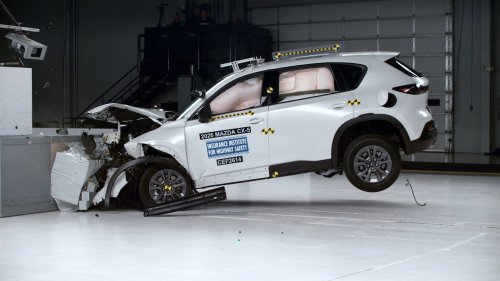
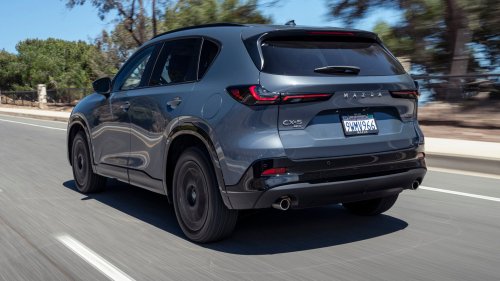
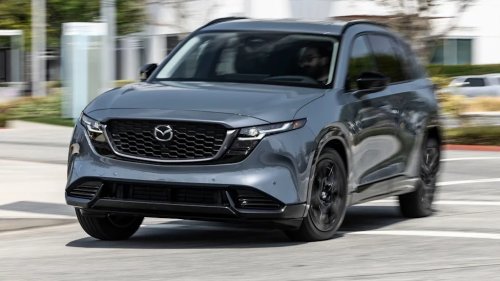
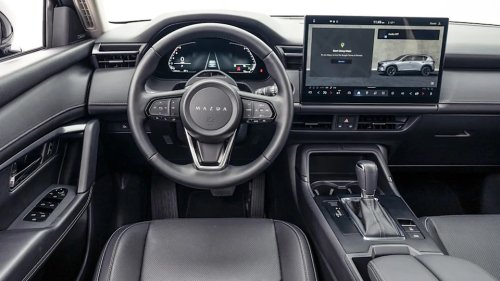
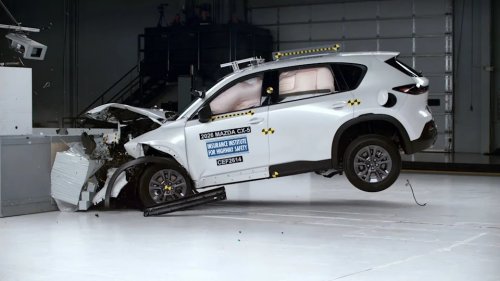
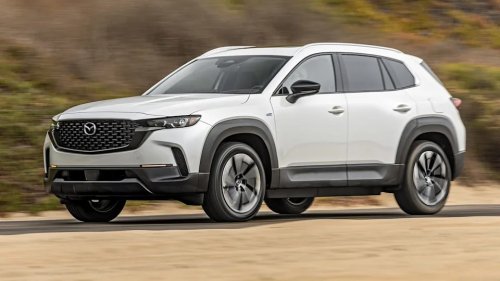
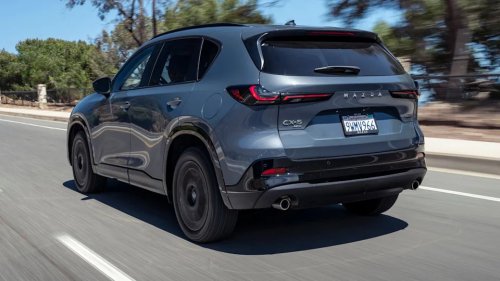
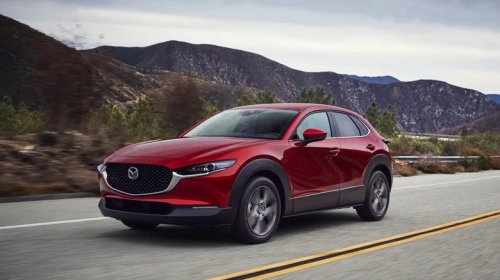
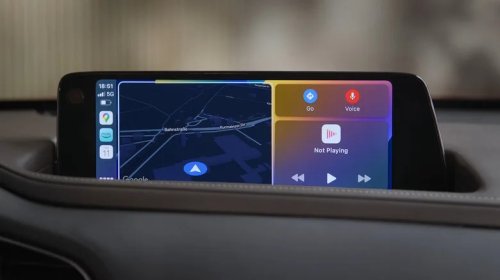
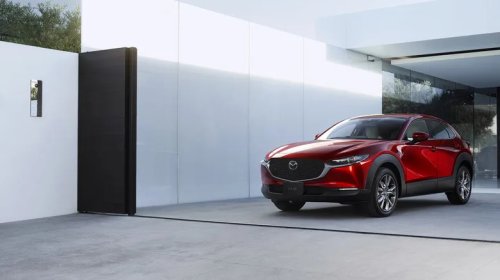
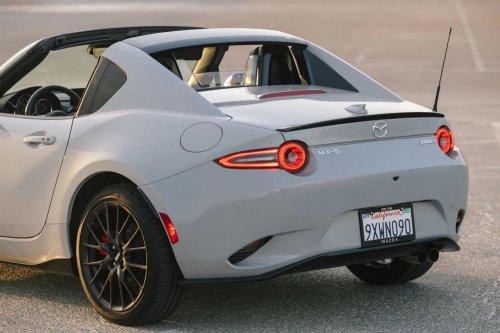
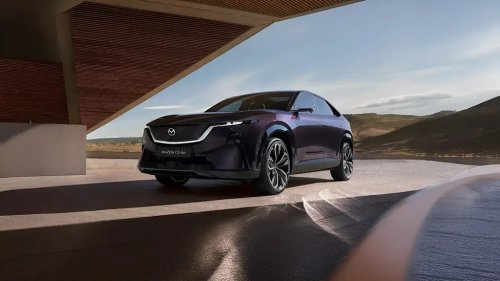
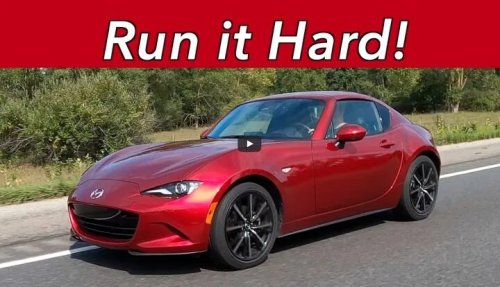
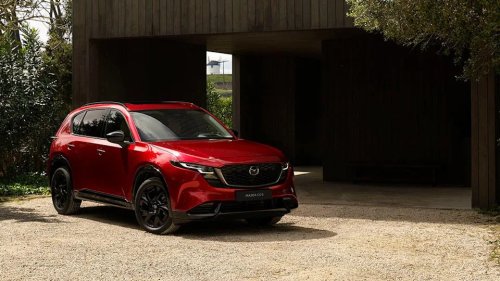
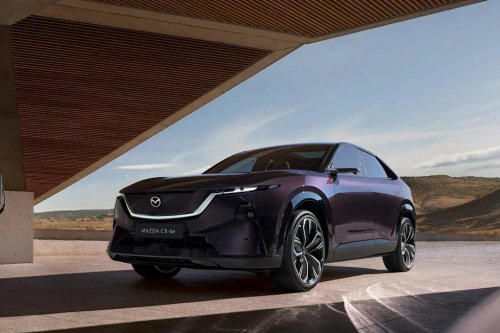
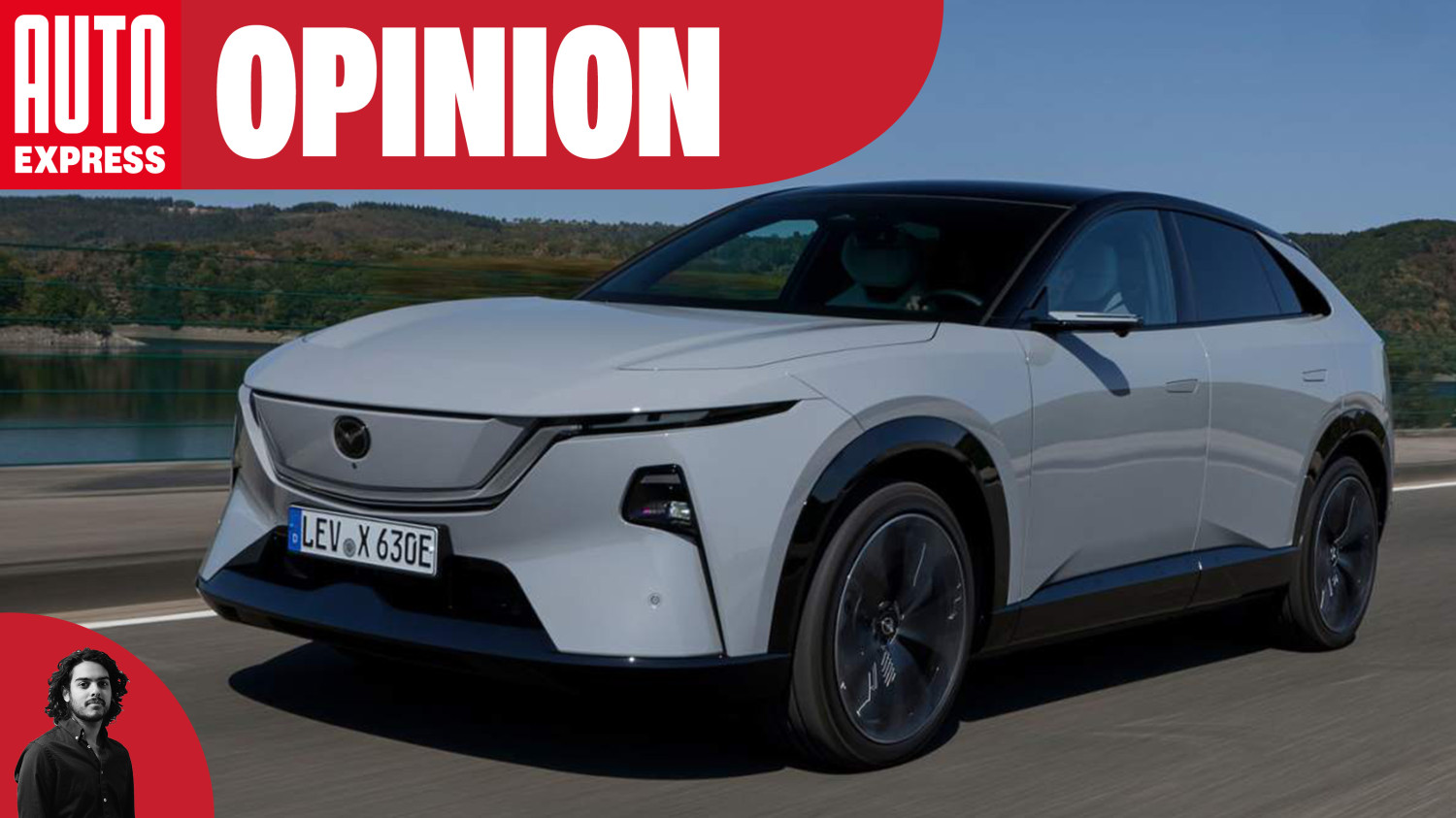
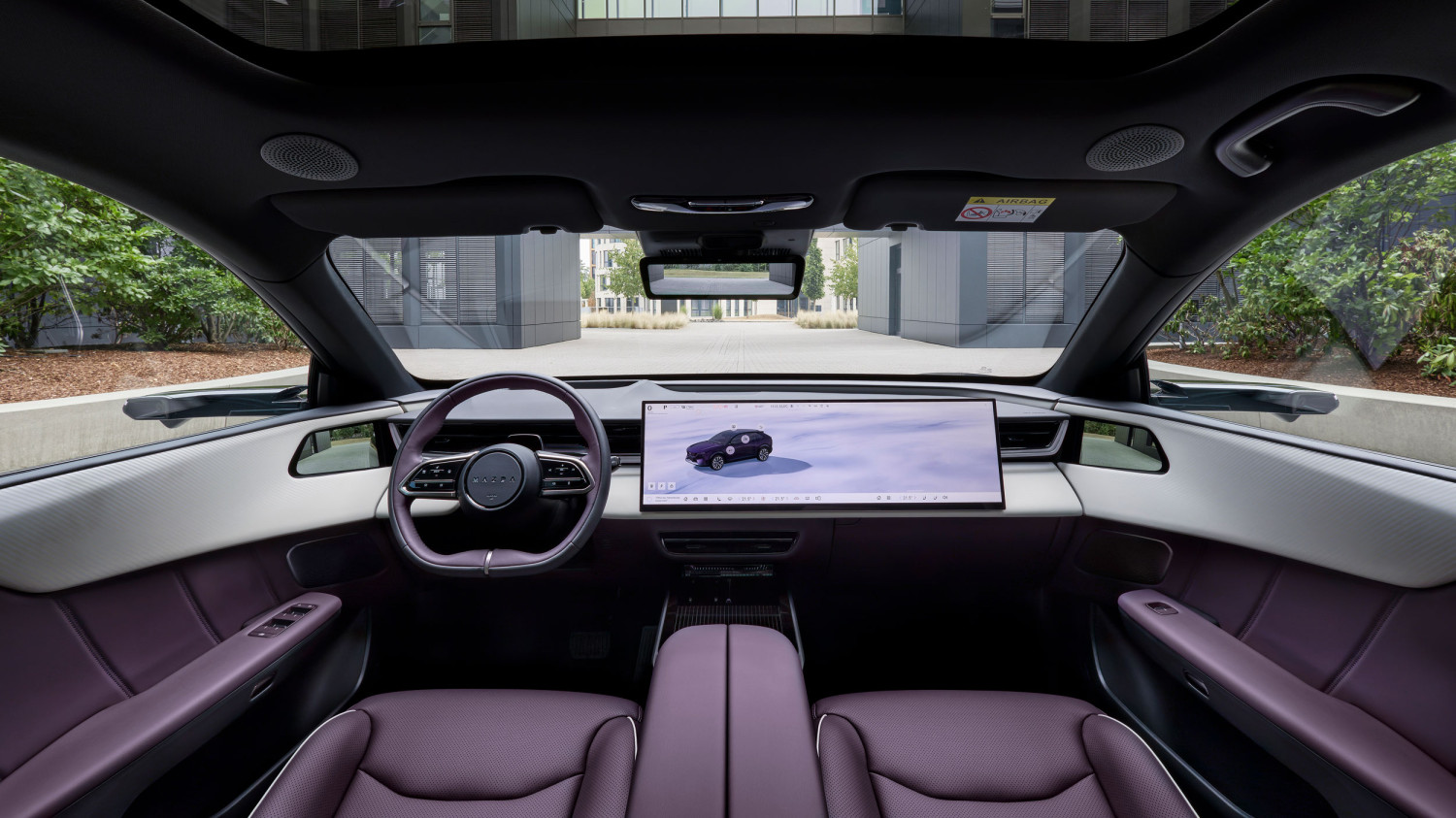
Because of the unusual way that modern carmakers now have to operate to compete in both ICE and BEV marketplaces, we’ve arrived at what is a fascinating litmus test for Mazda. Within the space of six months, the Japanese brand has brought two all-new SUVs to market that by many accounts feel like they have come from completely different manufacturers. And that’s in large part because they have. Engineered and designed from the brand’s very core in Hiroshima, Japan, is the new CX-5, a direct replacement for the firm’s most successful model of the last 20 years. The new car is so important, in fact, that Mazda has acknowledged it couldn’t do anything to risk its customer base by changing too much, and so tread carefully in terms of design, engineering and interior presentation. The CX-5’s customers are truly global, with sales split between Japan, Australia and the USA, plus it’s the foundation of Mazda’s European sales which although small in contrast, remain important. The CX-6e, on the other hand, is a new addition to the range, and takes a very different approach. It’s built via a joint venture between Mazda and Changan, and has been specifically driven by the demands of the Chinese market. The CX-6e isn’t just progressive thanks to the electric powertrain, but also its dramatic interior and futuristic styling. Put it side by side with the CX-5 and you might be forgiven for thinking the latter is a generation behind. Perhaps even two. For the CX-6e, caution has been thrown to the wind. In some parts, this is due to its Chinese origin, which has delivered elements such as the cabin’s crazy 26-inch screen and digital mirrors. But its innovation goes deeper than that. The quality of the CX-6e’s design is utterly superb, with dramatic shapes and superb detailing that take Mazda’s current Kodo design language to a new place. Thanks to the sheer speed of its development, the new CX-6e acts as a sort of window into the future, a Mazda that’s unchecked by the potentially overly conservative nature of the cars that make up the company’s core business. But there is an issue here. Mazdas are generally sold on their appeal as drivers’ cars, and in this respect even the biggest screens or most futuristic lightbars can’t hide the fact that where it matters – on the road – the CX-6e doesn’t embody the values that traditionally make a Mazda feel like a Mazda. My Auto Express colleagues have suggested the CX-6e is rather average to drive, with no real sense that it could only be an SUV from the company responsible for the wondrous MX-5. Instead, it drives like an SUV from… well, anyone. And this is perhaps where the killer blow might land. Legacy brands are being forced into pushing their historic associations more than ever. Faceless Chinese models, with an average driving experience and a thin sense of individuality, are flooding the market, and the last thing Mazda needs to do now is expose itself by going down a similar route. However, just imagine if the best of these factors could be combined: the speed and innovation of the Chinese, with the sensibility and thoroughness of the Japanese. The CX-6e could have been so much more; it should have been so much more. Let’s hope Mazda and Changan can execute something more complete in their next collaboration.



















 +17 others