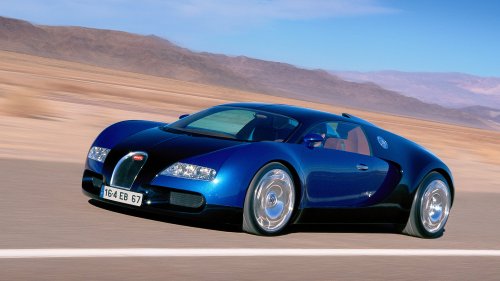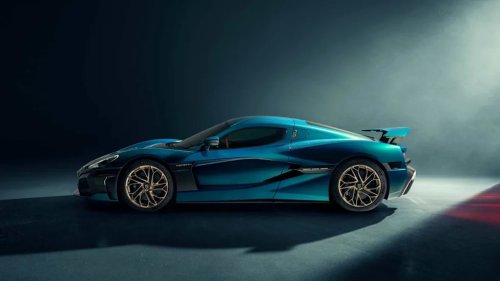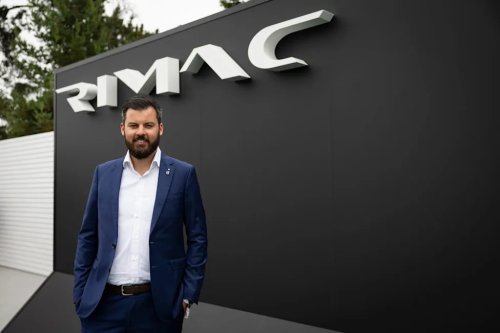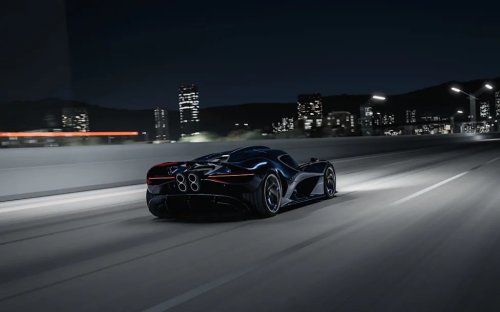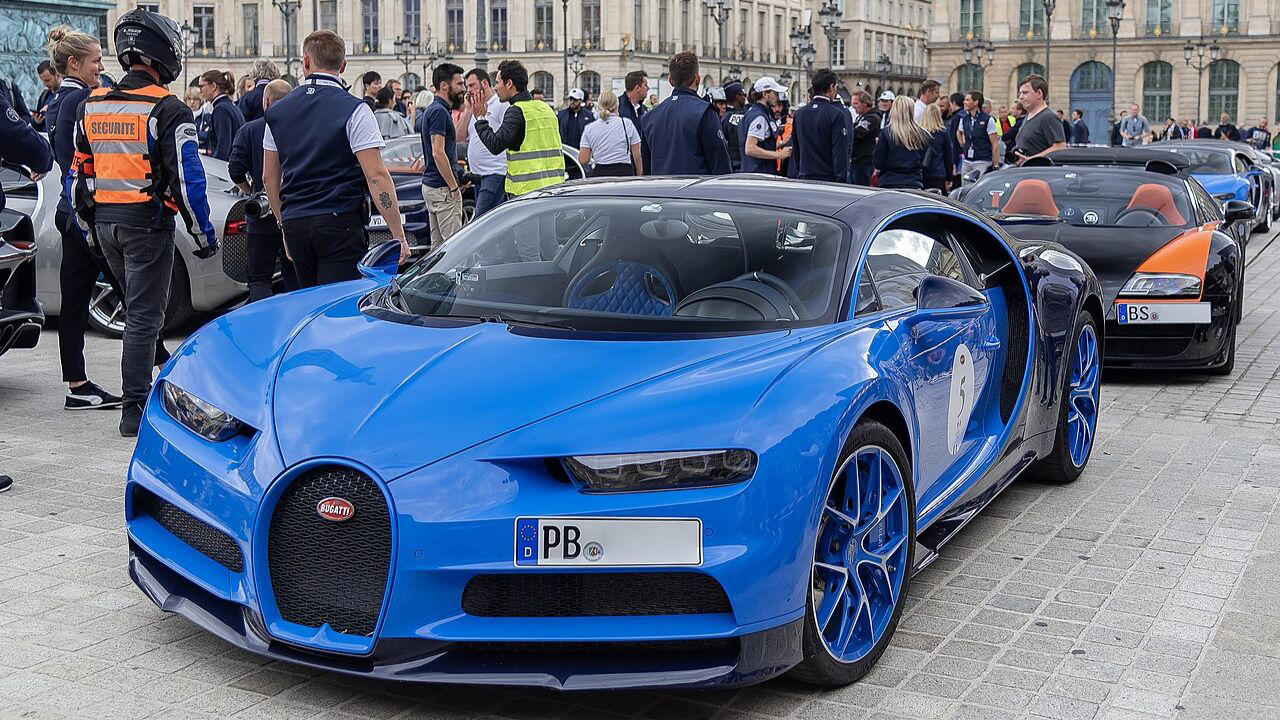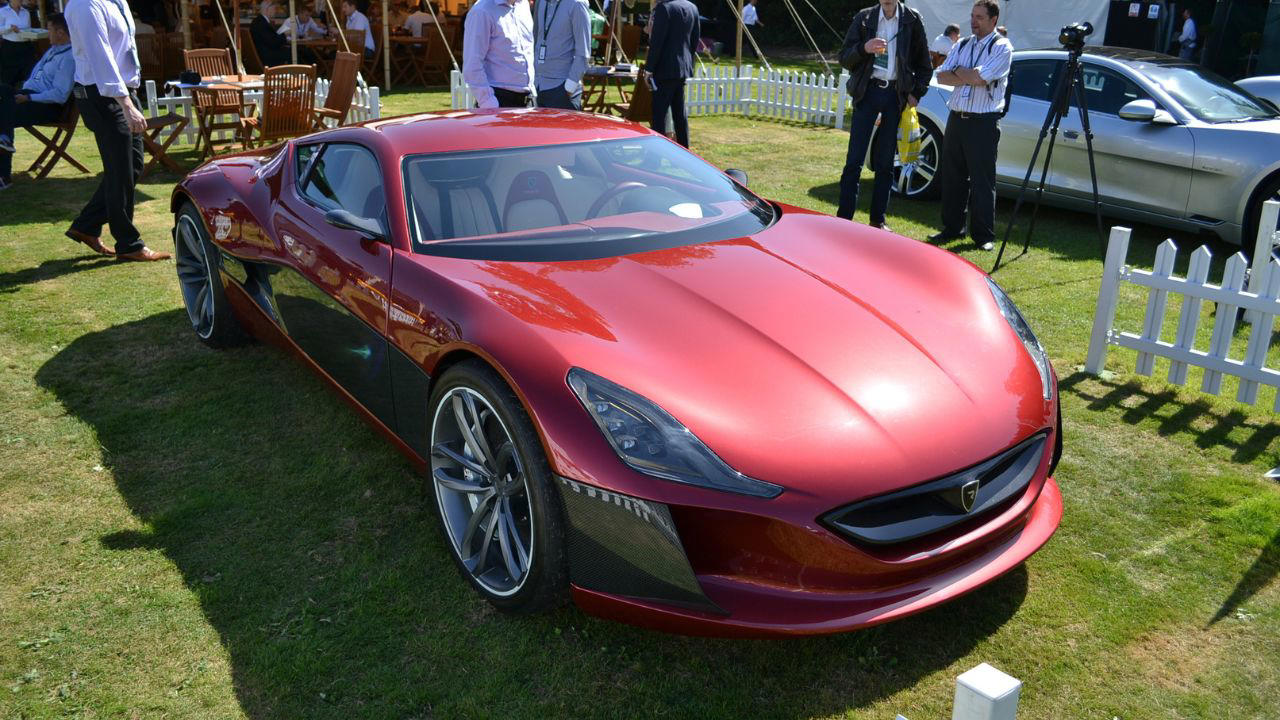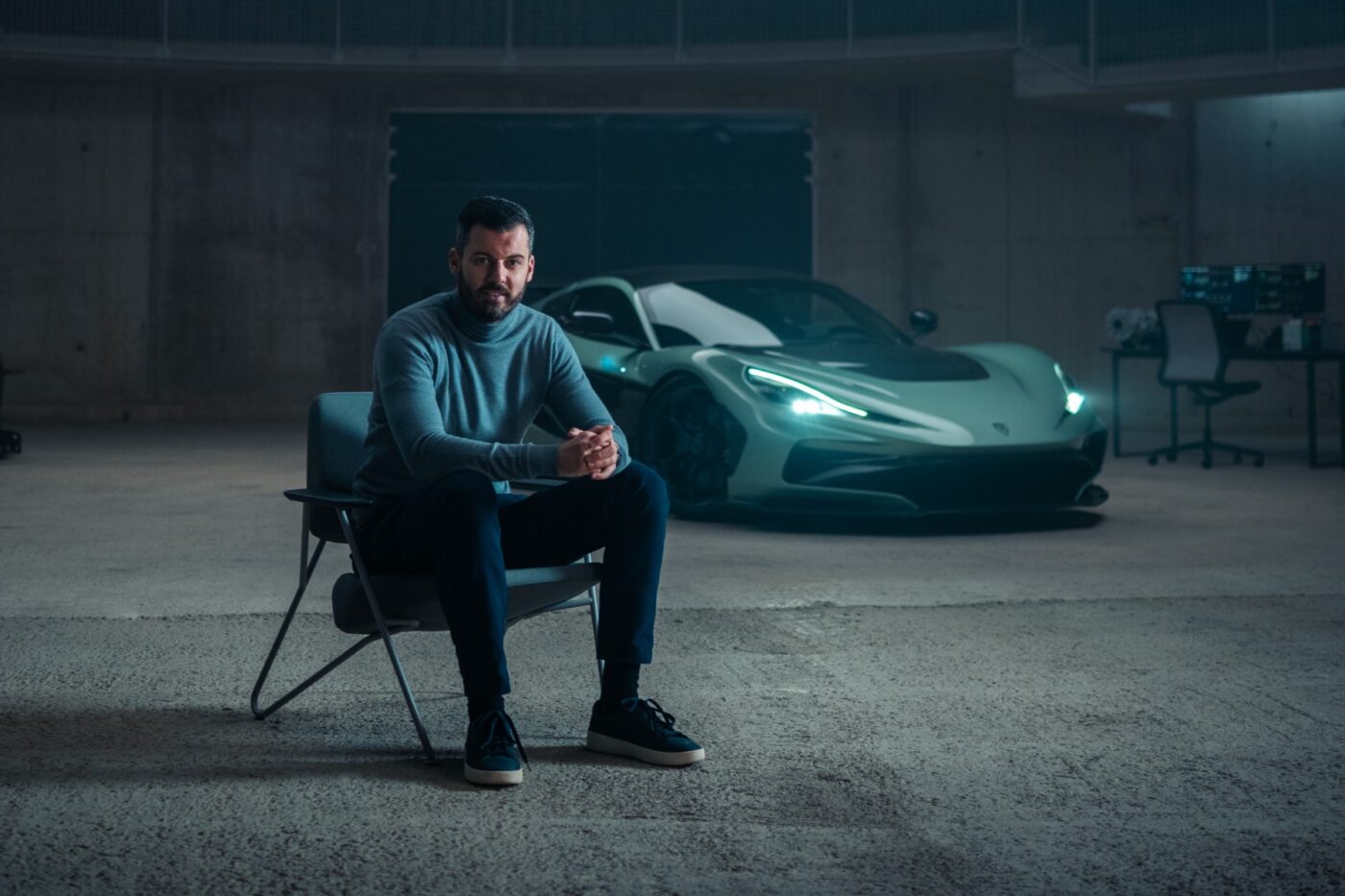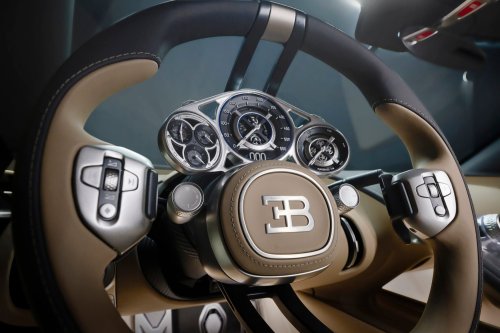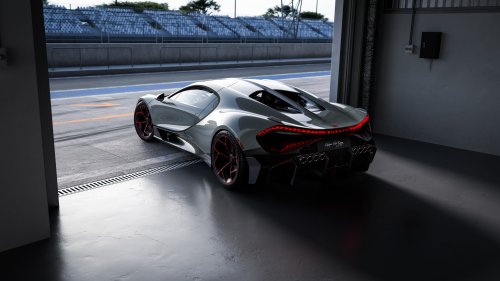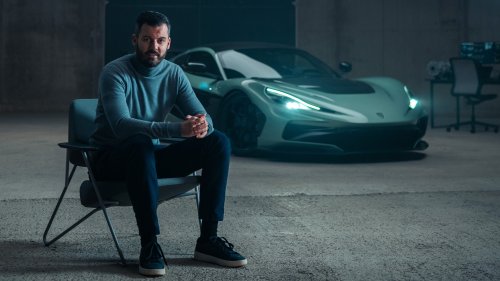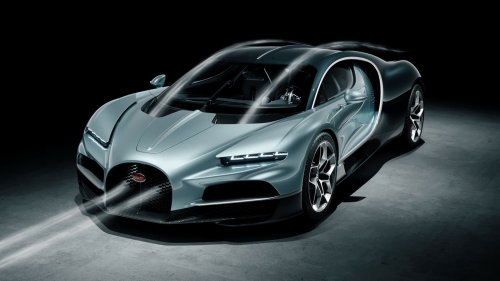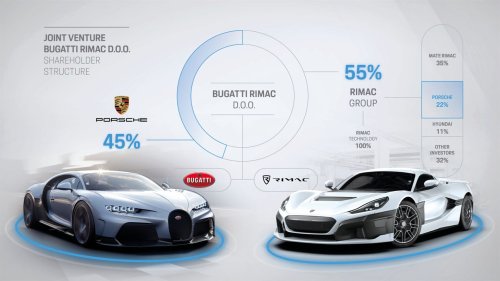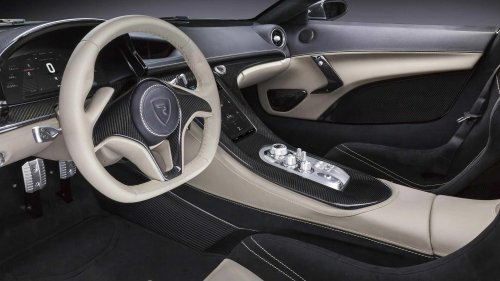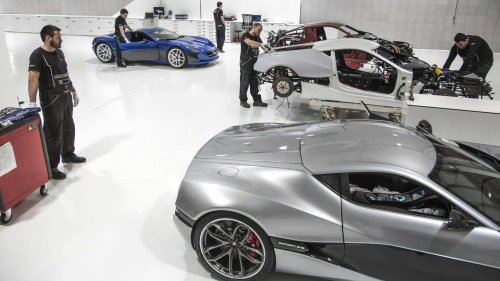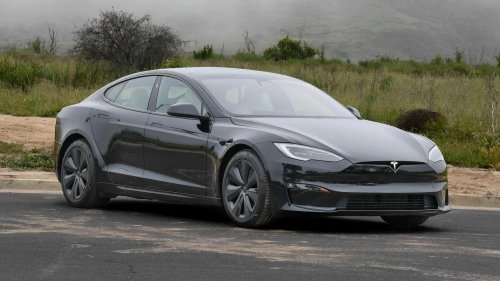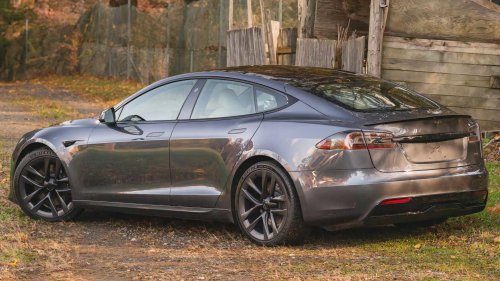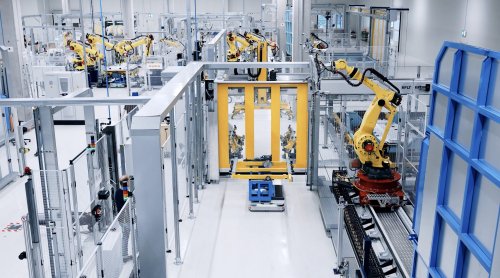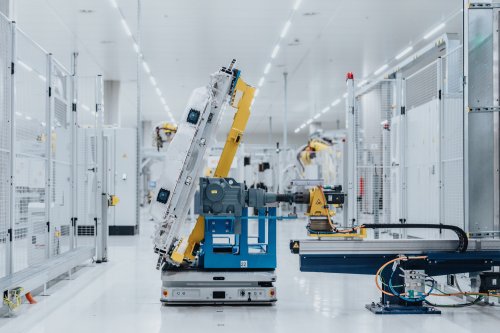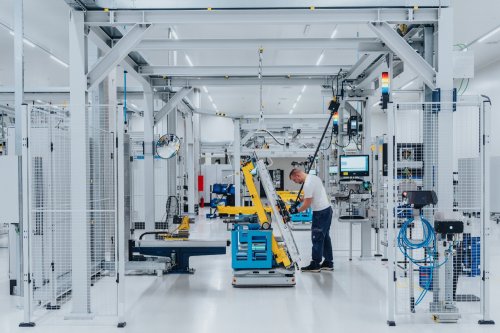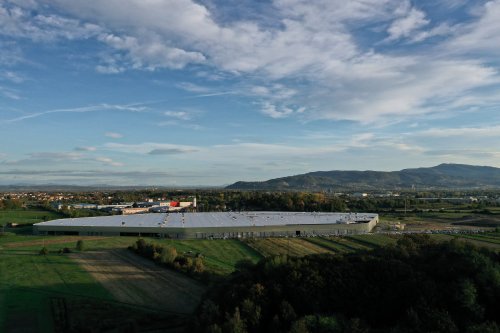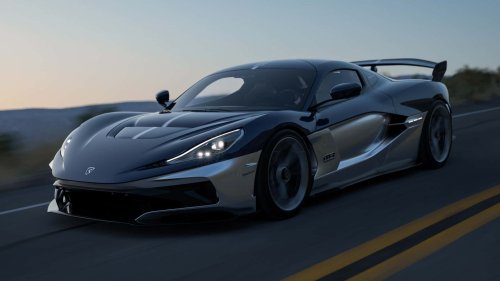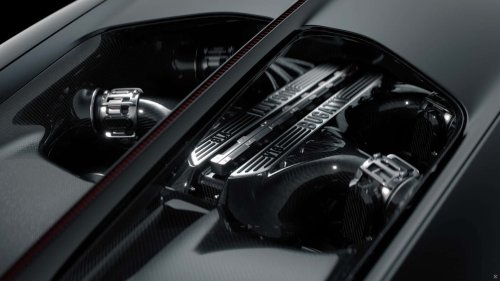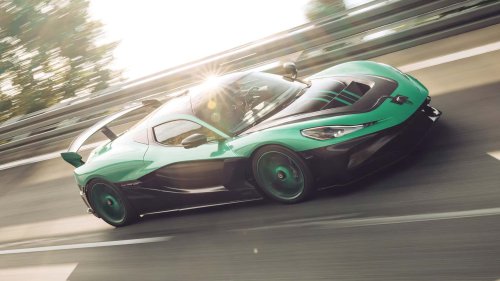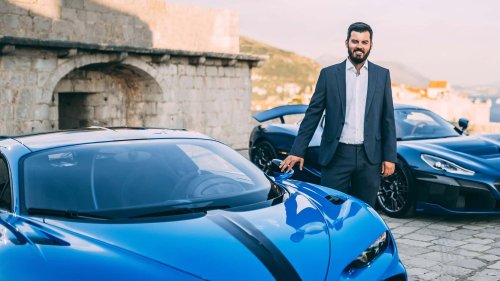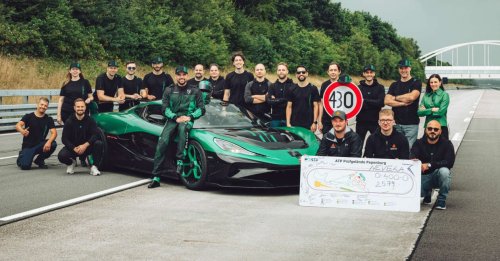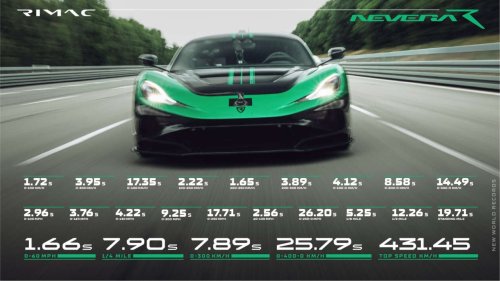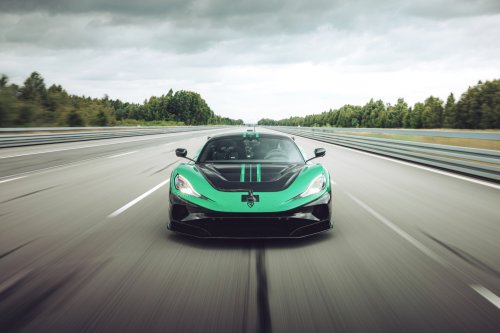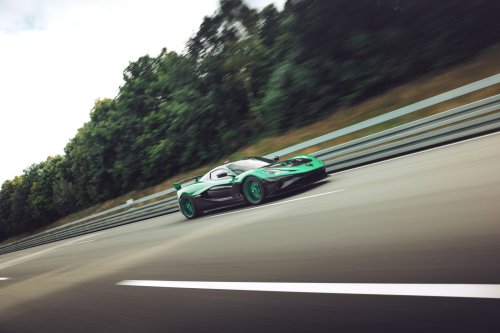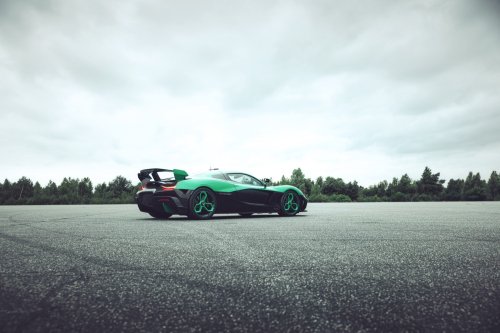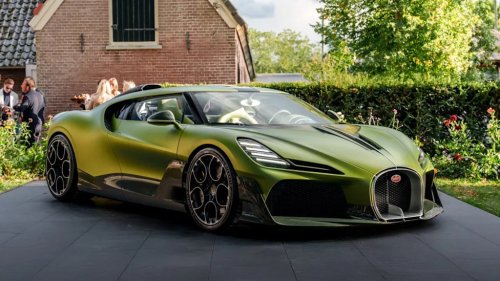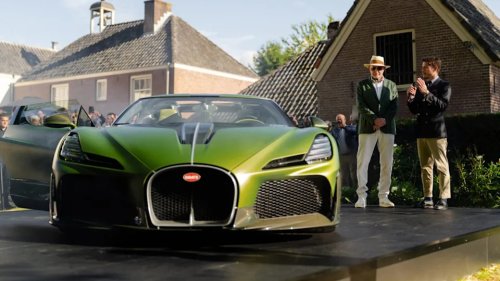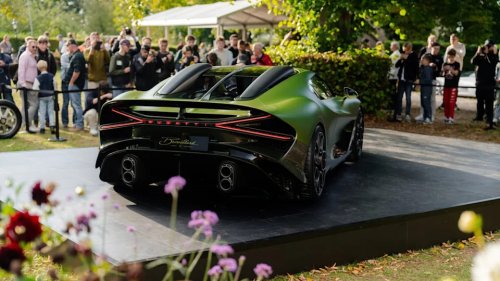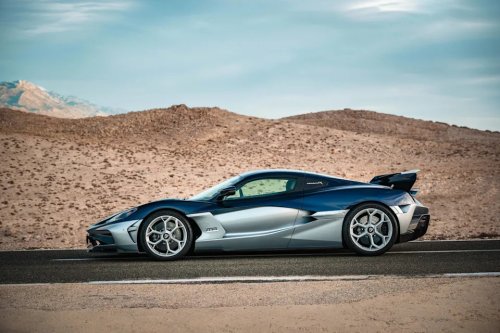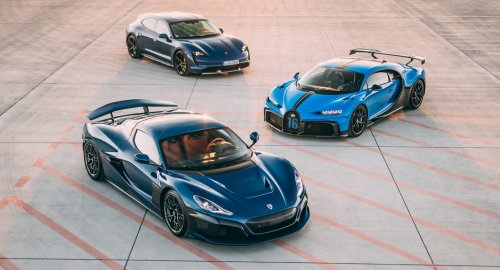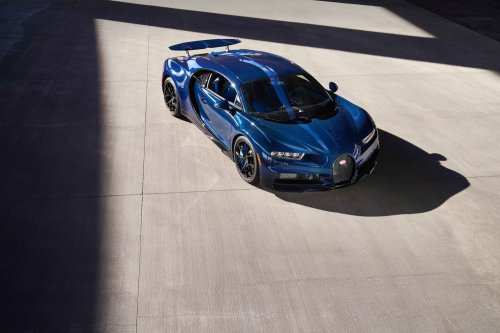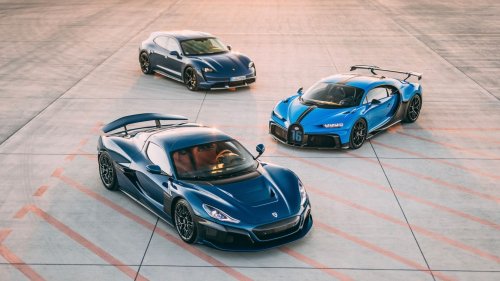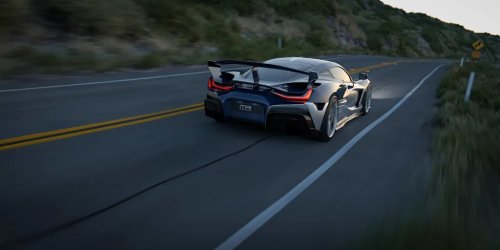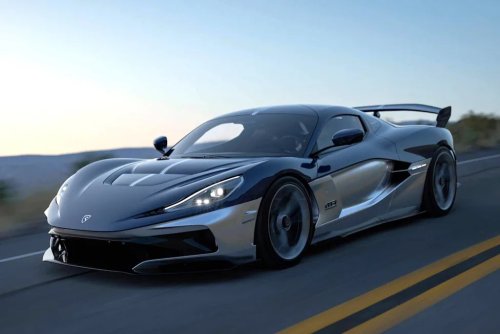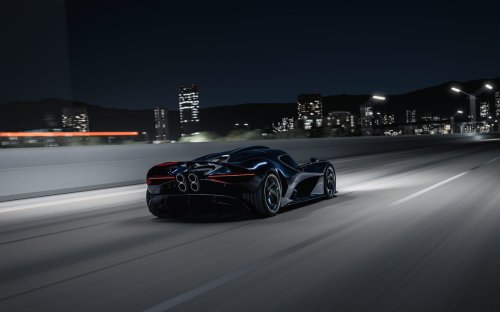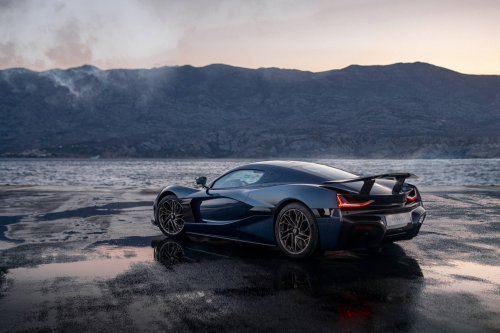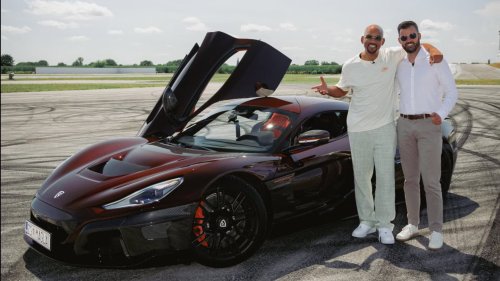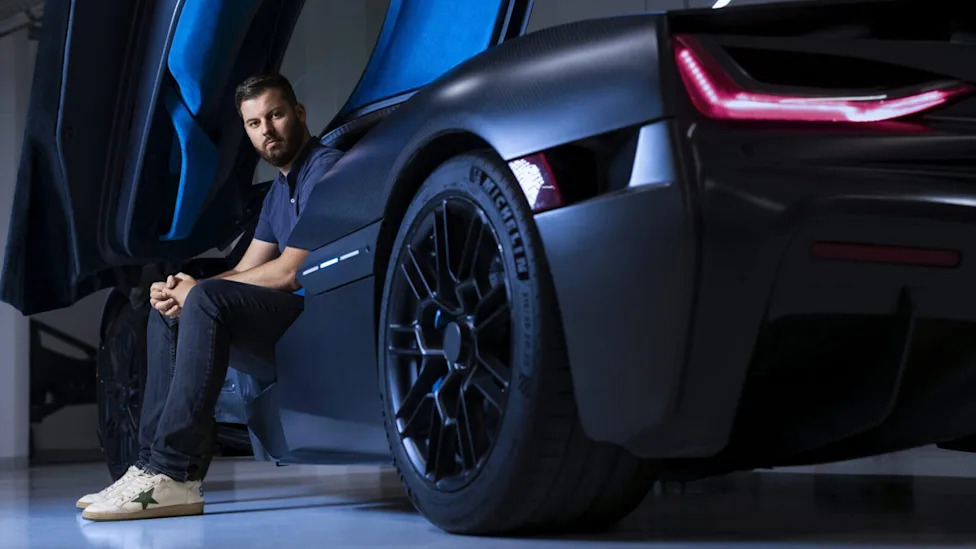
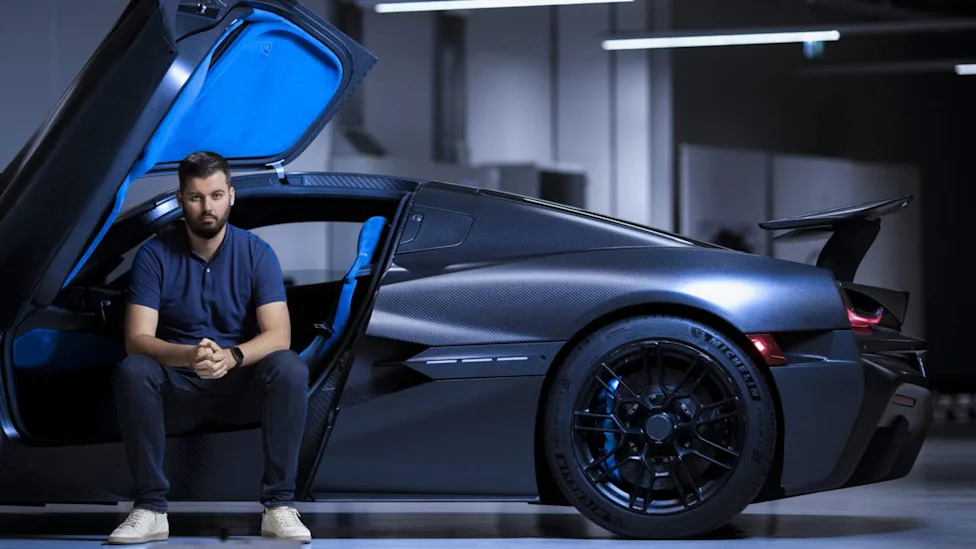
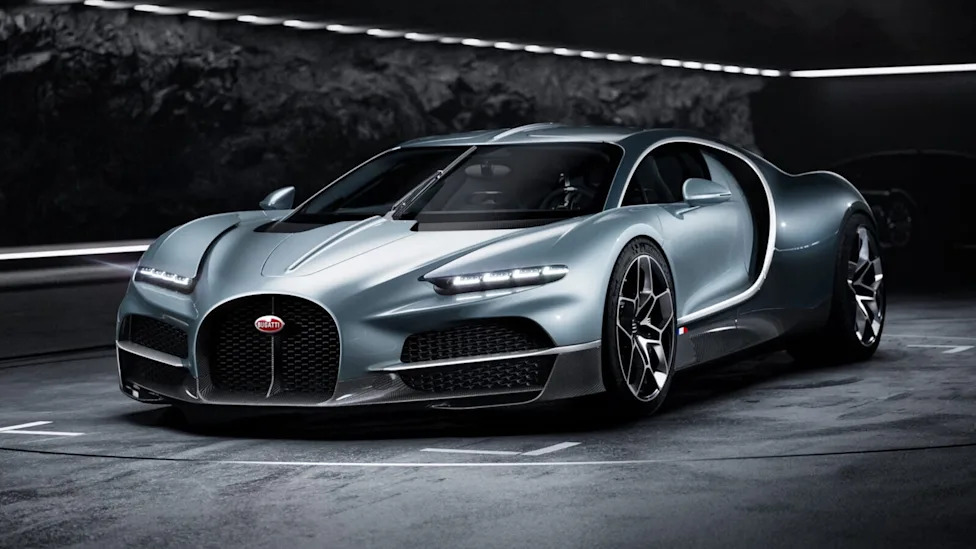



















Image Credit: Rimac Automobili.Mate Rimac proved that electric cars could challenge and ultimately outperform some of the world's quickest combustion-powered supercars. Now, the man behind the record-breaking Rimac Nevera believes internal-combustion engines could have a remarkably long future at the very top of the automotive market.Speaking with CNBC, the Bugatti CEO predicted an increasingly divided industry. He expects mainstream transportation to continue moving toward electric power, while sports cars, supercars, and ultra-luxury vehicles preserve combustion engines because wealthy customers value emotion, mechanical complexity, and craftsmanship.Rimac compares the future of exotic cars to the modern watch industry. Smartwatches dominate on functionality, yet expensive mechanical watches continue attracting customers willing to pay enormous sums for something less practical but far more intricate and distinctive.AdvertisementAdvertisementIt's an interesting position coming from one of the people most responsible for demonstrating the potential of electric performance. Rimac isn't turning against EVs, however; he's arguing that once staggering performance becomes commonplace, the qualities that make an exotic car special begin to change.Supercars Could Become The Automotive Equivalent Of Swiss WatchesImage Credit: Rimac Automobili."For normal cars, normal people, the vast majority will be electric," Rimac told CNBC. "The upper segment, like sports cars and upwards, are going to stay combustion for a very long time, exactly like watches."His reasoning becomes easier to understand when looking at current EV performance. Electric sedans and crossovers can already produce acceleration figures that would have placed them among the world's fastest supercars only a decade ago, while increasingly powerful Chinese EVs continue pushing those boundaries."You can get a car that's faster than any performance car from 10 years ago for like $50,000 from China," Rimac said. "Performance is really becoming secondary."AdvertisementAdvertisementThat doesn't mean speed suddenly stops mattering to Bugatti. Rather, outright acceleration and horsepower become less effective differentiators when comparatively affordable vehicles can deliver similarly shocking numbers.Bugatti Chose 16 Cylinders Instead Of Going Fully ElectricWhen Rimac Group took control of Bugatti in 2021, an electric successor to the Chiron seemed like an obvious possibility. Instead, Bugatti went in almost the opposite direction with the Tourbillon.Its centerpiece is an enormous naturally aspirated 8.3-liter V16 producing approximately 1,000 horsepower by itself. Three electric motors supplement the engine, bringing combined system output to 1,800 metric horsepower, or roughly 1,775 hp.Rimac recognizes the irony. His Croatian facility now produces the fully electric Nevera alongside a Bugatti powered by one of the most extraordinary combustion engines fitted to a modern production car.AdvertisementAdvertisementThat contrast also demonstrates that Rimac doesn't see EVs and combustion engines as an either-or proposition. Different technologies can serve dramatically different customers and purposes.Bugatti Buyers Want Something Nobody Else HasImage Credit: Bugatti.The Tourbillon provides evidence for Rimac's theory. Bugatti plans to manufacture just 250 examples, and the entire production run is already spoken for despite a starting price of approximately $4.5 million.Even that figure is only the beginning for many customers. Rimac says the average Tourbillon buyer spends another $600,000 to $700,000 on personalization, including bespoke paint, leather, stitching, and other details.One-off creations take exclusivity even further. For customers operating at this level, the appeal isn't simply owning the quickest machine available; it's commissioning something with a story, mechanical personality, and specifications that reflect the owner's individual tastes.AdvertisementAdvertisementThat approach could become increasingly important as electrification democratizes extreme performance.The Nevera Proved Speed Alone Isn't EverythingRimac's own history makes his argument particularly compelling. The Nevera demonstrated what an electric hypercar could achieve, delivering extraordinary acceleration and establishing numerous performance records.Yet the industry's experience with electric supercars has also shown that astonishing specifications don't automatically create the emotional pull or demand enjoyed by established combustion-powered exotics. Buyers spending millions often want theater alongside performance — sound, vibration, mechanical interaction, and engineering that can be appreciated beyond a stopwatch.It's important to note that Rimac isn't predicting the death of the EV. He's suggesting that combustion engines could eventually become something very different from today's everyday power source: rare, expensive and deliberately mechanical objects preserved precisely because the rest of the automotive world has moved on.AdvertisementAdvertisementIf you want more stories like this, follow Guessing Headlights on Yahoo so you don't miss what's coming next.