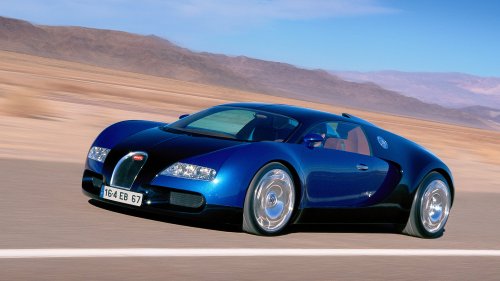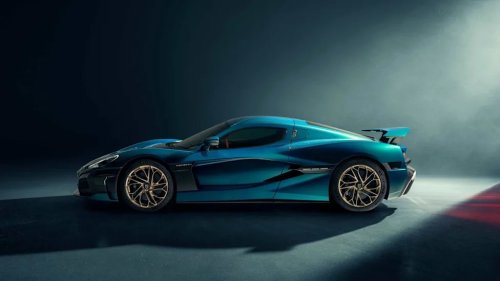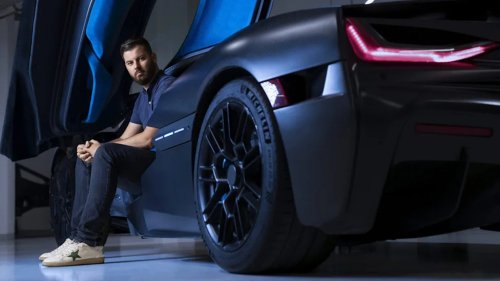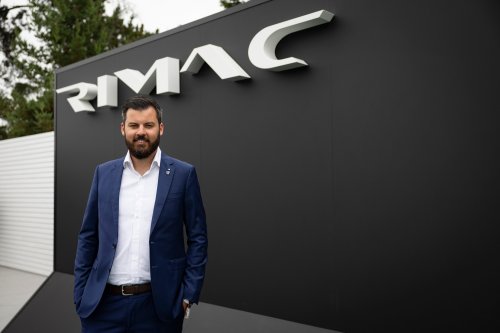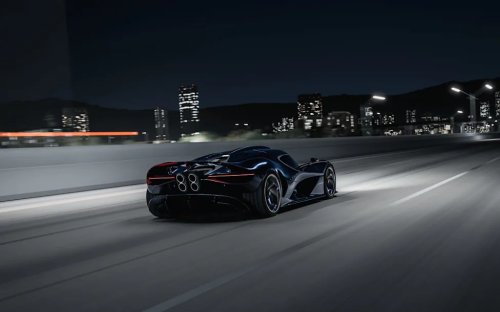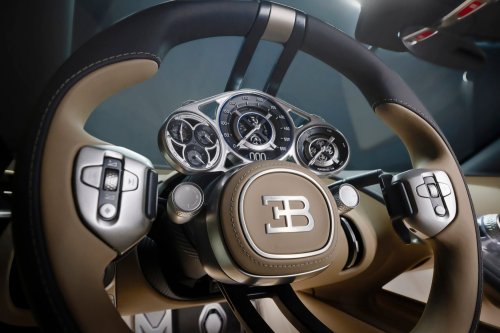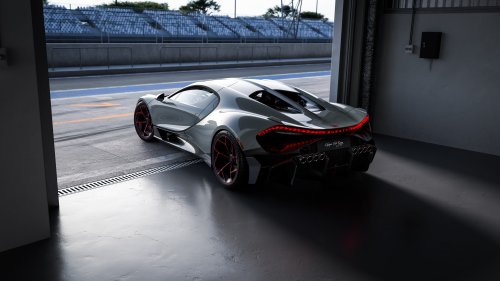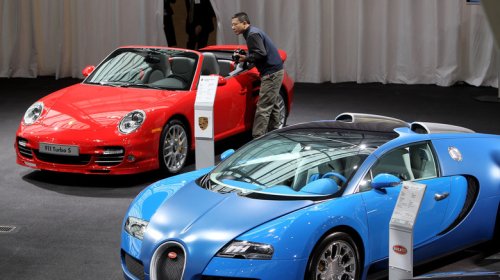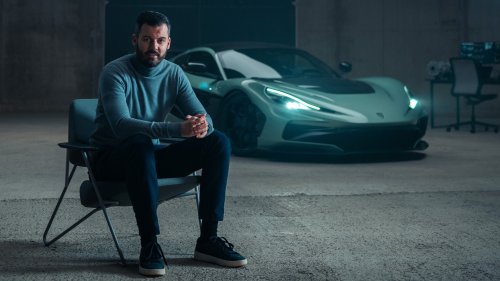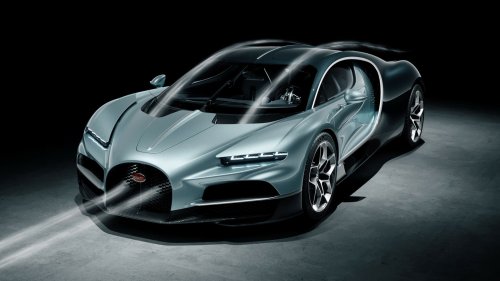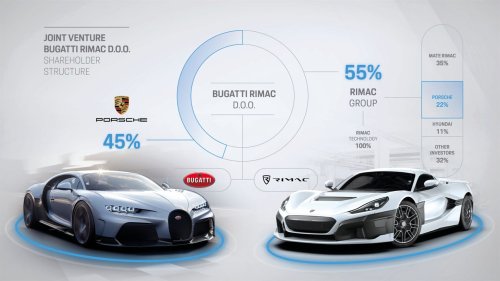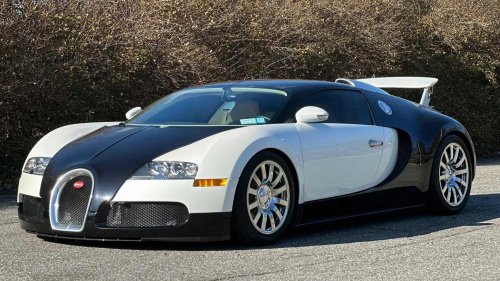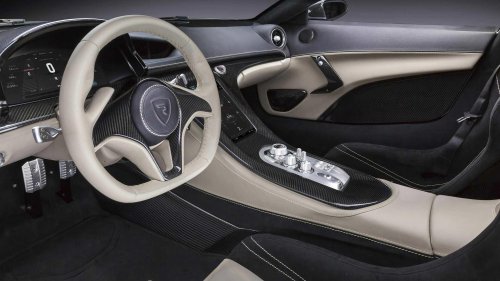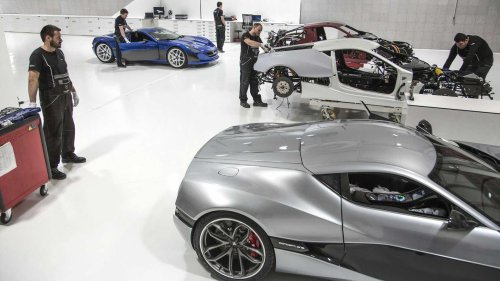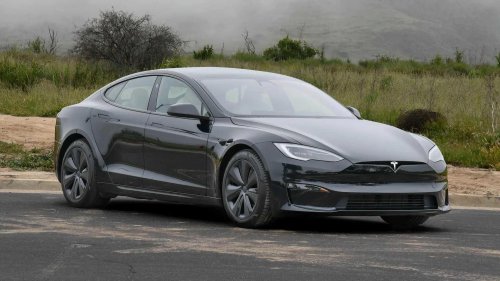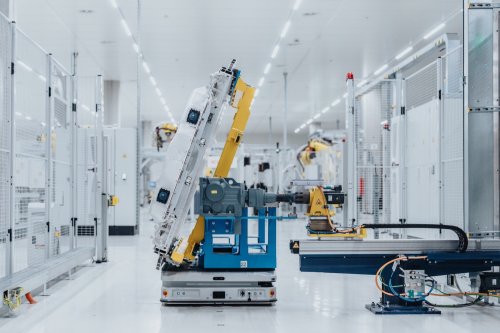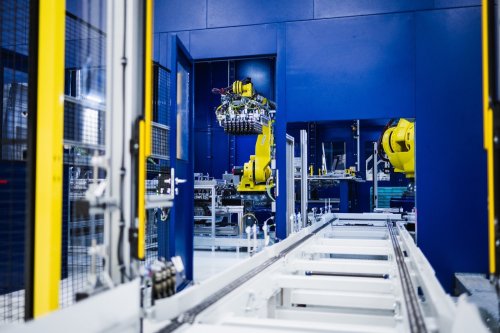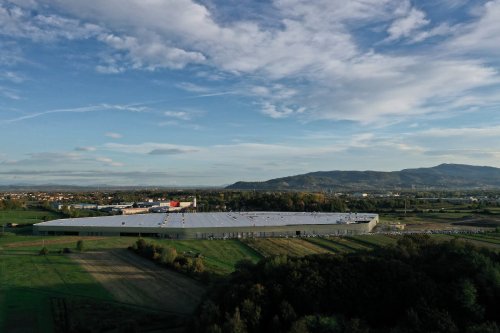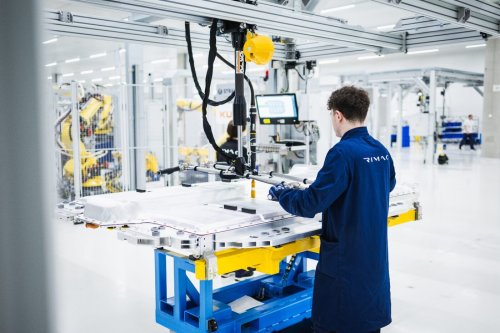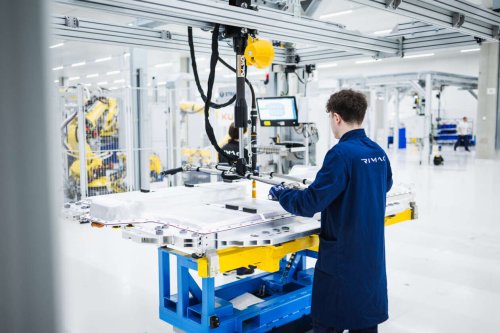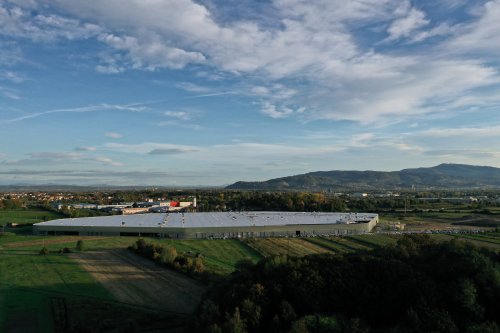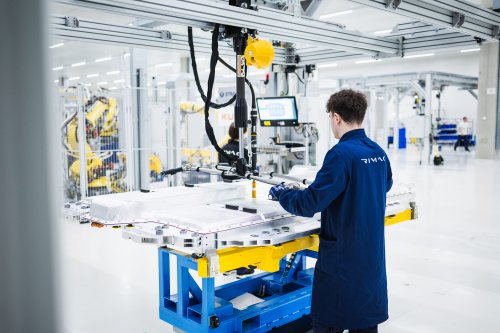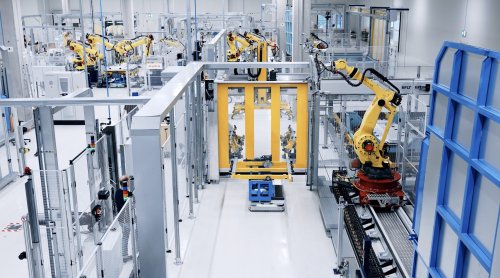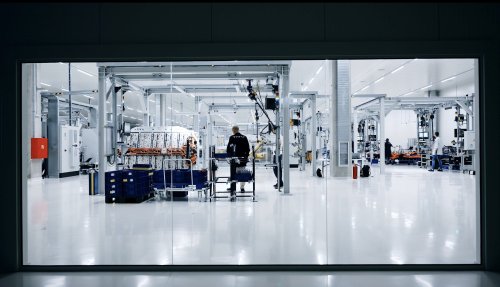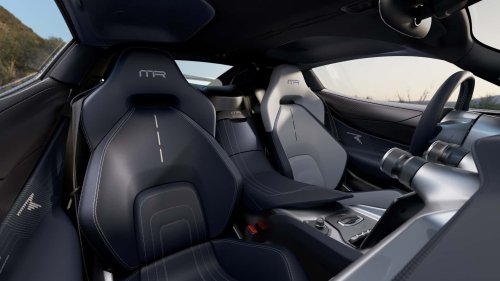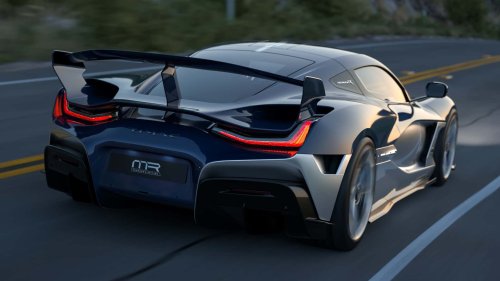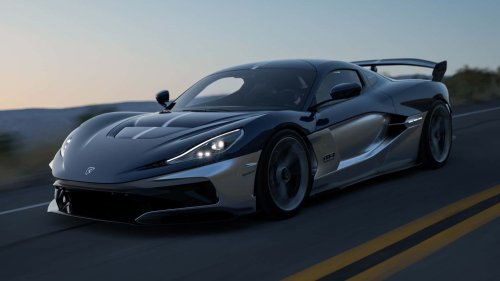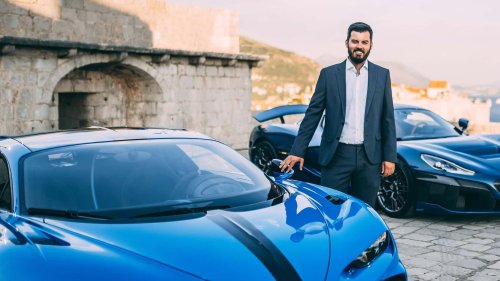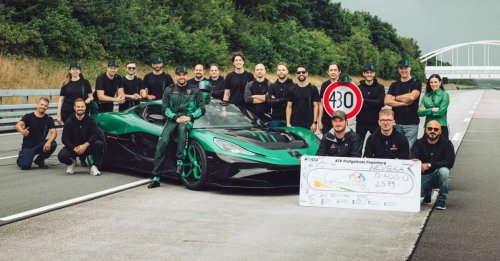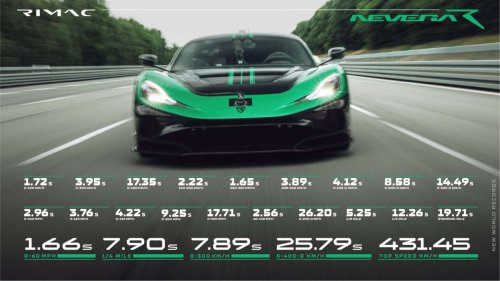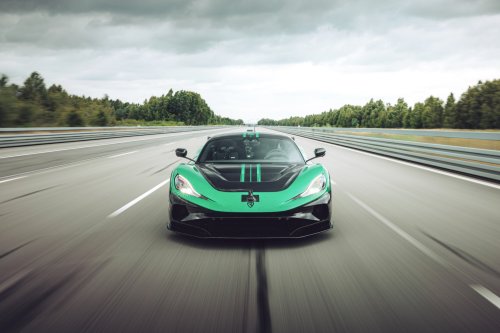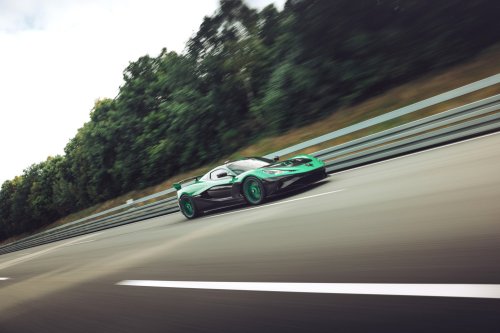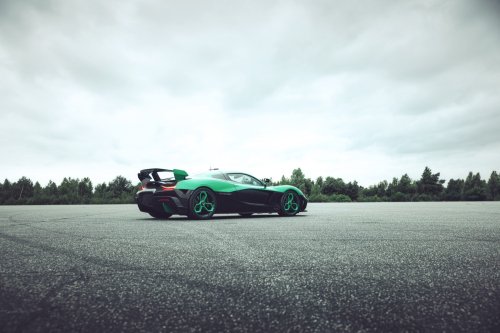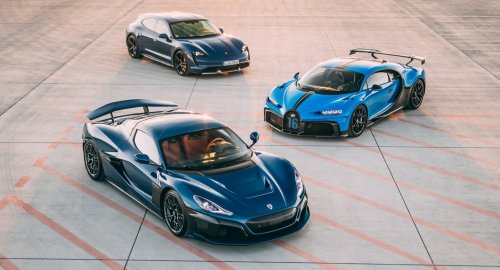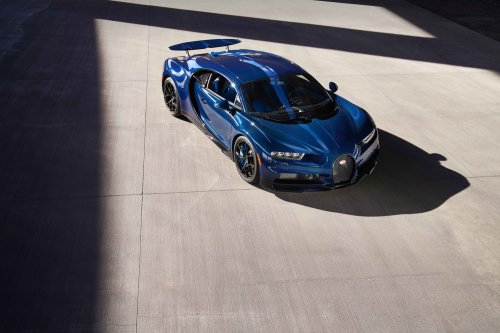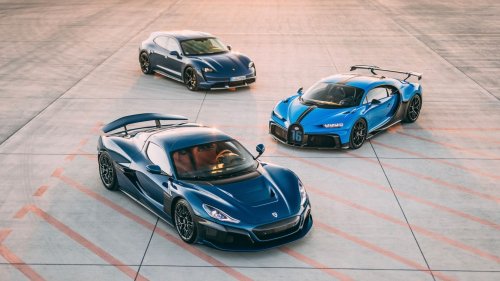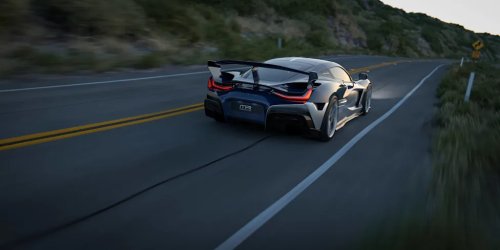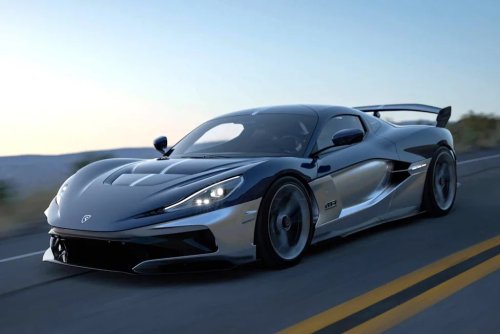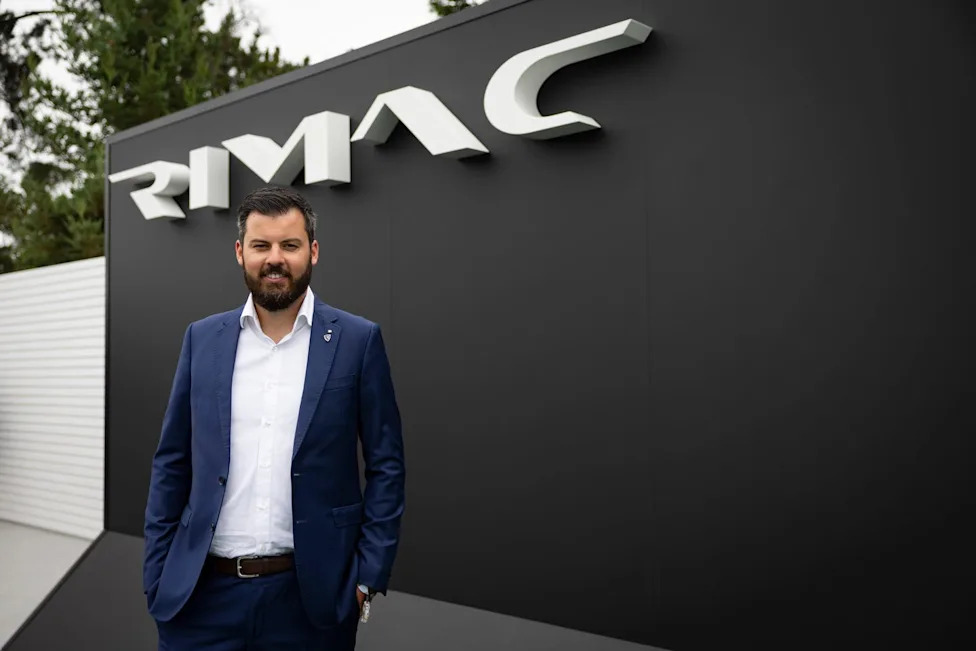
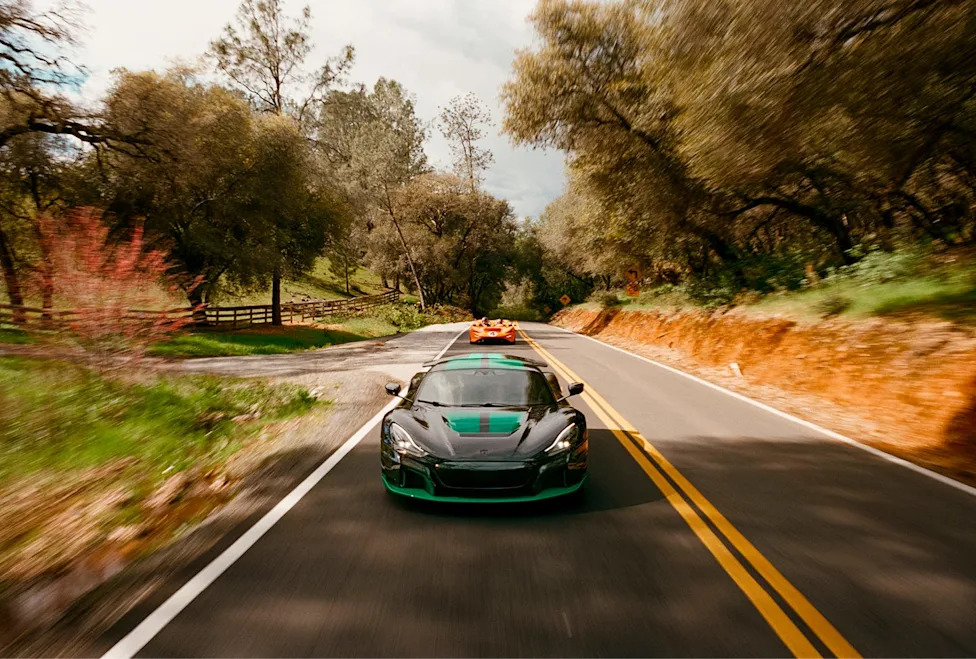
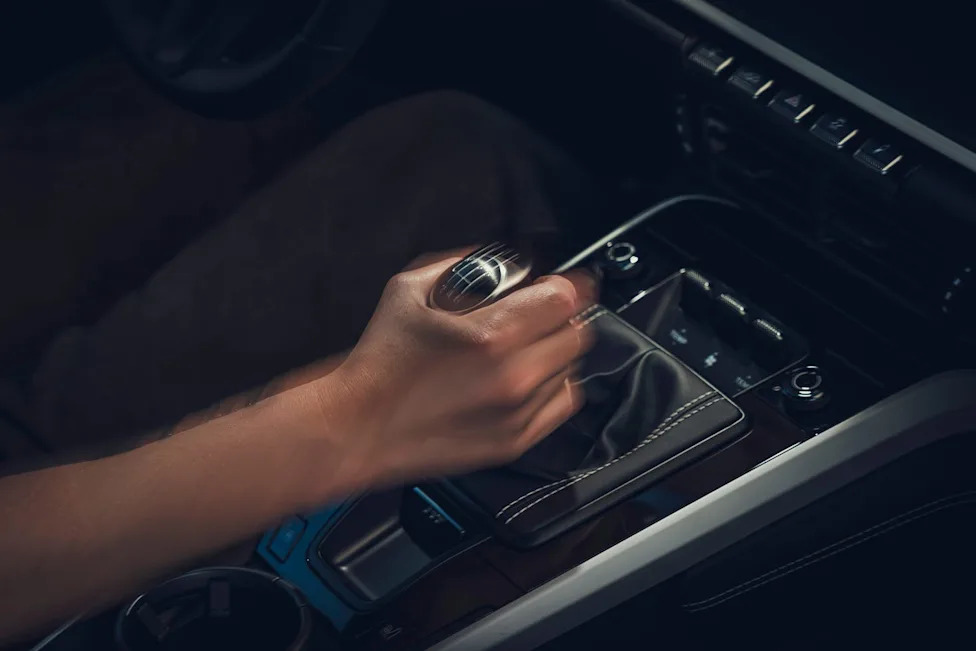



















Rimac Says Hypercars Entering 'Swiss Watch Phase'Matt Jelonek - Getty Images"Hearst Magazines and Yahoo may earn commission or revenue on some items through these links."Mate Rimac first made his name by producing bonkers battery-electric hypercars under his own name, before he became CEO of Bugatti as well as his own company. But the man who helped pioneer the idea of bleeding-edge performance EVs says the future of supercars and hypercars will be focused on internal-combustion engines, according to a recent interview with CNBC."For normal cars, normal people, the vast majority [of future cars] will be electric," Rimac told CNBC, adding that "the upper segment, like sports cars and upwards, are going to stay combustion for a very long time, exactly like watches. Only like five percent of watches are made in Switzerland, but that's where ninety percent of profits are made. An Apple Watch or any kind of smartwatch can do so many more things. But no one will pay $200,000 for it."Kennett MohrmanElectric vehicles have certainly become more affordable in recent years, and their popularity has boomed as a result, particularly in Europe and East Asia. But these compact commuters are a far cry from the Nevera and its carbon fiber monocoque structure, and the irony is not lost on Rimac.AdvertisementAdvertisementConsidering his roots lie in the world of showing that EVs can equal or better the quickest supercars on the planet, the fact that he now is in charge of a high-end automaker known for prodigious cylinder counts comes as quite the turn of events. "It's kind of ironic that I'm now making the world's biggest combustion engine," Rimac said of his role at Bugatti, which is building an 8.3-liter V-16 for the Tourbillon. "You have the crazy situation now at our facility in Croatia. On the same production line, you have the world's most powerful electric car being built right next to the world's biggest combustion engine. Life is strange sometimes."Rimac's point about analog experience and luxury markets is being proven correct in real time. Luxury automakers from Porsche to Ferrari are reissuing or replicating bygone driving features like manual transmissions, and, many performance-focused manufacturers are backing away from electric vehicles, instead focusing on reviving V-8s and other combustion engines. Outright performance is no longer the marker of an exciting car—especially when relatively pedestrian EVs produce such acceleration, as Rimac explained.Porsche"You can get a car that's faster than any performance car from 10 years ago for like $50,000 from China," Rimac said to CNBC. "Performance is really becoming secondary. It's more about what I call the celebration of human skills. When you look at these cars, you see the amount of ingenuity and art and beauty. The car is, like, the most complex object you can buy. It's art, but it's art that needs to go 250 miles per hour and be safe, have downforce and survive in a crash test and go in the snow and extreme heat, and all those things."This approach to vehicles was prominently on display at Monterey Car Week this year. Models like the Bugatti Destrier, Gordon Murray Special Vehicles S1, and Brabus Bodo Cabriolet are as close to works of art as running and driving automobiles, and both focus on more than outright horsepower. Similarly, both Koenigsegg and McLaren introduced fresh versions of analog human gear-shifting on all-new models during Monterey Car Week. At the upper echelons of the automotive world, novelty and a hands-on experience are the modern currencies of choice.You Might Also LikeIf You Can Only Own One Car, Make It One of TheseThese Are the Most Popular Cars by State