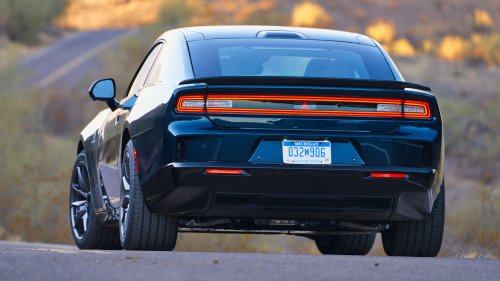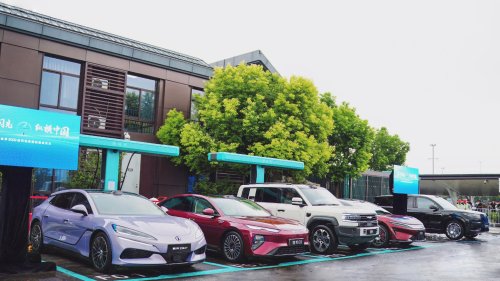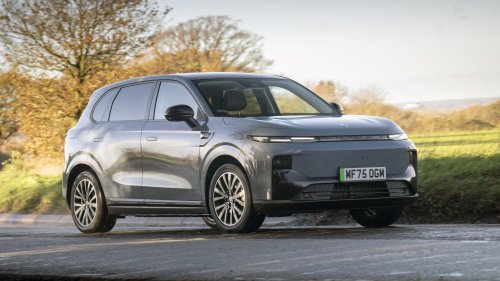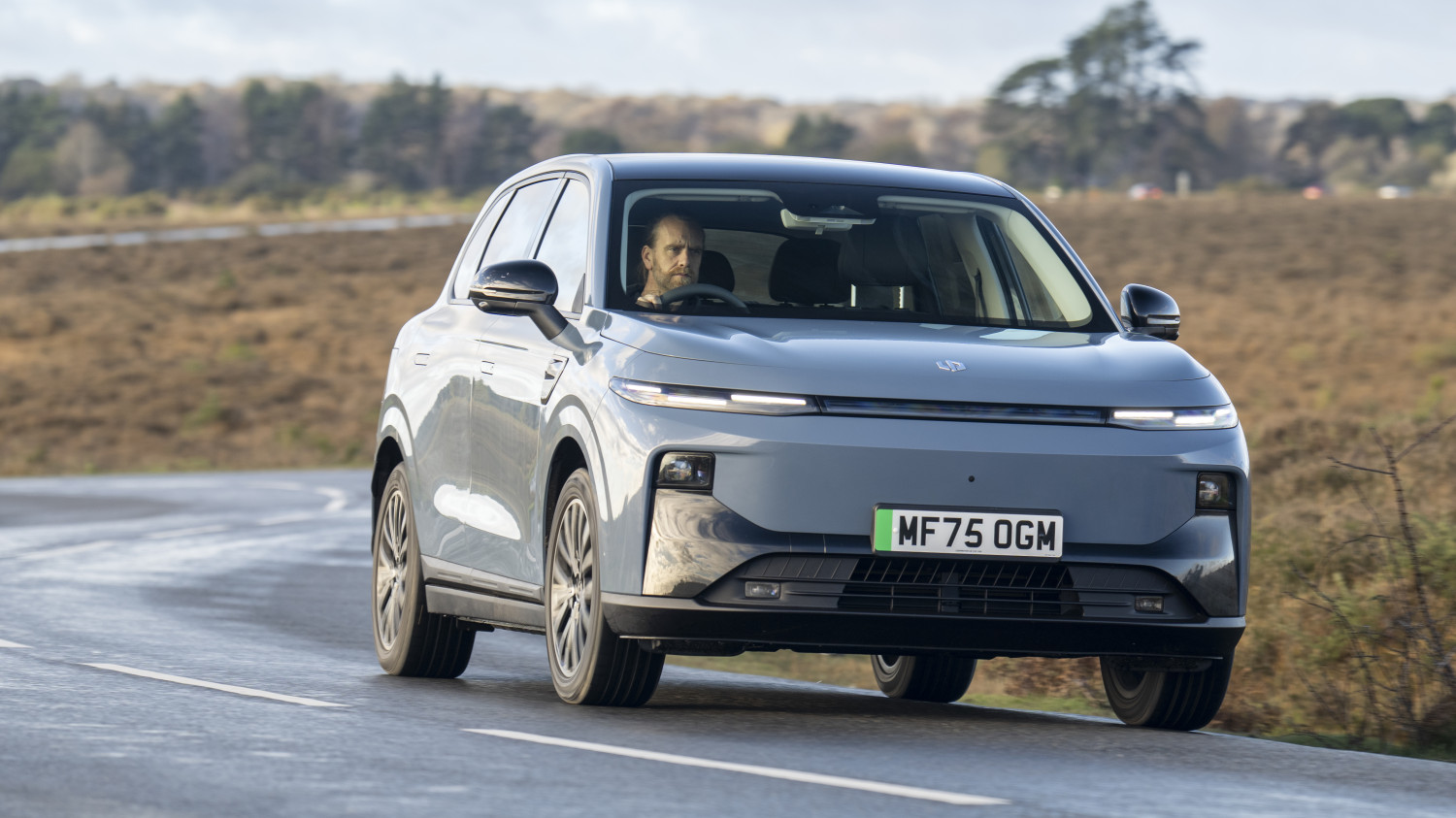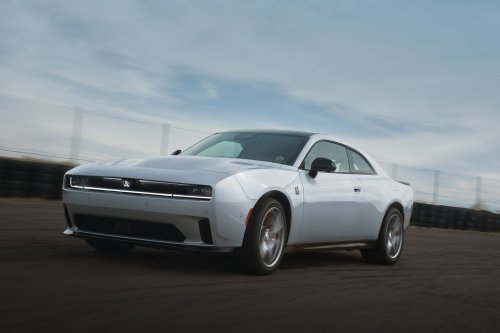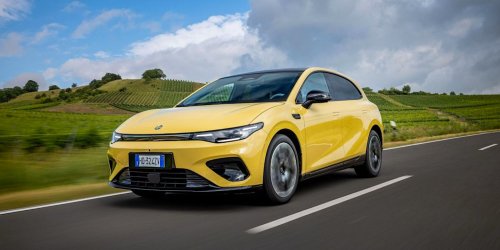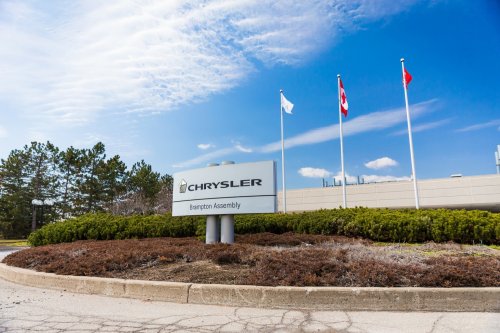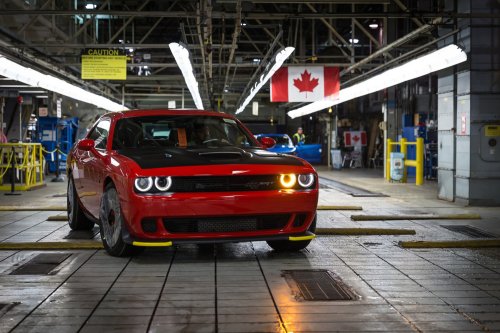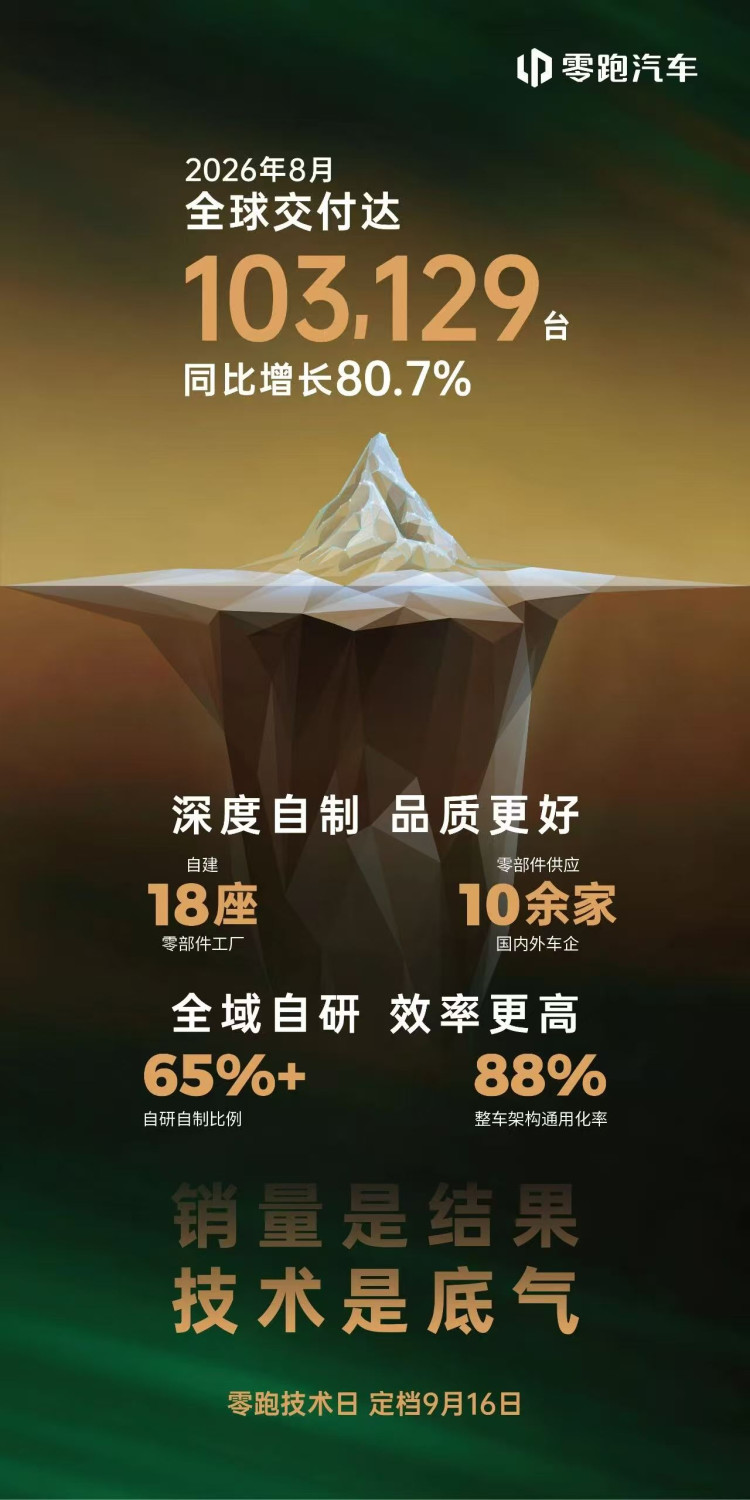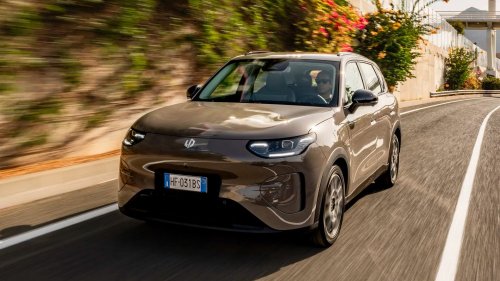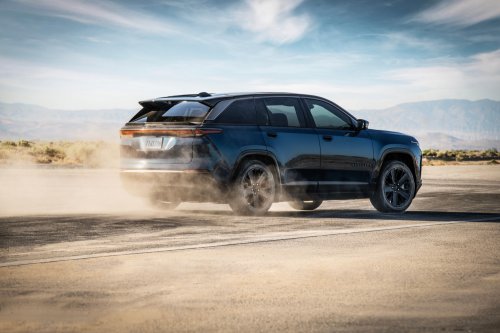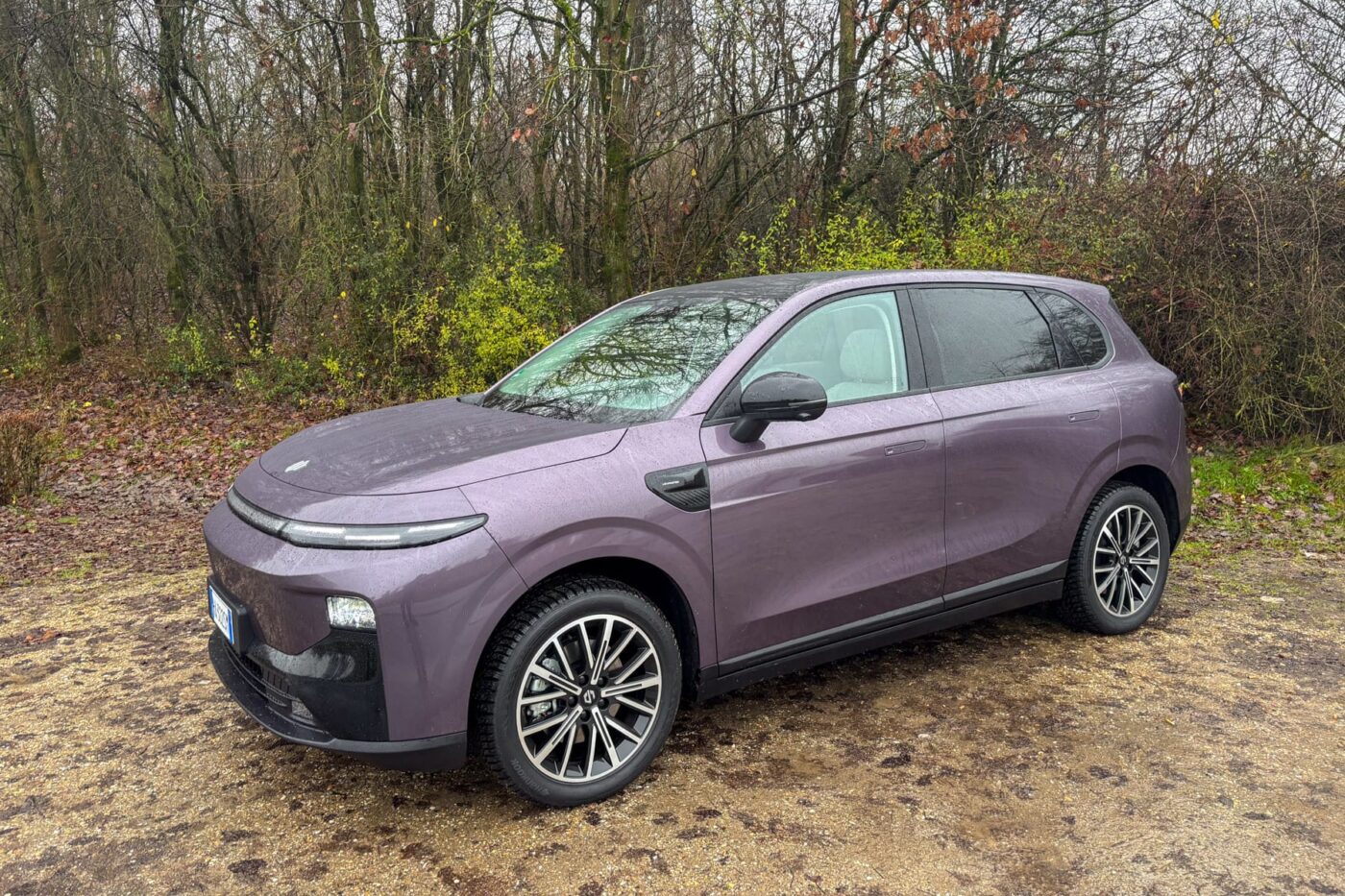



















Image: Sebastian SchaalStellantis halted the conversion of its plant in Brampton, located in the Canadian province of Ontario, in February 2025, where it had originally planned to produce battery-electric vehicles and internal combustion engine models for its Jeep brand. Since then, the plant has remained idle. It was once home to the production of well-known models such as the Chrysler 300, Dodge Charger, and Dodge Challenger.After the Canadian government negotiated an EV deal with China in January to facilitate vehicle imports while making direct investments in Canada more attractive, the rising Chinese manufacturer Leapmotor now appears to be considering vehicle production in the country. Conveniently, its partner Stellantis—which holds a 20% stake in Leapmotor and 51% in a joint venture for its internationalisation—is currently seeking a new purpose for its dormant Brampton plant.As reported by news agency Bloomberg and others, Stellantis and Leapmotor are currently in discussions about producing Leapmotor models in Brampton. This would mark the third time Leapmotor has utilised a Stellantis production site. For example, the battery-electric compact car T03 was previously manufactured in the Polish city of Tychy but was withdrawn from the site due to apparent political pressure from China. Recently, Stellantis confirmed that the Leapmotor B10 will be produced at a Stellantis plant near Zaragoza, Spain, starting in the second half of the year.Although the exact stage of the plans for Leapmotor’s production in Brampton remains unclear, criticism has already emerged. The primary concern is that Stellantis and Leapmotor do not initially plan to establish full-scale production at the plant. Instead, they intend to use the SKD (Semi-Knocked Down) or CKD (Completely Knocked Down) method, which involves assembling pre-fabricated components. This approach results in low local value addition, requires fewer workers than full-scale production, and excludes Canadian automotive suppliers such as Magna.Consequently, neither the trade union Unifor nor Industry Minister Mélanie Joly supports the project in its current form. Speaking at an event in Vancouver, Joly stated that such plans do not meet her expectations for resuming production in Brampton.“We can’t bring cars in a kit to Canada. Why? Because one of the big parts of our auto industry is actually linked to the fact that we have a big auto parts sector, 200,000 workers,” she said.However, the assembly of kits, whose import into Canada is already restricted by favourable tariff rates, could serve as the first step towards Leapmotor’s establishment in the country. This approach might act as an interim solution until full-scale production is established.It would not be unprecedented in the industry: Volkswagen, for example, initially imported the Santana as a CKD kit when it entered the Chinese market over 40 years ago, and had previously adopted a similar approach when launching production in Brazil in the 1950s. Currently, the Chinese market leader BYD is constructing a full-scale production facility in Brazil while temporarily assembling SKD kits there.bloomberg.com, panow.com (Criticism)