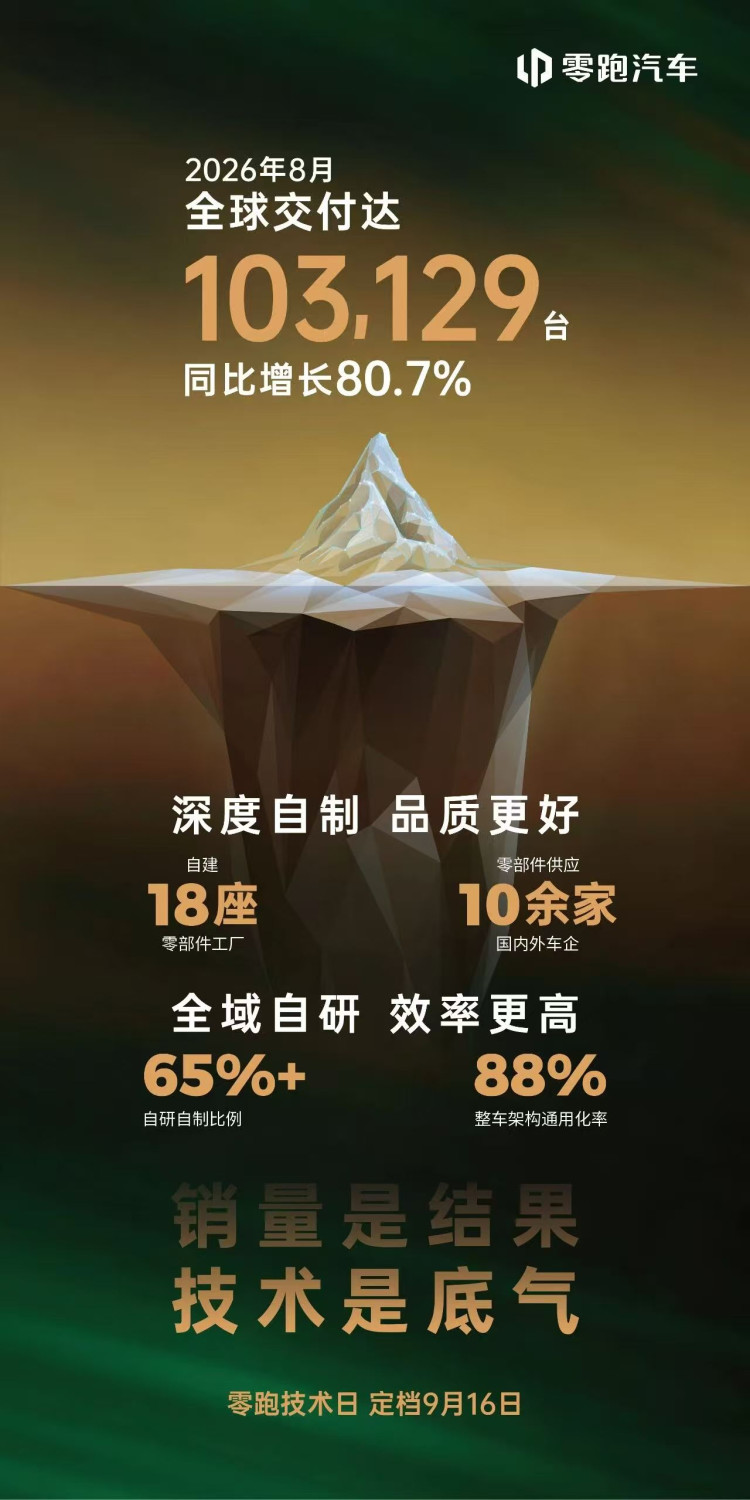
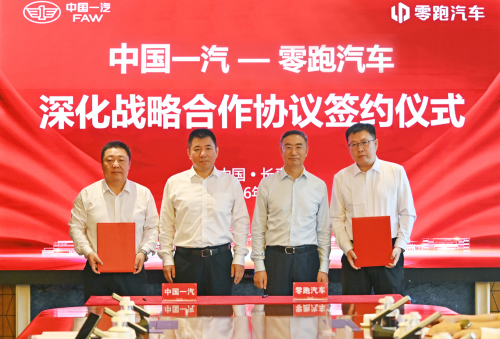
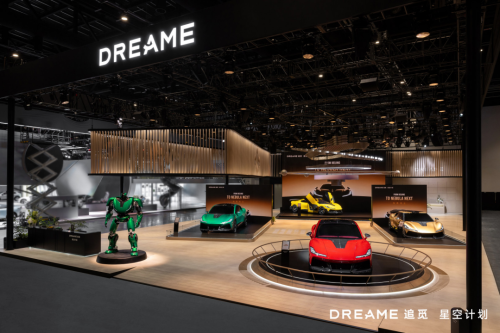
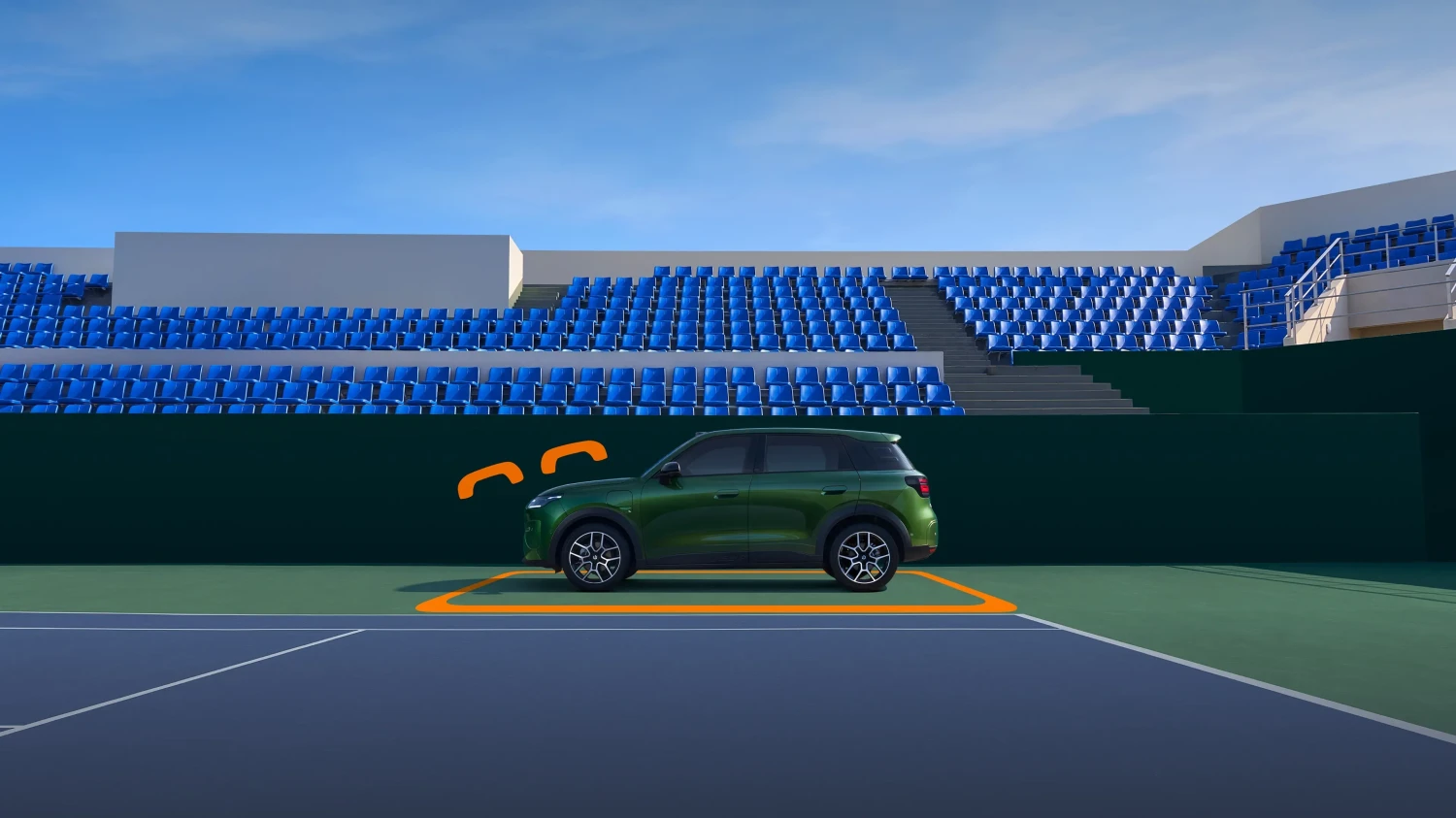
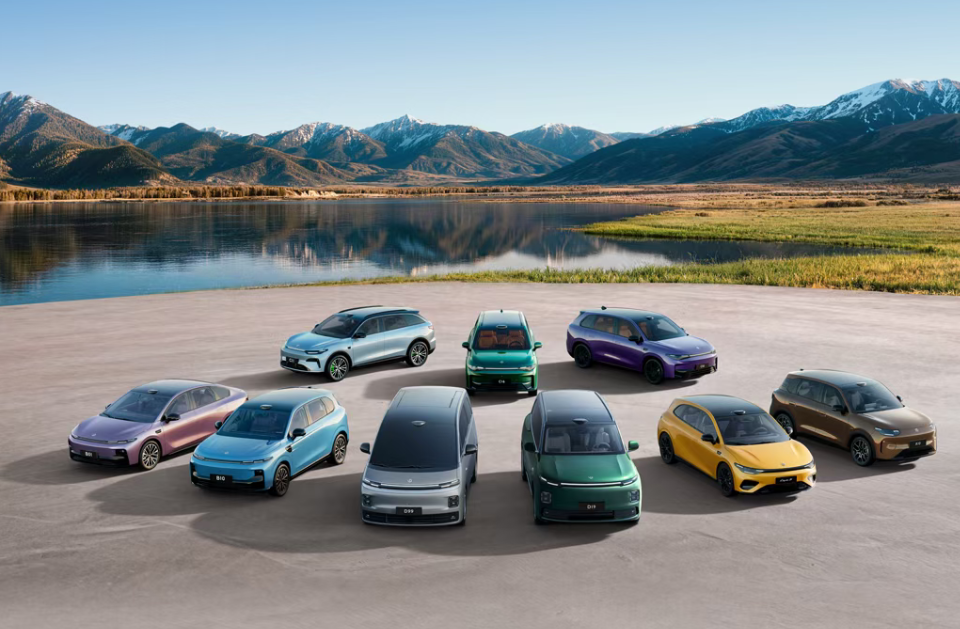
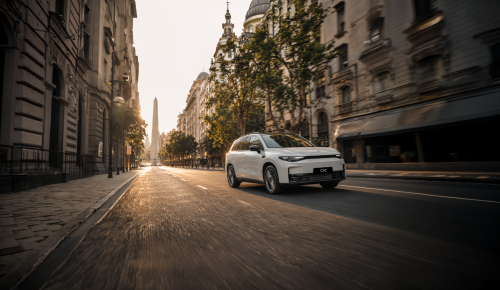
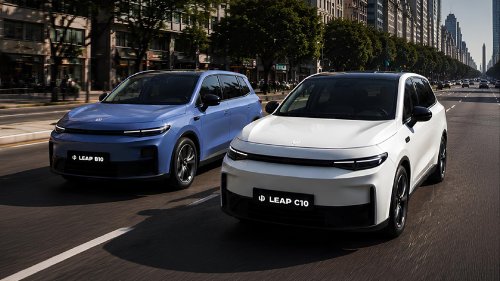
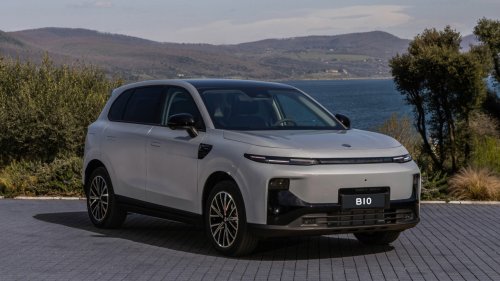
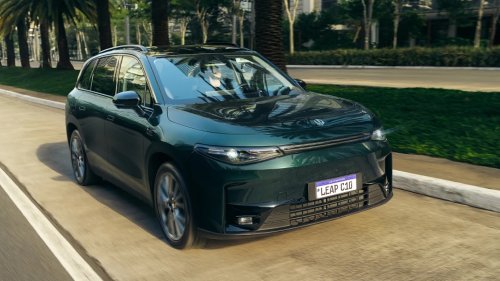
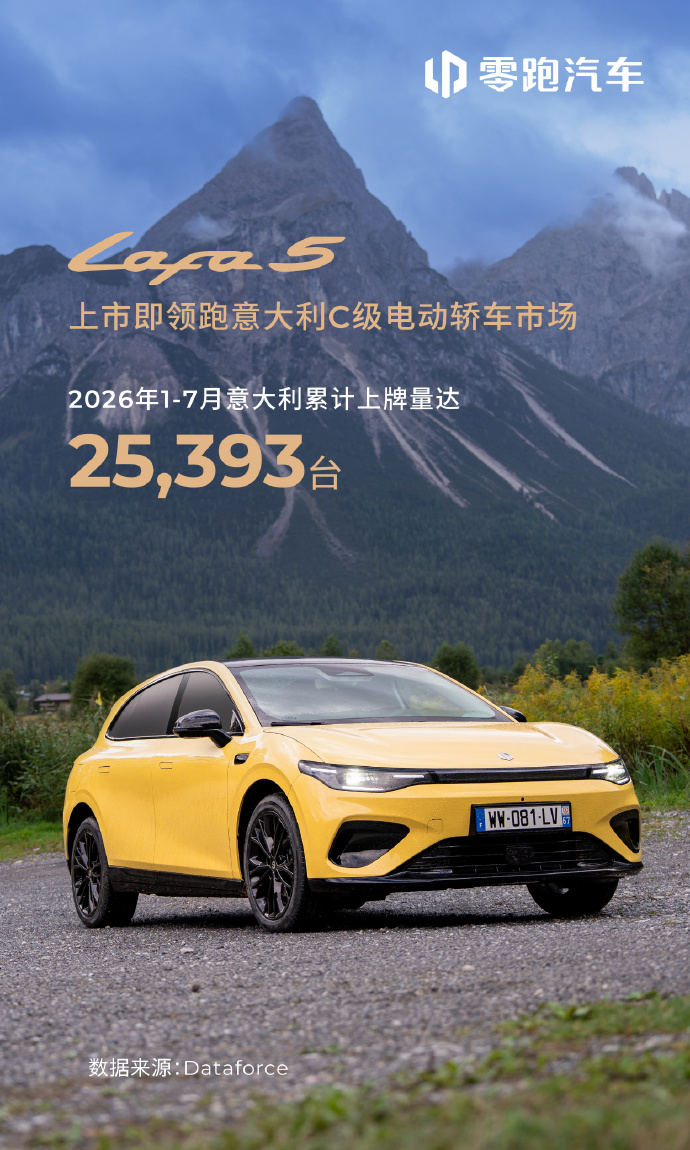
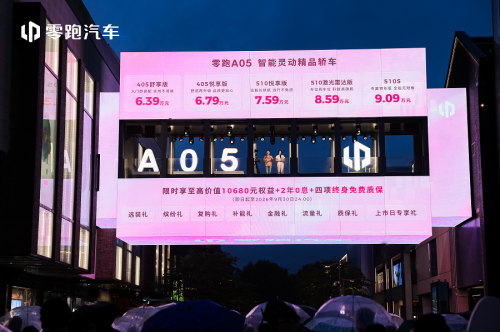
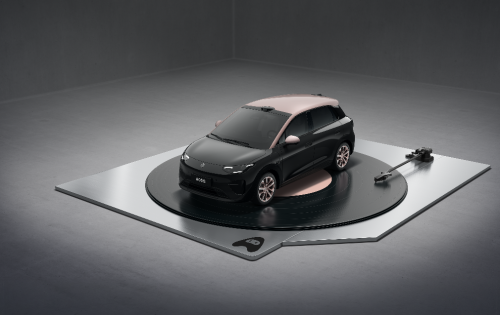
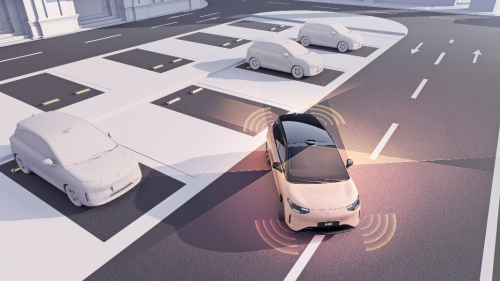
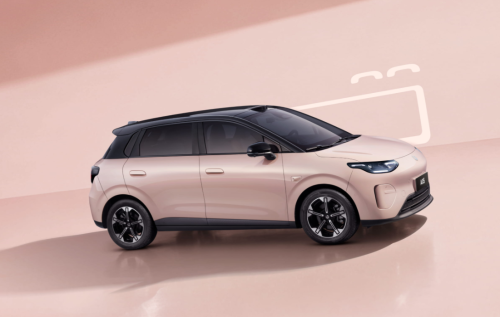
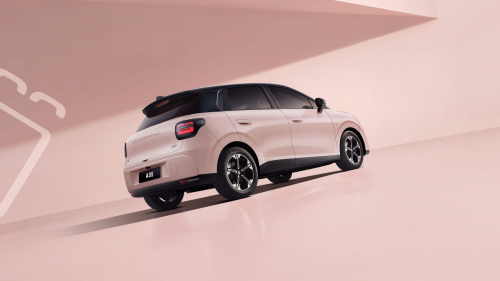
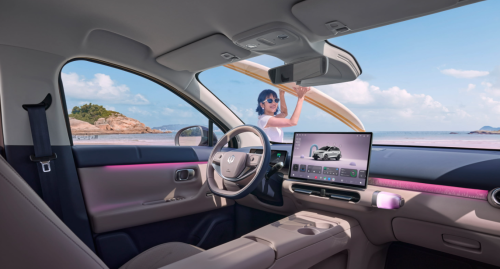
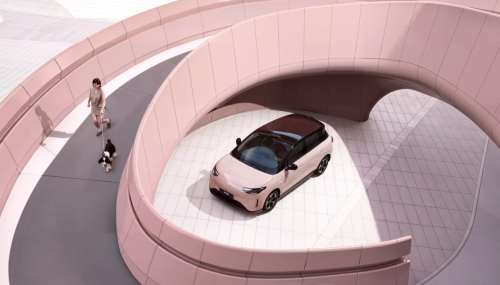
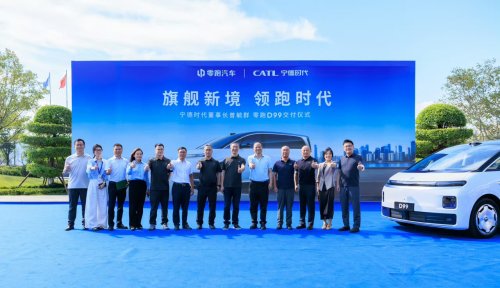
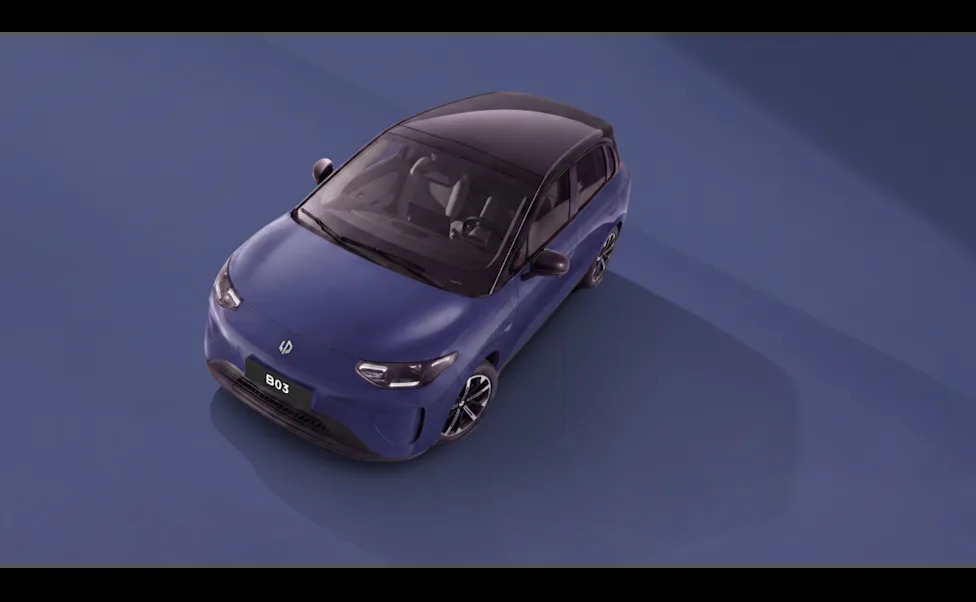
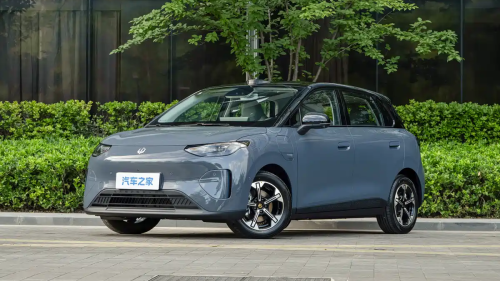
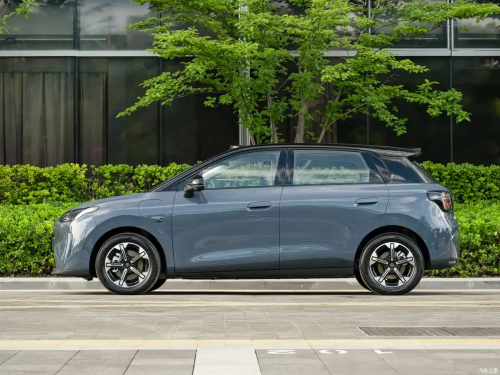
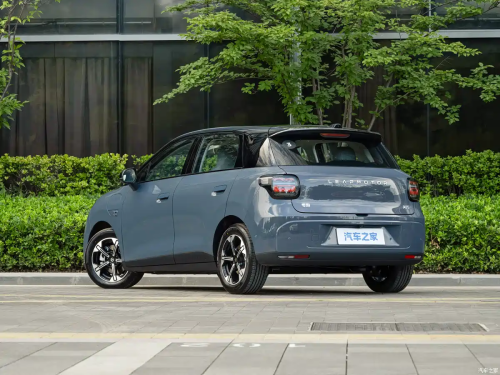
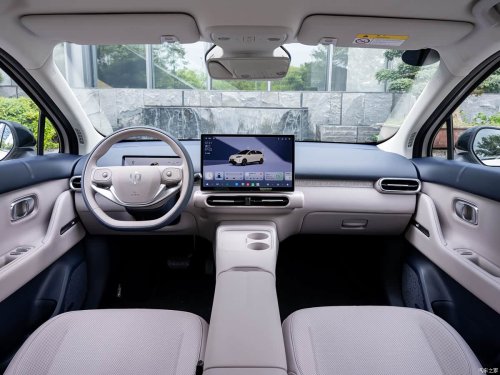
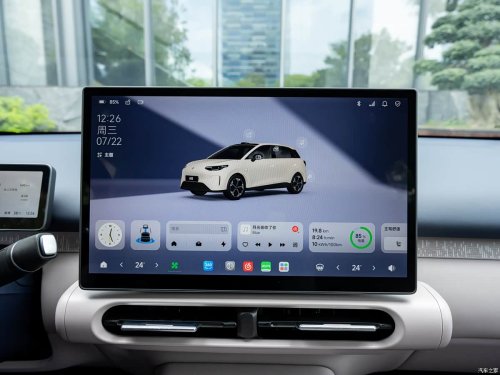
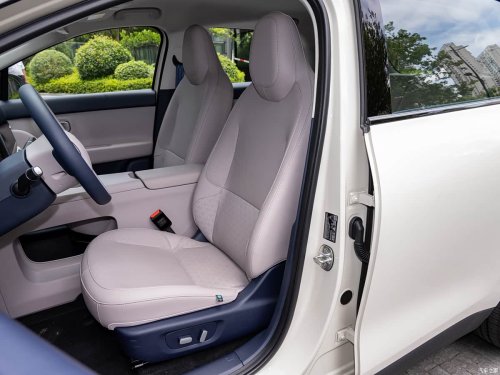
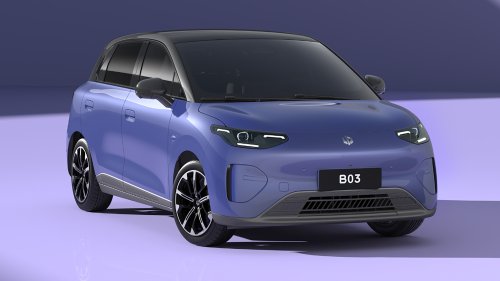
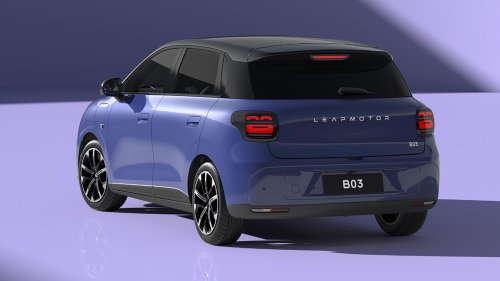
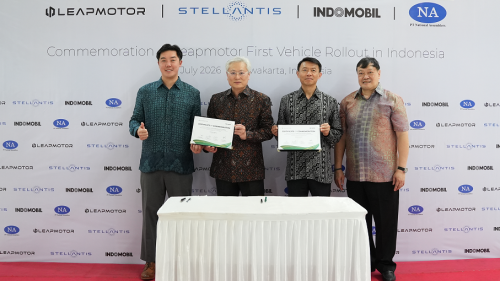
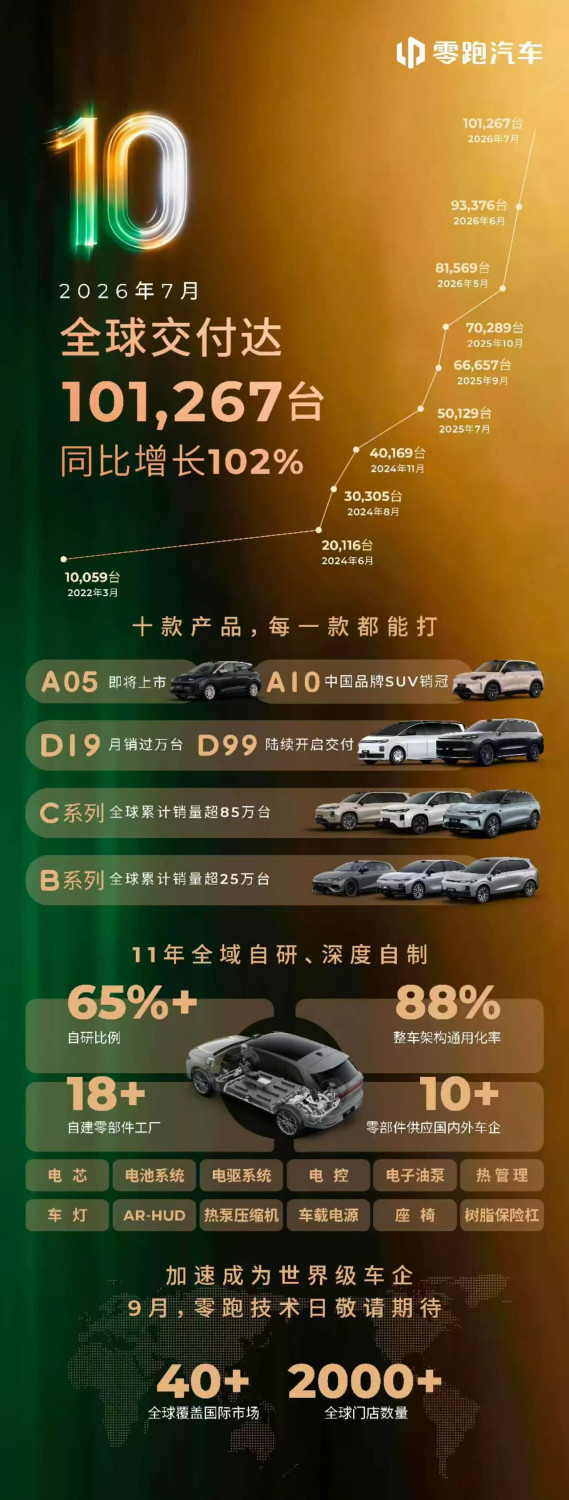
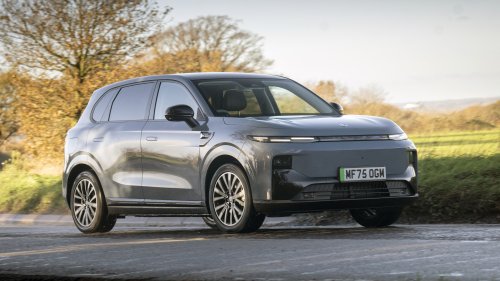
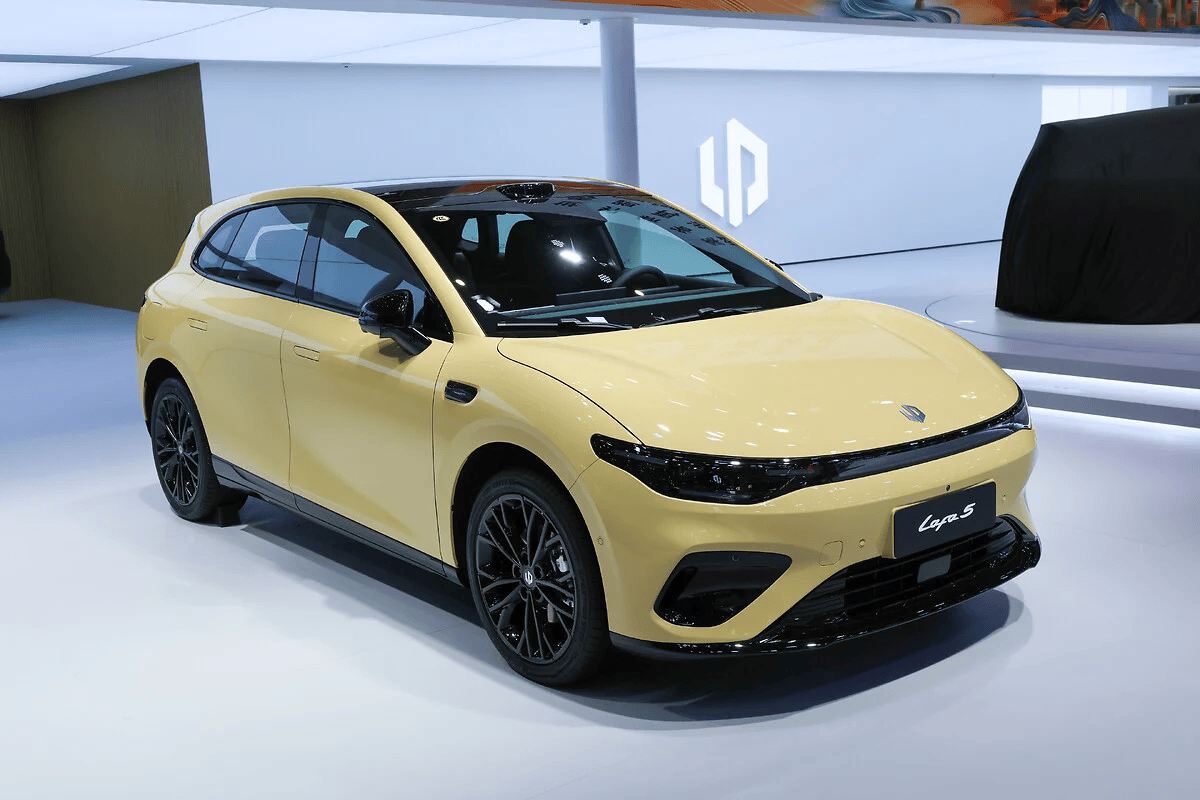
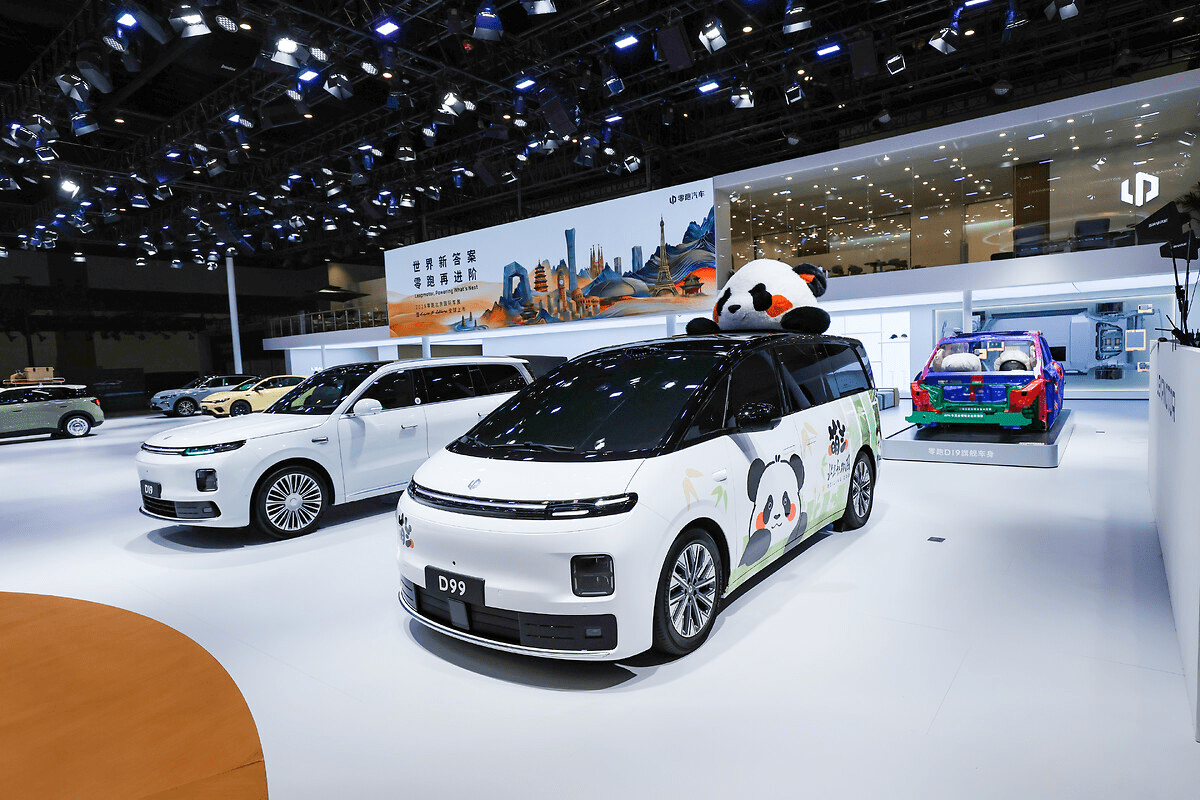
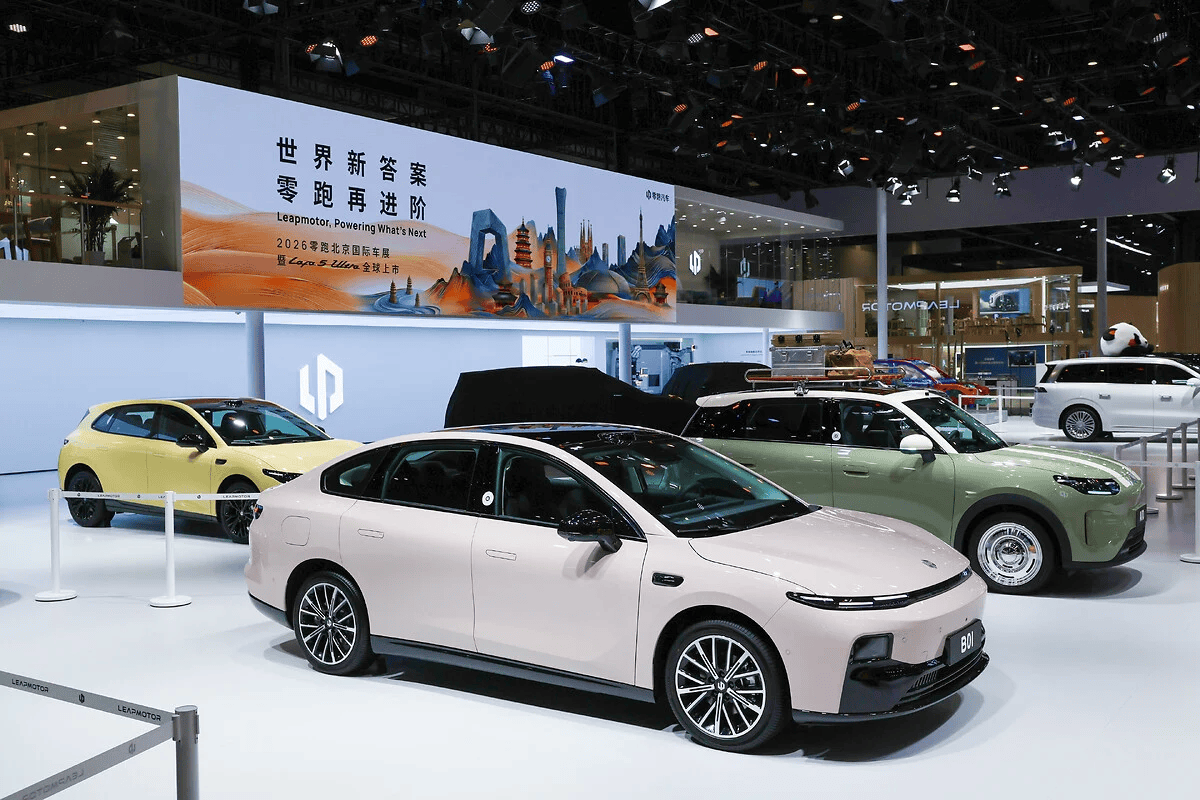
Leapmotor plans to launch a second brand in 2027, targeting the mid-to-high-end market with products priced above RMB 300,000 ($44,000), according to a Chinese media report citing sources familiar with the matter. The new brand is expected to operate through an independent sales network separate from Leapmotor’s existing channels. Leapmotor’s current lineup spans A-, B-, C- and D-segment models, as well as the Lafa 5, with pricing ranging from RMB 65,800 ($9,640) to RMB 269,800 ($39,500), covering sedans, SUVs and MPVs across both battery electric and range-extended powertrains. Leapmotor Lafa 5 In 2025, Leapmotor delivered 596,000 vehicles, ranking first among China’s emerging EV startups, and reported a net profit of RMB 540 million ($78.3 million), becoming the second new-energy startup after Li Auto to achieve full-year profitability. According to data from LandRoads, the average selling price of Leapmotor vehicles in 2025 was around RMB 125,000 ($18,125), broadly in line with traditional brands such as Haval and Mazda. Gross profit per vehicle stood at approximately RMB 15,700 ($2,277), but after accounting for sales, R&D and other expenses, net profit per unit was only RMB 905 ($131). Against this backdrop, achieving its 2026 targets of 1 million units in annual sales and RMB 5 billion ($725 million) in net profit will be difficult under the current pricing structure. On the product side, Leapmotor has already planned to push upmarket through new D-series models, including the D19 and D99. Leapmotor D19 and D99 In recent years, growth in the premium NEV segment has been driven mainly by plug-in hybrid and range-extended models, such as the Li L9 and AITO M9, while pure electric vehicles priced above RMB 300,000 have generally seen weaker sales performance. If Leapmotor prioritizes pure electric offerings, it will face intense competition in the premium EV segment. If it leans toward range-extended or plug-in hybrid models, it will need to ensure clear differentiation from its existing D-series in terms of powertrain, platform and supply chain. Launching a second brand is a common strategy for automakers seeking to move upmarket. Toyota introduced Lexus, Nissan created Infiniti, and BYD has expanded into higher price bands through Denza and Yangwang. Leapmotor models displayed in Beijing Auto Show However, building a new brand typically involves long development cycles, high upfront investment, and the need to establish brand recognition, distribution channels and service systems from scratch. Unlike some incumbents, Leapmotor lacks an established premium brand halo and will need to build its brand equity independently. Externally, its partnership with Stellantis may offer strategic support. Stellantis’ experience in managing premium brands and its global distribution network could provide a reference framework for Leapmotor’s new brand rollout.



















 +34 others