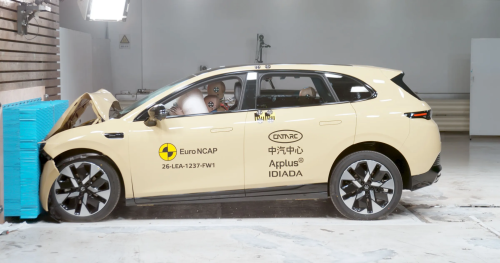
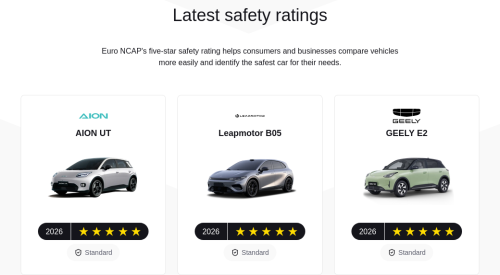
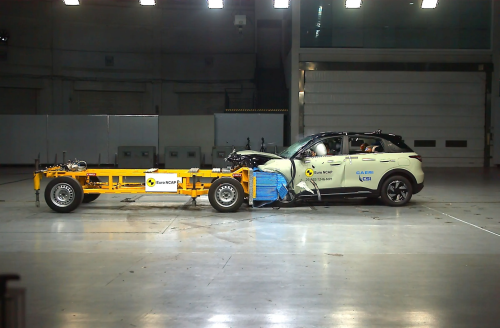
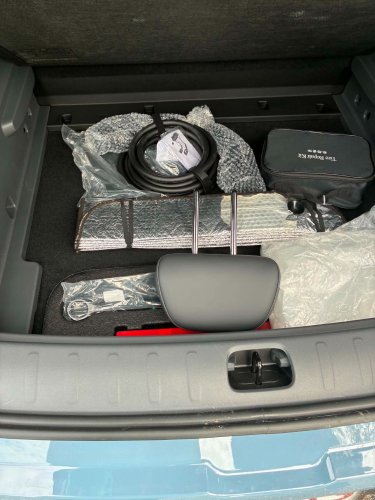
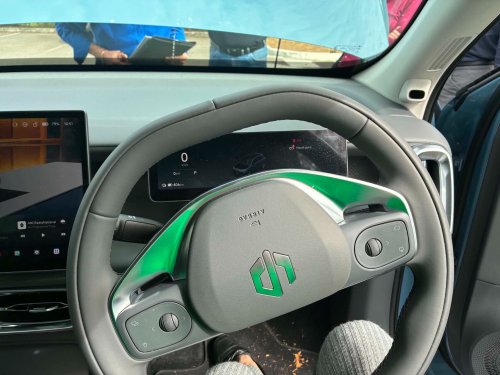
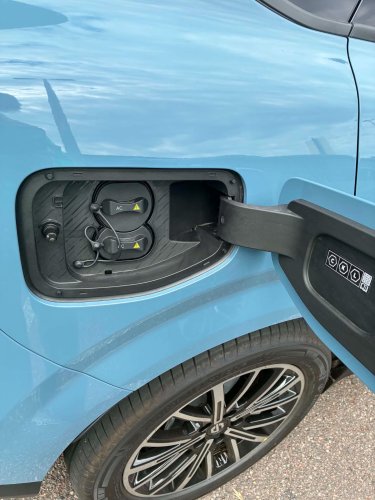
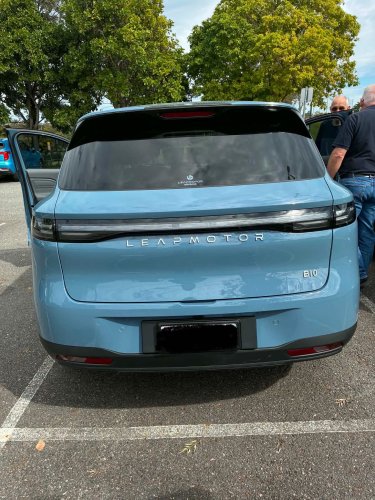
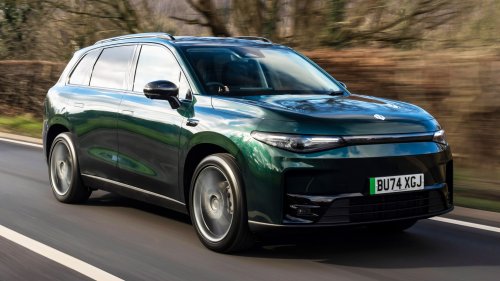
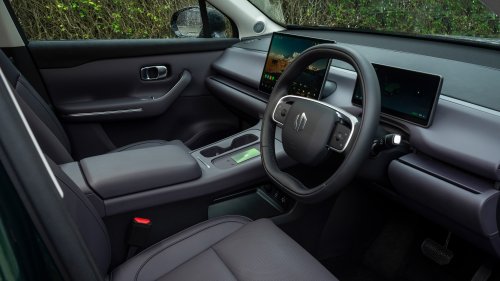
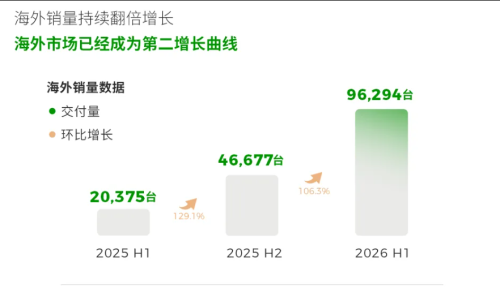
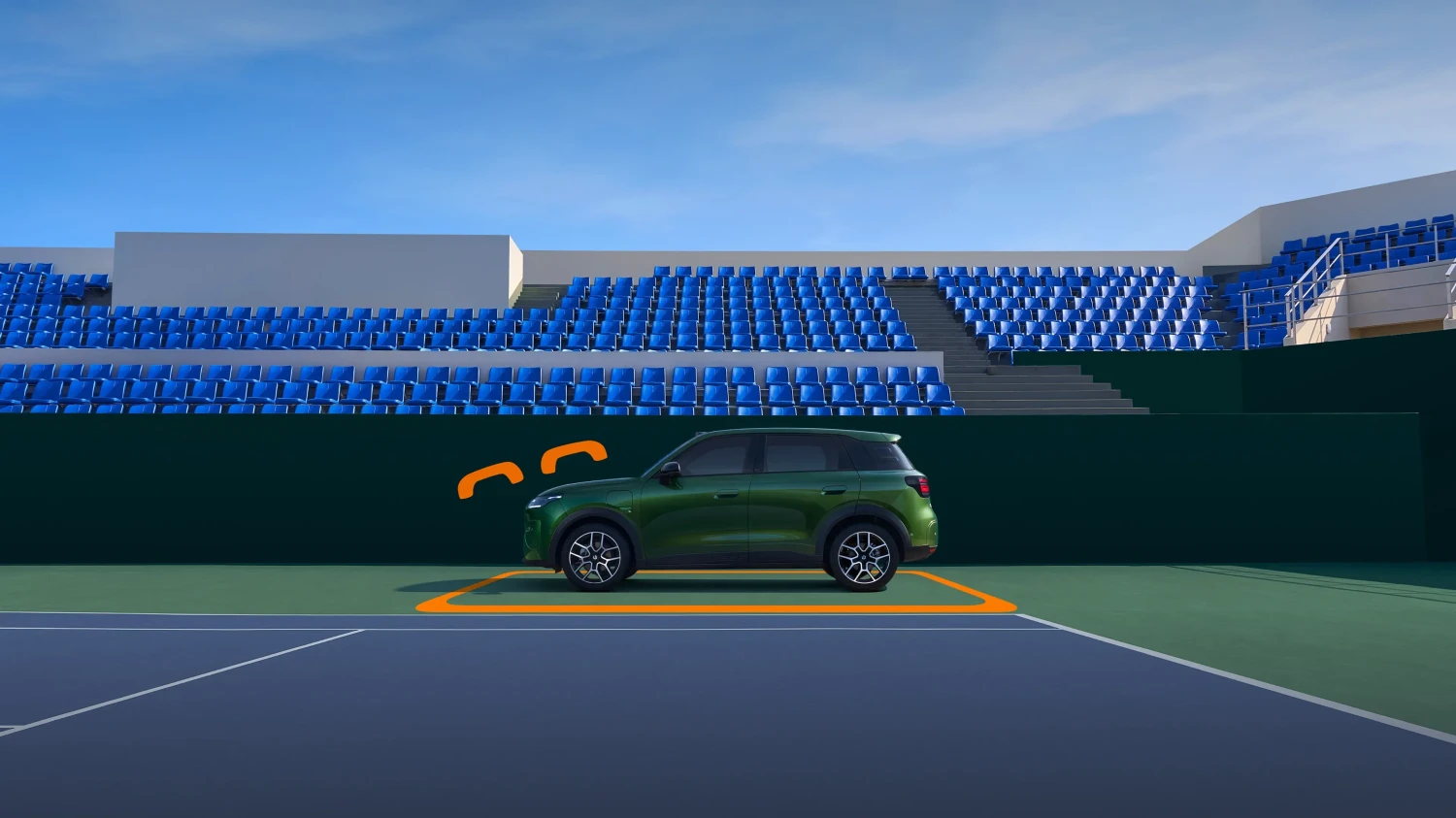
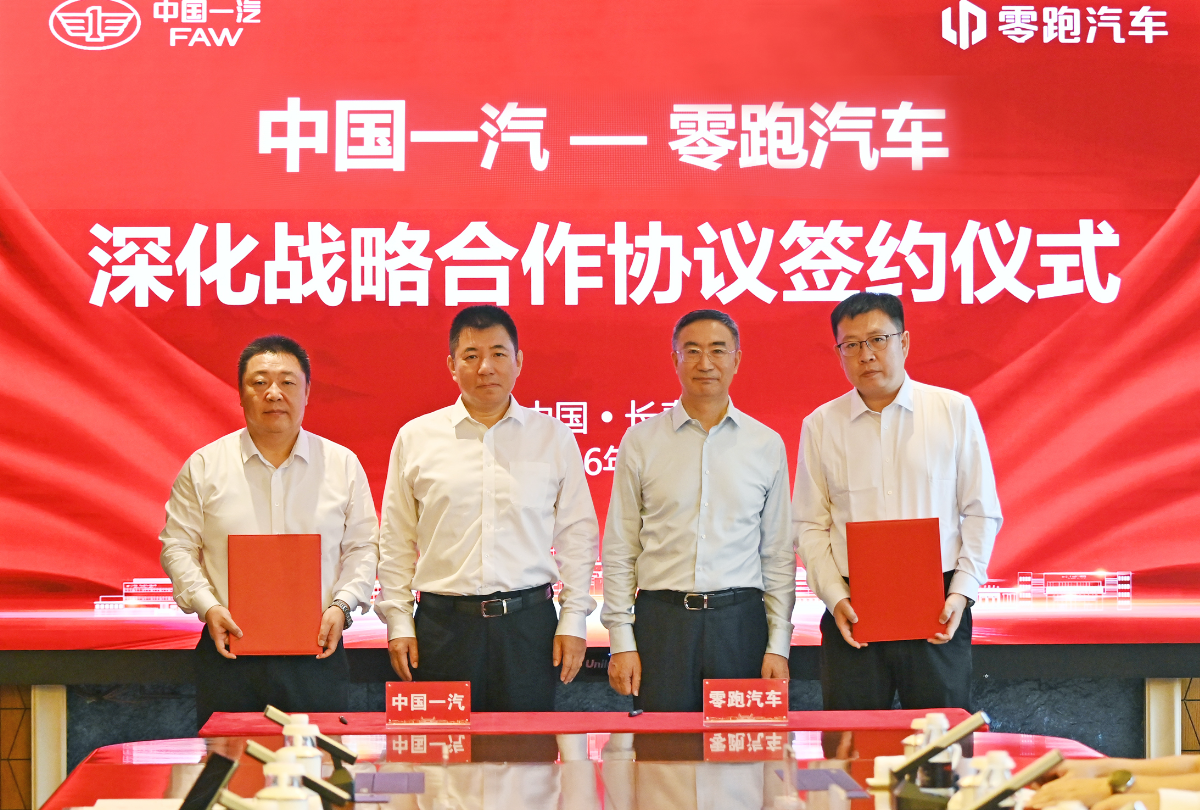
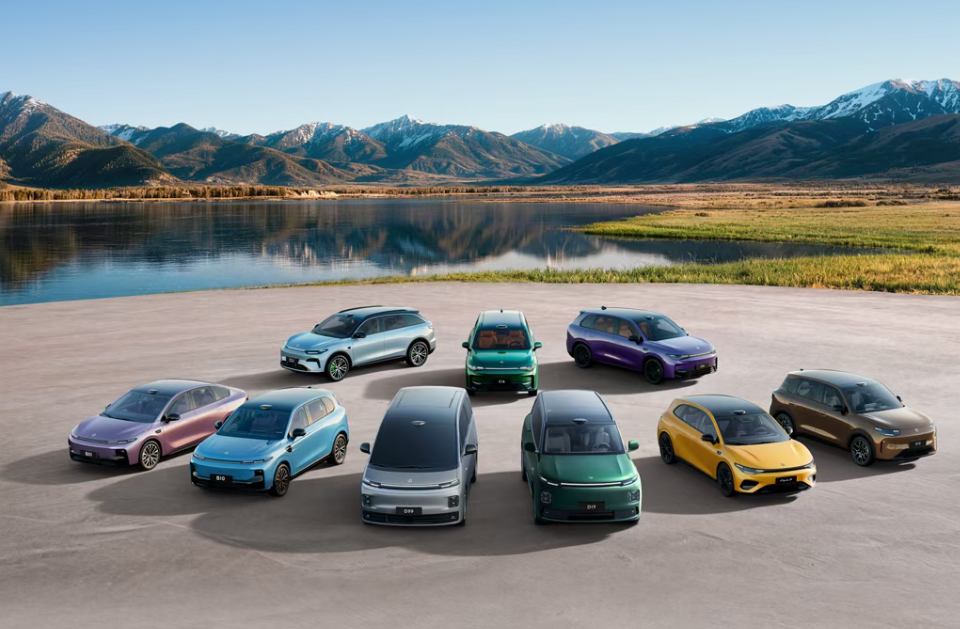
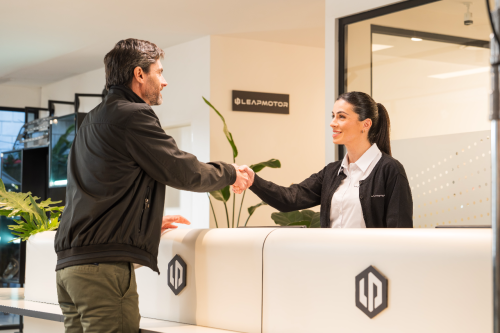
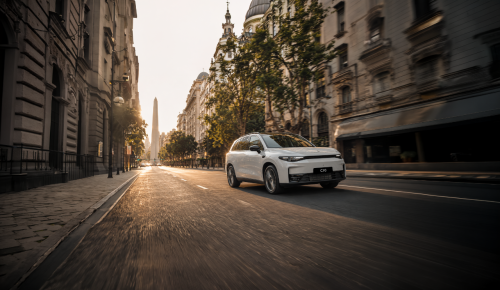
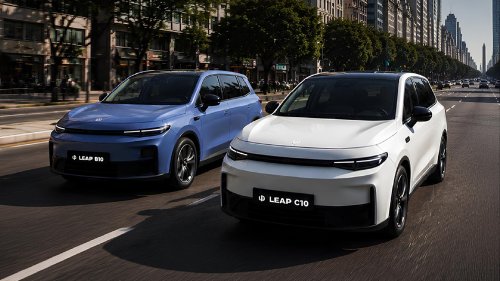
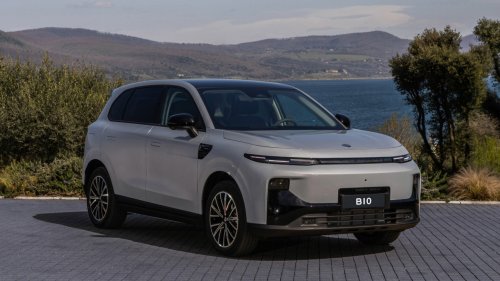
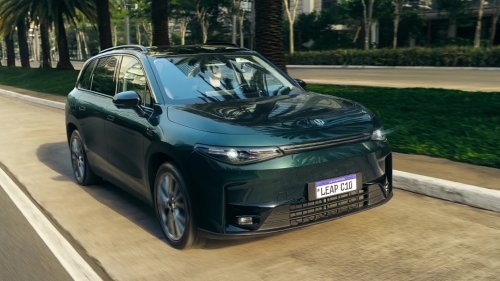
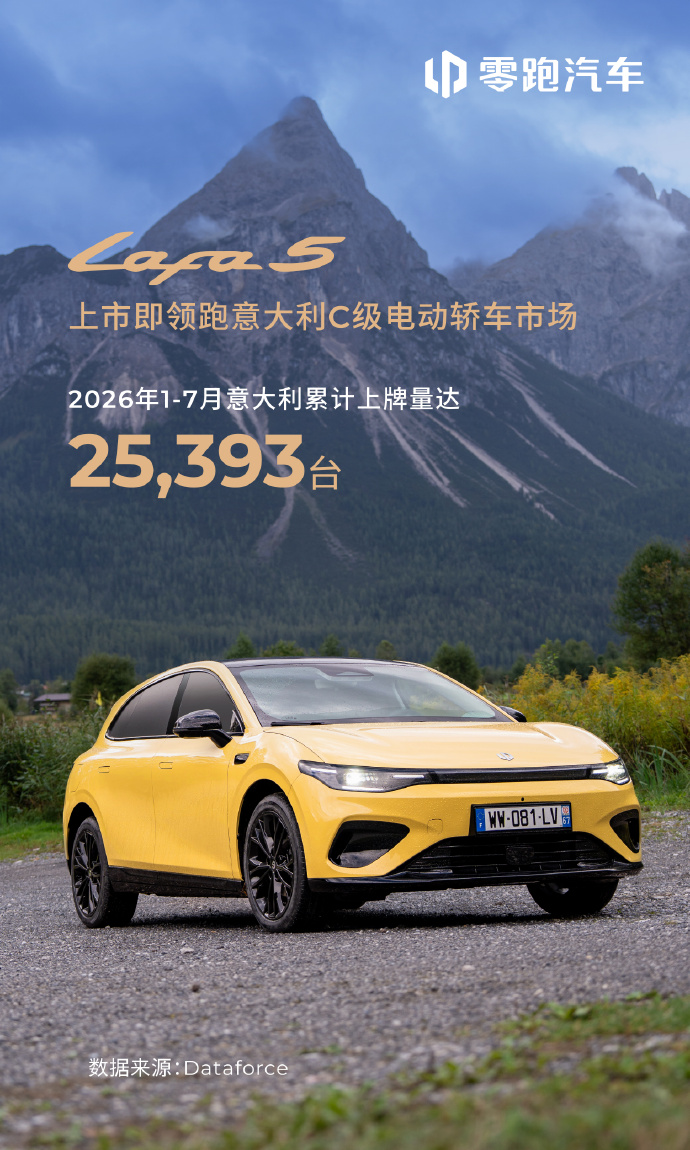
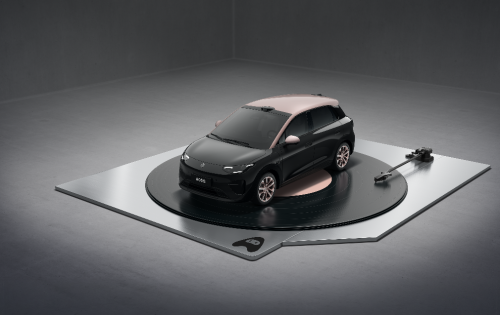
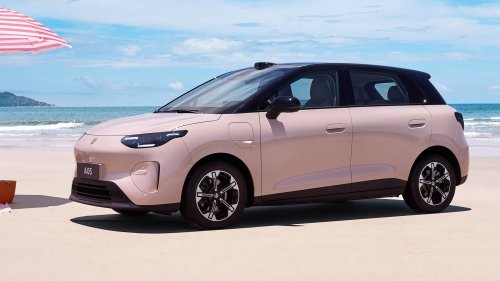
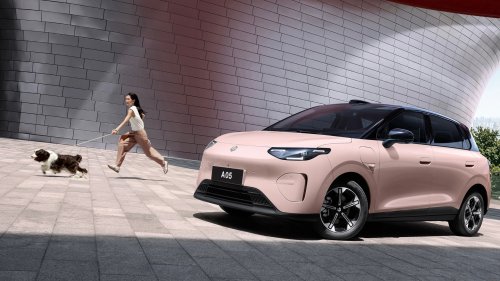
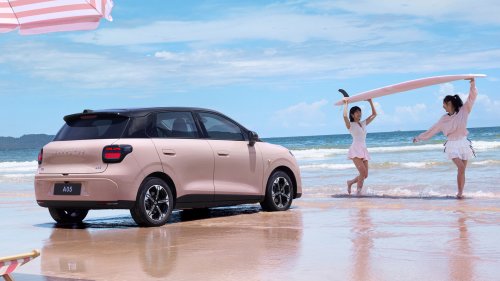
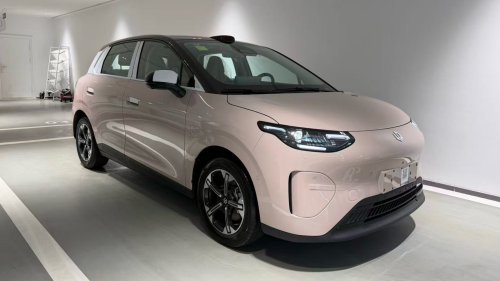
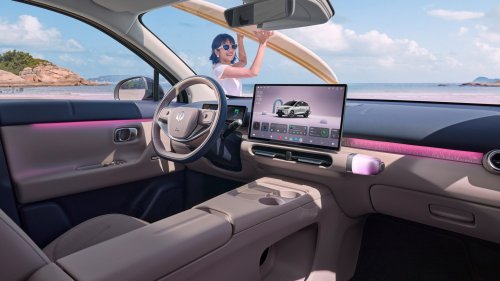
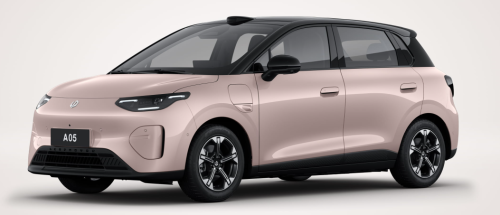
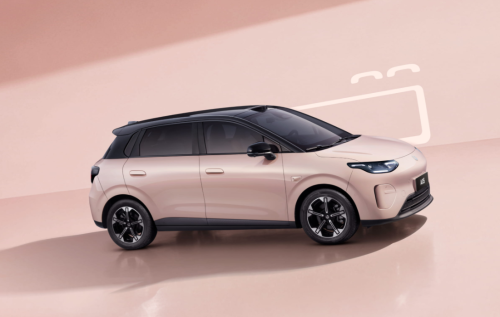
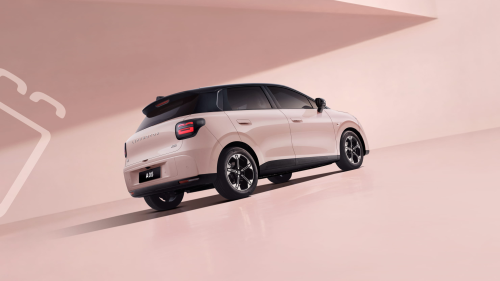
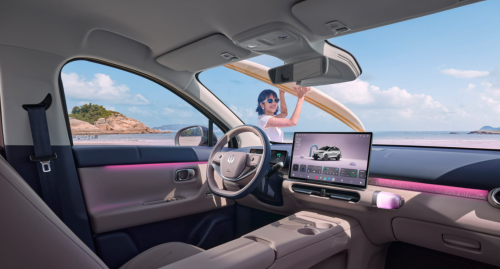
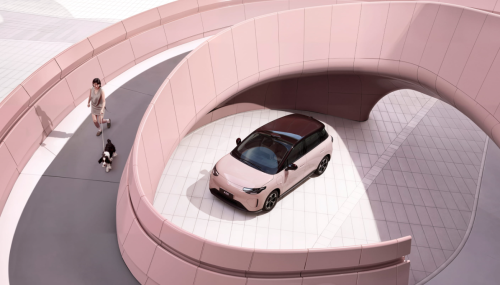
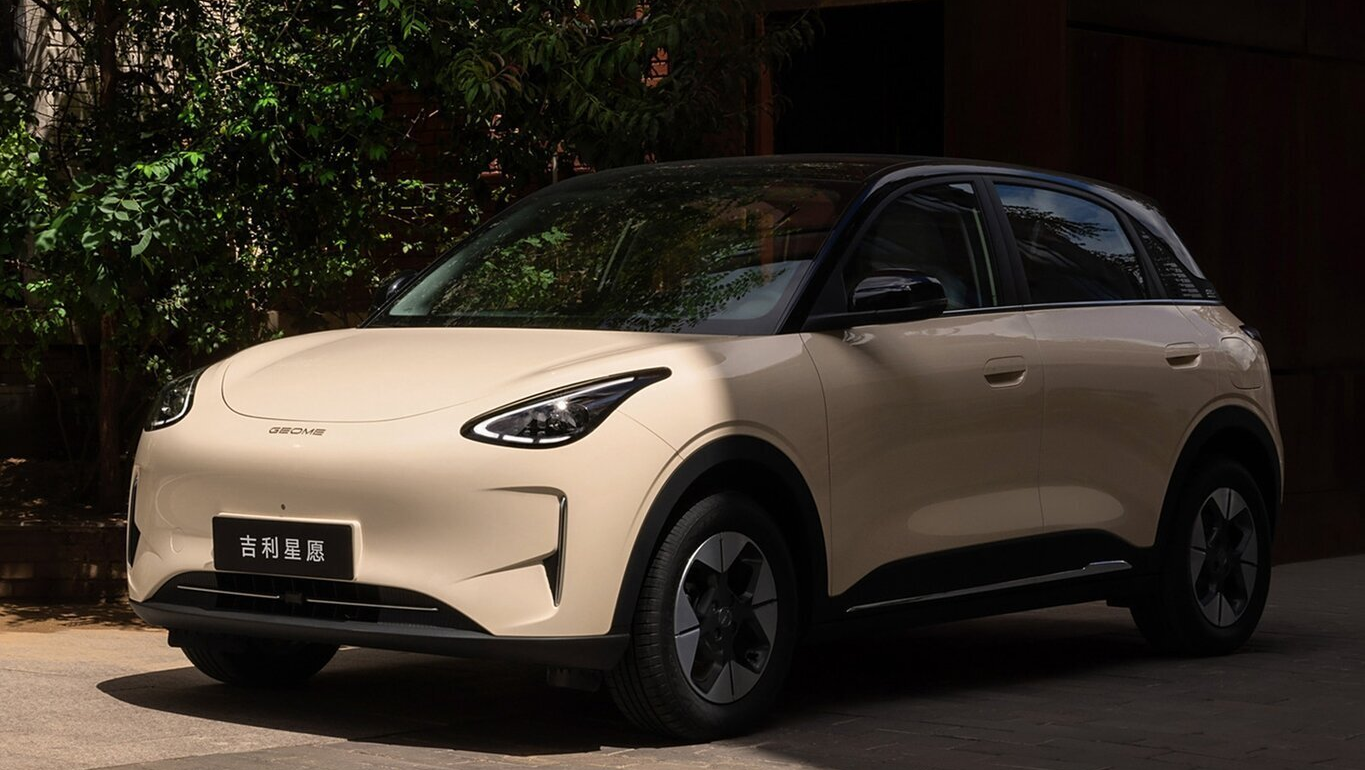
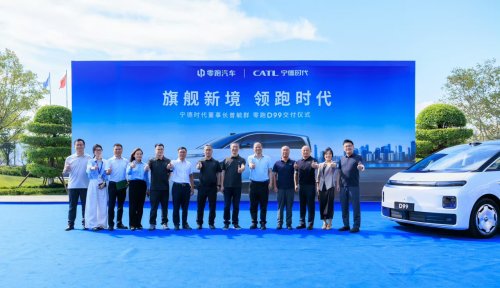
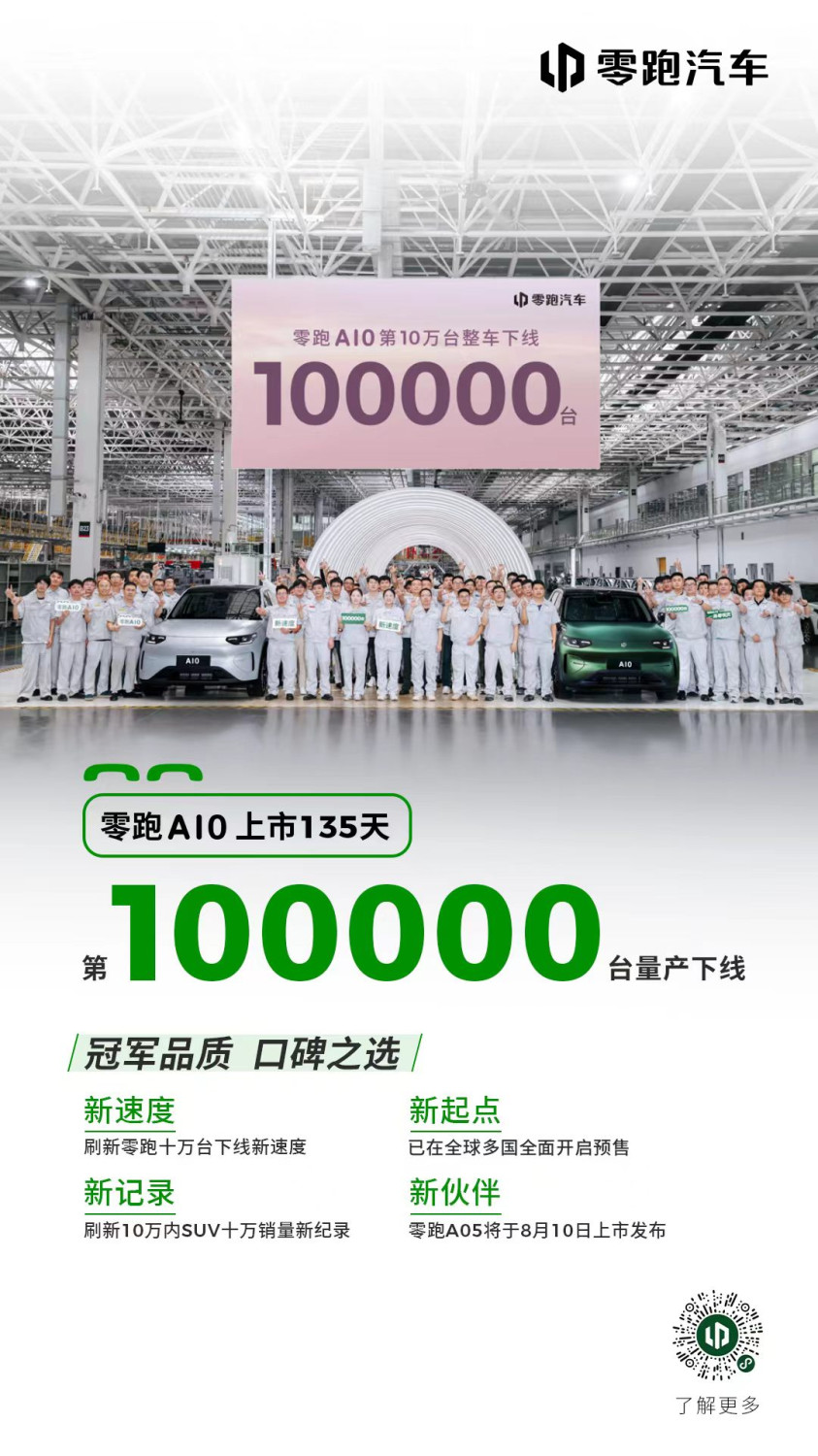
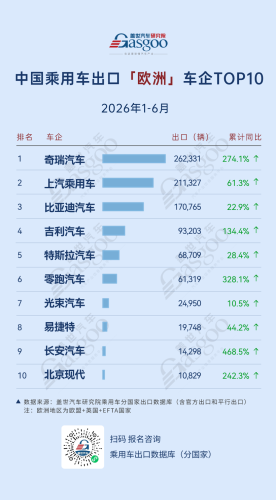
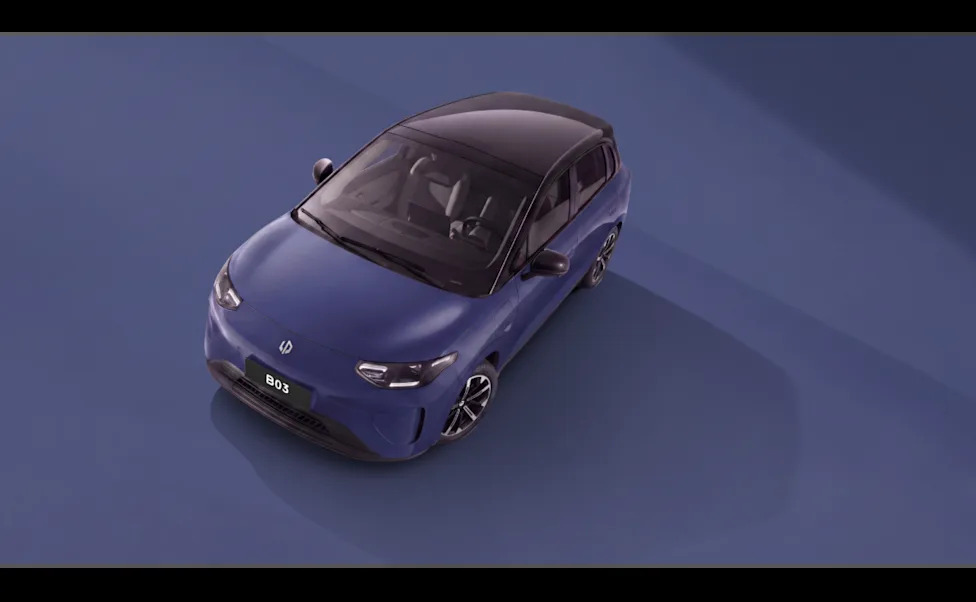
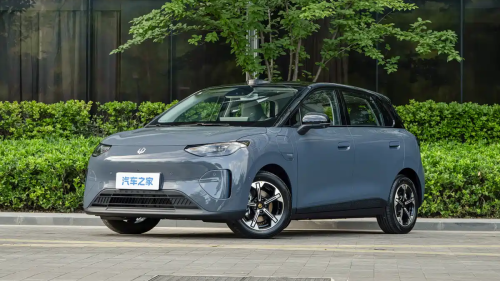
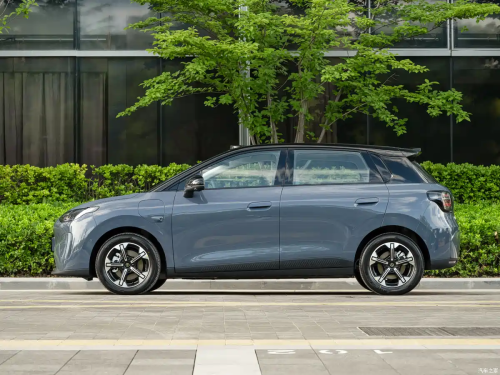
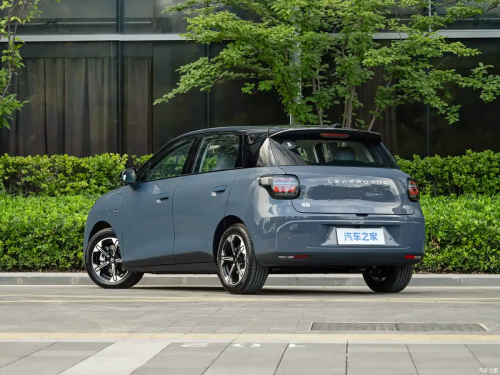
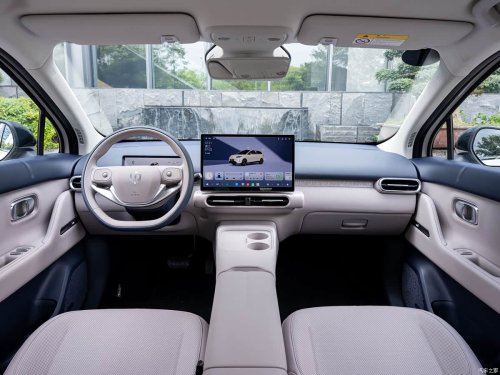
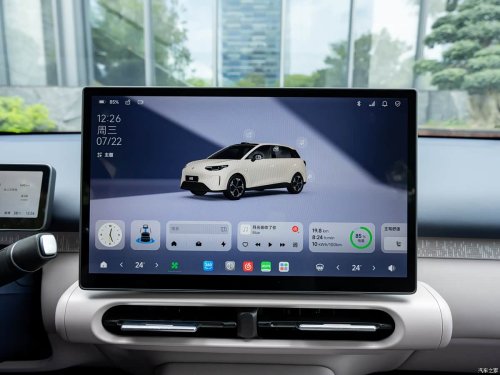
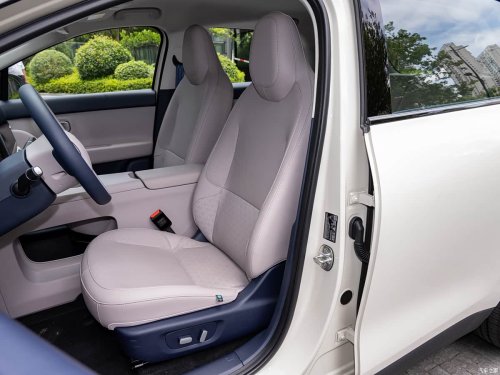
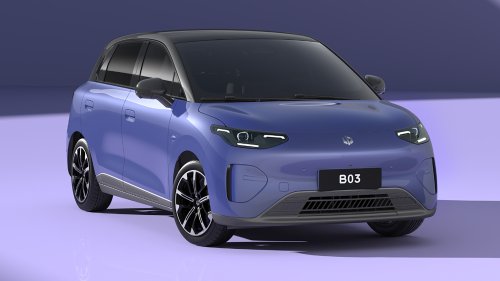
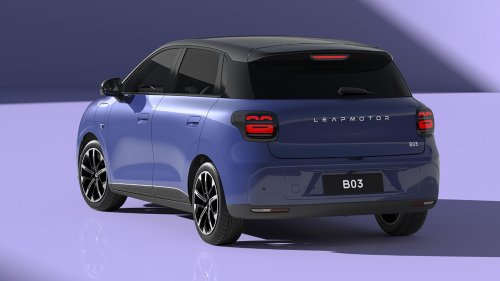
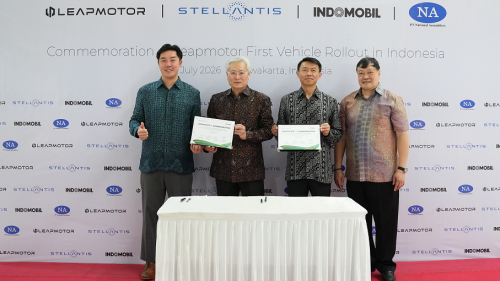
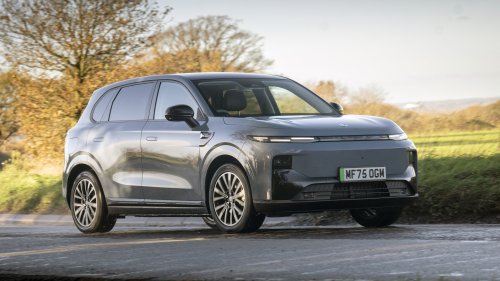
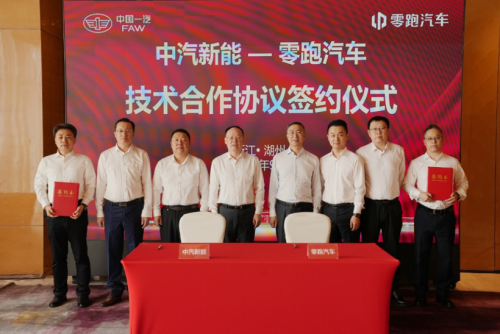
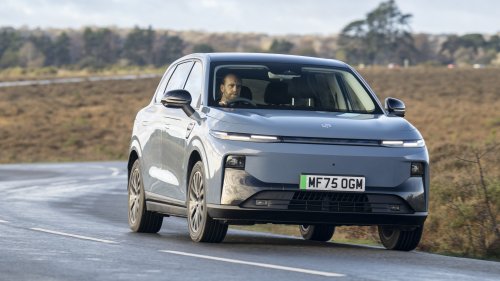
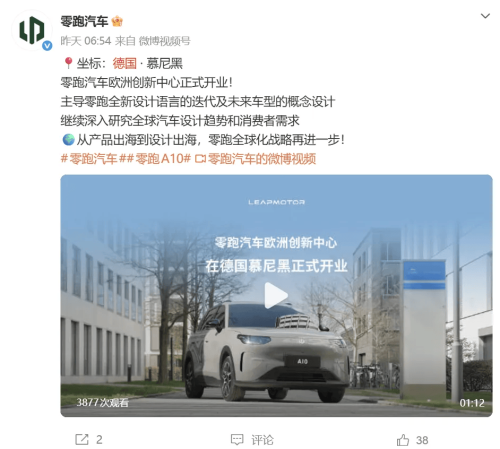
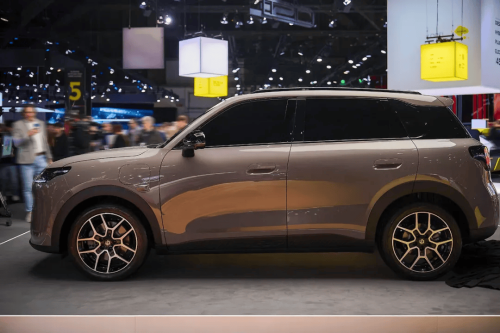
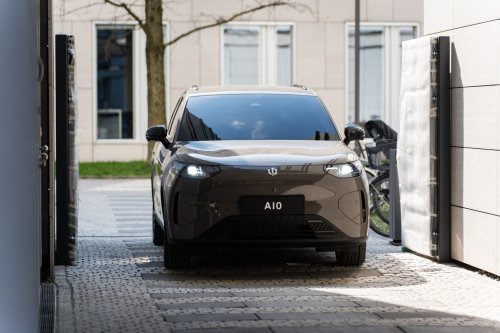
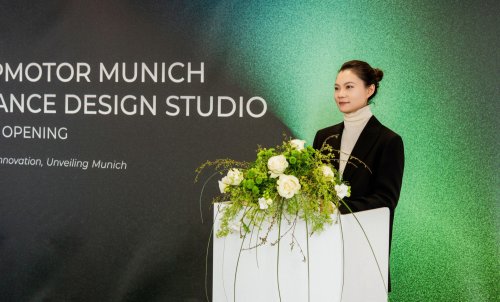
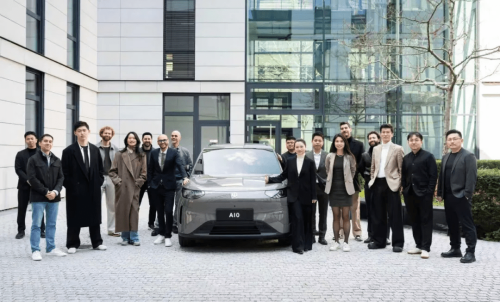
Last Thursday, Leapmotor officially opened its European Innovation Center. According to official information, the center—located in northern Munich—is Leapmotor’s first overseas innovation hub and will serve as the core base for its global design operations. It will become the company’s third design center after Hangzhou and Shanghai. This is not the first time a Chinese automaker has established operations in Germany or Munich. However, what sets Leapmotor apart is that it had already become the top seller in Germany’s NEV segment before launching the innovation center. In 2025, Leapmotor recorded overseas sales exceeding 50,000 units, ranking first among emerging EV startups. Leapmotor announces to open its European Innovation Center Within Europe, Germany—widely regarded as the birthplace of the modern automobile—became Leapmotor’s second-largest market after Italy. The T03 also secured the top spot among Chinese-brand pure electric models in Germany in July. At the same time, Germany remains a critical battleground. For any Chinese automaker seeking broader acceptance in Europe, success in Germany is both strategically essential and highly symbolic. How will Leapmotor execute its Germany strategy? And can the upcoming B03X (known as A10 in China) successfully integrate into Europe’s small-car culture? This article examines how Leapmotor aims to establish a lasting foothold in Germany. Small Cars Go Global, Germany as First Test If the T03 marked Leapmotor’s initial breakthrough in Germany, the upcoming B03X in Europe and set to launch in 40 countries—will carry forward the company’s next-generation technology. Leapmotor B03X (known as A10 in China) The B03X, which will begin pre-sales on the 26th, is comparable in size to the Volkswagen ID.3 and positioned within the A-segment EV category. Although the B03X is an SUV, both models share similar length and width. This body style is particularly popular in Germany and across Europe. Compared with the previous-generation T03, the B03X features significant upgrades in smart cockpit, intelligent driving, and core electric powertrain systems. For example, the B03X adopts a 14.6-inch 2.5K display and is powered by the Snapdragon 8295 cockpit chip derived from Leapmotor’s B-series models. Leapmotor B03X (known as A10 in China) The China-market version also carries over the B-series intelligent driving architecture, featuring LiDAR and the Qualcomm 8650 chip. In terms of range, the domestic version of the B03X offers a maximum CLTC range of 505 km, placing it within the mainstream range of its segment. More notably, the platform supports up to 3C fast-charging capability, which could provide a significant competitive edge over many small EVs currently sold in Europe. Design Innovation Meets German Market Germany will serve as the first stop for the B03X and marks a new phase in Leapmotor’s systematic entry into Europe. In 2026, Leapmotor will further deepen its cooperation with Stellantis in Europe, covering sales, services, and potentially local production. The next step will extend into design and R&D collaboration. Opening ceromony of Leapmotor’s European Innovation Center Yu Shuyue, head of Leapmotor’s global design center, stated at the opening ceremony that the innovation center is not merely “an office,” but “a gateway to innovation.” Taking the B03X as an example, it represents Leapmotor’s “Technology Natural Aesthetics 2.0” design language, inheriting and reinforcing the brand’s design DNA. Leapmotor BT03 (known as A10 in China) At the same time, Leapmotor emphasized that it will closely study global automotive design trends and consumer demands, integrating advanced international design concepts and technologies into its evolving design language. For 2026, founder Zhu Jiangming has set an ambitious annual sales target of 1 million units, with overseas sales expected to maintain a doubling growth trajectory. For a mass-market automaker aiming to achieve six-digit annual sales in Europe, strong local market recognition is essential. Leveraging Chinese design to resonate with European consumers may prove to be an effective strategy in the birthplace of automotive culture. Whether the Munich-based European Innovation Center can help Leapmotor achieve this goal remains to be seen.



















 +9 others