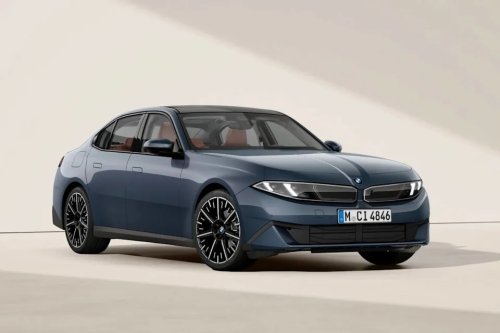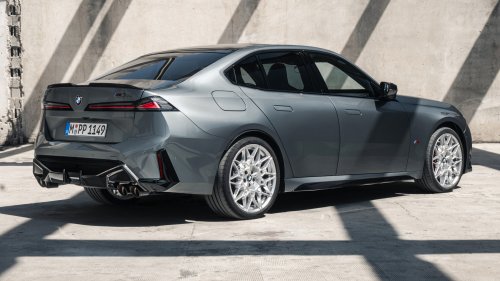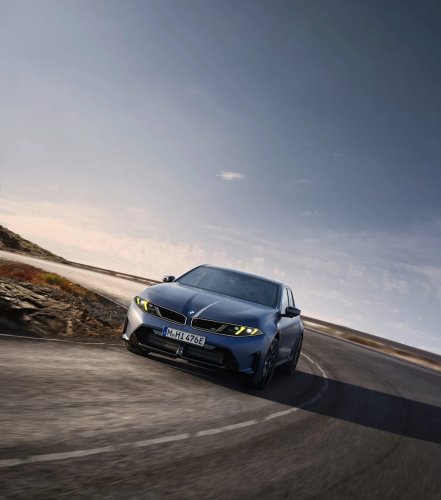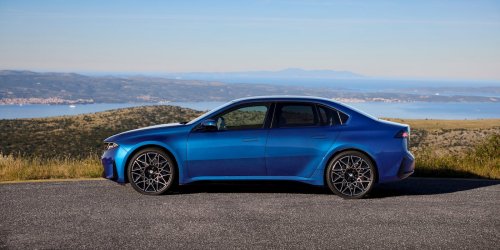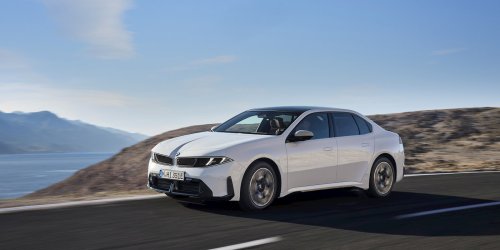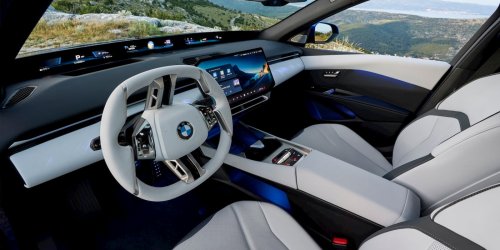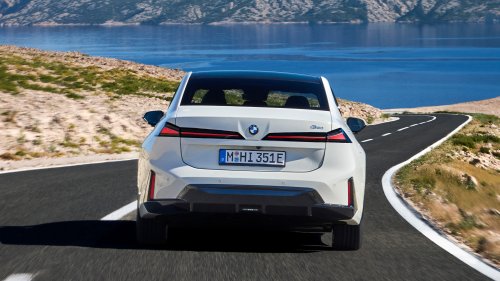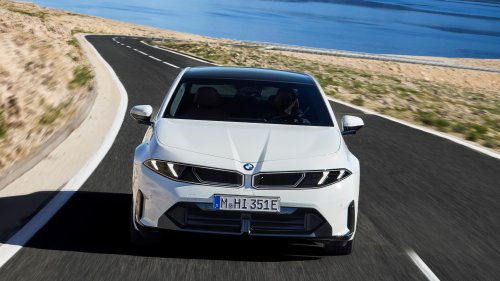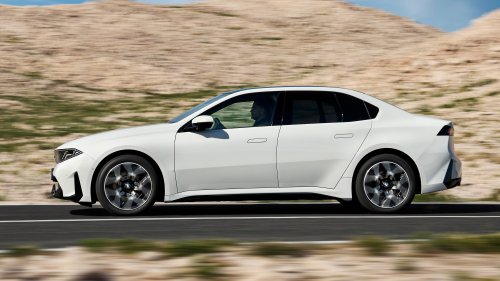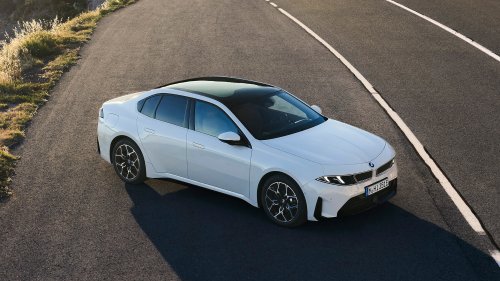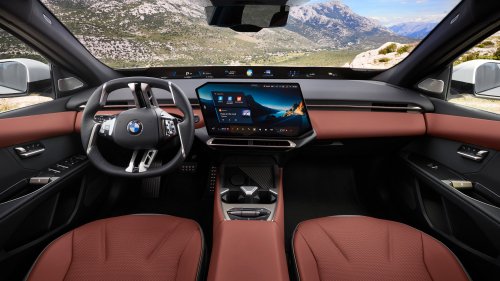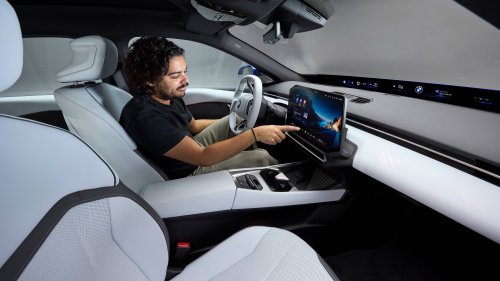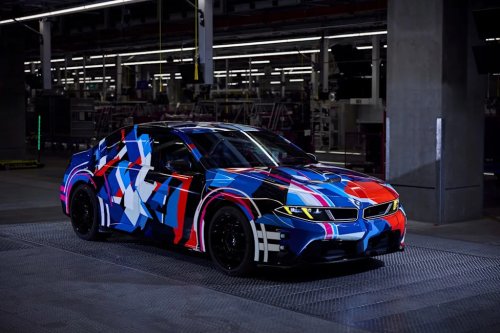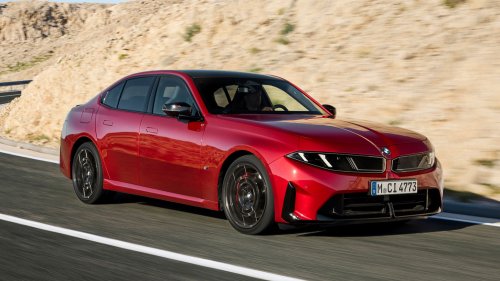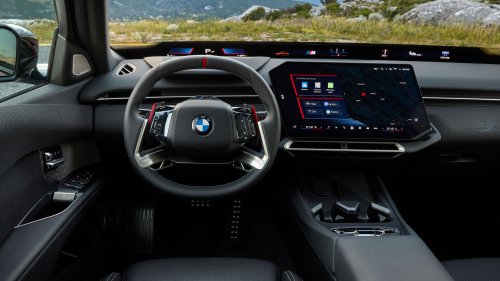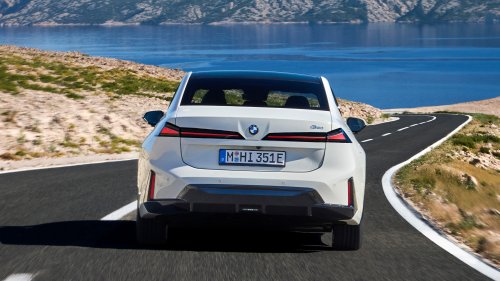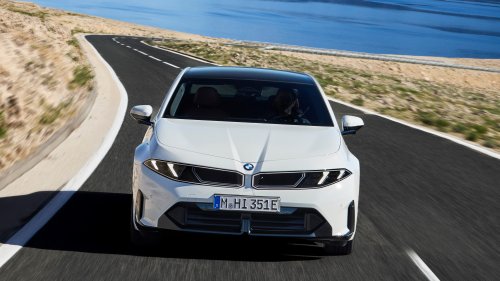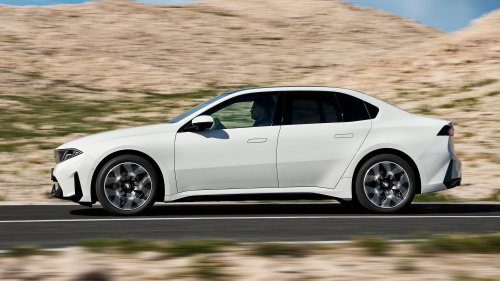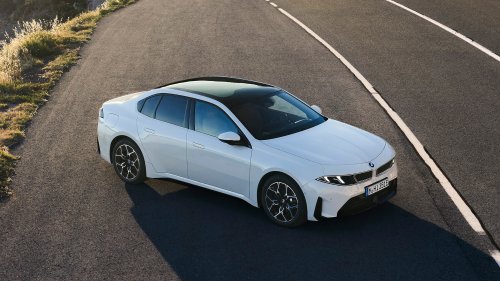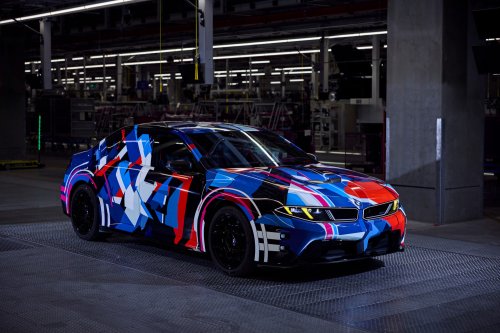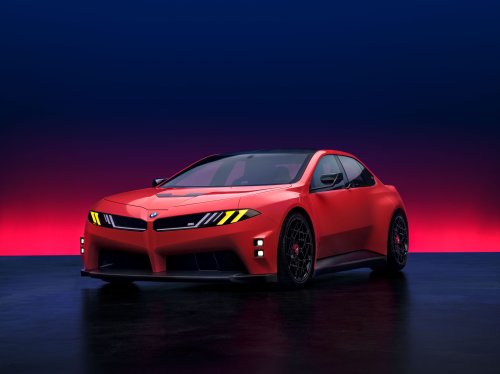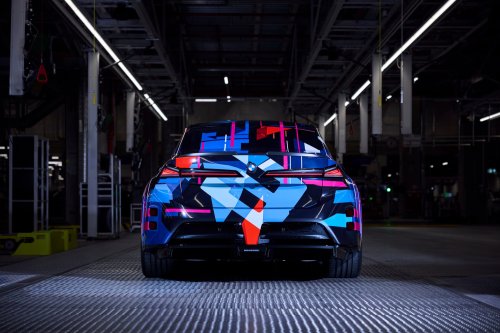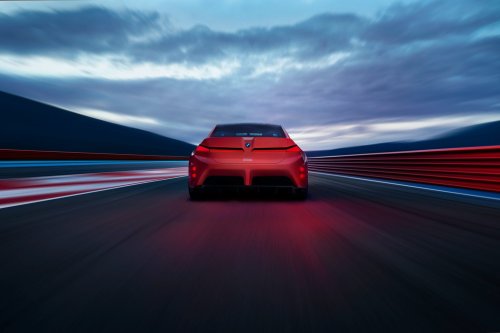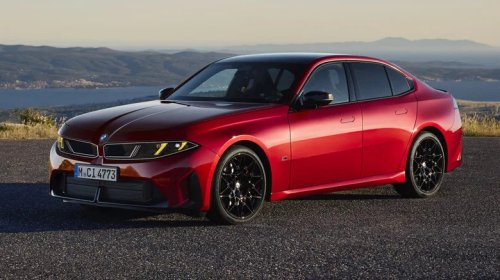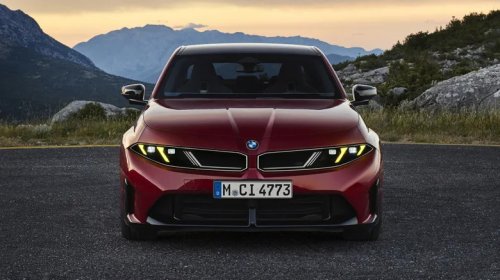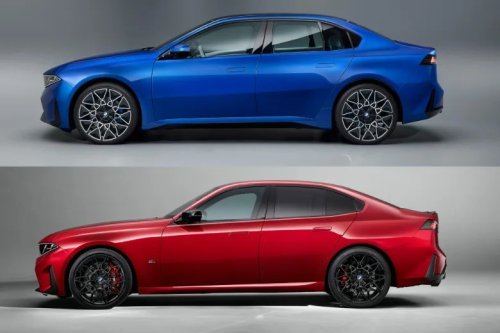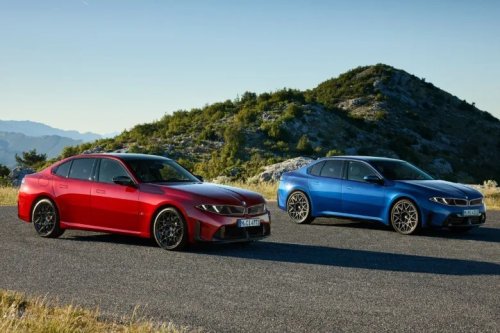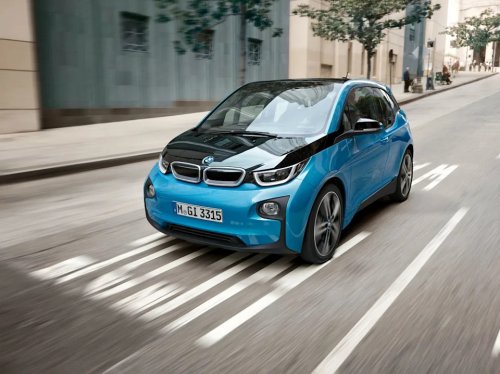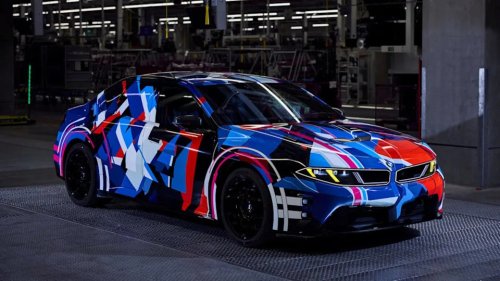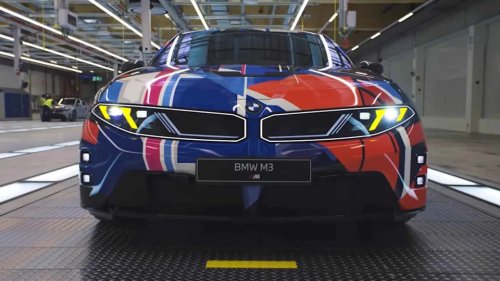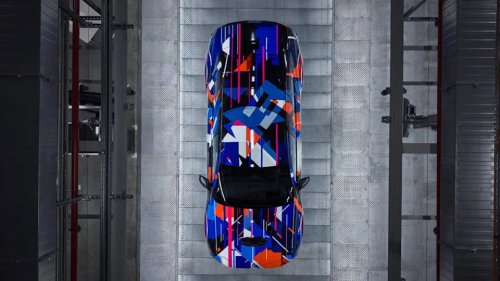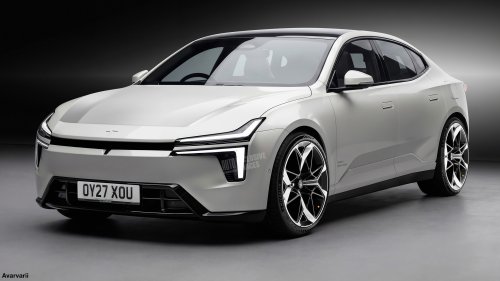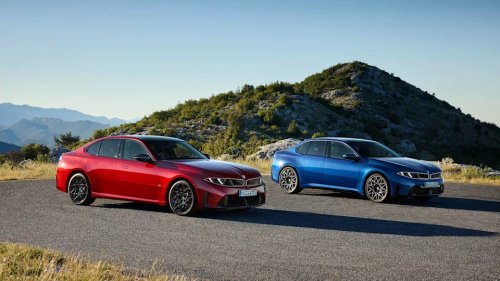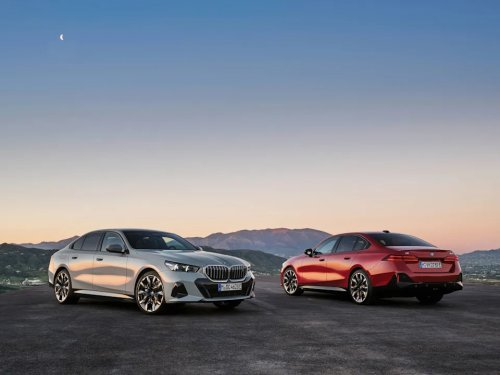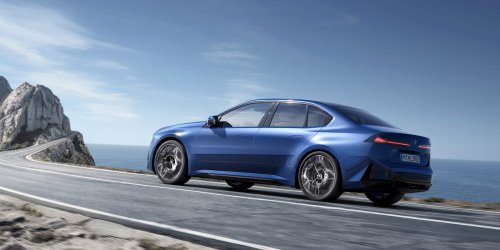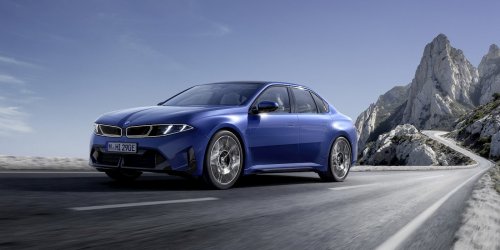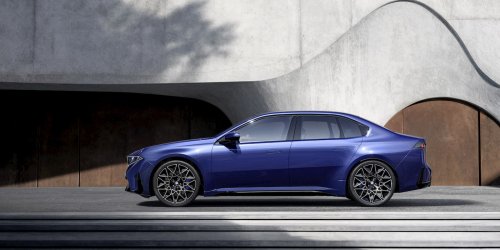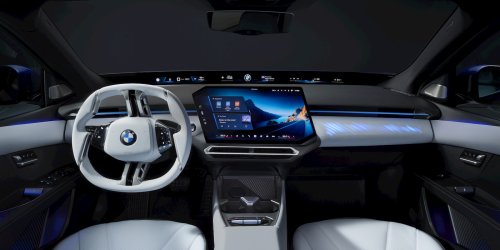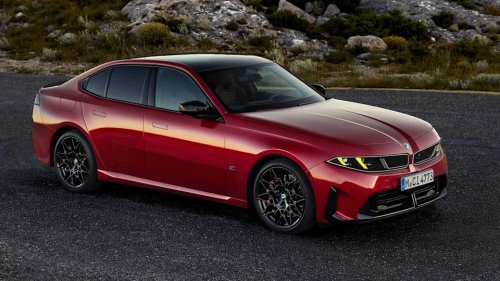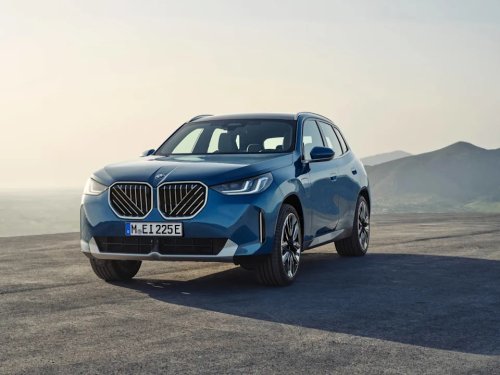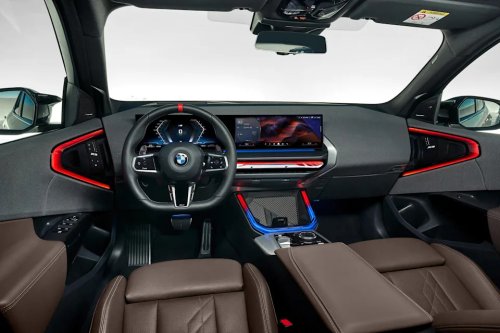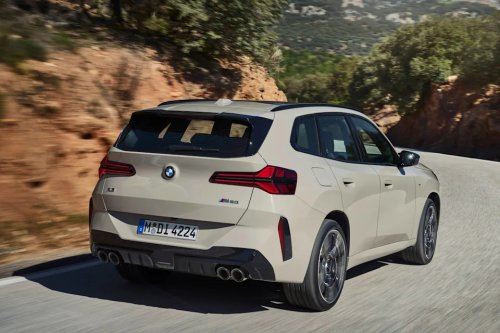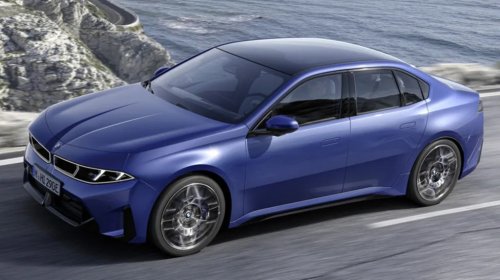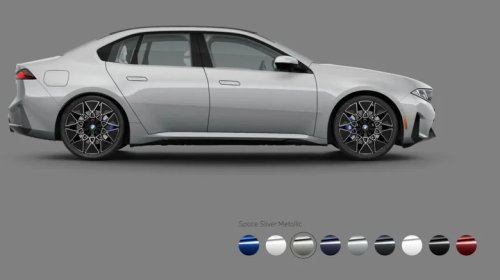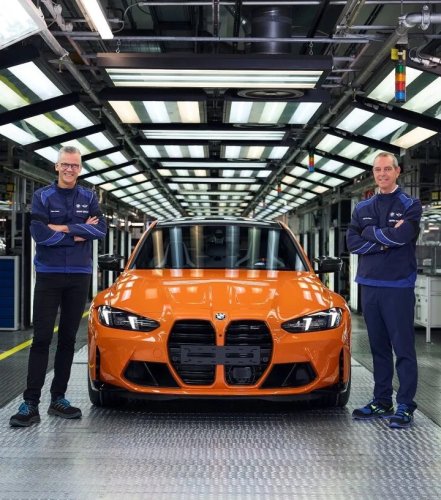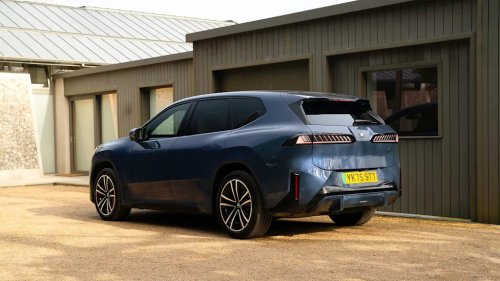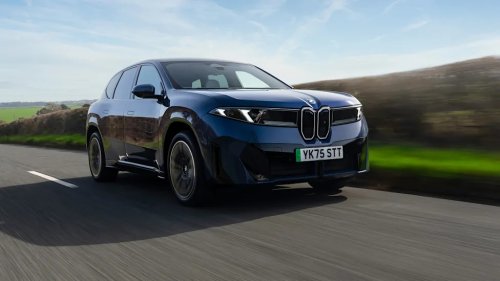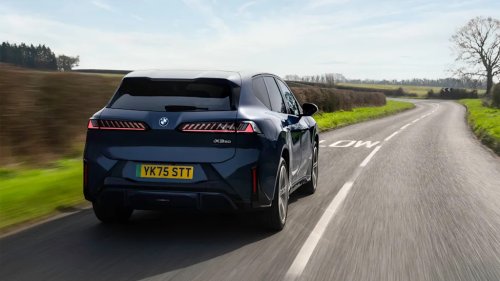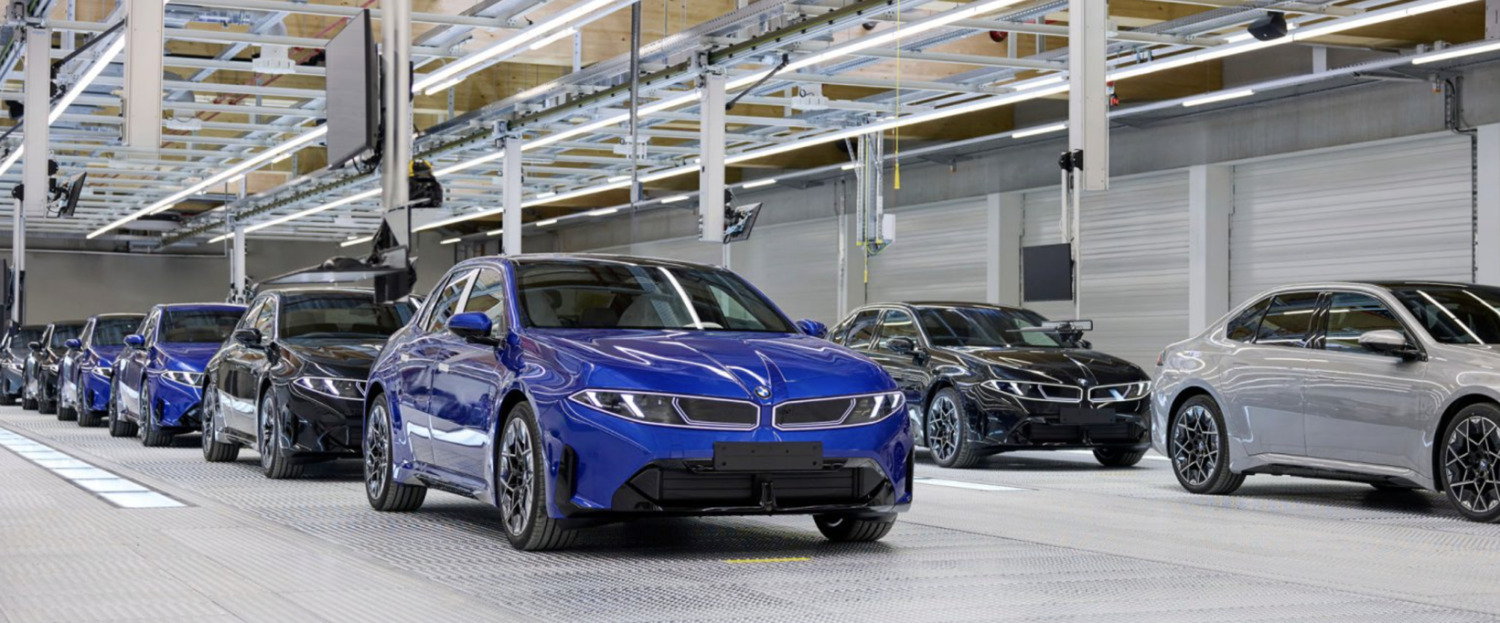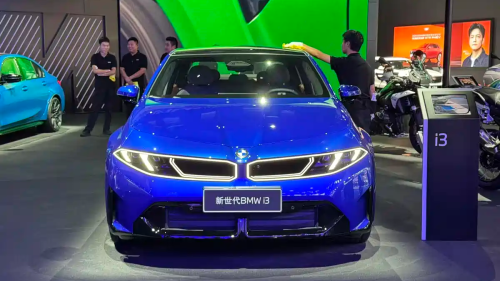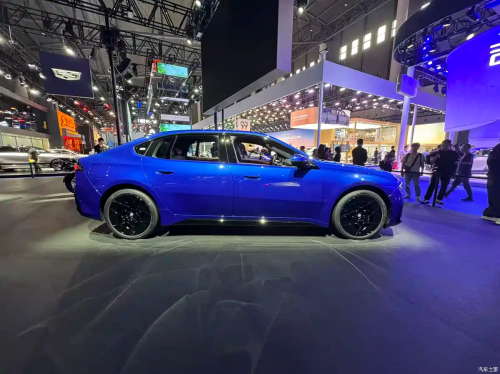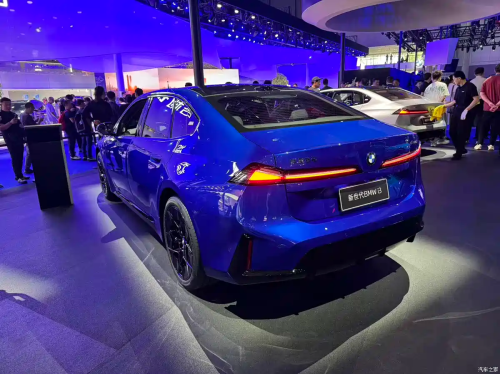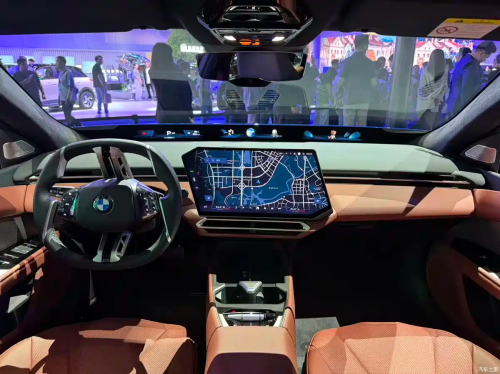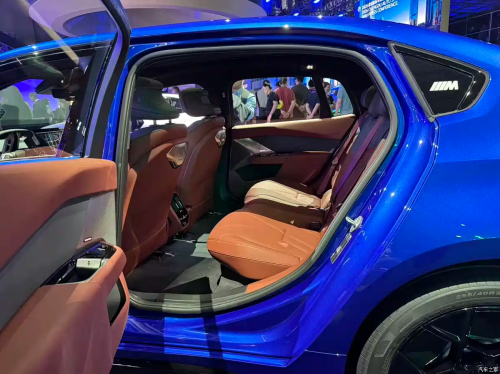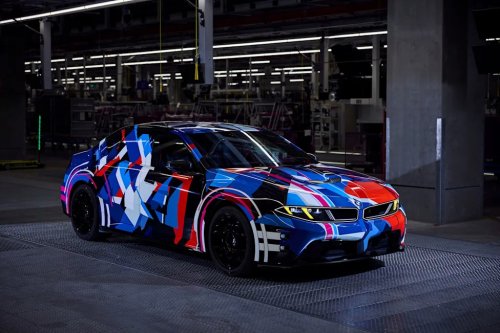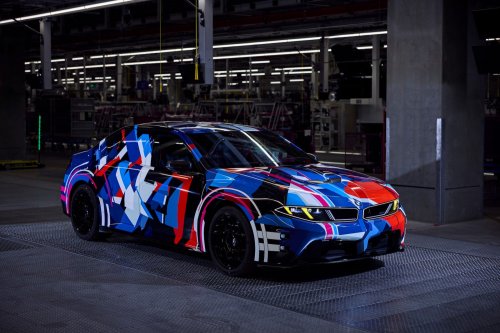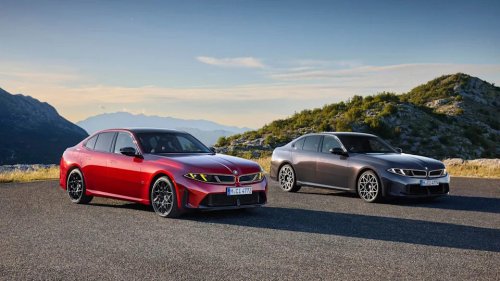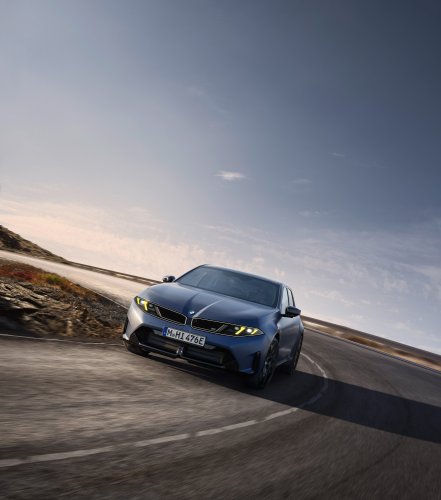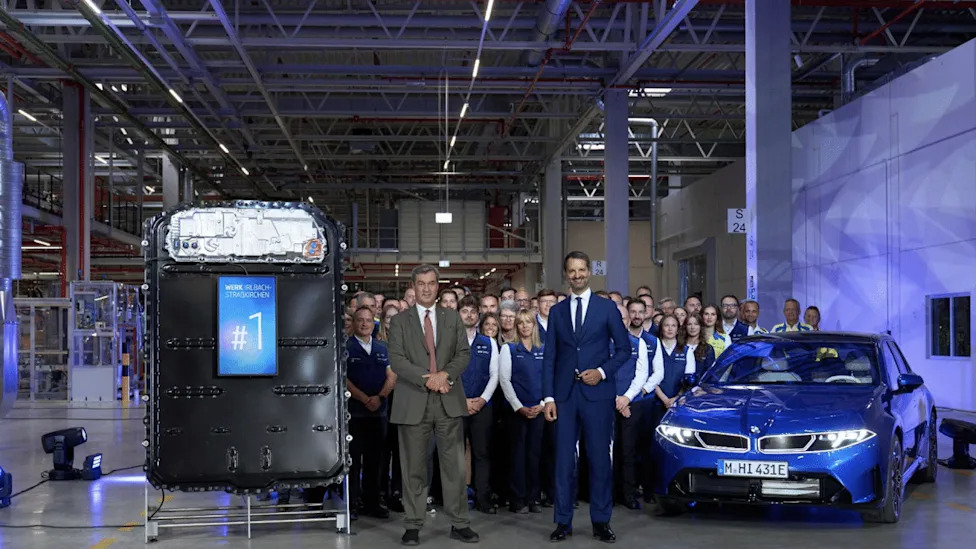



















1 / 2Inside BMW’s Bavarian Gen6 Pack Plant Powering the Electric i3 SedanBMW just switched on a roughly €1 billion battery plant in the Lower Bavarian farmland between Irlbach and Straßkirchen, and the first customer is the new electric i3 sedan built about 90 minutes up the road in Munich. BMW officially opened the site on October 1 and is already shipping sixth-generation high-voltage packs to Plant Munich for the i3. That's per the company's official opening release. bmwgroupThe headline number is the euro figure. The more interesting part is what this building actually does, and what it means for anyone who someday has to fix, insure, or resell one of these cars.Assembly, not chemistryCall it a "battery plant" if you like, but nobody in Irlbach-Straßkirchen is coating cathodes. BMW says the cells come from outside cell manufacturers and get voltage-checked on arrival before going into the build process. This is pack assembly, the step where cells become a structural, liquid-cooled, software-managed component of a car. bmwgroupA Stolen $50,000 Chevelle Allegedly Went for $9,500 Cash and No Title. The Buyer Is Charged Too.Stellantis Is Grading Its Quality Fix on Three-Month-Old Cars. The €4.1 Billion Bill Is for Older Ones.That process, per BMW's own description, runs like this. Cylindrical cells are bonded to coolers in clusters, the clusters and contact system are laser-cleaned and welded, and then a foaming process locks everything into one mechanical unit. The housing is sealed and riveted, the "Energy Master" control unit goes on last, and every pack gets a full end-of-line inspection. BMW also says it logs more than 3,500 data points per battery in real time. bmwgroupWhy the foam should get your attentionGen6 drops the old module layout entirely. The round cells go straight into the pack under a cell-to-pack design, and the pack itself forms part of the body structure, which BMW calls "pack-to-open-body." bmwgroupEngineers love this layout because it removes weight, cost, and wasted space. Repair shops and insurers may love it less. Older modular packs could sometimes be repaired by swapping a failed module. A foam-encapsulated pack that doubles as part of the floor offers no such easy access. Expect a cracked or deformed pack after an underbody hit to be treated as a replace-the-whole-thing job. Insurers already total EVs over pack damage because a new pack can cost a big share of the car's value. Structural packs raise those stakes. Anyone shopping a used i3 in a few years should ask hard questions about any underbody or curb-strike history.The flip side: with that many data points logged per pack at the factory, BMW should have unusually detailed birth records for every battery. Whether owners or independent shops ever get meaningful access to that data is another matter.What it does for the i3The packs going into the i3 hold 108.7 kWh. BMW quotes up to 906 km of WLTP range for the i3 50 xDrive First Edition, and 800-volt hardware allows up to 400 kW DC charging, good for up to 423 km of WLTP range in 10 minutes. Converted, that's roughly 563 miles and 263 miles. Keep in mind that Europe's WLTP cycle runs considerably more generous than the EPA's testing, so American numbers will come in lower whenever BMW publishes them. The car also supports bidirectional charging. bmwgroupFor context, the i3 badge last appeared on a quirky carbon-tubbed city car with skinny tires and suicide doors. The new one is a full-size 3 Series sedan. BMW builds the electric i3 in its renovated Munich plant while gas and plug-in hybrid 3 Series models come out of Dingolfing, according to BMW's 3 Series investment announcement. bmwgroupAhead of schedule, for onceEarlier BMW plant communications said series production was planned for the end of 2026. It arrived at the start of October instead. BMW says strong Neue Klasse demand pushed the ramp-up faster than planned, so production started straight away on two shifts. Construction began in April 2024, and the first pre-series pack came off the line in March 2026. innovation in bavaria: bmw group relies on local partners at the plant irlbach strasskirchenThe site needed local blessing first. In a September 2023 referendum, more than 75% of Straßkirchen residents voted in favor, with turnout around 77%. In a country where large industrial projects routinely sink into years of permitting fights, that vote was arguably worth more than the concrete. bmwgroupScale and the bigger networkAt full output, BMW expects about 1,600 employees and several hundred packs a day across two lines, supported by 500 robots in a 50,000-square-meter production area. It's one of five Gen6 pack plants, alongside Debrecen in Hungary, Shenyang in China, Woodruff in South Carolina, and San Luis Potosí in Mexico. That last group matters to American buyers. Packs for U.S.-built Neue Klasse models are meant to come from South Carolina, not Bavaria, which is how BMW intends to keep battery logistics short and trade exposure manageable. bmwgroupSpotter Lawsuit Verdict: Jennifer Jo Cobb Faces $850,002 Under NC Heart-Balm LawDayton Detectives Recover One-Owner '70 GTO Judge After Rig TheftThere's a sustainability angle too, and it's more concrete than usual. The plant uses no fossil fuels in regular operation, needs no water for pack assembly, and the i3's cells use recycled content for part of their cobalt, lithium, and nickel. BMW says CO2e per watt-hour fell about 33% versus the Gen5 cell. A BMW-owned direct-recycling process runs at a center in Salching, 16 km away, which opened in December 2025. bmwgroupThe takeaway: the i3's real story isn't the billion euros. It's that BMW has built its battery as structure, and the long-term ownership math will follow from that decision.Images Via: BMW⚡ Read the full article on The Auto Wire