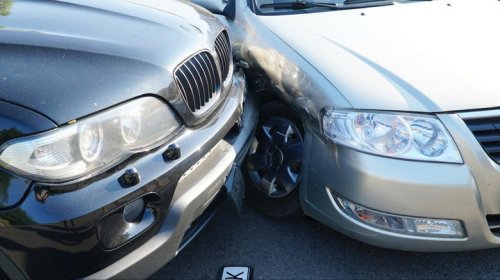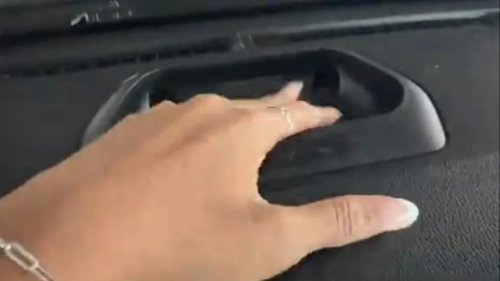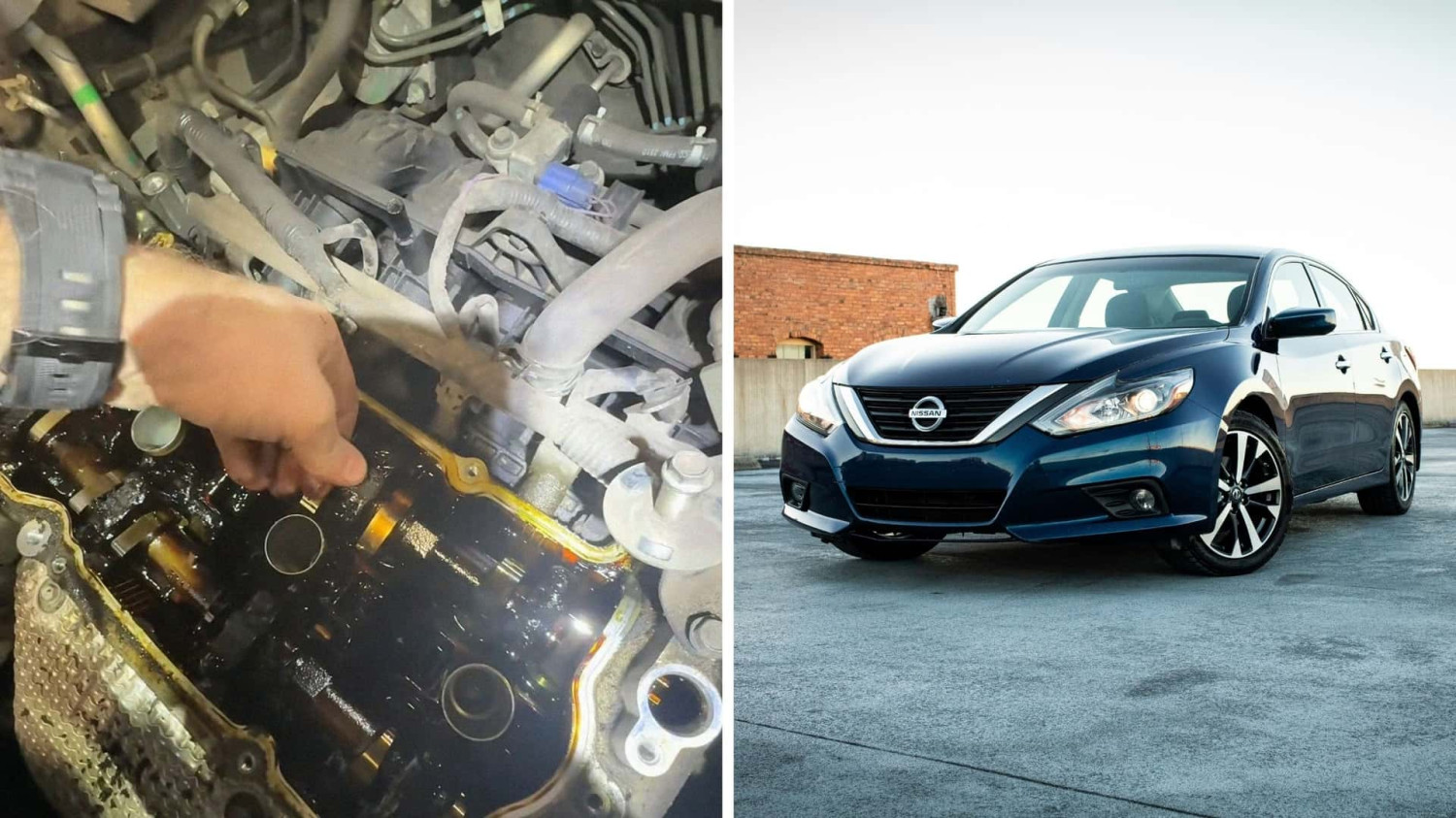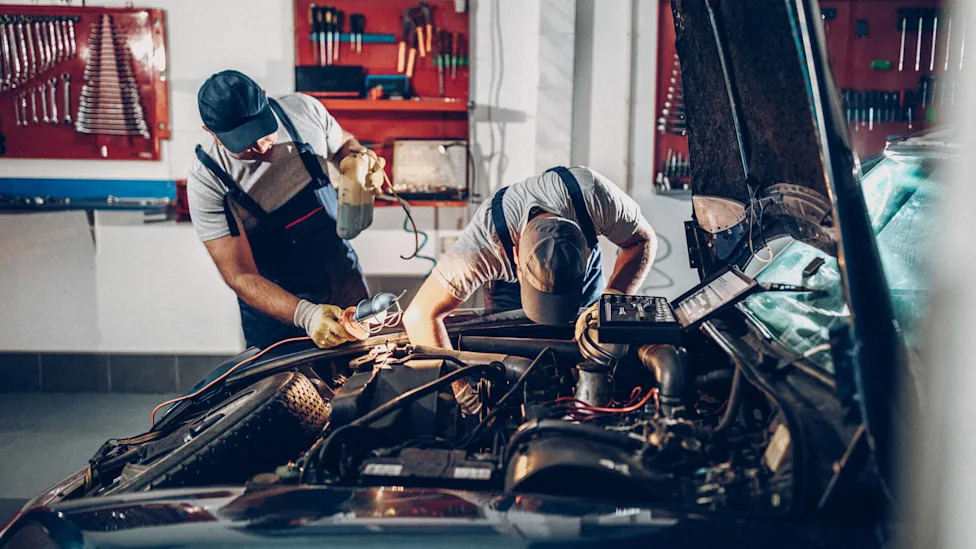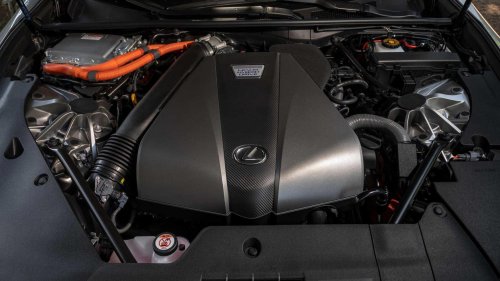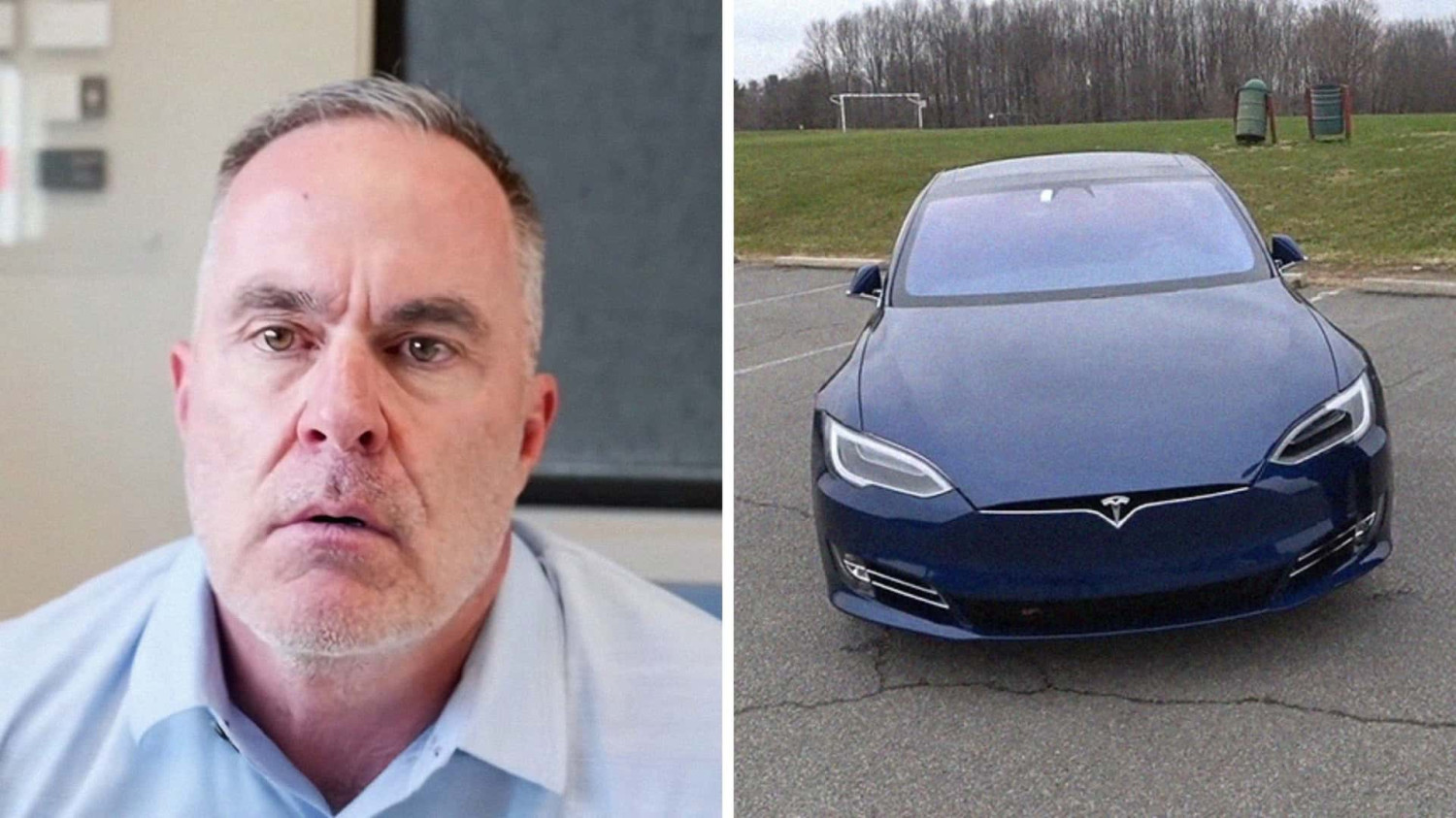



















I'm a Mechanic: Most People Miss These Red Flags When Buying a Used CarMoneyLionLaura BeckWed, September 23, 2026 at 5:00 PM UTCAdd us on Googledeepblue4you · iStock.comYou know that sinking feeling when you realize something's wrong with your car weeks after buying it? Here's the thing: most people's used car inspections are basically theater. They pop the hood, see a clean engine bay and call it a day. But that's what sellers are counting on.We talked to Chris Pyle, an auto expert at JustAnswer, who revealed what smart buyers actually need to check — the stuff that separates a solid used car from a costly mistake.The Warning Signs Cars Give Before Something FailsMost problems don't appear out of nowhere. According to Pyle, "Cars can have minor and major failures with no or little to no prior symptoms."AdvertisementAdvertisementBefore you sign the dotted line, listen for things like overheating, fluid loss, braking noises, exhaust smoke, dropping fuel mileage, odd steering or driveline noises, engine noises or strange shifting patterns. These are your early warning systems. Catch them now, not after you own the car.Don't Stop at a Clean Engine BayMost buyers see a shiny engine bay and move on."All too often when buying a used car, people open the hood and see how clean it is and check the oil," Pyle said. "You need to look further and deeper."Before ever starting the car, check it top to bottom, inside and out. Pyle said to look under the engine and transmission for leaks. Check underneath for excessive rust. Look under the seats for rust and buildup that reveals more about how the car was actually treated.AdvertisementAdvertisementThen test every electronic component: HVAC, radio, wipers, lights, power seats and warning lights. Everything should work before you drive it."You need to look beyond what can easily be shined up and cleaned."Push the Test Drive Beyond a Gentle LoopA gentle loop around the block doesn't cut it. Test acceleration at slow, moderate and hard speeds from 0 to 60. Try safe swerving while braking, coasting and accelerating. Keep the HVAC on low and the radio off during the drive so you can catch noises that shouldn't be there. Those systems are already confirmed working, so silence is your advantage.Check the Paper Trail and the Body ItselfPull a Carfax report to see the car's repair history. Then check the small stuff. Pulling the oil fill cap can reveal excessive air blowing out, which is a sign of a worn engine. Running a hand along the gaps in the doors, trunk and hood can reveal overspray, which Pyle said is a sign of prior collision repair.The Biggest Red Flag Is the Seller's BehaviorPay close attention to how the seller acts.AdvertisementAdvertisement"A major red flag is a seller asking you what you are looking for in your inspection and trying to distract you, or telling you that you are not allowed to inspect or drive the car the way you want," said Pyle.Of course, a seller who volunteers everything they know is a good sign, but Pyle's advice is not to assume full disclosure regardless. "Do not trust that they will spill all the beans."The Bottom LineBuying a used car is a transaction, not a relationship. The difference between a smart purchase and an expensive regret often comes down to what you notice in the first hour. Take your time, follow this checklist and trust your gut, especially when something feels off.This article was provided by MoneyLion.com for informational purposes only and should not be construed as financial, legal or tax advice.More From MoneyLion:Looking to Buy Investment Properties? These Loans Offer Fast FundingSave Up to $1,100 on Car Insurance in MinutesForbes' Most Trusted Gold Company of 2026 — See Why Investors Are Taking NoticeCash In Your Unused Gold at Today's Top Prices