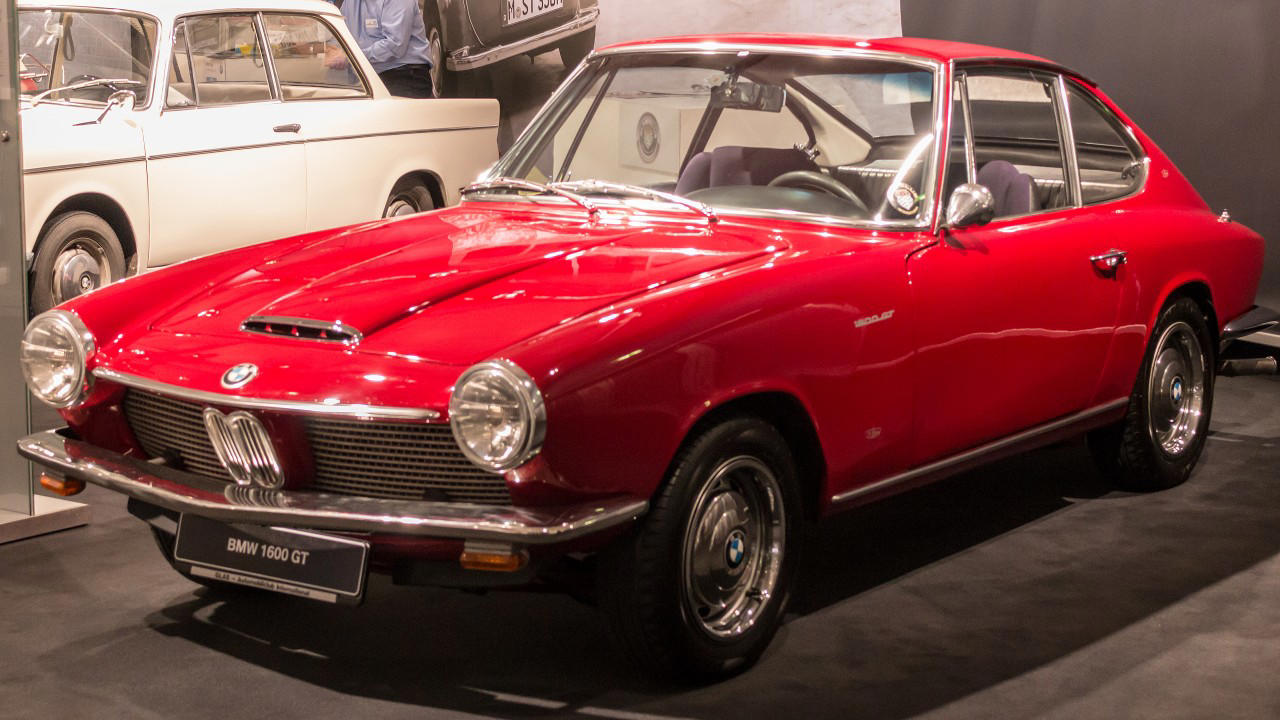
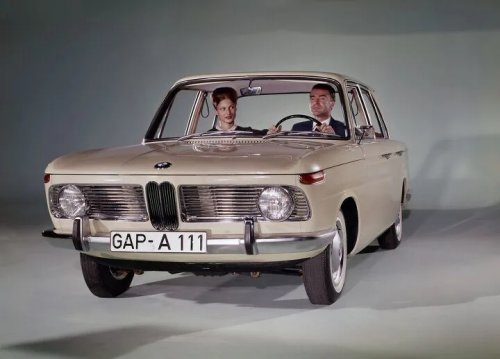
The 1967 BMW 1600 never shouted for attention, yet it quietly reset expectations for what a compact sedan could be. While later icons like the BMW 2002 and modern M cars grabbed the spotlight, the 1600 laid the groundwork with understated engineering, balanced performance, and a simplicity that still feels modern in spirit. Its respect was earned not through spectacle, but through the way it drove, the way it was built, and the way it fit into everyday life. Seen from today, the 1600 looks modest on paper, but period tests and contemporary drives reveal a car that blended light weight, usable power, and honest feedback in a way that enthusiasts still chase. It was the quiet car that made a lasting argument: you did not need a big engine or flashy styling to have something genuinely rewarding. The understated engineering that made the 1600 feel “right” The core of the 1967 BMW 1600’s appeal was its engineering restraint. Rather than chasing headline horsepower, BMW focused on weight, balance, and responsiveness, creating a sedan that felt eager without being intimidating. A period comparison with the larger 2000 Tilux noted that the 1600 weighed a full 510 lbs less than its sibling, which meant that despite having less power, it was only marginally slower in acceleration. That single figure captures the car’s philosophy: trim the excess, and the numbers start to make sense in a different way. Contemporary testers described the 1600’s behavior as “no less than excellent,” a verdict that hinged on how the car felt in real driving rather than on a spec sheet. The lighter chassis gave the steering a directness that larger sedans of the era struggled to match, and the suspension tuning let the car stay composed without feeling harsh. In an age when many compact cars were basic transportation, the 1600’s combination of precise control and comfortable ride quality signaled that BMW was quietly redefining what a small sedan could deliver. A driver’s car hiding in a sensible sedan body From the outside, the 1600 looked like a tidy, almost conservative three-box sedan, which made its dynamic character all the more surprising. When I watch modern footage of a 1967 BMW 1600 being driven hard, the car’s body roll, engine note, and steering inputs tell a consistent story: this was a machine built to be used, not just admired. In one detailed drive, the host rows through the gears on a twisty road and notes how strongly the car pulls in second, remarking that it “pulls pretty good” as the revs climb, a simple phrase that captures the car’s accessible performance without any drama. That same video walkaround highlights how the 1600’s chassis invites confidence. The driver leans on the brakes, turns in decisively, and the car settles into a corner with a kind of calm eagerness. There is no sense of a fragile classic being tiptoed around; instead, the 1600 behaves like a well-sorted tool that still wants to be driven as intended. The fact that this composure comes from a relatively small engine and modest tire footprint underlines how much of its character is baked into the basic layout and tuning rather than bolt-on upgrades or brute force. Minimalism as a virtue, not a compromise Image Credit: Matti Blume, via Wikimedia Commons, CC BY-SA 4.0 Inside, the 1967 BMW 1600 was almost stark, and that sparseness has aged into a key part of its charm. One modern commentator, riding in a similar car, points out how bare the cabin is, noting the absence of a radio and air conditioning and calling it “as simple as it gets.” Instead of feeling cheap, that simplicity reads as focused. The driver faces clear gauges, a thin steering wheel, and straightforward switchgear, with nothing to distract from the act of driving. In an era when many cars were already layering on chrome and gadgets, the 1600’s cabin quietly insisted that less could be more. That minimalist approach also made the car easier to live with over decades. Fewer accessories meant fewer failure points, and the basic mechanical layout encouraged owners to keep these cars running rather than discarding them. In a personal account of a later BMW 2002, the owner recalls how even a temperamental old sedan could inspire affection because its fundamentals were so sound. The 1600 shared that DNA, and its stripped-back interior made it feel like a durable tool rather than a fragile luxury item. The lack of frills was not a cost-cutting embarrassment, it was a deliberate choice that aligned with the car’s quietly serious character. The 1600’s role in BMW’s evolution and the shadow of the 2002 Historically, the 1600’s greatest irony is that it helped create the conditions for its own eclipse. The car established the formula of a compact, sporty sedan that could handle daily duty and spirited driving, but the later BMW 2002 took that template and added more power and, eventually, emissions-friendly tuning for key markets. One period analysis notes that BMW could not import the more aggressive 1600 TI because of smog regulations, so the 2002 became the company’s way of coping with tightening rules. That regulatory pivot pushed the 2002 into the spotlight, while the 1600 remained the quieter pioneer. Yet the 1600’s influence is visible in how enthusiasts talk about the entire “Neue Klasse” lineage. When drivers reminisce about their first BMW 2002, they often describe a car that broke down occasionally but still earned their loyalty through its balance and feel. Those traits did not appear out of nowhere. They were refined in the 1600, which proved that a small sedan could be both practical and genuinely engaging. The later fame of the 2002 does not erase the 1600’s contribution, it simply shows how a quietly competent car can set the stage for a more extroverted successor. A quiet companion in modern traffic Placed in today’s world of oversized SUVs and digital dashboards, a 1967 BMW 1600 reads almost like an escape hatch. In a recent video portrait of a similar-era BMW used around the west side of Los Angele, the narrator talks about everyday stress and how slipping into an old, analog sedan turns even a short drive into a kind of reset. The car’s modest size makes city streets feel less claustrophobic, and its unassisted controls demand just enough attention to pull the driver out of their own head. It is not about speed, it is about the rhythm of shifting, steering, and listening to the engine. That same sense of connection shows up whenever enthusiasts compare classic machines from the late 1960s. A driver stepping out of a 1967 sports car like a Porsche 911 notes that, even with its quirks, the model’s analog character becomes endearing rather than annoying over time. The 1600 offers a similar experience, but wrapped in a sedan body that can carry friends, groceries, or luggage without complaint. It is the car that does not need to be the fastest or the rarest to matter. By quietly combining usability, mechanical honesty, and a light, responsive chassis, the 1967 BMW 1600 earned a respect that has only grown as modern cars have become more complicated. More from Fast Lane Only: Unboxing the WWII Jeep in a Crate 15 rare Chevys collectors are quietly buying



















 +80 others






![BMW's new iX4 leaks days ahead of its debut [Images]](https://cdn.topcarnews.net/thumb/id/aHR0cHM6Ly9pMC53cC5jb20vZWxlY3Ry-ZWsuY28vd3AtY29udGVudC91cGxvYWRz-L3NpdGVzLzMvMjAyNi8wNy9CTVctaVg0-LUdULVNVVi0yLmpwZWc_dz0xNTAwJmFt-cDtxdWFsaXR5PTgyJmFtcDtzdHJpcD1h-bGwmYW1wO3NzbD0x/44847916d4631457013dfd46d3f7570e.jpeg?t=20261006&post_id=68433)