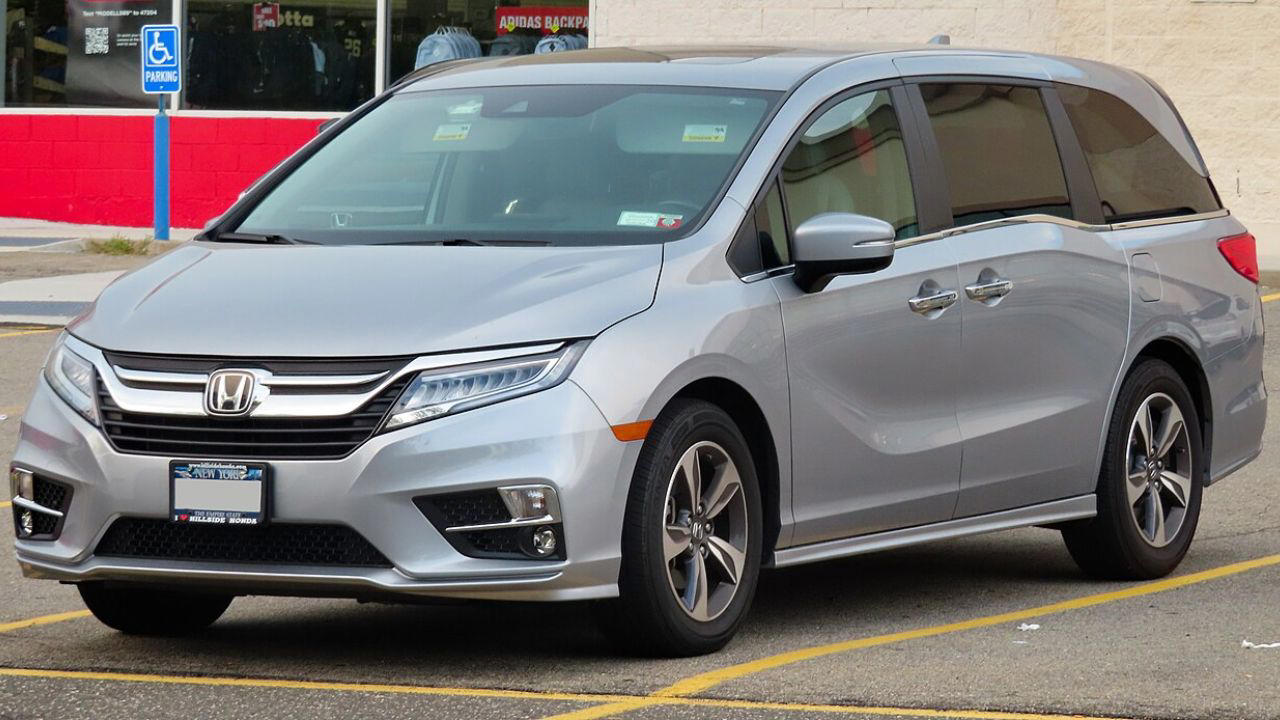



















Honda recalls about 440,000 Odysseys over side-airbag software riskHonda is recalling approximately 440,000 Odyssey minivans due to a software issue that may affect the deployment of side airbags. This recall aims to ensure passenger safety and rectify potential risks associated with the side-curtain and side-airbag software. Background of the Recall The affected Honda Odyssey models include those manufactured between the years 2018 and 2021. This range captures a significant number of popular family vehicles, as the Odyssey has been a staple in the minivan market. Honda has identified that a specific software malfunction within the airbag control unit may prevent the side airbags from deploying as intended during a collision. Airbags are critical components of modern vehicle safety systems. They are designed to deploy in the event of a crash to cushion and protect occupants from impact. The failure of side airbags to deploy can significantly increase the risk of injury in side-impact collisions, making the timely identification and resolution of such issues paramount for manufacturers. Details of the Software Issue The software issue affects the performance of the side airbags, particularly the side-curtain airbags that are deployed from the roof area. If the software malfunctions, it may cause the airbags not to deploy or to deploy incorrectly, leading to inadequate protection for passengers. Such a scenario could result in serious injury or even fatalities during an accident. The malfunction was uncovered during routine testing procedures, where engineers discovered inconsistencies in the airbag deployment algorithm. These tests simulated various crash scenarios to ensure that the airbags function properly under different conditions. The findings prompted Honda to take immediate action and initiate a recall to mitigate any potential risks for vehicle owners. Recall Timeline The timeline for this recall began with the initial discovery of the software issue in late 2022. After extensive investigation and testing, Honda officially announced the recall on April 15, 2026. Notifications will be sent to affected vehicle owners starting in late April, providing detailed instructions on the necessary actions to take. Key dates for vehicle owners include the start of the notification process and the availability of the software update, which is expected to be rolled out by the end of May 2026. Honda employs various communication methods to inform customers, including direct mail, email alerts, and public announcements through news outlets and their website. Impacted Vehicle Owners The recall predominantly affects families and individuals who rely on the Honda Odyssey for daily transportation, especially in suburban and urban areas. The regions most impacted include states with higher populations, such as California, Texas, and Florida, where the minivan is particularly popular among families. For affected owners, it is crucial to act swiftly. I recommend checking Honda’s official recall website or contacting their customer service to confirm if their vehicle is included in the recall. Owners can also visit the National Highway Traffic Safety Administration (NHTSA) website, where they can enter their vehicle identification number (VIN) to see if their vehicle is affected. Honda’s Response and Remediation Plans Honda has developed a comprehensive strategy to address the software issue promptly. The remediation plan involves updating the airbag control unit software to rectify the malfunction. Dealers will perform the software update at no cost to the vehicle owners, ensuring that the side airbags will deploy correctly in the event of a collision. The implementation of this software update will be straightforward. Once notified, vehicle owners can schedule an appointment with their local Honda dealer. The update process is expected to take less than an hour, and owners will receive confirmation once their vehicle has been serviced. Honda has expressed its commitment to customer safety, assuring owners that their well-being is their top priority. Consumer Reactions and Concerns Public reactions to the recall announcement have been mixed. Some vehicle owners have expressed concerns about the reliability of Honda’s safety systems, while others appreciate the proactive approach taken by the company in addressing the issue. Social media platforms, such as Reddit, have seen discussions where users share their experiences and opinions regarding Honda’s handling of the recall. You can read more about consumer sentiments on forums like Reddit. Consumer trust in automotive brands can be fragile, especially following recalls. Experts suggest that transparency and prompt communication from manufacturers are essential in maintaining customer confidence. This recall serves as a reminder of the importance of rigorous testing and quality control processes within the automotive industry. Wider Industry Implications This recall is indicative of a broader trend within the automotive industry, where software reliability is becoming increasingly critical to vehicle safety. As vehicles become more technologically advanced, the reliance on software for essential functions, such as airbag deployment, raises concerns among consumers and regulators alike. Regulatory standards for airbag systems are stringent, requiring manufacturers to adhere to specific safety protocols. However, software malfunctions can still occur, highlighting the need for ongoing vigilance and innovation in automotive safety technology. This incident may prompt regulatory bodies to reinforce their standards and call for more rigorous testing parameters, particularly concerning software components. Advice for Vehicle Safety Maintenance As a vehicle owner, staying informed about your car’s safety systems is crucial. Regular maintenance checks can help identify potential issues before they escalate. I recommend that owners consult their vehicle’s manual for guidance on airbag system maintenance and to ensure that the software is updated as required. Additionally, it is important to stay abreast of recalls and safety updates. Signing up for notifications from manufacturers or checking resources like the NHTSA can help owners remain informed about any safety concerns that may affect their vehicles. Regularly scheduled vehicle check-ups at certified dealerships can ensure that software updates are applied promptly and that safety systems are functioning as intended. Future of Honda and Airbag Technology Honda has consistently demonstrated a commitment to innovation in vehicle safety. The company is investing in research and development to enhance airbag technology and improve the reliability of software systems. This incident may serve as a catalyst for Honda to refine its testing protocols and develop more robust safety features. Looking ahead, advancements in airbag technology may include new deployment strategies, more effective crash sensors, and integration with other safety systems to create a more comprehensive approach to occupant protection. Honda’s ongoing safety initiatives will likely focus on leveraging data analytics and machine learning to predict potential failures and enhance overall vehicle safety. More from Fast Lane OnlyUnboxing the WWII Jeep in a Crate15 rare Chevys collectors are quietly buying10 underrated V8s still worth hunting downPolice notice this before you even roll window down