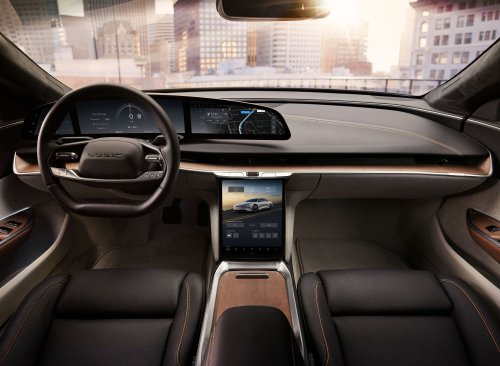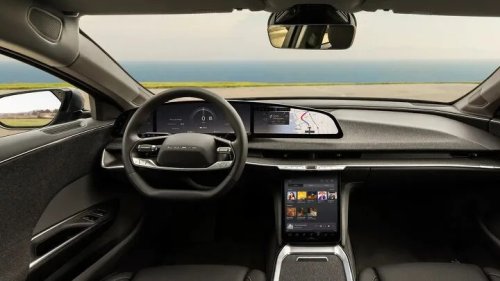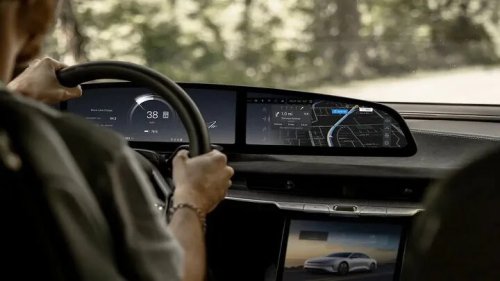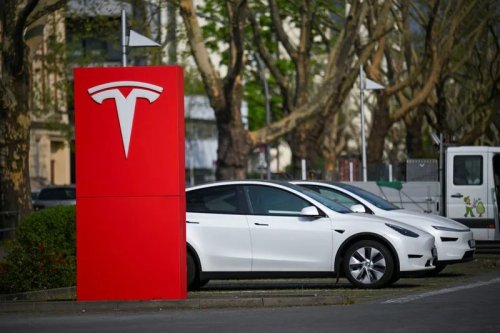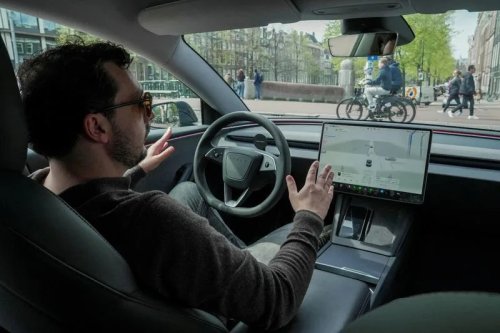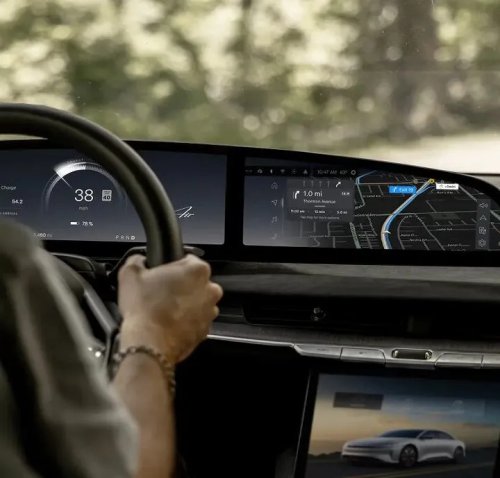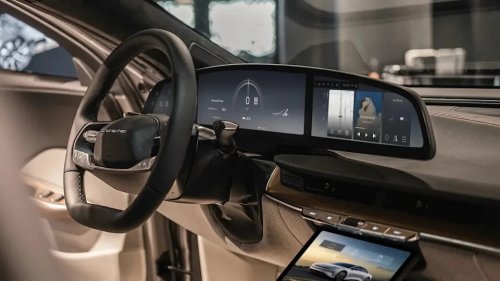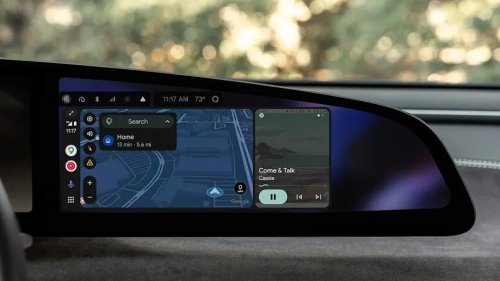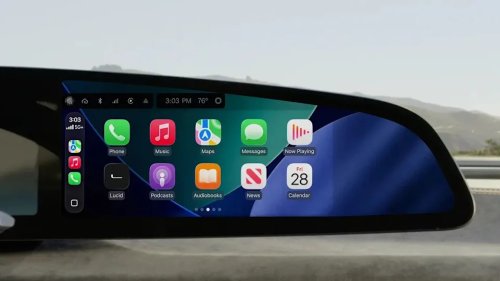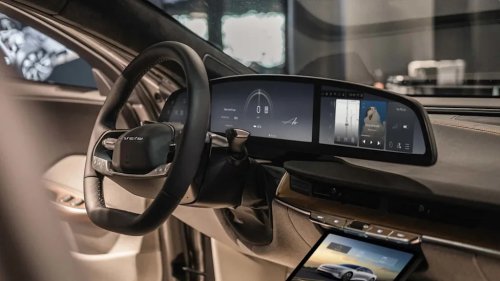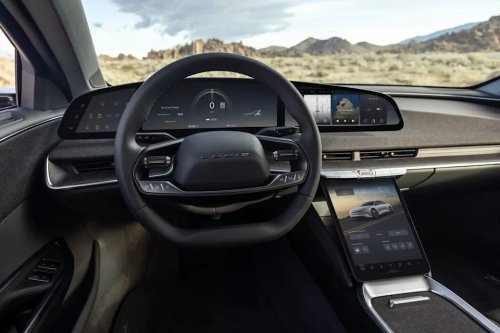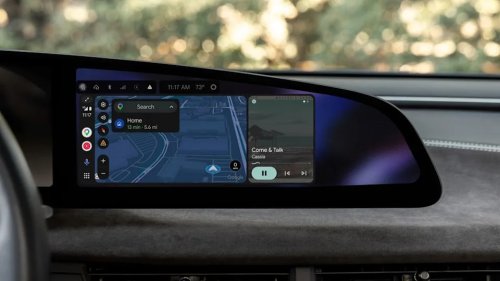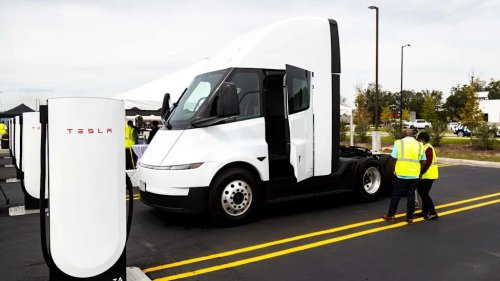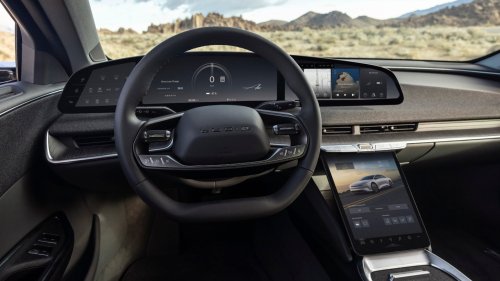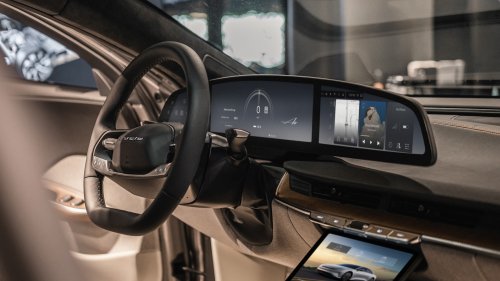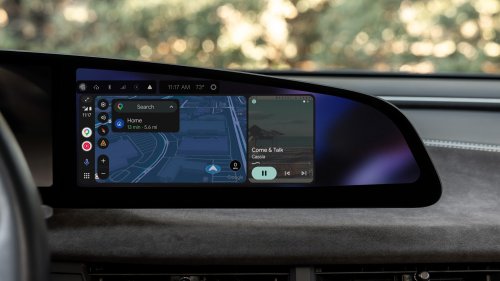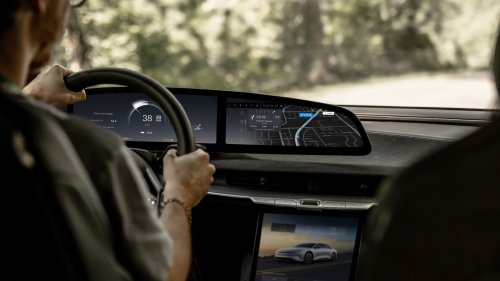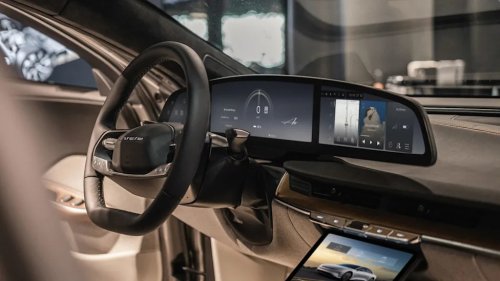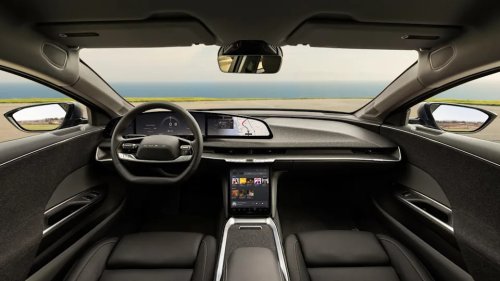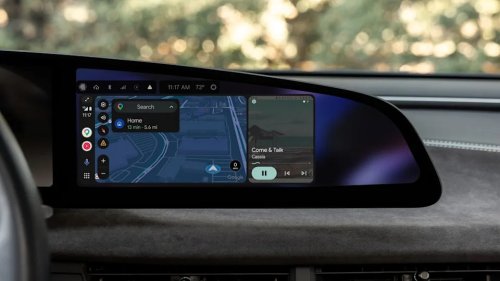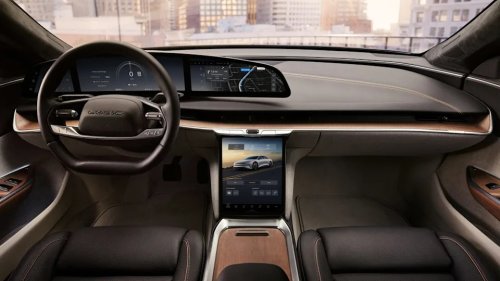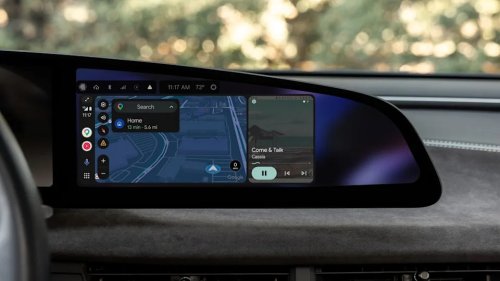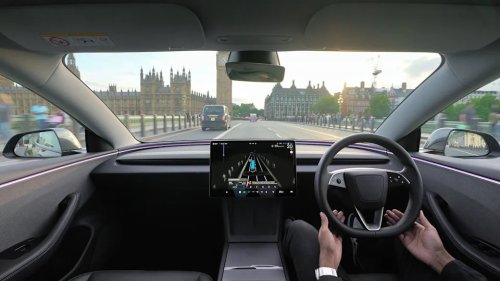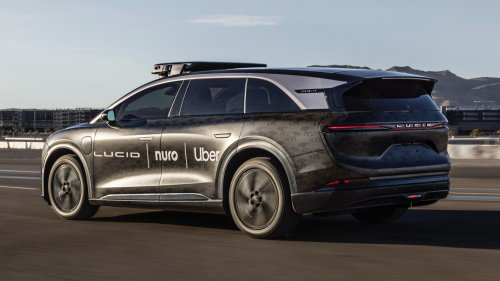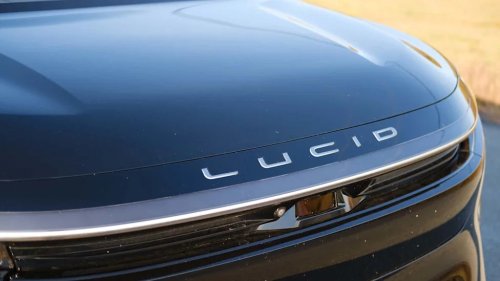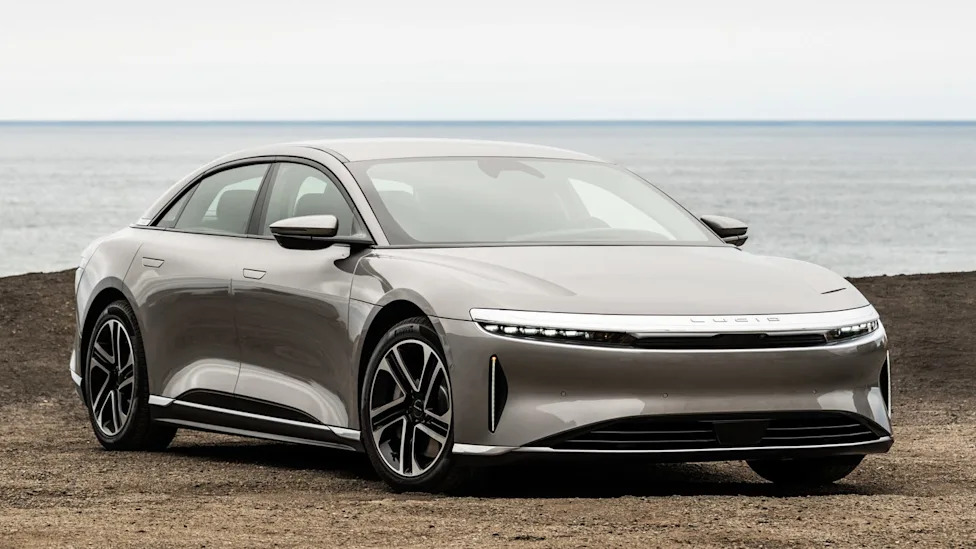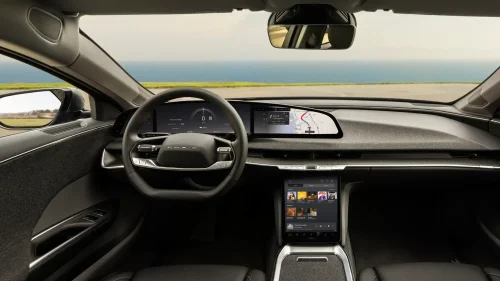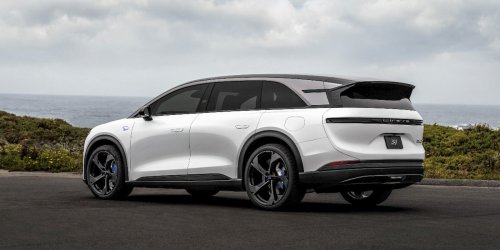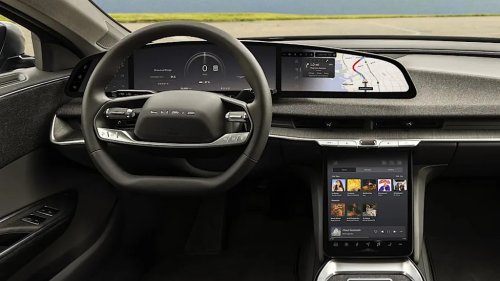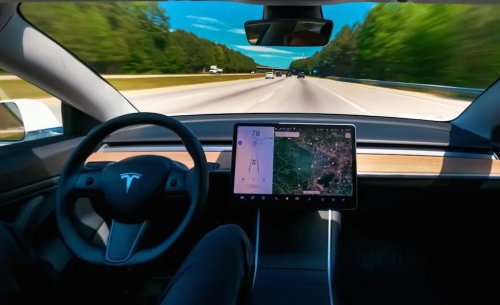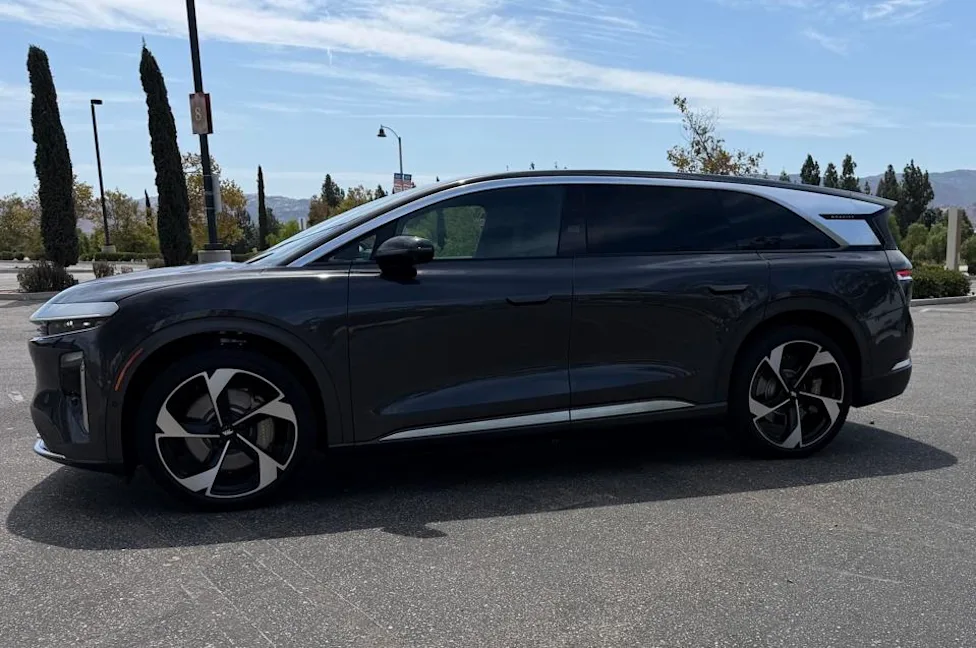
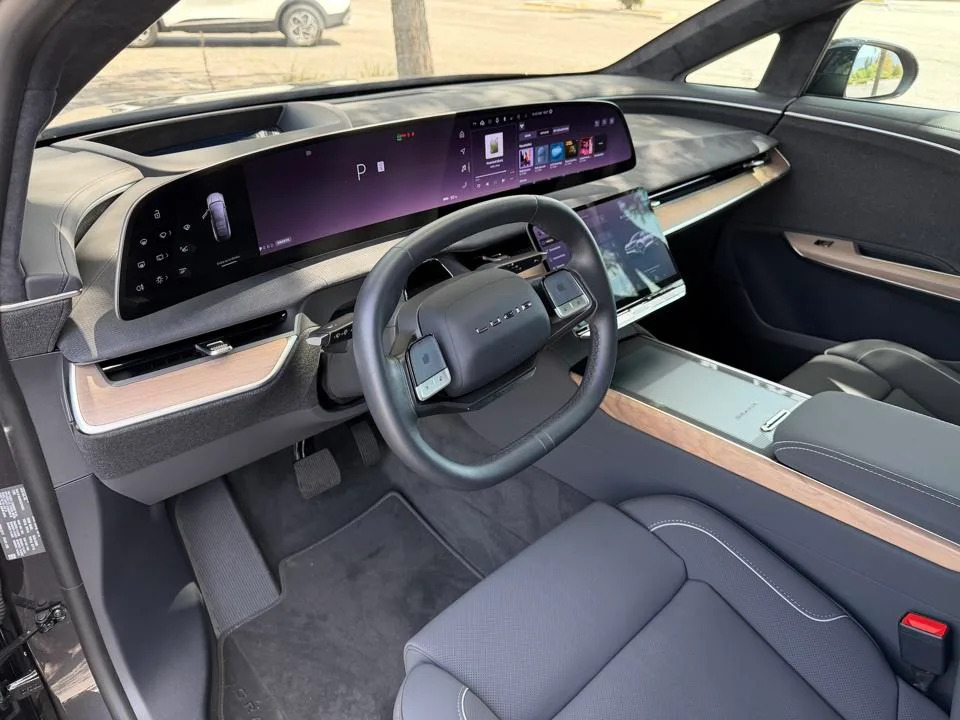


















2026 Lucid Gravity.Credit: Brooke CrothersLucid is making big strides with its DreamDrive advanced driver assist system. It's among the best now.After testing the 2026 Lucid Gravity (full review coming soon) I am pleasantly shocked at how much Lucid's Advanced Driver Assistance System (ADAS) has improved since I tested it on a Lucid Air Pure back in 2024.Note: I test ADAS on a regular basis from Tesla, General Motors (Super Cruise), Ford (BlueCruise), Rivian, and Toyota, among others.2026 Lucid Gravity instrument cluster or what Lucid calls a 'glass cockpit.'Lucid DreamDrive Is Not Tesla FSD But It Will Get ThereLucid has stated in no uncertain terms that, in partnership with Nvidia, it is aiming for Level 4 autonomy. What Lucid calls "true eyes-off, hands-off and mind-off [Level 4] consumer-owned autonomous vehicle." In the near term (by late 2026), Lucid is aiming for hands-free highway and city driving for the Gravity.AdvertisementAdvertisementIt's getting there. DreamDrive 2 Pro– as of late August 2026 – on a 2026 Gravity is primarily a highway ADAS. But it's more than just lane centering. On highways, DreamDrive handles – hands-free – all of the driving including automatic overtakes (passing a slower car and then getting back into the right lane).I've been testing the Gravity extensively on Los Angeles freeways (5, 405, and 118) over the last couple of days. And it is remarkably adept. Pressing the Gravity's DreamDrive button (located on the steering wheel), for instance, drove me from the Northridge area in northwest Los Angeles to the high desert north of Castaic, California (about a 25-mile drive). I intervened intentionally three times: once during a merge, once to get it through a construction zone, and once to get around bunched-up traffic on 5.Like all ADAS, DreamDrive gets flaky in construction zones and turns itself on and off. And on merges (e.g., 405 into 5) it can be uncertain. (My advice on any ADAS: turn it off when merging. No ADAS is "smart" enough to handle complex merges.)But here's where DreamDrive is improving. In addition to major highways and freeways, DreamDrive can also handle driving on local two-lane highways. So, for instance, if I exit Interstate 5 north of Castaic and get on a local road, DreamDrive will drive the car (steering, braking, acceleration, maintaining a distance from the car in front). While it won't stop at stop signs or traffic lights, it will be able to navigate, for example, the many local desert highways in Southern California. Those are typically open roads with few stop signs or lights.AdvertisementAdvertisementOf course, DreamDrive is also adept at dealing with Los Angeles traffic jams. That's a godsend and makes Los Angeles traffic jams almost tolerable.Tesla FSD – By ComparisonTesla Full Self-Driving (FSD) has already arrived where Lucid is going. FSD is ahead of everybody, except for robotaxi services like Waymo. In addition to highway driving, FSD navigates city streets (stop-and-go driving at stoplights, makes turns etc.) and pretty much renders the driver a passenger. In short, it is Level 4 autonomy practically but not legally (it is still legally classified as Level 2). But if Lucid continues on its currrent path, DreamDrive should make big strides in the coming months and years and close some of the gap with FSD.This article was originally published on Forbes.com