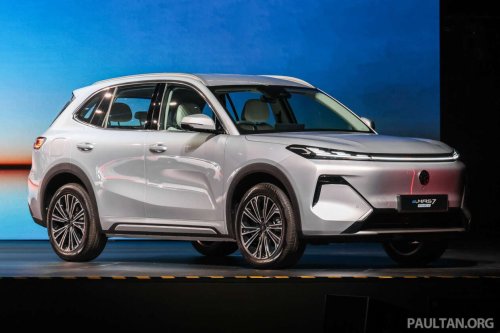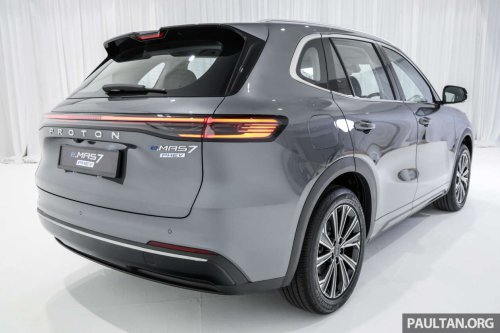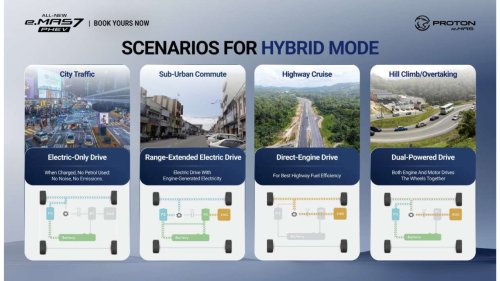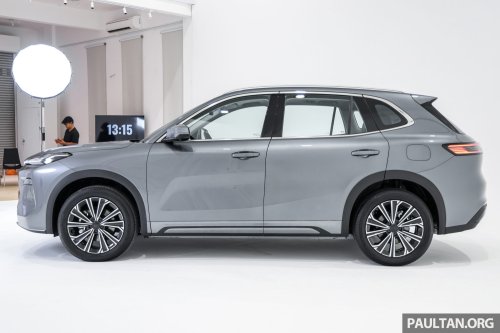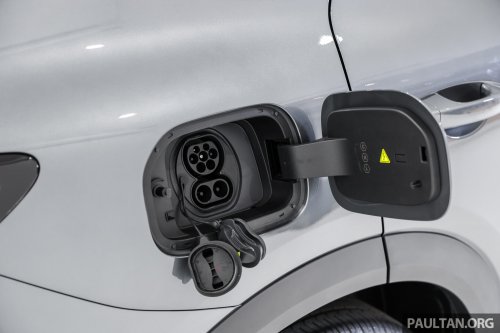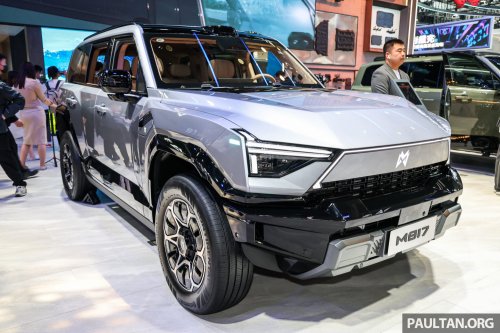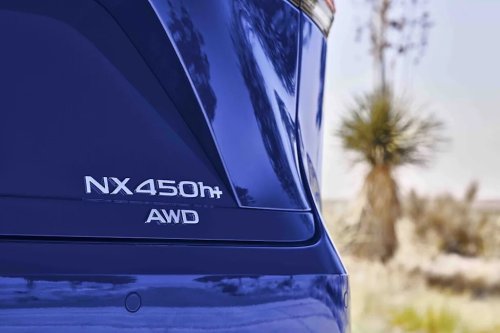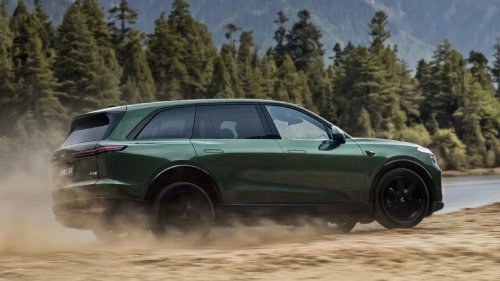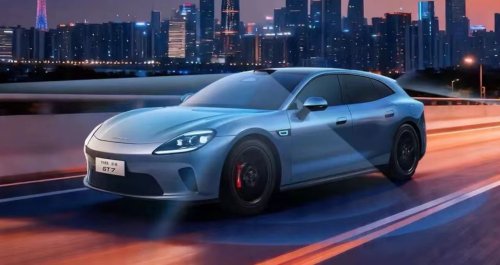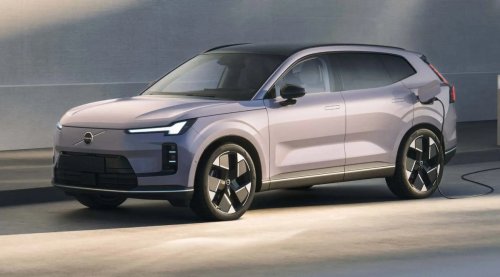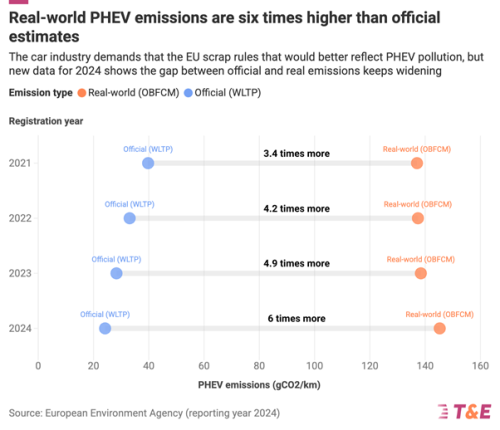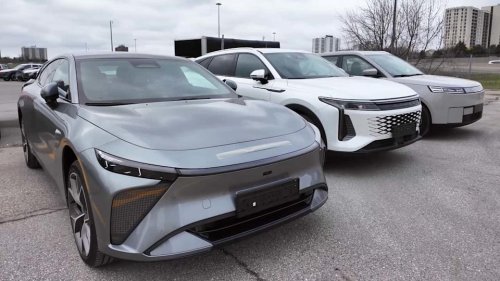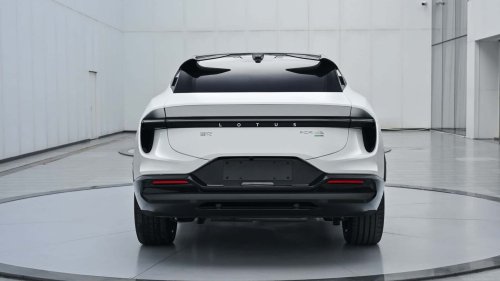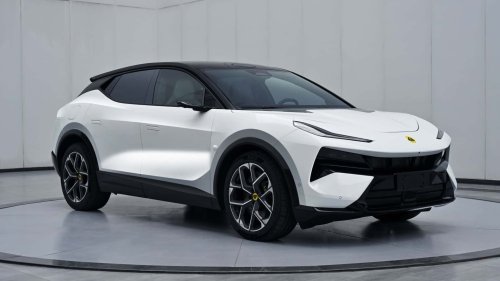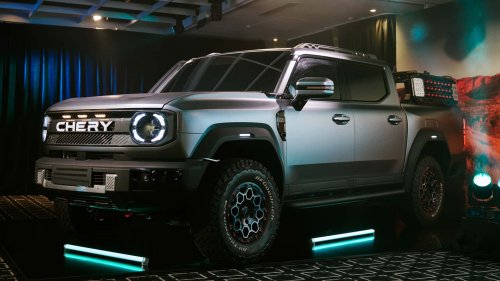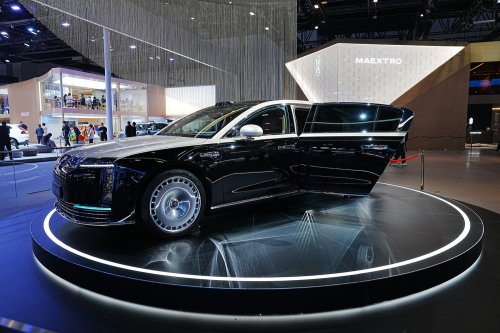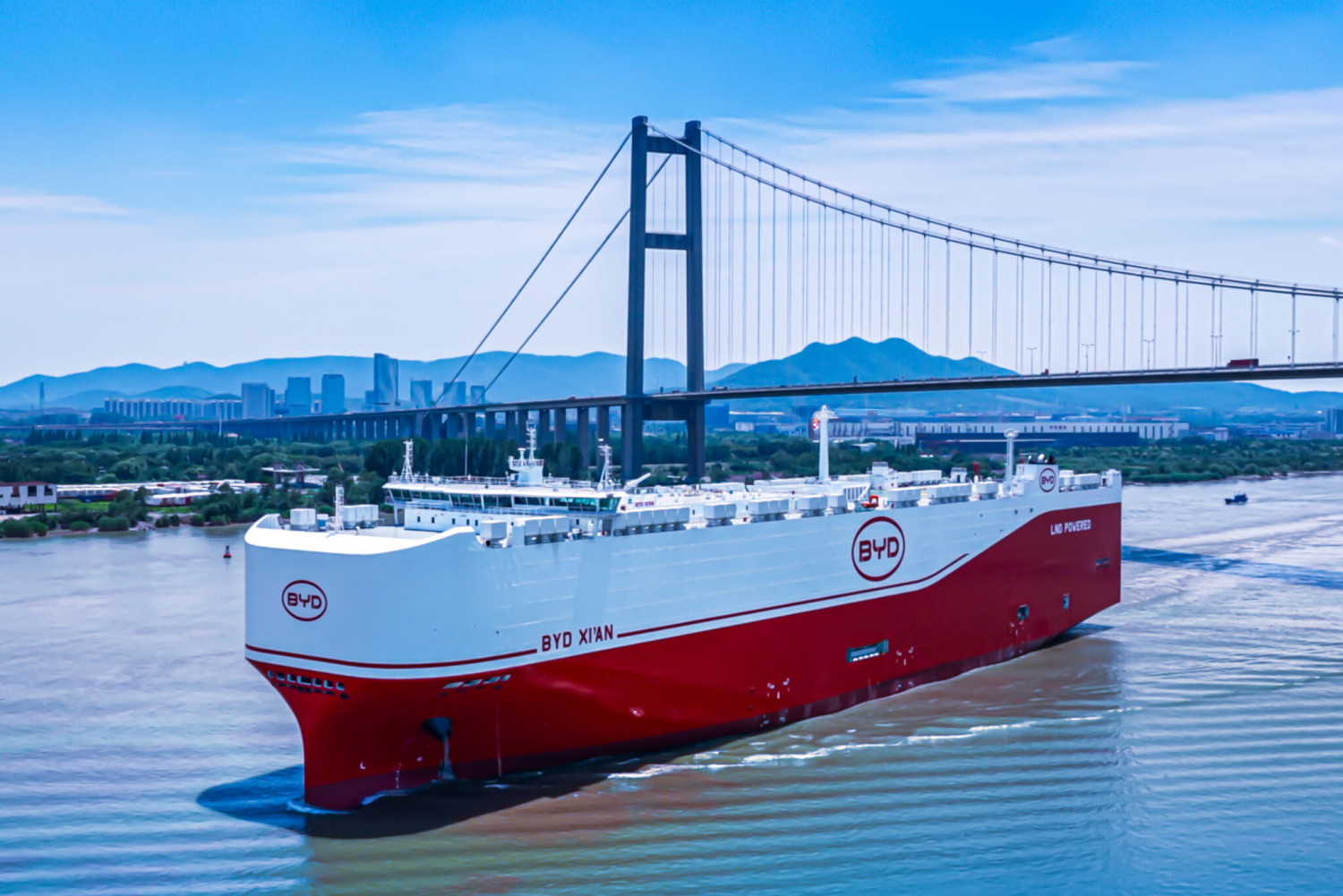



















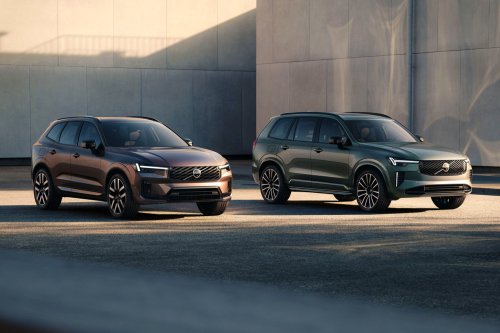

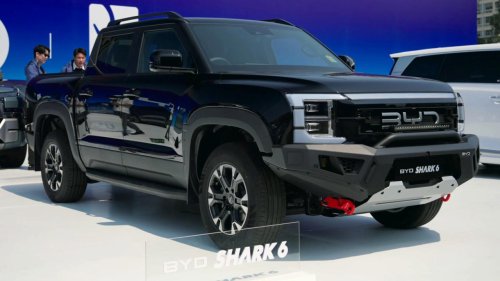
When the EU decided to put tariffs on electric cars manufactured in China two years ago, CleanTechnica contributor José Pontes pointed out that they only applied to battery electric cars. He predicted the policy would spur Chinese manufacturers to prioritize plug-in hybrids. His powers of prognostication have proven eerily prescient, as that is exactly what has happened. According to Bloomberg, the latest report from Germany’s Dataforce shows that Chinese automakers set new records last month for sales in Europe, thanks in large part to sales of those plug-in hybrid models that do not pay a substantial import tariff. In all, Chinese brands accounted for 12 percent of all new car sales in August. That’s pretty significant, but digging into the data makes the situation even worse for EU domestic manufacturers. As gasoline and diesel prices spiral ever higher in Europe, new car customers are looking to lower their transportation costs as much as possible. Demand for battery and hybrid cars rose 27 percent in August, driving an increase in total sales of 4.6 percent. Without all those new plug-in hybrids and battery electric cars, the European new car market in August would have seen a significant decline in total sales. If José Pontes saw this coming, why did the European Commission not see it as well? That is a question with no easy answer. Germany’s Handelsblatt is reporting that the Commission is in the process of preparing a package of economic security measures that may include new tariffs on hybrids and plug-in hybrids later this year. While Chinese cars are only about 6.4 percent of the new car market in Germany, that country is the largest new car market in Europe, so while the percentage of Chinese cars is low, the total number is significant. “Even if their market share is comparably low to other markets, the sheer size of the German market makes that move, however, very attractive,” Dataforce analyst Julian Litzinger explains. Demand For EVs Surprises Volkswagen Readers by now are well aware of the turmoil that changes in the marketplace are having on Volkswagen Group. Its supervisory board this year has been wrestling with how to deal with the fact that the company is making 100,000 more cars a year than its projected consumer market can support. According to Automobilwoche, the company plans to produce fewer cars at its primary factory in Wolfsburg — which only manufactures cars with internal combustion engines — and expand production of battery electric vehicles at its factories in Emden and Zwickau. You may recall that Volkswagen was suggesting recently the Zwickau factory was superfluous and might be shuttered or converted to manufacturing weapons. But, in the past month or so, sales of electric Volkswagen cars have soared, which has forced a reconsideration of the company’s plans. We hate to second guess CEO Oliver Blume and his compatriots, but changing long range production plans based upon short term sales data does not seem like a wise business plan. “Demand for battery electric vehicles is noticeably increasing in Germany and other European countries,” Martin Sander, board member for sales, told Automobilwoche. He added that this marks an important “turning point in the transformation of the automotive market,” which is being driven by high prices for gasoline and diesel. It also means “lower demand for vehicles with internal combustion engines.” Volkswagen is seeing more demand than expected for the refreshed ID.3 Neo and ID. Tiguan models, as well as its Urban Electric Car Family, which is composed of the MEB+-based ID. Polo, Cupra Raval, Škoda Epiq, and ID. Cross. All of those cars are being manufactured at factories in Spain. According to Automobilwoche, there are now more than 100,000 pre-orders for these four cars, including over 40,000 for the ID. Polo. Such pre-orders suggest that Volkswagen is currently selling more pure electric vehicles than internal combustion engine vehicles in Germany. Increased sales are welcome, of course, but cars with batteries have a lower gross margin than conventional cars, which means many manufacturers are still under significant financial pressure, even though demand is rising. Alas, the profit per electric vehicle is still lower than for comparable internal combustion engine vehicles. Stellantis this week said it will pause production of the electric and hybrid Fiat 500 at its Mirafiori plant in Italy for the last two weeks of October. Production of that car may only reach 60,000 units this year, Corriere della Sera newspaper reported on Wednesday. The original production target was for 100,000 examples of that model. Balancing the interests of automakers with the interests of factory workers and customers is a nearly impossible job, but, clearly, the EU needs to do something about the flood of Chinese plug-in hybrids coming ashore. Expect that situation to be addressed muy pronto.