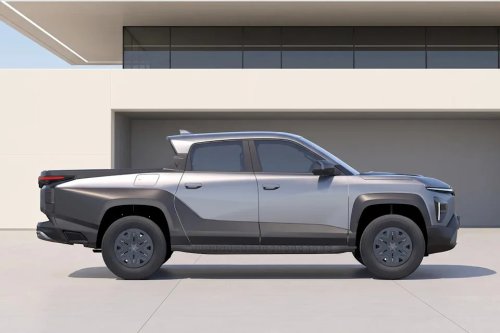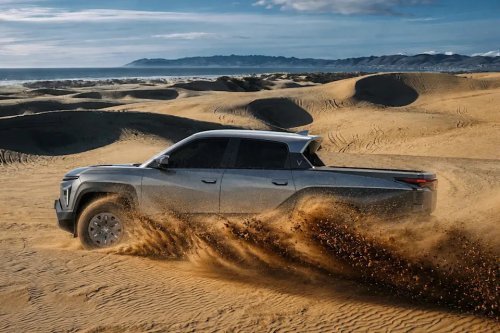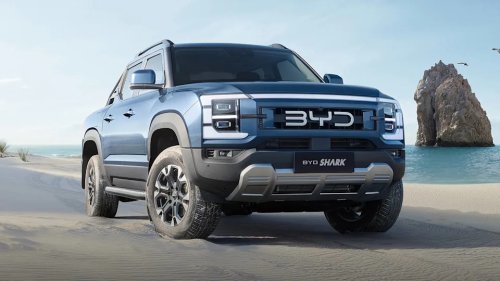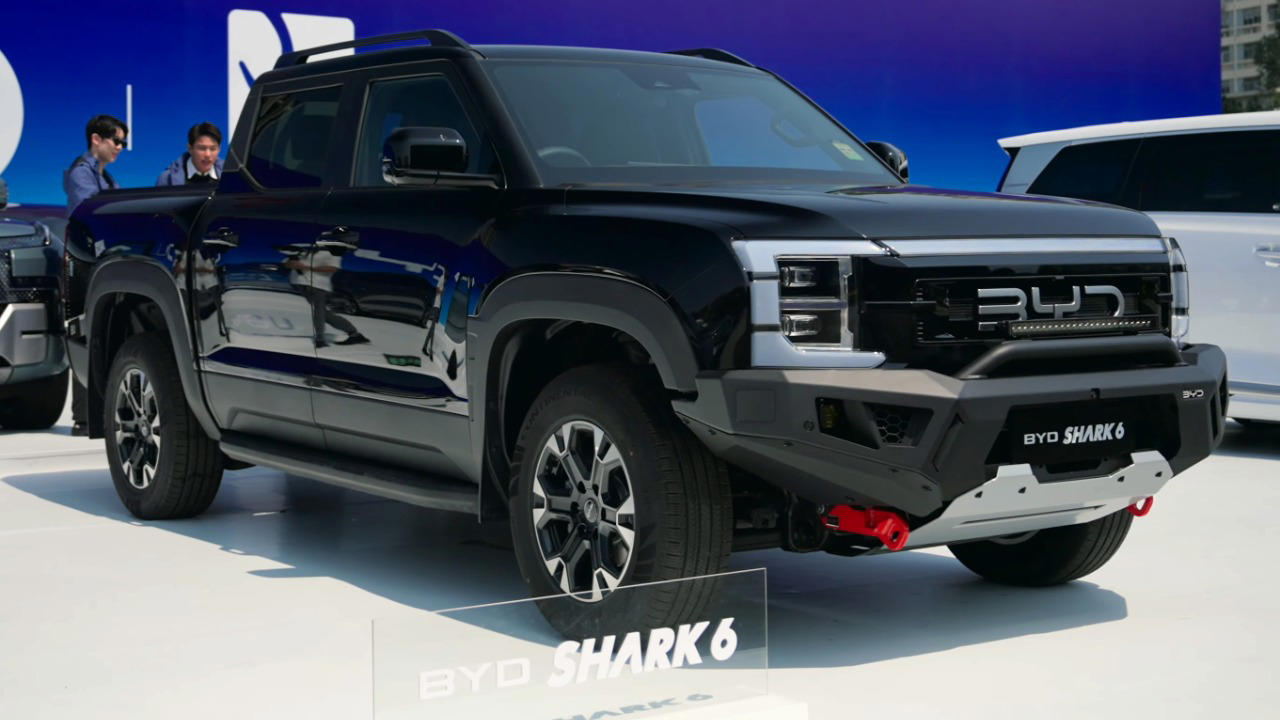



















Ford CEO Jim Farley tests Chinese plug-in pickups and questions their work chopsFord’s top executive has been quietly logging miles in Chinese plug-in pickups, coming away impressed by the tech yet unconvinced they can replace the workhorses that dominate American job sites. Ford CEO Jim Farley’s recent drives in the BYD Shark and GWM Cannon Alpha underscore both the speed of Chinese innovation and the unresolved question of whether these trucks are built to toil or simply to tour. His verdict carries weight because it comes from a leader whose company depends on truck buyers who tow, haul, and punish their vehicles every day, not just on weekends. Farley’s hands-on test drive Ford CEO Jim Farley spent three days behind the wheel of the BYD Shark and GWM Cannon Alpha, according to detailed accounts of his trip. Rather than delegate the task to engineers or product planners, he chose to experience the trucks as a customer would. He described the Shark as competitive in areas that matter to family buyers, such as cabin comfort, on-road refinement, and plug-in hybrid efficiency, which lets the truck run on electric power for shorter trips before the engine joins in. Questioning their work credentials His skepticism emerged in the realm that defines Ford’s F-series identity: hard work. In his conversations about the test, Farley openly questioned whether Chinese plug-in hybrid pickups like the BYD Shark can handle heavy-duty tasks such as sustained towing and payloads that push the chassis to its limits, concerns that were echoed in a detailed assessment of his. Farley’s core critique is that these trucks feel tuned as “lifestyle” products, with styling, technology, and ride quality aimed at urban and suburban buyers, rather than as tools that spend their days with trailers hitched and beds loaded with equipment. He suggested that while the plug-in setup suits commuting and light recreational use, the calibration of the powertrain and chassis may not yet match the demands of owners who expect their pickup to serve as a primary work instrument. What the BYD Shark represents The BYD Shark has quickly become a symbol of China’s ambition to challenge established truck makers beyond its home market. The plug-in hybrid pickup, highlighted in global searches for the BYD Shark 6 and its broader Shark family, blends an electrified powertrain with a traditional ladder-frame layout. Accounts of Farley’s drive note that the Shark’s acceleration, quiet operation in electric mode, and digital-heavy interior make it feel modern compared with many combustion-only rivals. The truck’s plug-in system is designed to cut fuel use in daily driving and to offer zero-emission running in city centers that restrict conventional engines. Yet Farley’s comments suggest that BYD’s priorities may still lean toward efficiency and comfort rather than relentless work duty. He reportedly contrasted the Shark’s character with the expectations of long-time Ford truck buyers who measure value in years of job-site abuse, not only in spec sheet numbers or gadget count. The Shark’s growing profile, captured in global interest in the BYD Shark, makes Farley’s reaction more than a casual opinion. It reads as an early verdict from one of the most truck-focused executives in the industry on how close Chinese brands are to cracking the core North American pickup formula. Respect for Chinese EVs, guarded view on trucks Farley’s caution on work capability does not stem from a dismissive stance toward Chinese vehicles in general. He has previously praised Chinese cars as “really good” and has acknowledged that competition from Chinese manufacturers pushes Ford to move faster on technology and cost, comments that have been circulated in social media posts that quote the Ford CEO. He has also spent months driving a Chinese electric vehicle as his personal car, according to a video clip from the fully charged podcast, where he said he did not want to give it up. That experience signals genuine respect for the progress Chinese brands have made in EV design and software. His sharper tone on plug-in pickups therefore reads less like blanket criticism and more like a focused argument that the work truck segment is different. In his view, it is one thing to build a compelling electric crossover, and another to deliver a pickup that can tow heavy trailers up long grades in summer heat without compromising range, durability, or driver confidence. Implications for Ford and its rivals Farley’s road test of the BYD Shark and GWM Cannon Alpha, detailed in reports that track how Jim Farley tests, doubles as reconnaissance for Ford. The company is wrestling with how quickly to electrify its own truck lineup while preserving the towing and hauling capabilities that define its brand. Chinese manufacturers, for their part, are watching how executives like Farley react to their first wave of plug-in trucks. If leaders of traditional truck powerhouses see them as lifestyle vehicles rather than job-site tools, that perception could slow their acceptance among the most profitable customers, even if they gain traction with urban buyers. At the same time, Farley’s acknowledgment that the Shark is competitive in several areas sends a clear signal that the gap is narrowing. The next generation of Chinese pickups that respond directly to these critiques on work performance may pose a more direct threat to incumbents. More from Fast Lane Only Unboxing the WWII Jeep in a Crate 15 rare Chevys collectors are quietly buying 10 underrated V8s still worth hunting down Police notice this before you even roll window down The post Ford CEO Jim Farley tests Chinese plug-in pickups and questions their work chops appeared first on FAST LANE ONLY.