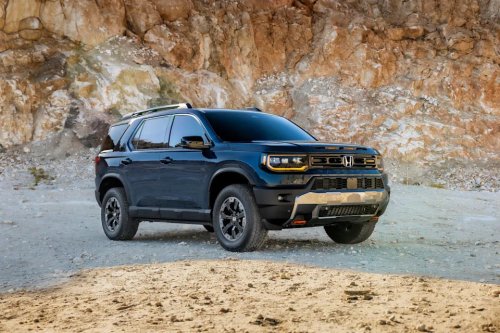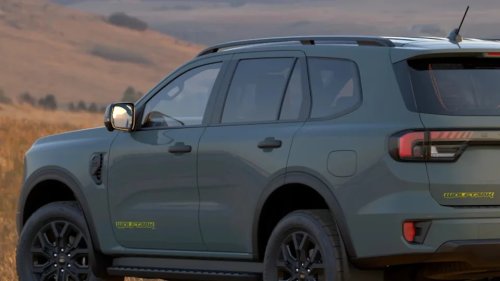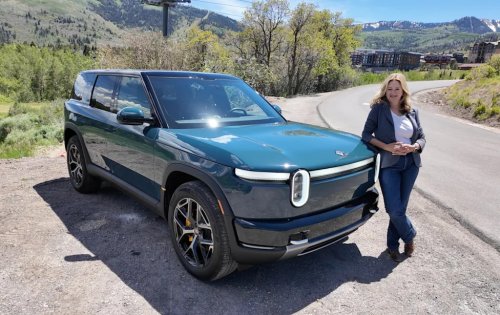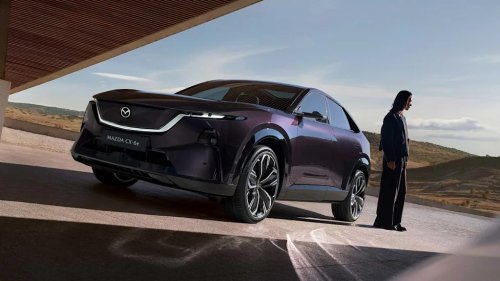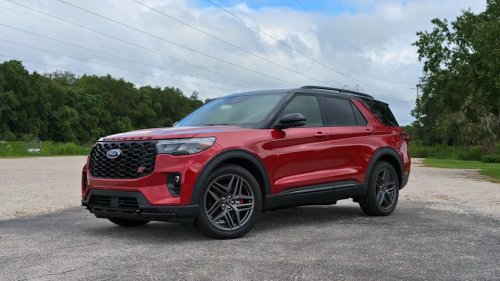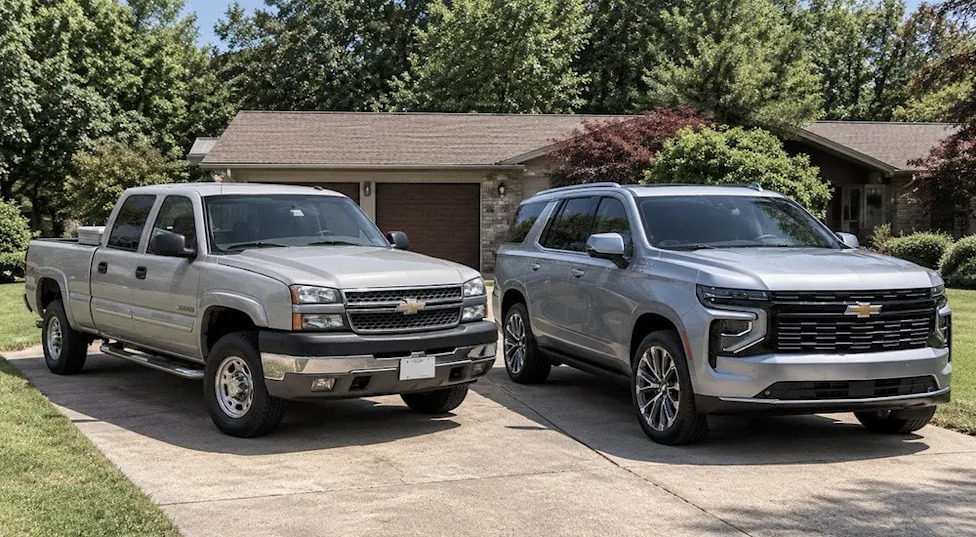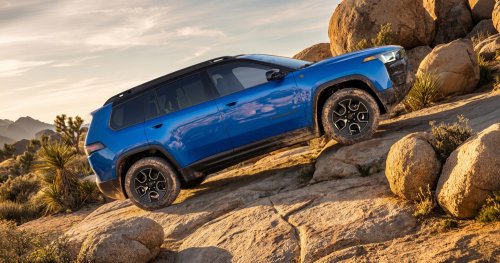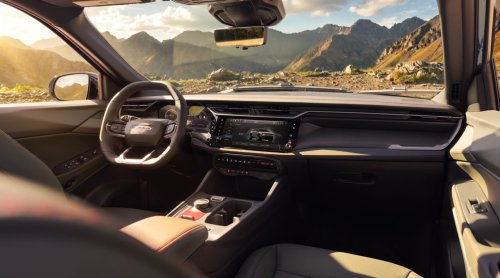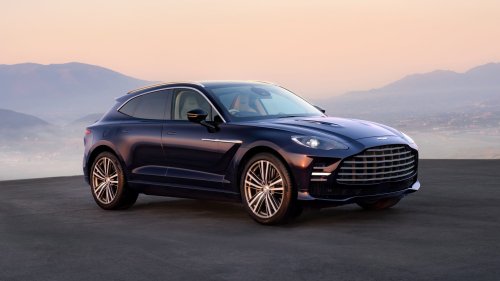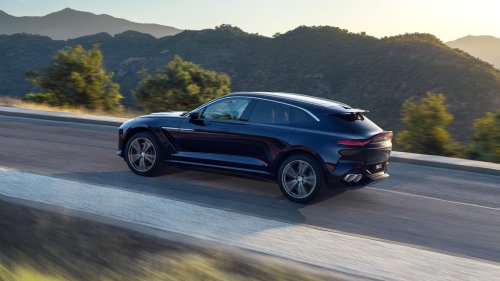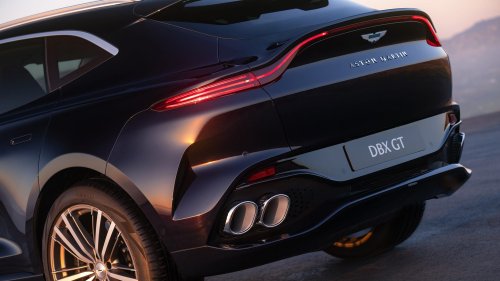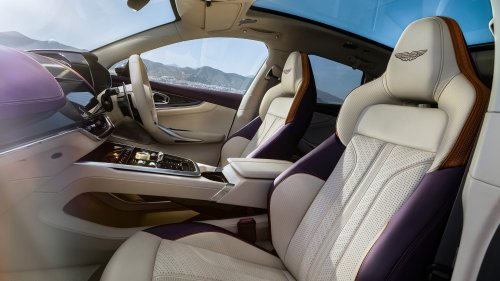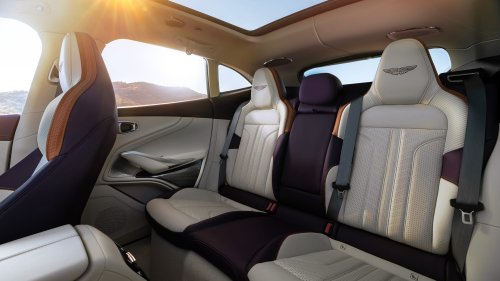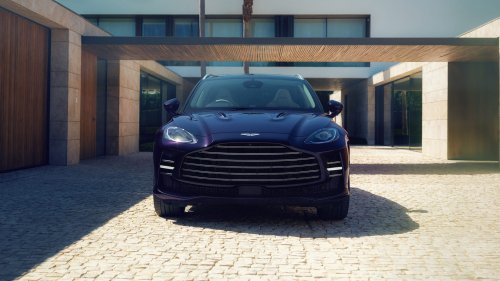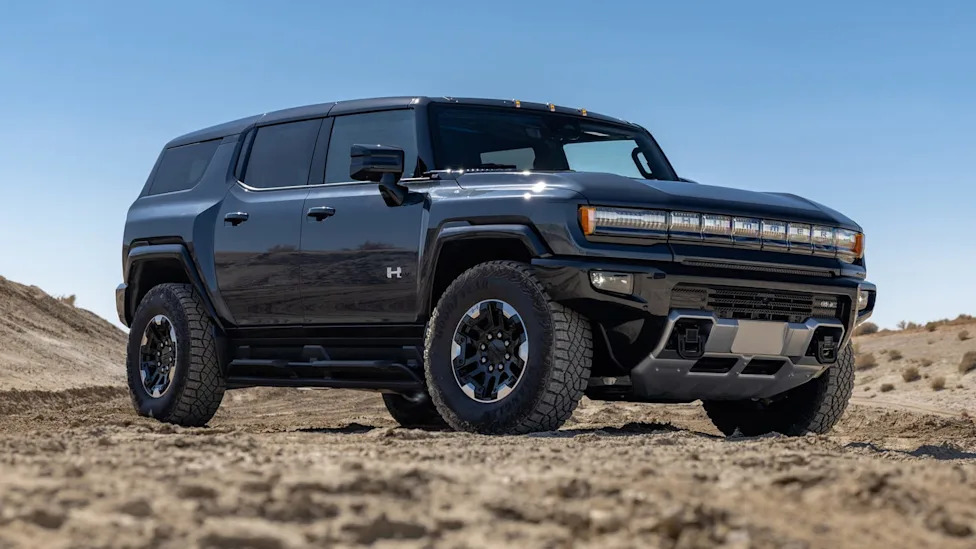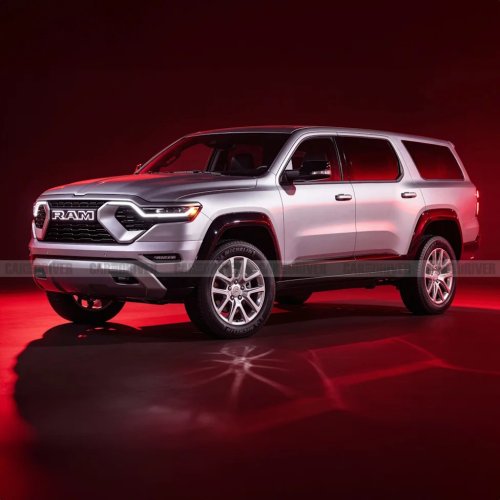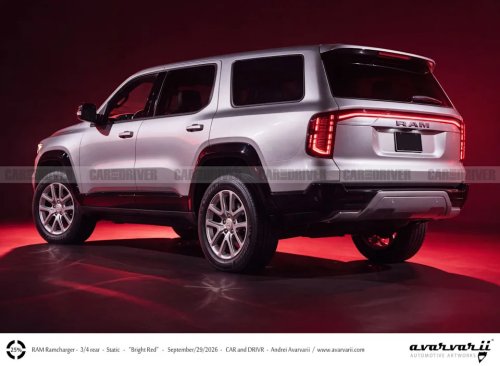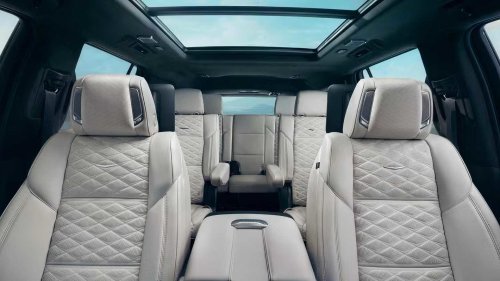
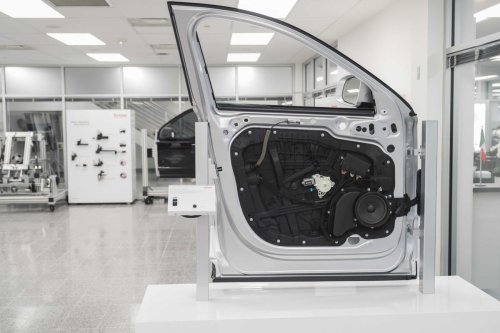
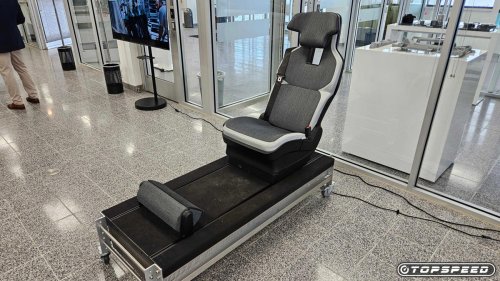
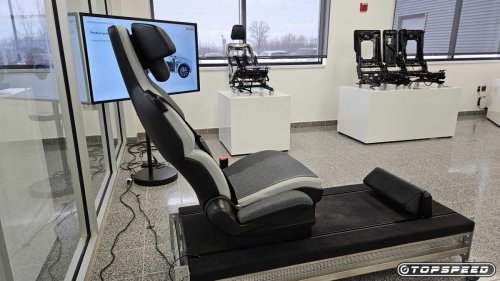
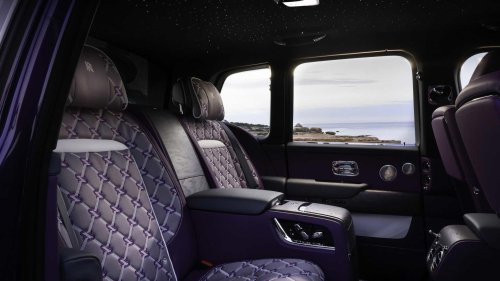
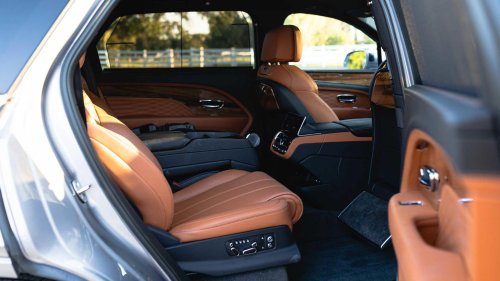
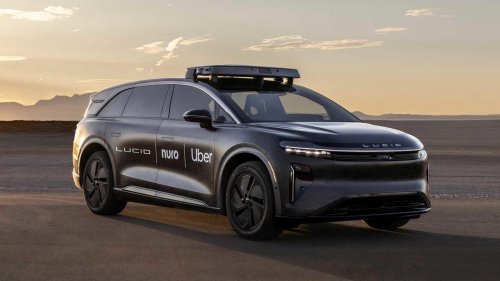
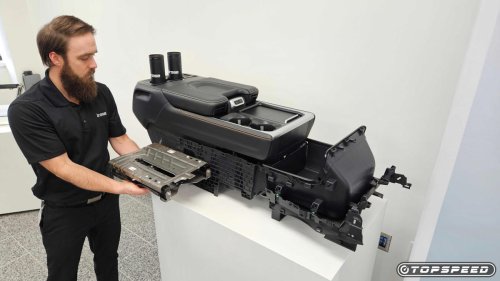



















The American market is unique for its embrace of expansive three-row SUVs that would be comically oversized in other parts of the world. Homer Simpson raided his 401k savings to buy the fictional "Canyonero" in a 1998 episode, just as the massive SUV trend was really catching on. The jingle captured its essence: "Two lanes wide, 65 tons of American pride!"Yes, we love our Escalades, Navigators, Grand Wagoneers, Expeditions, Tahoes, Yukon XLs and Suburbans — the last two coming within a hair of matching the overall length (nearly 19 feet) of the 7,000-pound Ford Excursion, which departed in 2005 after five years in the market. Better Use For All That Space? Car Buzz Despite interior volume that isn't far from a Manhattan efficiency apartment, the purveyors of these road barges have been shockingly narrow-minded when contemplating how to maximize all that space. Really, do two clunky captain's chairs in the second row represent the industry's best effort, even when topping a six-figure transaction?German automotive supplier Brose has some ideas for making these interiors much more comfortable. At its North American headquarters in Auburn Hills, Michigan, the company recently invited automotive customers and media to see what technology is possible in future vehicles. From Window Regulators To Seat Frames Brose Max Brose founded the company in 1908 in Berlin, supplying headlamps, horns, and other accessories for "horseless carriages," then hit paydirt with crank-drive window regulators in 1928. Most of those controls have gone electric now, but you'd be surprised how many work trucks are still built today with manual windows, supplied by Brose.But another huge sector for Brose is seat structures — the steel or aluminum frames that require exhaustive testing for crashworthiness and contribute mightily to occupant comfort once the foam, bolstering, and fabric are added. Dreamy 'Slim Seat' Concept Tom Murphy | TopSpeed At its recent Michigan tech day, Brose displayed a "slim seat" concept that would best be described as business-class adjacent. The seat bottom and back move in every direction (as does the highly sophisticated head restraint) and it leans waaaay back while a footrest glides in place and can be adjusted up or down for optimal comfort.Of course, there's a lovely massaging function, power-adjustable armrests and integrated seat belts, and the occupant's favorite positions can be saved, like with today's memory seats. 10X More Motors Inside Tom Murphy | TopSpeed There are fifty motors inside this seat, and some of them are next-generation brushless motors, which are faster, quieter, and too expensive for most seating applications today. For context, a similar high-end second-row seat in an executive-leaning Mercedes S-Class would have six actuation motors for adjusting seating position. Brose's slim seat concept has six motors to adjust the head restraint alone."We need to be clear," Christoph Diehl, Brose North America's vice president of seat engineering and development, tells TopSpeed during the tech deep dive. "This seat, as you see it here, most likely will never end up in a vehicle." Never End Up In A Vehicle? Rolls-Royce Which is a real shame, based on our perceived high potential for napping in this seat during a demo. The cost for such a seat in a production vehicle would be in line with, say, a Bentley or Rolls-Royce, but Diehl admits Brose has not yet tried to market this technology to those uber-luxury producers.The biggest challenge for integrating a concept like the slim seat, Diehl says, is the ability for Brose to get involved very early as the body-in-white is developed, so the seat structure can be properly integrated. For instance, during chassis development, maybe the third-row seats are moved rearward to allow more room for these sophisticated second-row lounge chairs to spread out. Ready For Huge, Executive SUVs Bentley And this brings us back to the initial theme of SUV size and interior volume. Sure, a Bentley Bentayga or Rolls Cullinan are cushy and comfortable — but are they as spacious as a Chevy Suburban?"I could see this now in a high-cost Cadillac or an Expedition, executive version," Diehl says, but admits the business case is hard to justify. "If we talk about this with our customers, they're all excited. They like the technology, but then they say, 'Okay, we have to adjust this, and there's this extra cost here and there..." Being Driven In Absolute Comfort Lucid But he's more optimistic about long-term prospects for such technology if autonomous vehicles become more common. At that point, everything we know about vehicle interiors goes out the window, if there's no steering or need for a driver."Then we're talking about something different because you have a different purpose in the vehicle," Diehl says. "I mean, it's not the driving." It's just riding.And because BMW, Mercedes-Benz, Range Rover, and others stretched their vehicles once U.S. automakers demonstrated a booming market for big SUVs, count on those upscale brands to work on self-drivers with this type of comfort for their wealthy clientele. Meanwhile, This Pays The Bills Tom Murphy | TopSpeed While Brose waits for that day to come, the supplier will keep paying bills by building power second-row "Bunny Hop" seats for Range Rover that dip and slide forward, even if a child seat is anchored in it. More customers will be using this seat from Brose in the future.Another interior product feeding Brose's bottom line are the motor modules (pictured above) for sliding first-row center consoles fore and aft, for easier access to second-row occupants in Ford and General Motors full-size SUVs. Did the Canyonero have such technology?Source: Brose