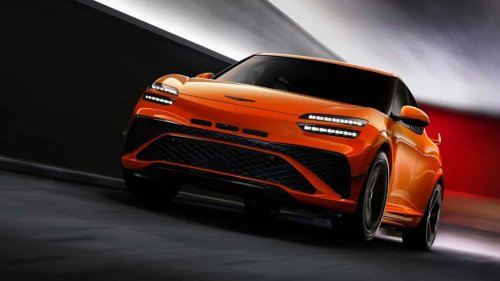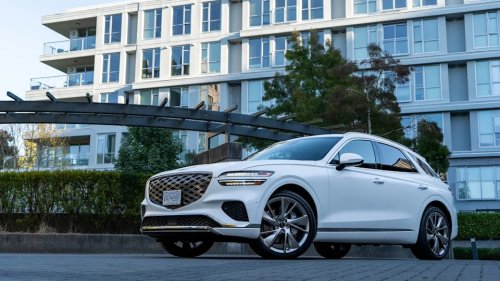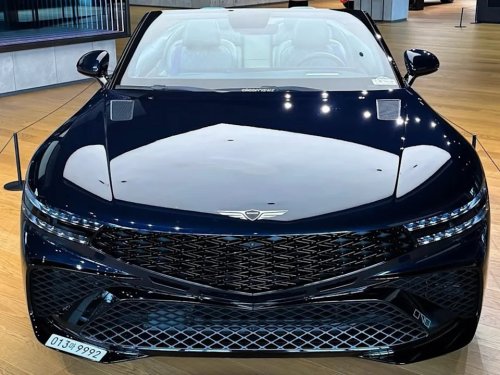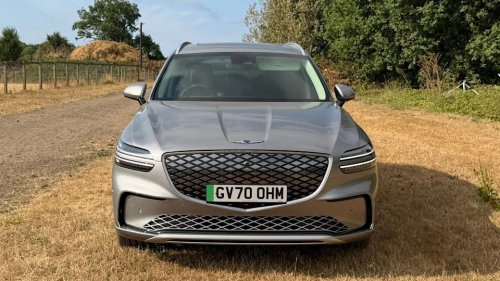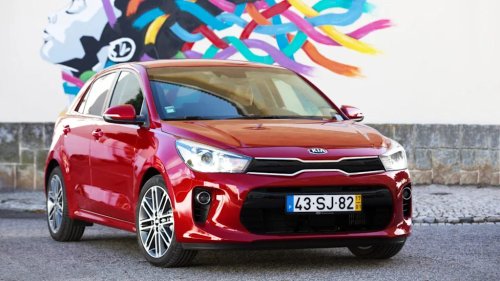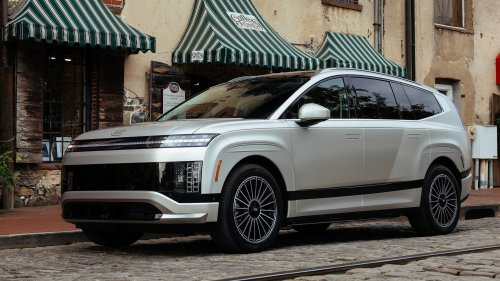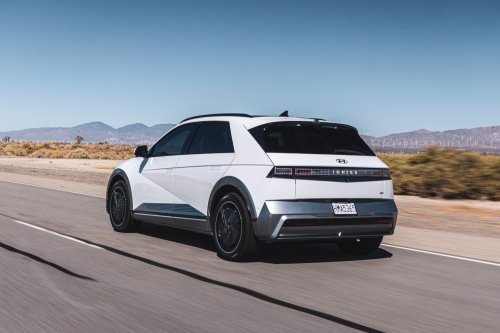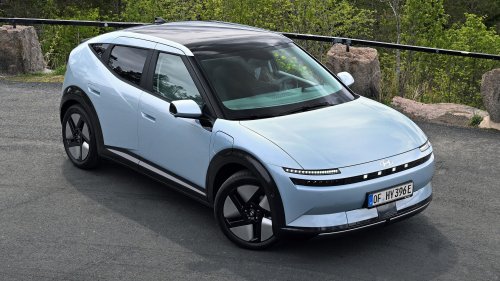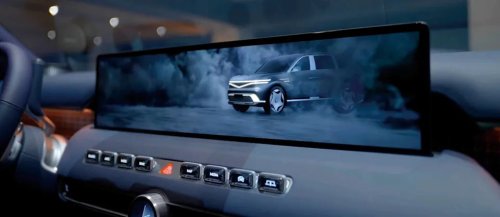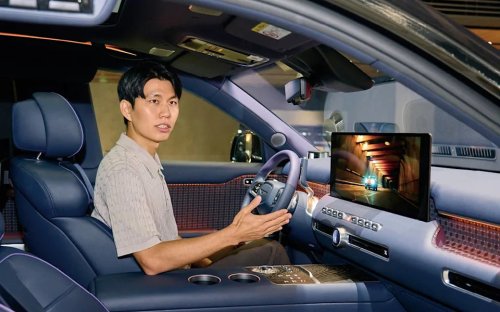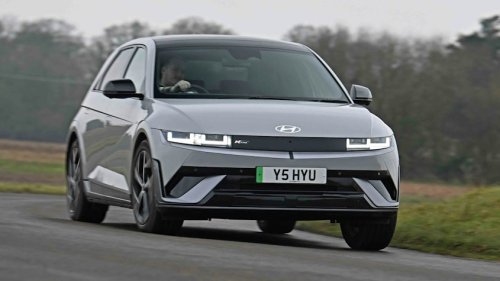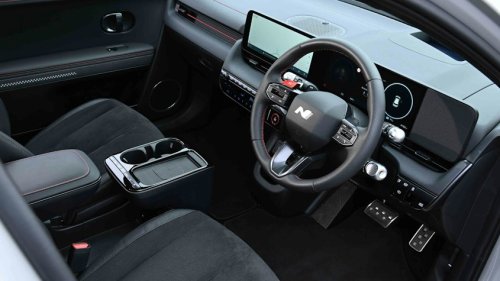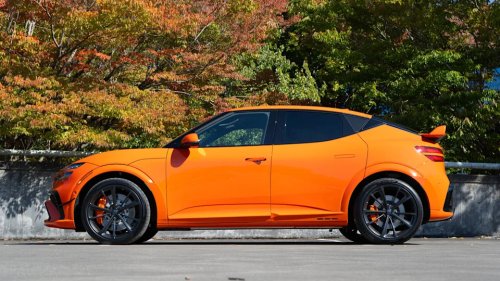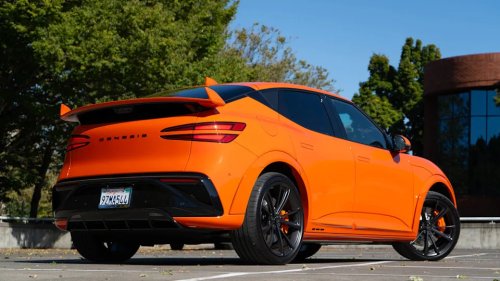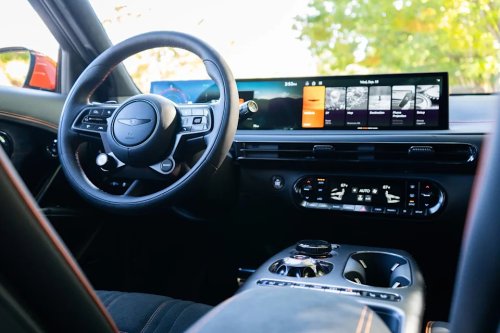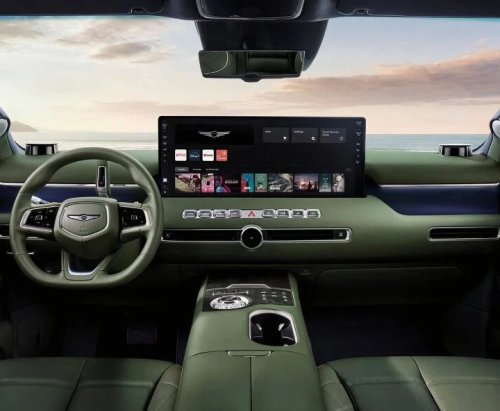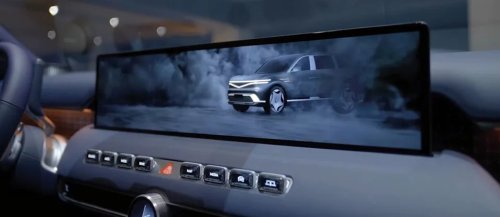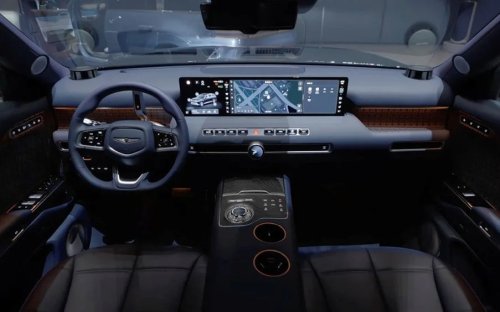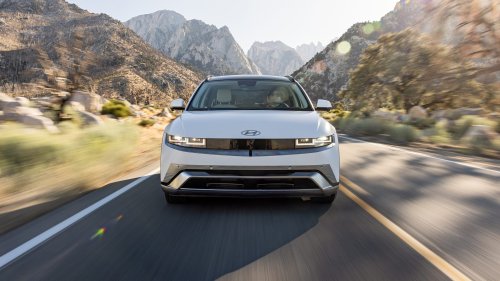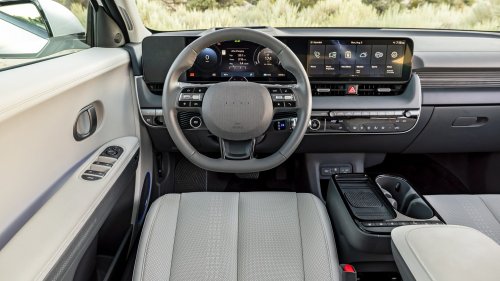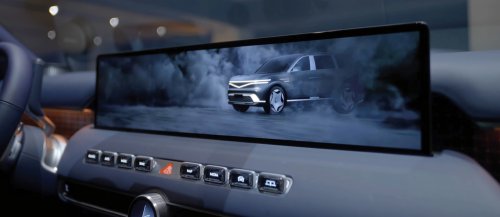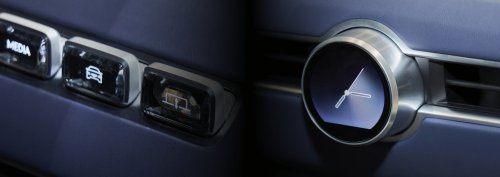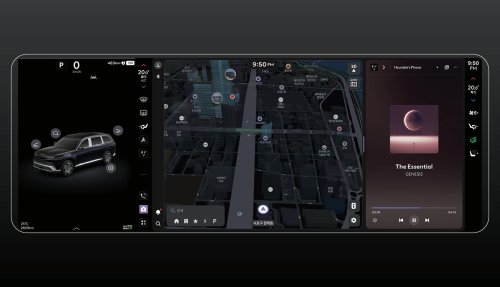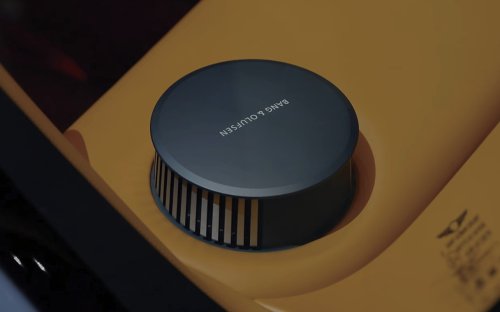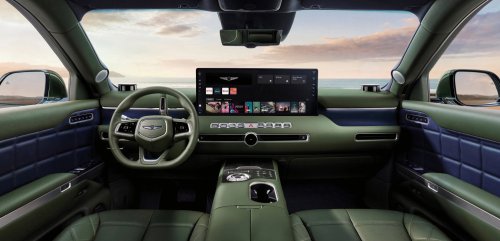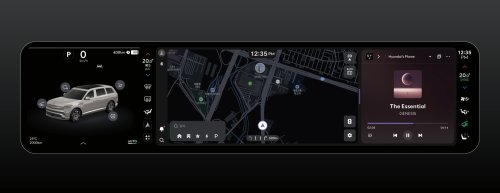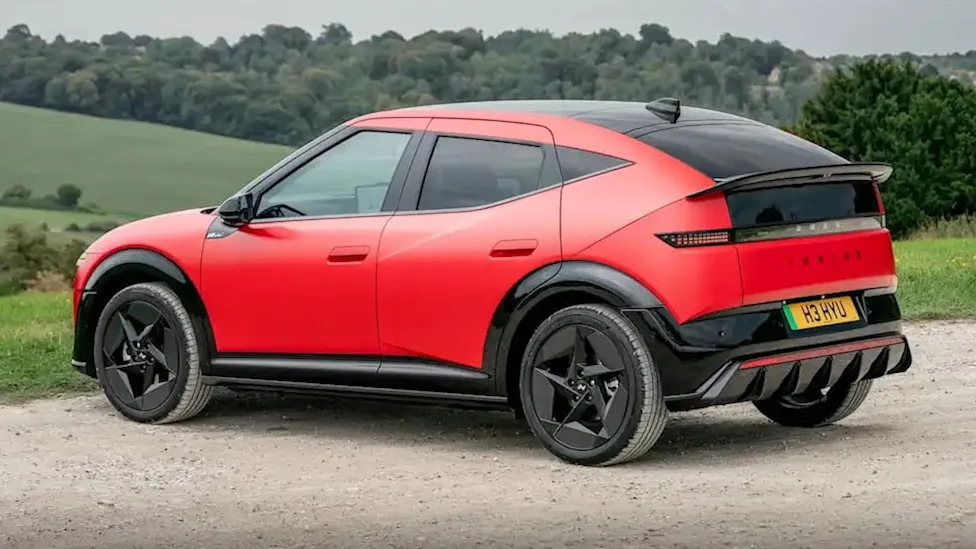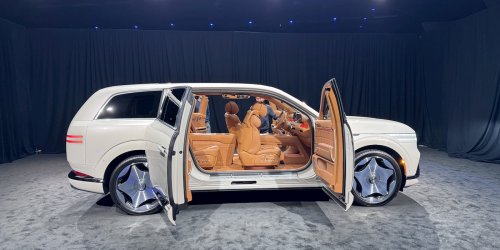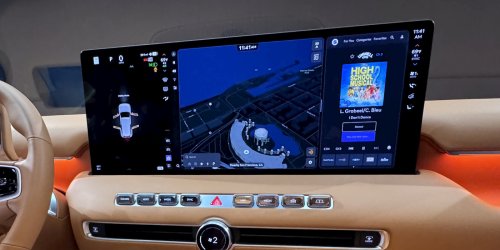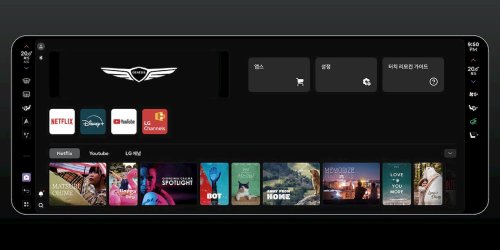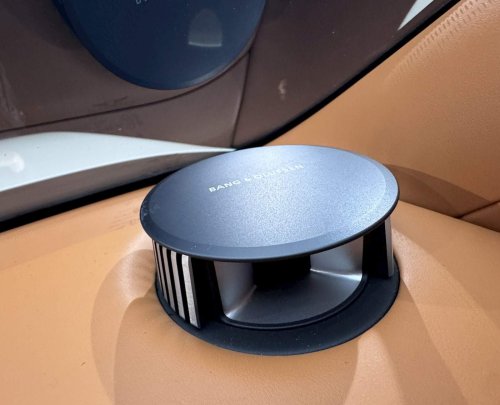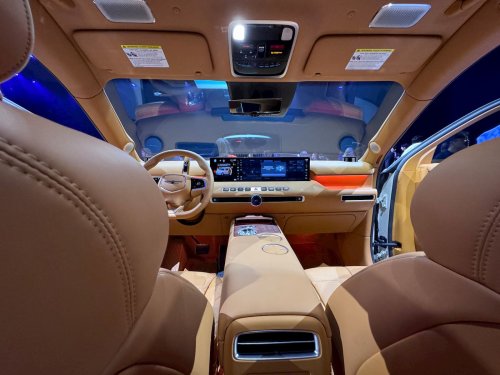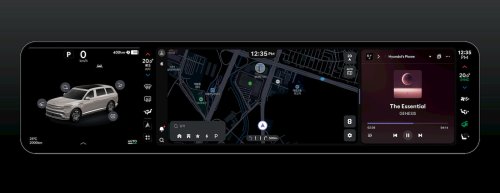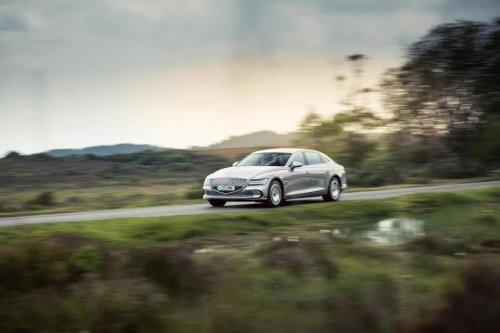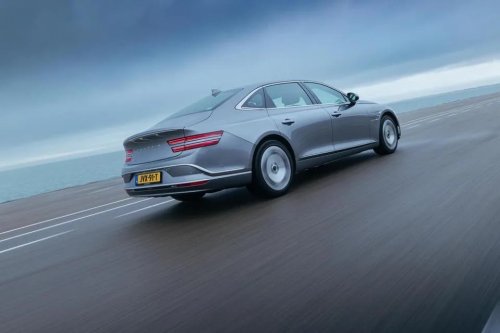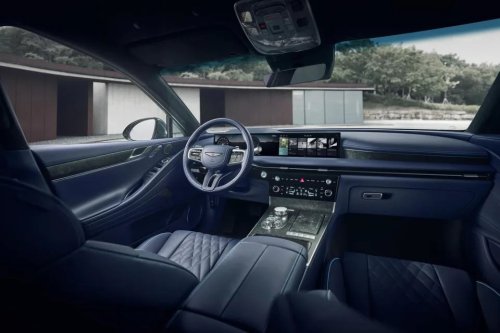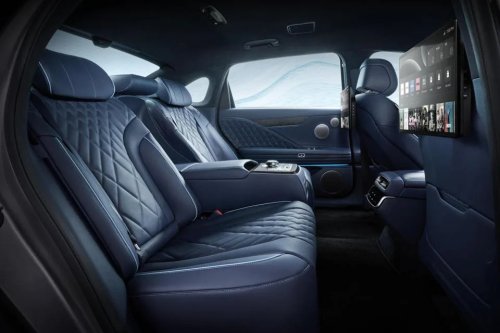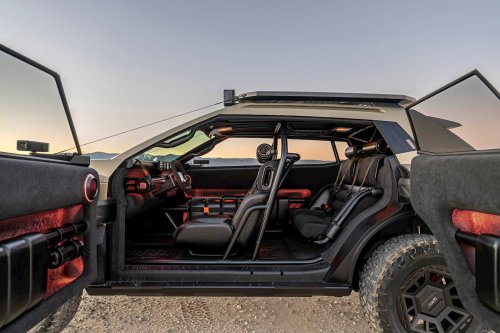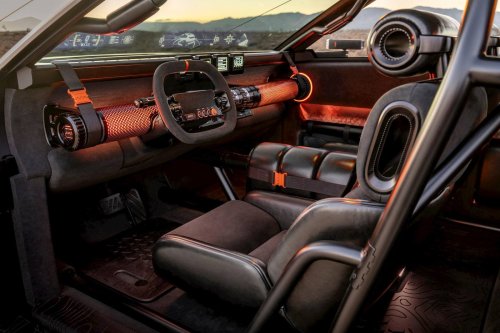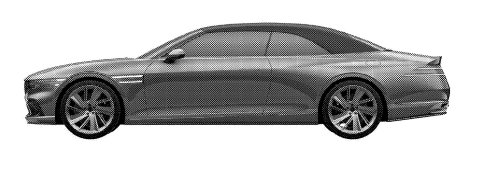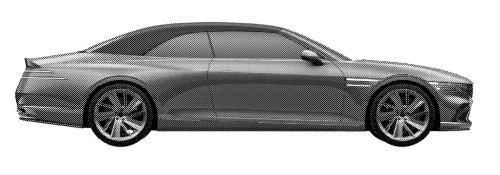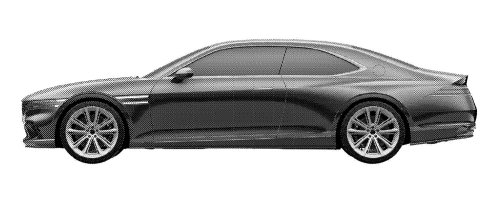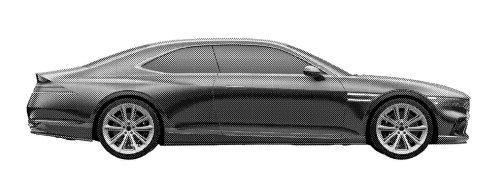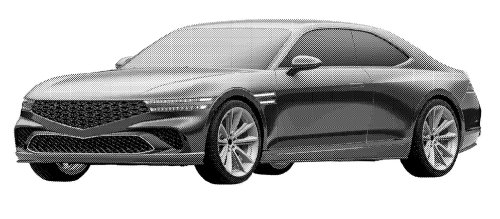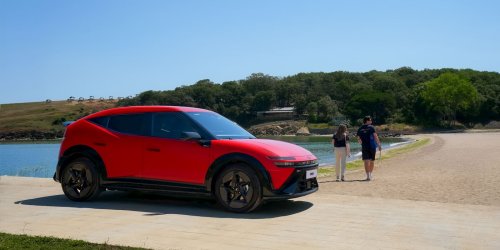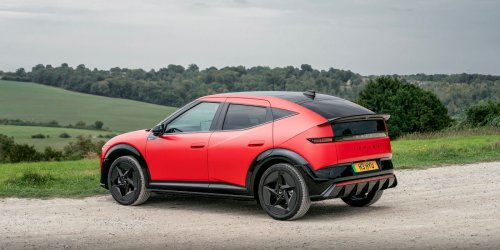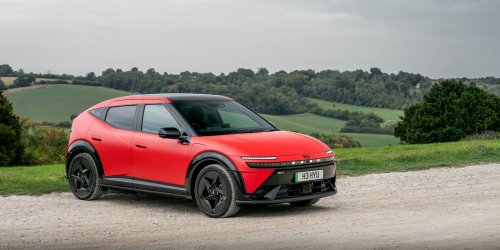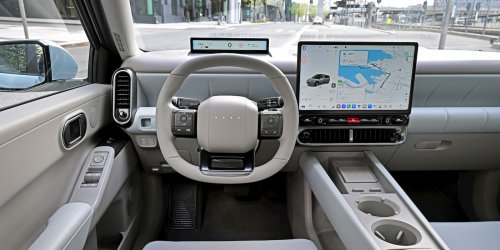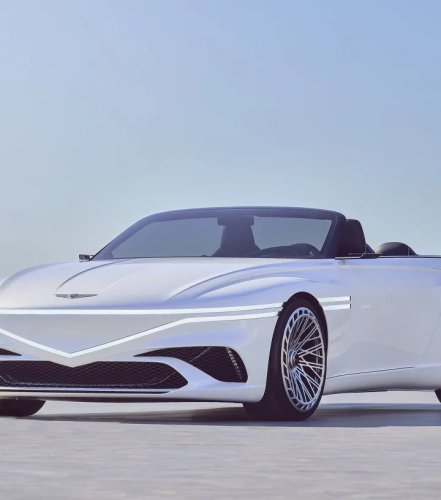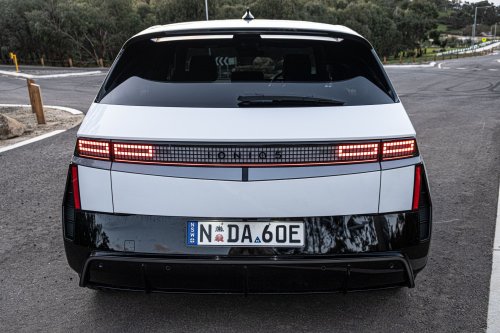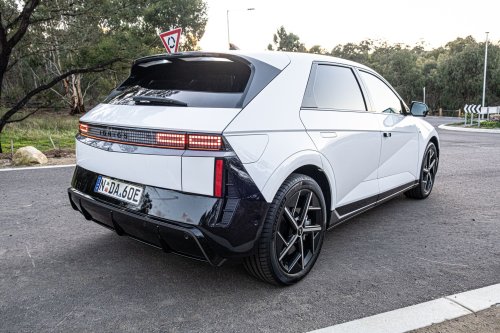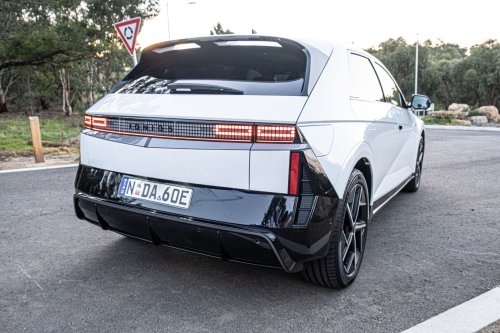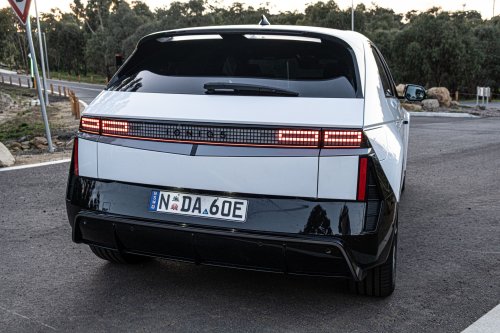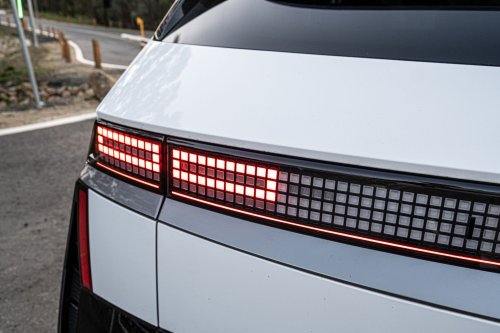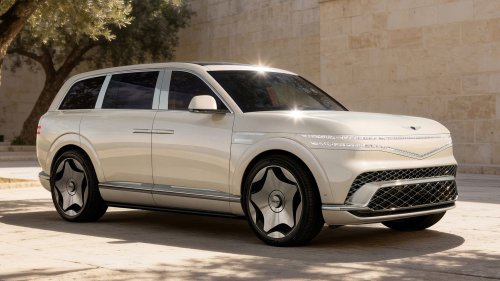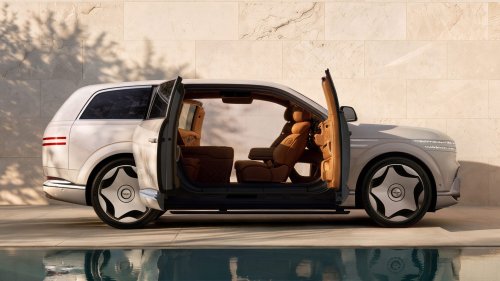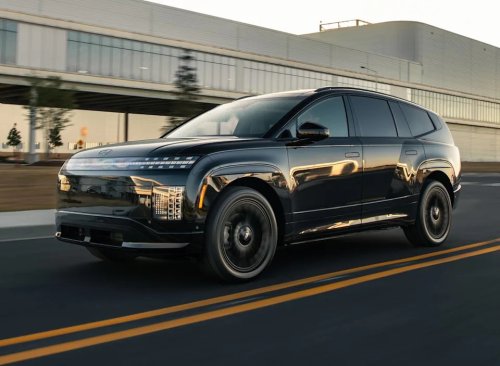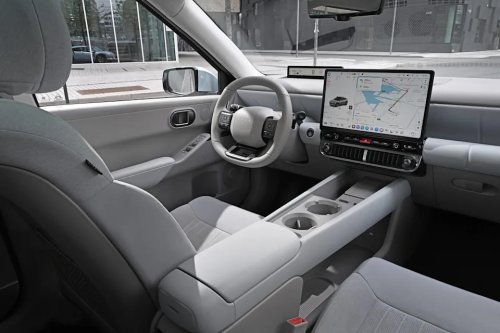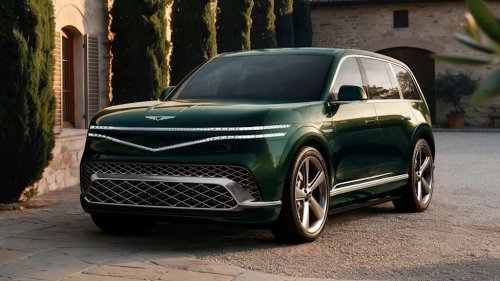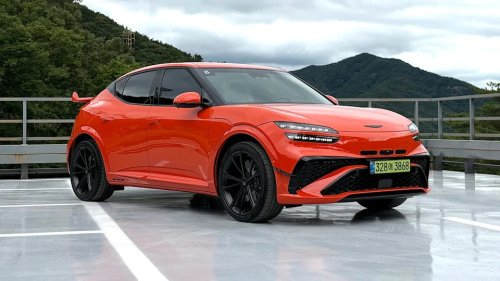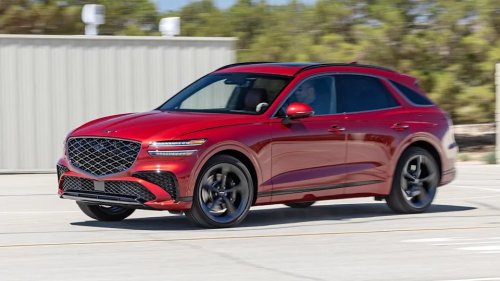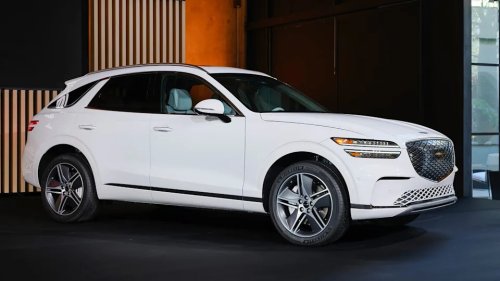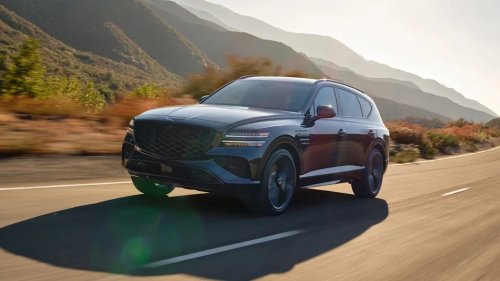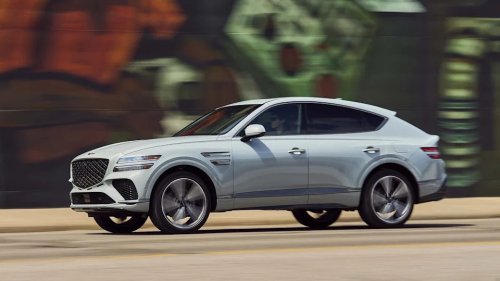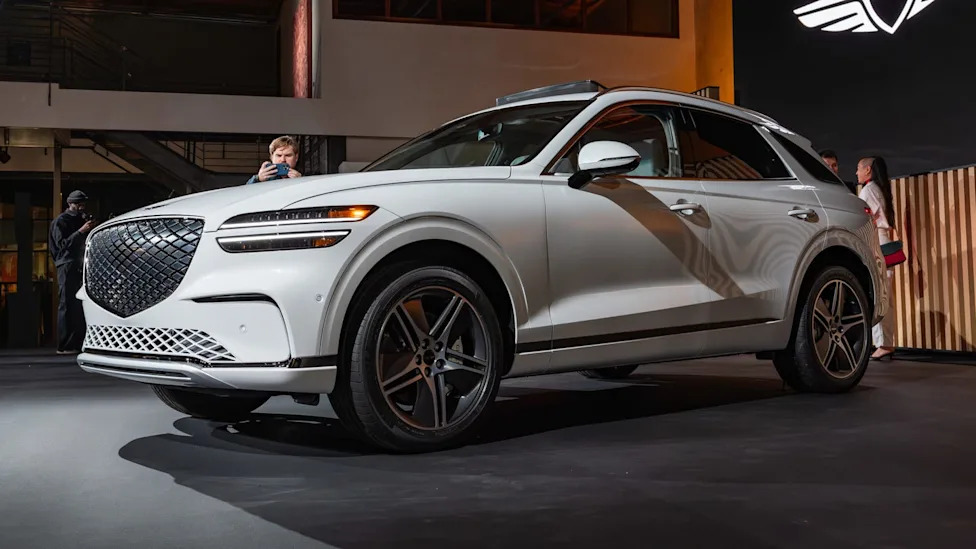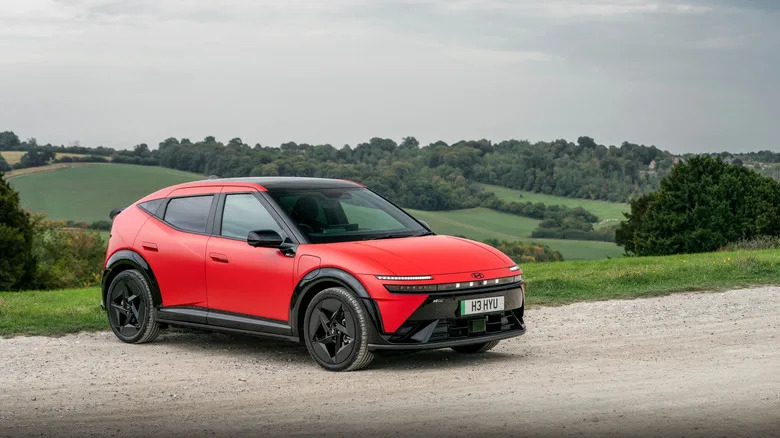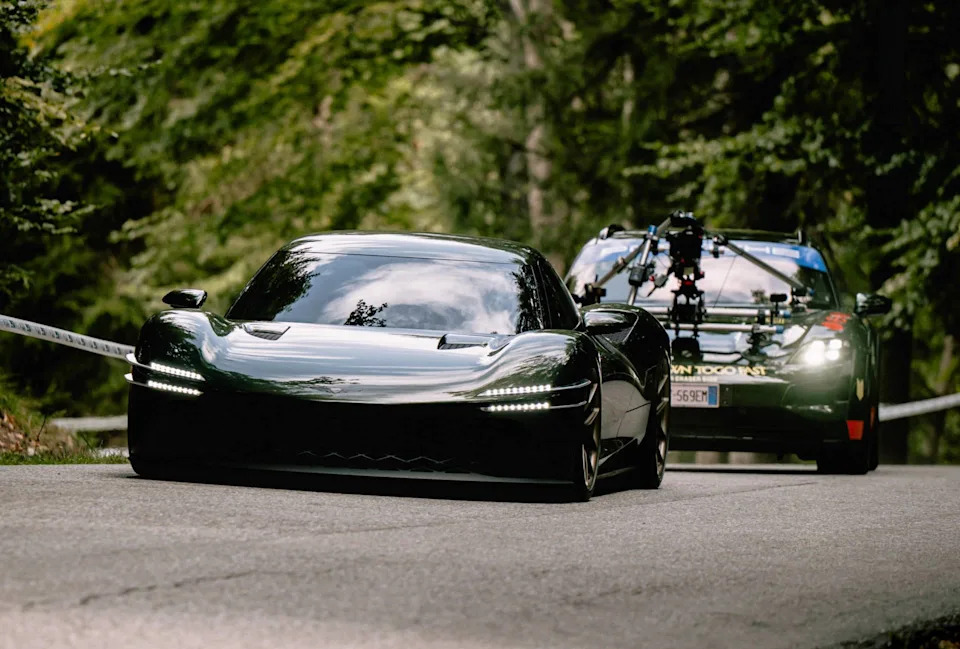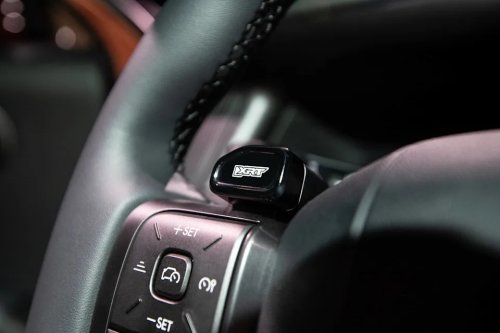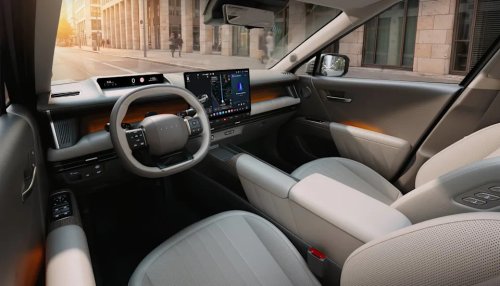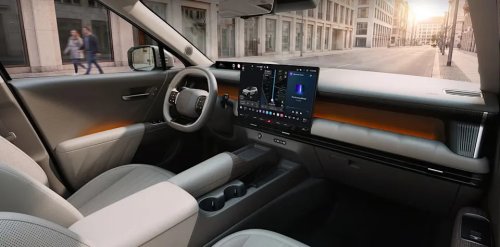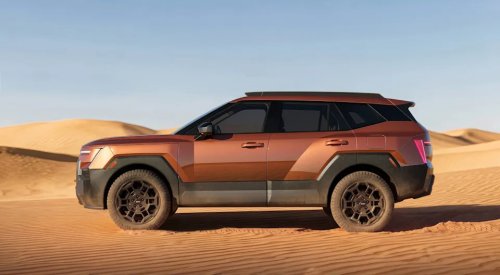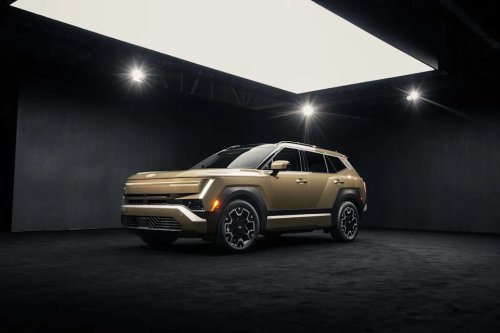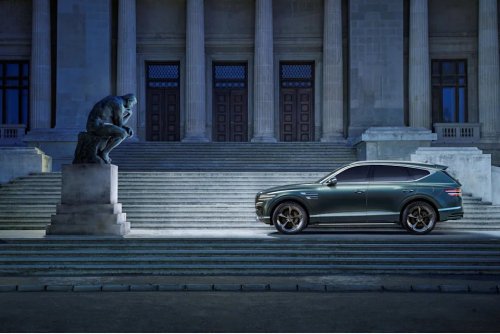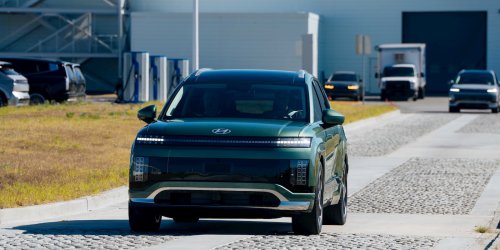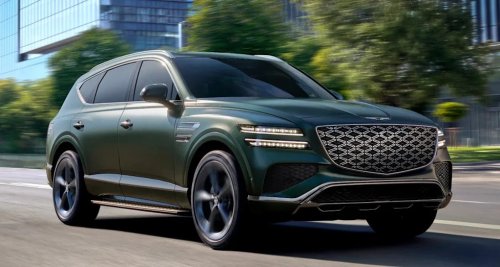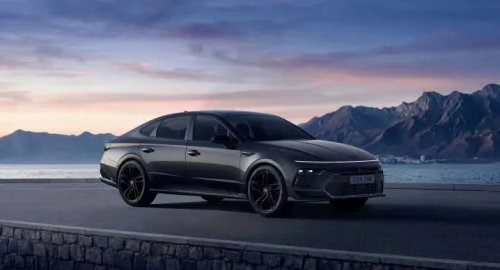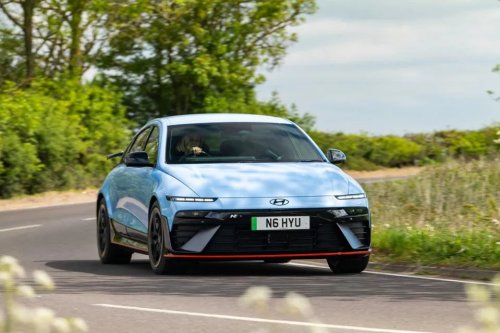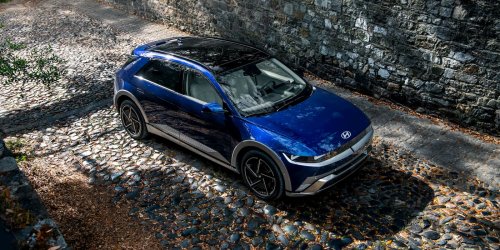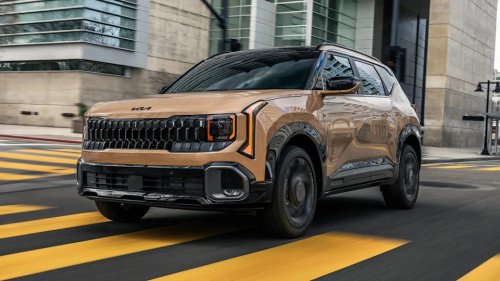
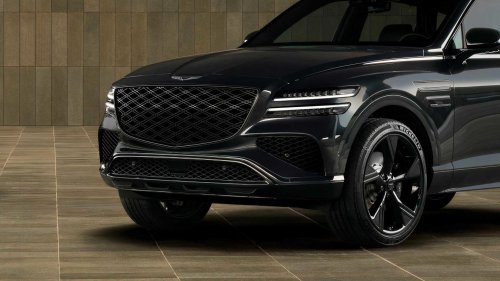
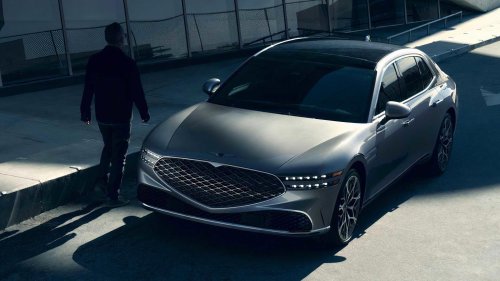
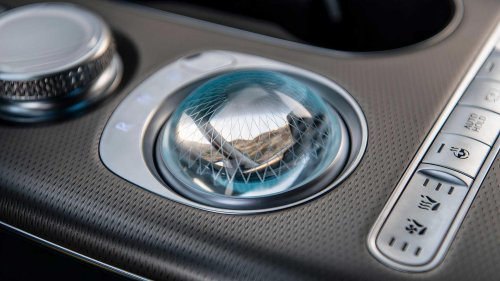
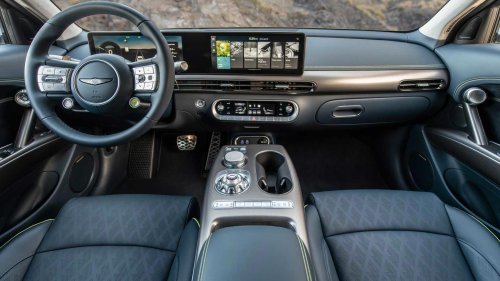



















The results are in, and the most recent iteration of the J.D. Power US Tech Experience Index (TXI) Study has once again revealed Genesis to be the highest-ranking overall brand in the US in terms of innovation. Last year was the fifth consecutive year that Genesis earned the title. Further, Hyundai ranked highest among mass-market brands for the sixth year running. Just how does J.D. Power measure innovation, and what do the major study findings say about the individual winners and the industry at large? Read on for a closer look. The Most Innovative Brand Is Genesis, With Hyundai Taking The Mainstream Win Genesis The Text Experience Index (TXI) study, now in its 10th year, has introduced a new category this year. This classification includes AI-based technologies designed to enhance the driving experience by anticipating drivers' needs. As the survey adapts and evolves, its results help automakers understand the user experience across dozens of new features, and how they stack up against their rivals and the market at large."Smart technologies appear to not only anticipate the driver’s needs but also reduce the cognitive workload and some of the difficulties that drivers face with digital systems. Ultimately, what matters most to vehicle owners - and therefore to automakers and suppliers - is how useful the technology is and whether it enhances their driving experience. While smart technologies are not without issues, they represent a meaningful step forward. Continued development will be essential to address current challenges and maximize their effectiveness."- Kathleen Rizk, senior director of user experience benchmarking and technology at J.D. PowerKey findings of this year's study show that certain smart technologies are beginning to improve vehicle initial quality scoring, driving an increase in overall user experience scores. When companies get it right, automakers can use tech like this to automatically adjust heating, ventilation, and air conditioning to improve comfort and efficiency.Other cars can anticipate your needs in different clever ways. The Chevrolet Corvette can be set to activate its front bumper lift system based on GPS triggers, and the Mercedes EQS can learn the locations you're most likely to pop the trunk when exiting the car, and display the appropriate button prominently on screen when you park there. Overall, the user experience of features like these is improving, according to the latest TXI report. In turn, the advancements is driving higher overall satisfaction among users who have the systems in question.Genesis Other study findings show that blind spot camera mirrors are a must-have technology, with 93 percent of customers using this feature most of the time, and 74% saying they want it in their next vehicle, too. Vehicles with this tech also tend to spend less time sitting on dealer lots than vehicles without it, according to the TXI. Currently, blind-spot camera mirrors aren't widespread in the industry, though they're widely available in Hyundai, Kia, and Genesis products.Car wash mode, a relatively new development, is having the opposite effect and dragging scores down. When engaged, this stem takes steps that prepare the vehicle for its bath, closing all windows, turning rain sensors off, and folding in mirrors. Various automakers offer a take on this system, but owners aren't impressed. J.D. Power reports that the functionality is often buried deep within infotainment system sub-menus, causing delays and frustration for users. Better instructions and faster operation of the system's functions could help this feature be adopted and used more widely.Genesis According to the study data, features surrounding biometric authentication and driver monitoring via facial recognition drive the highest number of problems reported in the latest TXI study. This means automakers have plenty of room to improve the performance of these systems. American Brands Hot On Genesis' Heels Considering technologies like these, and many others, the study ultimately gives each automaker a score (out of 1,000) that ranks each contender against the next. Scoring comes after the survey analyzed 40 automotive technologies divided into multiple categories. Among all brands, Genesis ranks highest overall, and therefore the best among premium brands for innovation for its fifth year running. With a score of 538 for Genesis, Cadillac comes in second place with 526 points, and Lincoln rounds out third place with 523.Genesis Considering only mass-market brands, it's Hyundai with a score of 493 in the top position for the sixth year in a row. Kia and Mitsubishi follow in second and third place, with scores of 474 and 471, respectively. Both of these scored below the study average (504), although it must be noted only four brands scored above average, those being the luxury marques mentioned above and BMW (511).The full results of the TXI Study were as follows:2025 J.D. Power US Tech Experience Index (TXI) Study RankingsBrandScore (out of 1,000)Genesis538Cadillac526Lincoln523BMW511Hyundai493Mercedes-Benz484Infiniti481Kia474Land Rover473Mitsubishi471Lexus469Volvo468GMC465Mini461Buick457Chevrolet457Porsche443Audi438Toyota436Acura433Volkswagen432Ford431Nissan430Subaru428Mazda415Honda412Jeep412Jaguar410Ram381Chrysler346 read more Recent and Notable Innovations From Genesis Genesis The market remembers great innovations, which is why so many luxury automakers are keen to deliver them. In the recent past, Genesis has worked on two such groundbreaking innovations, one of which is on the road today. The first is a console-mounted UV sterilizer, which uses a powerful UV light that drivers can activate with a button press. Items sealed inside, such as a smartphone, are bathed in UV light at a specific wavelength designed to disinfect the object, allowing on-the-fly sterilization of smaller handheld items throughout the driver's day. Look for it in cars such as the Genesis G90.You can't find Genesis's new metal-coated windshield in production just yet. Still, the development of this revolutionary technology may be paving the way for future EVs to defrost much more quickly in frigid temperatures. A special metal coating is applied to the vehicle's glass, which the high-voltage system can power in an EV. This method eliminates visible tungsten filament wires commonly used in heated windscreens and can clear a frozen window in a third of the time of conventional systems, using 10% less electricity. That's a win-win for the engineers, and Genesis says that patents have been filed in major markets. Runners Up, Honorable Mentions, And Caveats Genesis Elsewhere in this year's TXI study, the Land Rover Defender won a comfort and convenience award for its advanced air purification system. The Toyota Land Cruiser and Sequioa, in a tie, earned the mass-market comfort and convenience award for their camera rearview mirror technology. The Genesis GV80's phone-based digital key system earns it the connected vehicle award on the premium side, and the same tech also gives the Hyundai Santa Fe the connected vehicle award among mainstream models.GMC's Hummer EV SUV earned the driver assist award in the premium segment for its active lane change assist system, and the Santa Fe received the driver assist award on the mainstream side for its blind spot camera system. The all-electric Kia EV9 rounds out the award highlights with the best one-pedal driving system in the study.Both Tesla and Rivian were excluded from the study results this year, possibly on account of major product shifts, with J.D. Power citing that they did not meet eligibility criteria for the study. However, they were still scored, with a huge surprise being just how high their scores were. Tesla was technically the most innovative brand in the study at 873 out of 1,000, while Rivian scored 730/1,000. If the two brands had been eligible, they would have decimated the competition, proving how startups that treat cars as tech are innovating in a big way.Studies like the TXI require an apples-to-apples comparison between models to deliver relevant data. This year's analysis is based on the responses of over 76,000 owners of new 2025 model-year vehicles surveyed after 90 days of ownership, between June 2024 and March 2025. As Tesla and Rivian both updated their core products during this period, the study results were likely too mixed to be used, or not enough data was available.