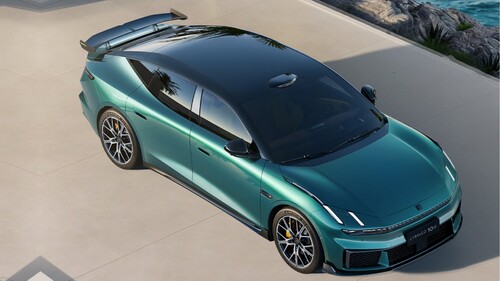
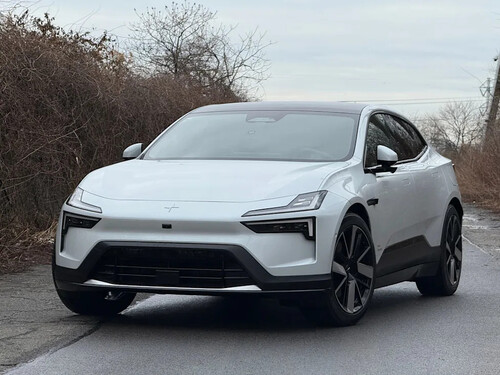
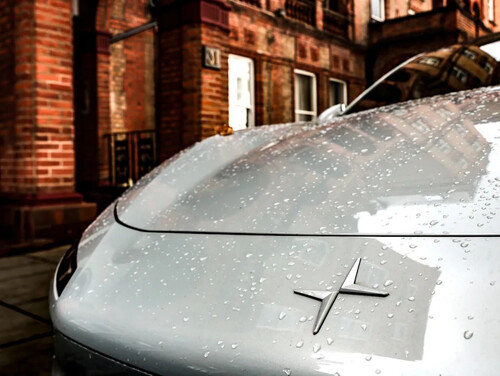
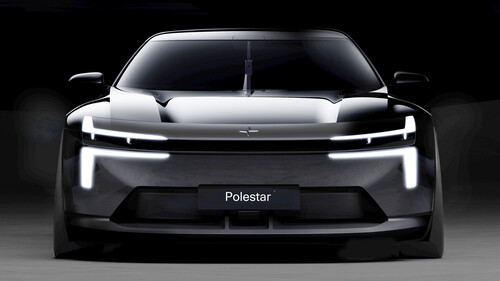
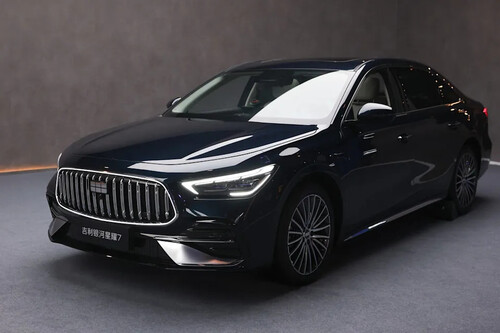
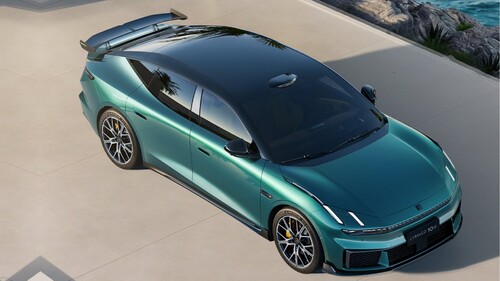
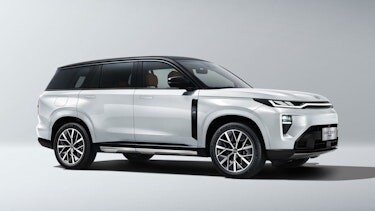
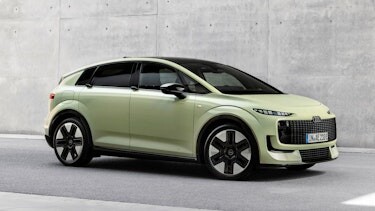
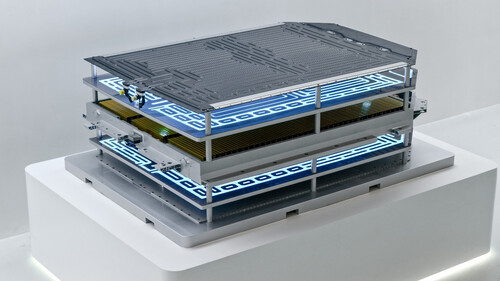
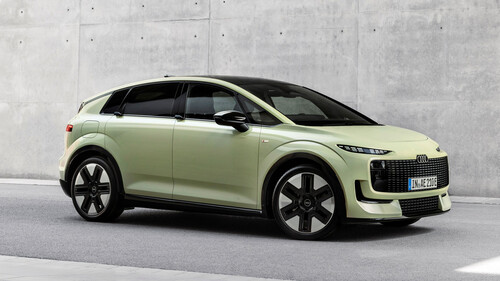
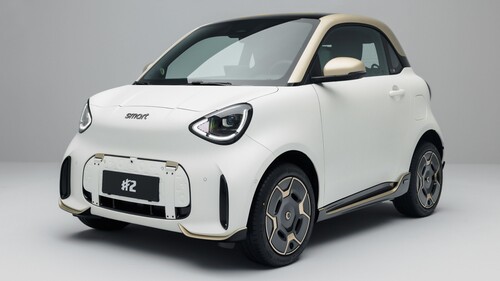
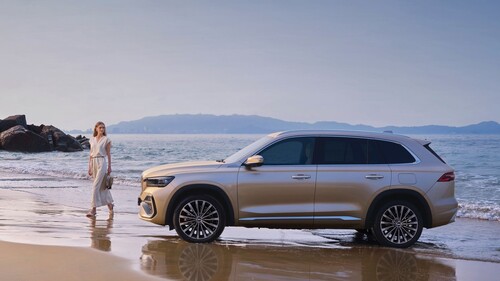
Image Credit: Geely.Solid-state batteries have spent years occupying the automotive industry's favorite uncomfortable position: perpetually right around the corner. Geely now says its technology is finally getting close enough to leave the laboratory and start proving itself in actual vehicles.The Chinese automotive giant plans to begin pilot deployment of its solid-state batteries in 2027. Real-world validation is already underway, putting Geely alongside other major battery players preparing to move the technology toward commercial use.The headline number is an energy density of up to 500 Wh/kg. Geely says that could give an electric vehicle over 1,000 km, or 621 miles, of range on a charge, putting it into territory normally associated with long-legged combustion vehicles.AdvertisementAdvertisementLongevity is another potential advantage that could be equally important to buyers. Reports surrounding the technology point to a potential service life of up to 1 million kilometers, or roughly 621,000 miles.500 Wh/kg Could Transform EV PackagingGeely's top solid-state battery is expected to reach an energy density of 500 Wh/kg, although multiple variants are planned. CarNewsChina reports that Geely appears to be referring to pack-level energy density, which would make the figure particularly impressive if confirmed.For comparison, Geely's current Golden Brick liquid-electrolyte battery cells are rated at around 250 Wh/kg at the cell level. Moving toward 500 Wh/kg could give engineers considerably more flexibility when designing future EVs.Manufacturers wouldn't necessarily have to use that advantage solely to chase enormous range figures. A higher-energy-density battery could potentially deliver today's range with a smaller, lighter pack, improving efficiency, vehicle weight, and packaging in the process.AdvertisementAdvertisementGeely, however, is clearly highlighting long-distance capability. The company says EVs equipped with the technology could exceed 1,000 km between charges, offering range comparable with diesel-powered vehicles.The Batteries Could Outlast The CarsFile photo for illustration purposes. Image Credit: Man charging EV by mpohodzhay/Shutterstock.Battery degradation remains a concern among some EV shoppers, particularly buyers wondering how an expensive battery pack will hold up after years of charging and high mileage.A claimed lifespan approaching 1 million kilometers would dramatically change that discussion. At roughly 621,000 miles, the battery could theoretically remain useful far beyond the mileage most passenger vehicles will ever accumulate.That doesn't mean Geely has demonstrated that every production pack will survive 621,000 miles in everyday customer use. Pilot deployment and long-term real-world operation will be important tests of those longevity claims.AdvertisementAdvertisementGeely is also working with Dow on materials development. One component developed for solid-state cells is an adhesive designed to remain stable across temperatures ranging from -40 to 120 degrees Celsius (-40 to 248 degrees Fahrenheit).Geely Wants Cars Testing Them In 2027Photo Courtesy: JustAnotherCarDesigner (Own work)- CC0/Wiki Commons.Geely says real-world validation began this year, with pilot deployment planned across its automotive portfolio in 2027. The group includes brands such as Zeekr, Lynk & Co, Volvo, Polestar, Lotus, Smart, and Geely itself, although it hasn't detailed which production models will receive the technology first.Pilot deployment also shouldn't be confused with full-scale mass production. Geely hasn't yet provided a firm date for when solid-state batteries will become widely available in customer vehicles.The company isn't alone in targeting 2027. BYD and battery giant CATL have also discussed solid-state battery trial production around that timeframe, although CATL executives have previously cautioned that substantial technical work remains before widespread commercialization.The Numbers Are Huge, Now Geely Has To DeliverA 621-mile EV whose battery can potentially survive 621,000 miles would address two of the most persistent concerns surrounding electric cars in one shot. The bigger question is whether those specifications can survive the difficult transition from prototypes to affordable, mass-produced battery packs.AdvertisementAdvertisementCost, charging performance, cold-weather behavior, manufacturing yield, and production scale will all matter alongside headline energy density.Still, Geely's 2027 pilot timeline gives the technology a near-term opportunity to prove itself on the road, something solid-state battery announcements have often lacked. If the production hardware comes anywhere close to these claims, range anxiety and battery-longevity concerns could become much harder arguments to make.If you want more stories like this, follow Guessing Headlights on Yahoo so you don't miss what's coming next.