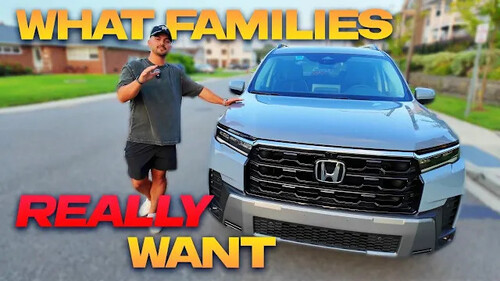
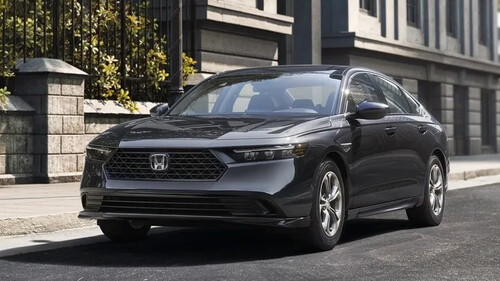
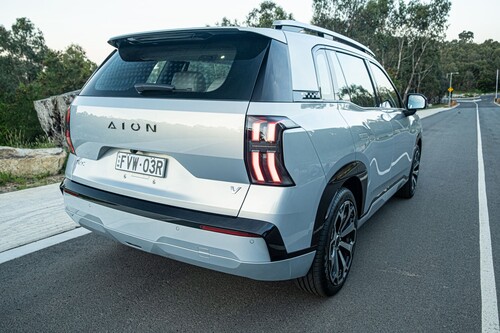
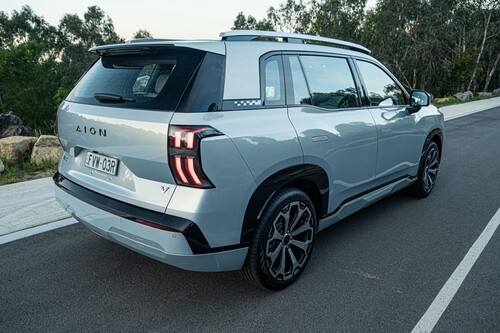
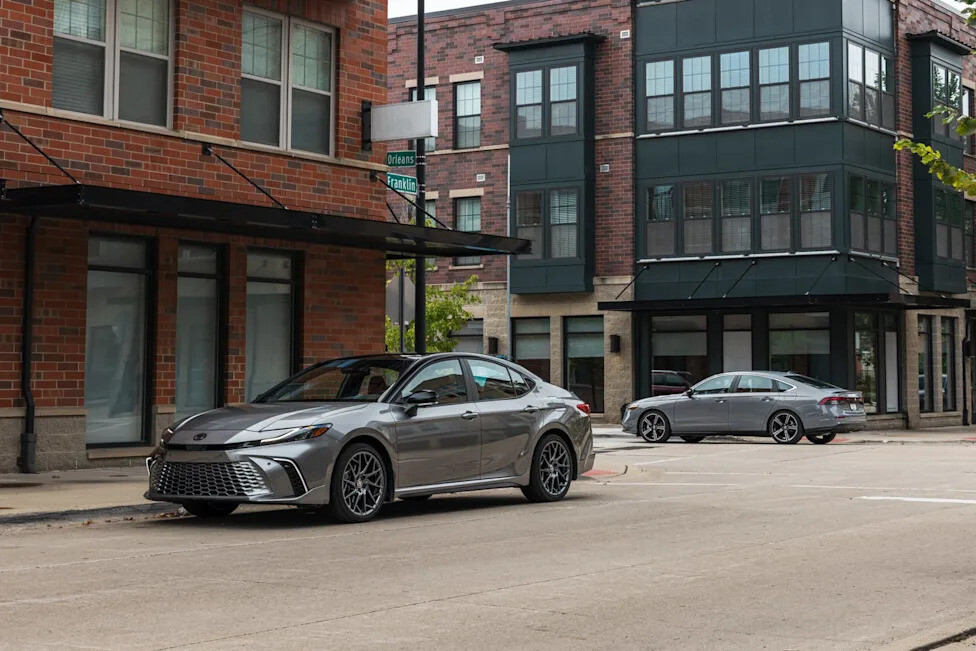
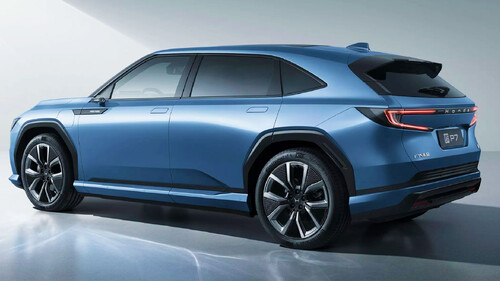
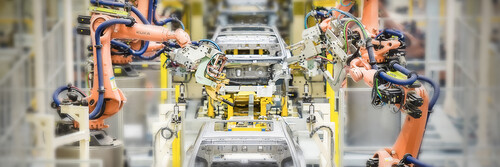
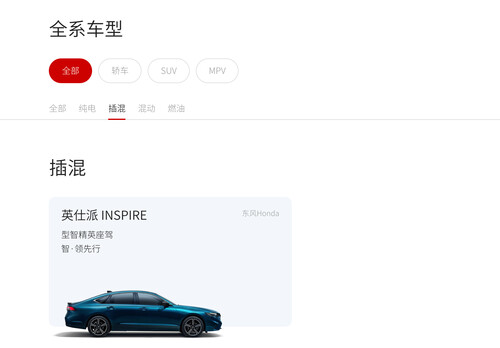
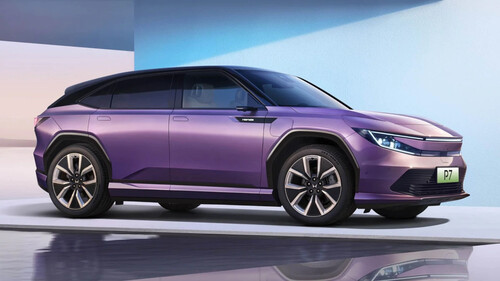
On May 6, GAC Group officially released its production and sales report for April 2026. The data shows that GAC Group’s automobile production in April reached 133,912 units, a year-on-year increase of 23.28%; sales reached 120,960 units, up 3.88% year-on-year; among these, new energy vehicle sales stood at 54,605 units, a year-on-year surge of 57.39%. GAC Group April 2026 production and sales report Looking within the group, the performance of individual brands has already shown clear signs of divergence. Among them, GAC Toyota sold 56,500 units, an increase of 13.45% year-on-year; GAC Aion sold 38,034 units, up 62.48% year-on-year. In contrast, GAC Honda’s sales experienced a “sharp drop.” Its April sales were only 5,100 units, a year-on-year decline of 72.42% compared to 18,491 units in the same period last year, and a month-on-month drop of 80.6% from March’s 26,283 units. For the first four months of the year, cumulative sales reached 45,161 units, down 59.39% from 111,220 units in the same period last year. It is worth noting that GAC Honda currently has as many as 10 models on sale, covering all vehicle categories (sedans, SUVs, MPVs) and all powertrain types (gasoline, hybrid, plug-in hybrid, battery electric). This means that, across such an extensive product lineup, the average sales per model is just 510 units. INTEGRA e:HEV A closer look at GAC Honda’s sales structure reveals a clear imbalance. Based on the brand’s 2025 sales data, the Accord sold 152,100 units for the full year, accounting for about 43% of the brand’s total sales; the Breeze sold 120,100 units, representing about 34% of the total. These two models together shouldered more than 70% of the brand’s sales volume. By the first quarter of 2026, this proportion had risen further — the combined share of the Accord and Breeze in GAC Honda’s total sales exceeded 76%. Even more awkward is the new energy segment. The all-electric P7, once highly anticipated, saw a brief sales rebound to around 1,000 units after a limited-time price cut in October 2025, but quickly fell back. Entering 2026, its sales in the first three months have not exceeded 300 units. Meanwhile, the Accord PHEV and Breeze PHEV — both “gas-to-electric” conversions — have been heavily criticized by users for their WLTC pure electric range of less than 100 kilometers, causing them to lose market competitiveness. BREEZE e:HEV If the product structure imbalance is the surface issue, then the sluggishness of the electric vehicle transition is the deeper cause. GAC Honda’s electrification push started significantly later than its competitors’ . Its first dedicated EV model, the e:NP1 (Extreme 1), sold only a few hundred units per month after its 2023 launch, and the second model, e:NP2 (Extreme 2), performed just as modestly. The P7, launched in 2025, tried to break into the mid-to-high-end new energy market, but missed the market’s growth window. As recently as February this year, both the e:NP1 and e:NP2 posted monthly sales of “zero units.” Some analysts point out that, unlike GAC Toyota, which has delegated more product definition authority to its local Chinese team and engaged in deep cooperation with Chinese tech companies, GAC Honda’s product definition in the new energy space is still dominated by its overseas headquarters. As a result, its market presence after launch has been extremely limited. GAC Honda plant The sustained sales decline is now affecting production capacity. On April 17, Honda announced the closure of two gasoline vehicle plants in China: GAC Honda’s Guangzhou Huangpu plant will cease production in June 2026, and Dongfeng Honda’s Wuhan plant is scheduled to shut down in 2027. At the same time, the total gasoline vehicle production capacity of GAC Honda and Dongfeng Honda in China will be compressed from about 1.2 million units to 720,000 units, a reduction of 40%. From its peak sales of 1.627 million units in China in 2020 to the current successive plant closures, Honda has experienced a five-year downturn in the Chinese market. During a strategic transformation meeting in April 2026, GAC Honda stated that it is internally implementing a strict product “horse racing” mechanism and has halted several models that failed to meet competitiveness standards. According to its plan, GAC Honda will launch three all-new models in 2027, covering the fields of gasoline, hybrid, and new energy, while advancing intelligent cooperation with technology companies such as Huawei and attempting more localized reforms.