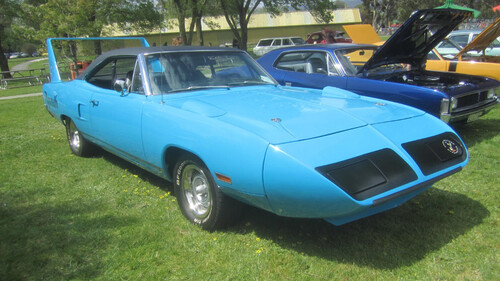
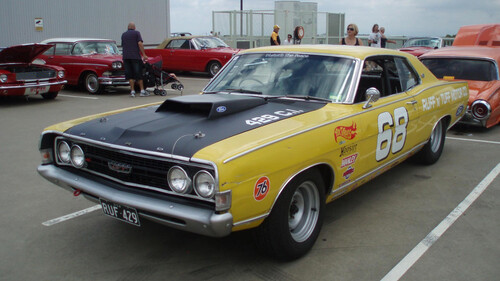
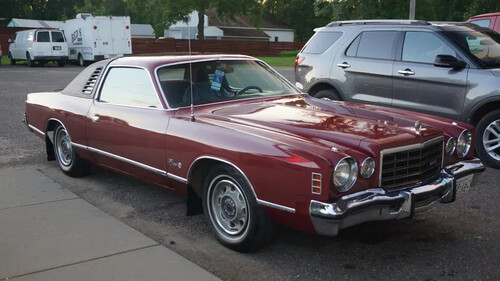
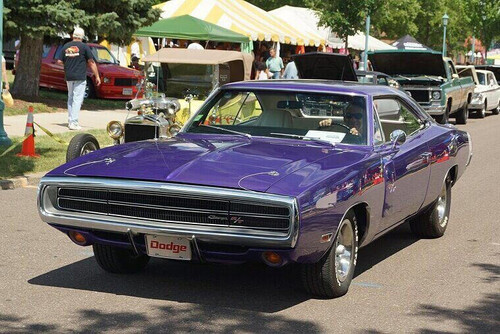
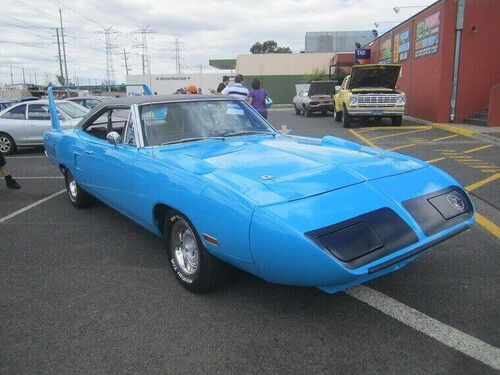
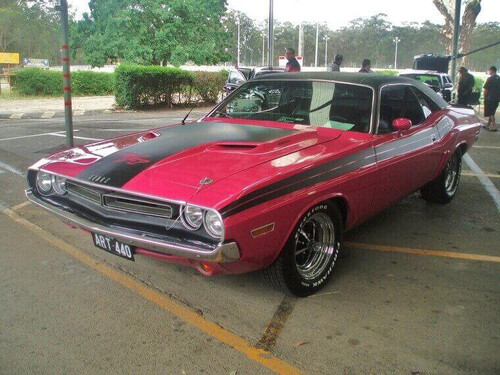
From 1939 to 2026: Evolution of NASCAR Cars in the Last 87 YearsStock cars once rolled straight off dealer lots with working doors and factory paint. Over nearly nine decades, NASCAR transformed those showroom rides into purpose-built machines that barely resemble anything on the street. From pre-war coupes to symmetrical carbon-fiber platforms, here is how the sport's cars evolved generation by generation.Ford CoupePre-World War II models dominated NASCAR's earliest dirt-track races because a post-war shortage left teams with few options. The 1939 Ford Coupe became one of the first styles to compete before the Strictly Stock division even formed in 1948, setting the stage for decades of evolution.Hudson HornetHudson became the first manufacturer to provide factory support to NASCAR racing teams, and the 1952 Hornet proved why that investment mattered. Competing in Generation 1's strictly stock era, this car ran a stock frame and body with doors strapped shut and seat belts required for safety.Ford GalaxieThe 1965 Galaxie marked the last year Ford raced with a stock chassis before switching to the unibody Fairlane and Torino. Heavy-duty rear axles kept these Generation 1 machines from flipping during races, a constant threat on the high-banked ovals that defined the era's biggest events.Ford FairlaneGeneration 2 arrived in 1967 with a stock body mounted on a modified frame, and the Fairlane led the shift. Due to unibody construction on the street version, NASCAR allowed purpose-built race chassis for safety. Holman-Moody, Banjo Matthews, and Hutchenson-Pagan became the go-to chassis builders for teams chasing speed.Plymouth SuperbirdThe 1970 Plymouth Superbird defined the Aero Wars era with its extreme aerodynamics. Massive rear wings and pointed nose cones pushed designs to their limits, creating some of the wildest-looking machines ever to circle a superspeedway.Dodge ChargerThe King drove this 1973 Charger to victory lane at Daytona, proving Hemi power still ruled the superspeedways. Generation 2 cars featured modified chassis built by specialty shops, and teams spent hours tweaking setups to handle the new high-speed ovals that demanded both horsepower and handling.Chevrolet Monte CarloAmerican muscle hit the track in full force with the 1977 Monte Carlo as aerodynamics became more advanced. Generation 2 allowed teams to adjust the chassis while keeping the frame stock, and the Monte Carlo's sleek lines gave Chevrolet a competitive edge on the superspeedways that defined the era.Buick RegalNASCAR downsized cars in 1981 to better resemble showroom models, reducing the wheelbase to 110 inches. The Buick Regal became the first 110-inch wheelbase model driven to a championship in the premier series, ushering in Generation 3 with body panels still purchased directly through manufacturers for authenticity.Ford ThunderbirdBill Elliott set several qualifying speed records well over 200 mph with this sleek 1985 Thunderbird. Generation 3 cars featured no doors, bigger spoilers, and streamlined designs that barely resembled their showroom counterparts, but the reduced wheelbase made them smaller and more agile than previous generations.Pontiac Grand Prix Aero CoupeGM extended the rear windshield and shortened the deck lid of its 1987 Aero Coupe model, creating one of the most distinctive shapes in Generation 3 racing. The Grand Prix pushed aerodynamic limits as teams searched for every advantage in the wind, making this car a standout in the late-1980s garage.Chevrolet switched from the Lumina to the Monte Carlo in 1995, and Jeff Gordon drove it to four championships. Generation 4 featured highly modified bodies with bumpers, nose, and tail composed of molded fiberglass based off production counterparts. Teams spent hours in wind tunnels chasing an aero edge over rivals.Ford TaurusThe 1998 Taurus became the first four-door stock car model approved for NASCAR competition in the modern era. Generation 4 cars barely resembled showroom models beyond the fiberglass bumpers and body panels, but Ford's decision to race a sedan shape marked a bold departure from the coupe-dominated field.Dodge IntrepidDodge made its return to NASCAR in 2001 with this Bill Elliott-driven Intrepid owned by Ray Evernham. The comeback ended a long absence for the manufacturer and brought a third major brand back into the Generation 4 wars, where wind tunnel work and fiberglass bodies defined the competition.Ford FusionMatt Kenseth drove this Ford in 2006 during the final season of Generation 4 cars. The Fusion represented the final evolution of a generation that had dominated for 15 years, with teams perfecting the art of molding fiberglass bodies and tweaking chassis setups to gain tenths of a second.Chevrolet Impala SSGeneration 5 introduced a new era of safety in 2007 with a common body and chassis for all manufacturers. Jimmie Johnson's 2008 championship car featured a front splitter, rear wing, and a whole lot of dominance, proving the Car of Tomorrow could still produce dynasties despite its controversial design.Toyota CamryCompetitors and fans missed the look of the spoiler, so NASCAR brought it back at Martinsville on March 27, 2010. The 2010 Camry ran with the returning spoiler instead of the rear wing, marking a mid-generation shift as the sanctioning body responded to feedback about the Car of Tomorrow's appearance.Brad Keselowski's Blue Deuce featured a new front splitter in 2012 that more closely resembled production models. The Charger represented Dodge's final push in Generation 5 before the manufacturer exited NASCAR, closing a chapter that had seen the brand compete through multiple car generations and design philosophies.The end of Generation 5 in 2012 also matched the end of the Impala SS model in NASCAR. The Car of Tomorrow era closed after six seasons, making way for Generation 6 cars that would put the stock back into stock car racing with manufacturer-unique body panels.Brad Keselowski's Blue Deuce returned in 2013 on a Generation 6 chassis designed to better resemble showroom counterparts. Manufacturer-unique body panels placed on existing chassis enhanced designs across Ford, Chevrolet, and Toyota, giving each brand a distinct look while maintaining competitive balance underneath the sheet metal.Next Gen carThe body is designed to be symmetrical, and wheels changed from 15 inches to 18 inches in 2022. Made of aluminum and featuring a single lug nut, the Next Gen platform also introduced a sequential shifter and independent rear suspension, bringing NASCAR closer to GT3 and Australian Supercar technology.