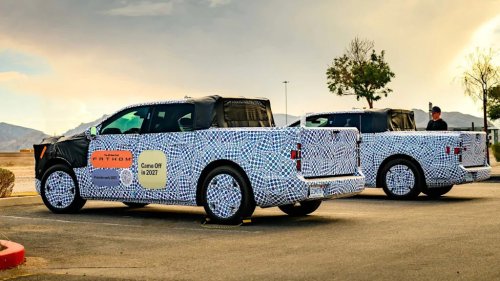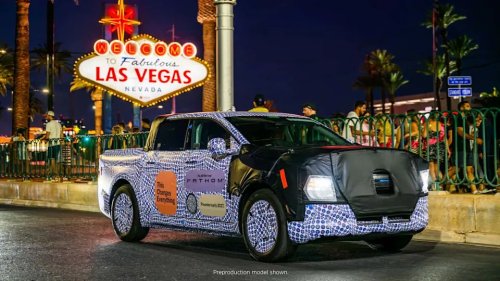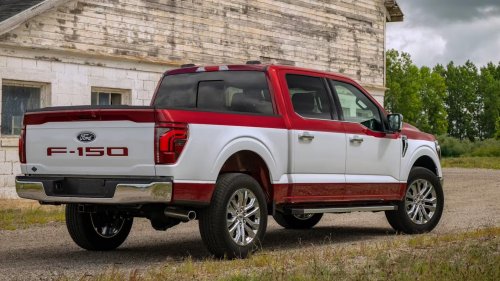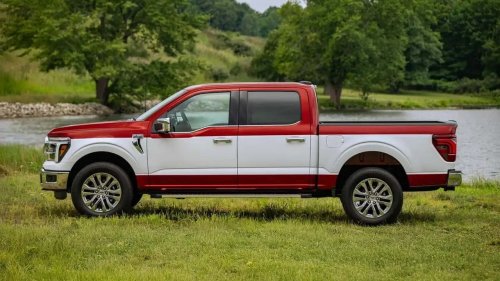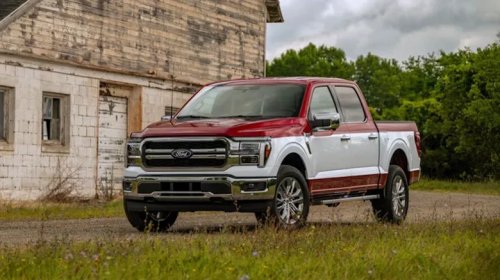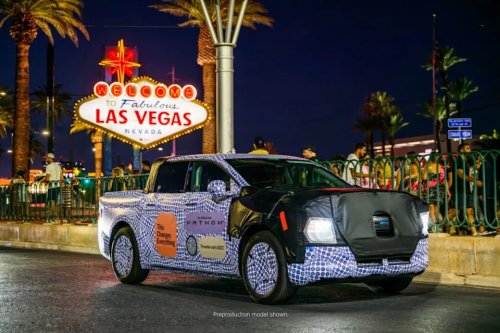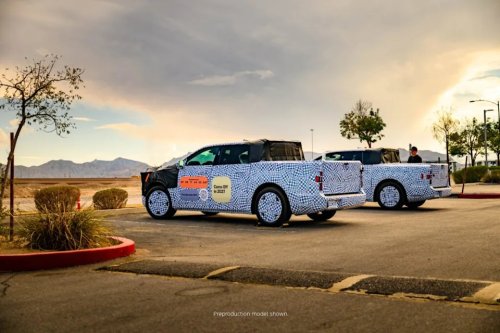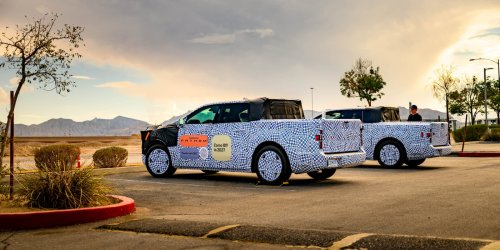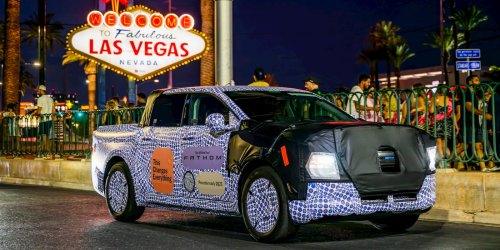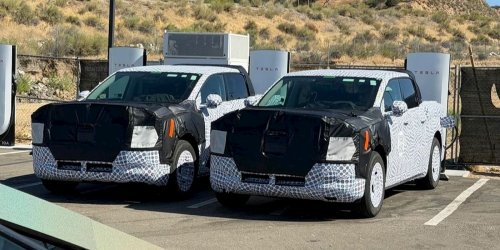
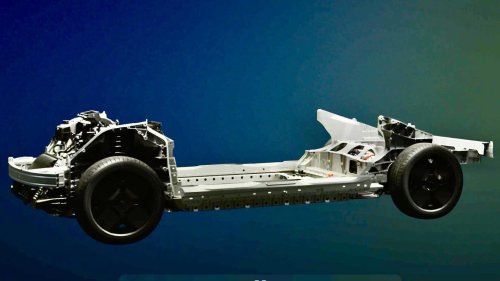
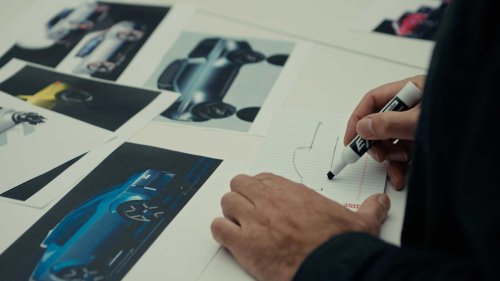
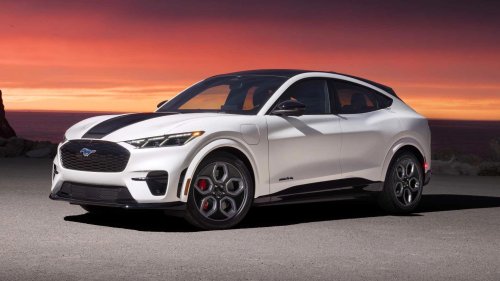
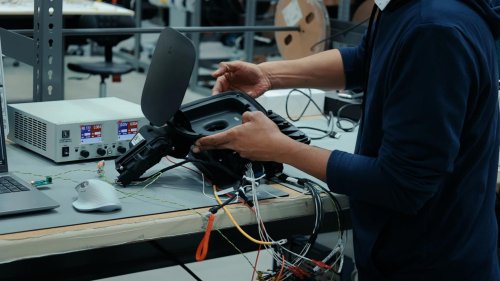



















Market uncertainty for battery-electric vehicles has caused a lot of turmoil behind the scenes for automakers and their suppliers responsible for designing and manufacturing electric motors, batteries, and all the necessary electronics. What looked like a sure bet several years ago has devolved into a sea of red ink, job losses, plant closures, and a general sense of regret. From Japan and China to Europe and the US, the EV transformation has not gone smoothly.Tom Murphy / CarBuzz / Valnet This week, Ford becomes the latest automaker to restructure its operations to account for this changing dynamic, creating a new "end-to-end organization" called Product Creation and Industrialization, which unites Ford's advanced technology and global industrial teams. Oddly enough, the release does not mention Ford Model e, which is the business unit created in 2022 dedicated to BEVs.But we've learned from automotive expert John McElroy that Model e stays intact through this restructuring and will continue to report profits and losses in Ford's financial reports (at least for now), just like Ford Blue for high-volume models and Ford Pro for commercial vehicles. Restructuring To Offset Big Losses Ford Ford Chief Operating Officer Kumar Galhotra will lead the new organization, which clearly stretches well beyond battery-electric vehicles. "By creating the Product Creation and Industrialization team," the automaker said, "Ford will be able to turn its highest-volume vehicles into platforms for digital growth."This hints at a push to boost profitability, as the automaker specifies its target of an 8% adjusted EBIT margin by 2029 after reporting 2025 losses of $8.2 billion. Getting to the plus side means "delivering one of the most intensive product, software, and services rollouts in Ford’s history."Ford Like every automaker, Ford is developing software-defined vehicles, which are better connected and enable more subscription-based services. That means more recurring revenues for automakers trying to make ends meet, depending on how consumers receive them. One way to read Ford's new structure is that EVs are now perceived as so risky and unprofitable that they need to be grouped under the same umbrella as software-defined vehicles (which aren't even in production yet) and a "personalized ownership experience" to at least appear to be financially viable.Ford Ford said the new corporate restructure "integrates Ford’s Electric Vehicle, Digital and Design team with its global Industrial System," and that by 2029 Ford will refresh 80% of its North American portfolio by volume. The most important first piece of this strategy is the all-new midsize battery-electric pickup set to launch next year from Ford's Louisville assembly plant in Kentucky as part of Ford's Universal Electric Vehicle (UEV) platform. Even more important in terms of long-term profitability is the next-generation F-150 and F-Series Super Duty pickups, which also will launch under this new organization.The UEV, which is intended to arrive with an attractive $30,000 base price and tied in to these improved "digital experiences" for consumers, springs from Ford's “Skunkworks” operation based in Long Beach, California, with software controls developed in-house and using "unicastings" to reduce weight and complexity.Before this week's restructuring, McElroy said he could see potential conflict as the skunkworks team handed off the midsize UEV truck to the legacy part of Ford for manufacturing."Ideally, the skunkworks should handle everything from design sketch to cars rolling off the line."–Autoline Host John McElroyFord "It looks like this reorganizational change is about addressing that issue, avoiding two different organizations reporting to two different management structures," McElroy told CarBuzz via email. "Legacy Ford will look more like the skunkworks, and the skunkworks will be wrapped up into the new Product Development and Industrialization business unit."Sam Abuelsamid, vice president of market research at Telemetry, said it appears Ford is moving much of Model e back under Ford Blue, which is home to all the legacy internal-combustion vehicles. Ford Model e Gone By 2028? Ford The restructuring leaves Doug Field out of a job. He was Ford's chief officer of EVs, Digital, and Design, and he will depart next month after nearly five years "leading innovation and driving cultural change" within Ford. In an email to CarBuzz, Abuelsamid sees Field's departure as a sign that more restructuring is to come, especially in the BEV space."With no direct replacement for Field, it certainly points to Model e eventually just being wound down as a separate business unit."–Telemetry VP Sam Abuelsamidford-uev-chargeportdoorAbuelsamid said the new structure implies that Ford "is satisfied enough with the work that has been done by the (skunkworks) EV team on software, electrical architecture, and electric propulsion systems that they’re just going to move forward and apply those capabilities across the whole lineup."A key component of the business going forward, as Abuelsamid sees it, is deploying Ford's next-generation BlueCruise hands-free driving tech across the lineup to potentially generate more subscription revenue. "With a push to hybridize most of the vehicles, advances from the UEV program can help there, too," he said."They’re not saying it now, but my guess is that within the next 12-18 months, Model e ceases to exist as a separate business at Ford," Abuelsamid said, noting the challenge of integrating the new development processes into the legacy organization. "Historically, that has almost never worked (see Saturn, Ford's Team Edison, etc.), and it may lead to a lot of legacy people jumping ship, or the Model e team getting frustrated and quitting."Also as part of the new structure, Alan Clarke becomes vice president of Advanced Development Projects and will continue leading the California-based Advanced Electric Vehicle Development team that created the UEV. Ford said the new plan will help electrify 90% of the automaker's global nameplates by 2030.