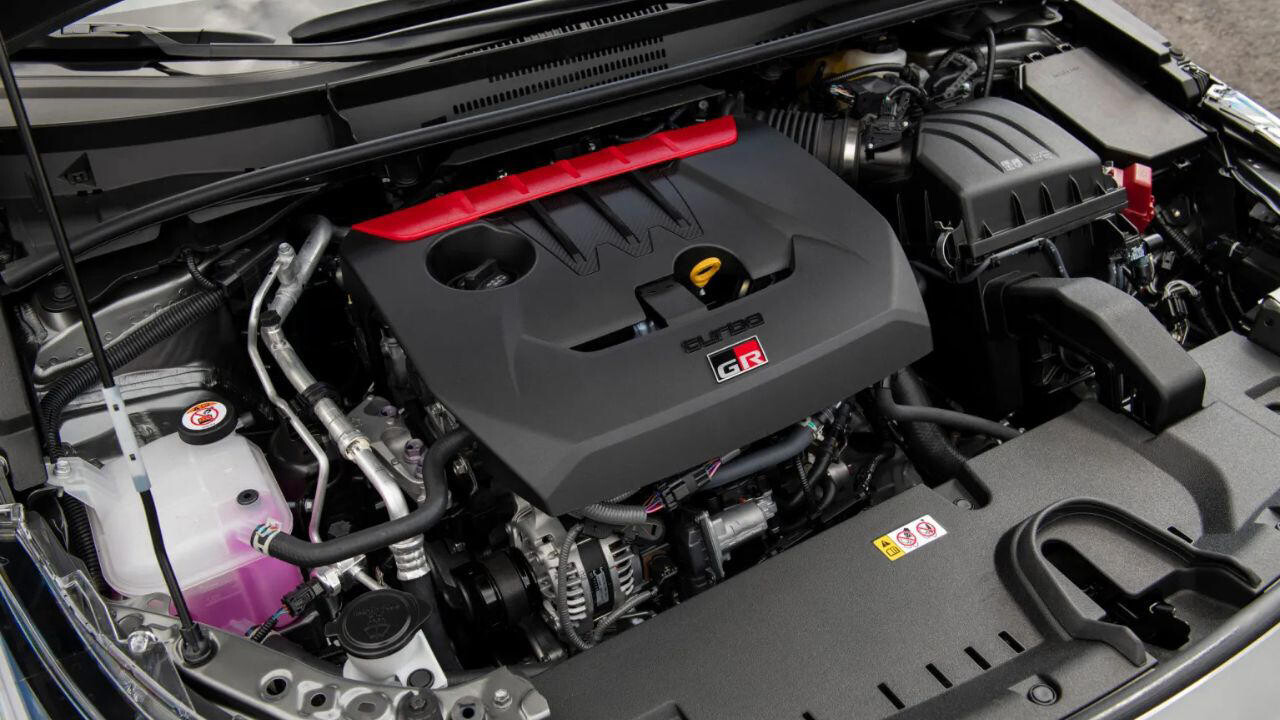
Everyone's Dad Was Wrong About Warming Up the Car. Here's What Actually Happens to a Cold EngineAsk anyone who learned to drive before the 2000s how they start a car on a cold morning. You'll probably hear the same routine. Start the engine, get out, scrape the windshield, and let it idle for five or ten minutes before putting it in gear. It isn't stubbornness. It's advice passed down from a parent or grandparent who learned it on a car that genuinely needed it. The real question is whether the car sitting in your driveway right now still does.The Government's Own Numbers Tell a Different StoryThe U.S. Department of Energy's fueleconomy.gov, run jointly with the EPA, puts a blunt number on this that a lot of long-time drivers have never seen. Idling burns fuel at a rate of zero miles per gallon. Not low mileage. Zero. The same cold-weather data shows a conventional gas car's city fuel economy runs roughly 15% lower at 20°F than at 77°F. It can fall by as much as 24% on short trips of three to four miles. That's largely because the engine and transmission never get a real chance to reach an efficient operating temperature. Idling in the driveway doesn't solve that problem. It just delays it while burning gas for nothing.fueleconomy.gov is direct about the fix, too. It notes that most manufacturers recommend driving off gently after about 30 seconds. An engine actually warms up faster under a light load than it does sitting still with the transmission in park.Hybrids and EVs Change the Math Even MoreIf dad's advice came from a carbureted engine, it didn't account for what's parked in driveways now. Per fueleconomy.gov, hybrid fuel economy can drop 30% to 34% in cold weather compared to mild conditions. A plug-in or fully electric vehicle can lose roughly 39% of its efficiency in mixed driving, with range falling by around 41%. About two-thirds of that lost EV range goes toward heating the cabin, not moving the car.For EV and plug-in hybrid owners, the smarter move is preconditioning the cabin while the vehicle is still plugged in. That warms the interior and battery pack using wall power instead of stored range. Once you're on the road, lean on seat heaters instead of the cabin heater. That saves additional range, according to the same DOE guidance. None of this has much to do with the old "let it warm up" logic. An EV has no engine or cold oil to protect in the first place. It has a battery that performs best when brought up to temperature efficiently — not idled needlessly in a cold garage.There's a Legal Angle Dad Never Had to Worry AboutIdling for the sake of idling isn't just a fuel-economy problem anymore. It's increasingly a citation risk. Anti-idling rules exist in numerous U.S. cities and states, and the practice is being scrutinized well beyond America's borders, too. The Auto Wire recently reported on UK drivers facing fines of roughly $145 for idling with the air conditioning running during a heatwave. Cold-weather idling ordinances work on the same basic principle. Regulators treat a parked car with the engine running as a needless emissions source. They're paying closer attention to it than they used to.The Other Cold-Weather Costs Nobody MentionsEven beyond idling itself, fueleconomy.gov points out that winter quietly drains efficiency in ways that have nothing to do with warm-up habits. Cold, dense air increases aerodynamic drag. Tire pressure drops as temperatures fall, which increases rolling resistance. And battery performance weakens in the cold, making it harder for the alternator to keep up. Idling longer in the driveway doesn't fix any of that. Checking tire pressure regularly and keeping the battery in good shape does far more for cold-weather performance. A warm-up ritual simply can't compete.So What Should You Actually Do?Start the car and give it roughly 30 seconds for oil to circulate and pressure to build. Then drive away at a normal, gentle pace instead of romping on the throttle right away. Turbocharged engines don't need anything extra here, either. That same short interval is enough for oil to reach the turbo's bearings before the engine has to work hard. Maybe you're already the type to check your actual oil change interval instead of going by a sticker on the windshield. Or you follow a real high-mileage maintenance plan. Either way, you already understand the theme. The number backed by data beats the one that's just always been done.When a Longer Warm-Up Still Makes SenseNone of this means idling is always the wrong call. Clearing frost or fog from the glass is a legitimate safety reason to let a car run for a minute or two. In genuinely brutal sub-zero temperatures, a short idle can help oil flow before the engine goes to work. Diesel engines, along with some older or heavily modified vehicles, have their own cold-start needs that don't follow the gasoline playbook. EV owners dealing with serious winter range loss have their own considerations worth reading up on separately. For the overwhelming majority of gas, hybrid, and electric vehicles built in the last two decades, the old ten-minute driveway ritual isn't protecting anything. It's burning time, fuel, or range that dad's car actually needed, and yours very likely doesn't.Sources: U.S. Department of Energy / fueleconomy.gov, The Auto Wire.AdvertisementAdvertisementJoin our Newsletter, follow our Instagram page, and connect with us on Facebook.