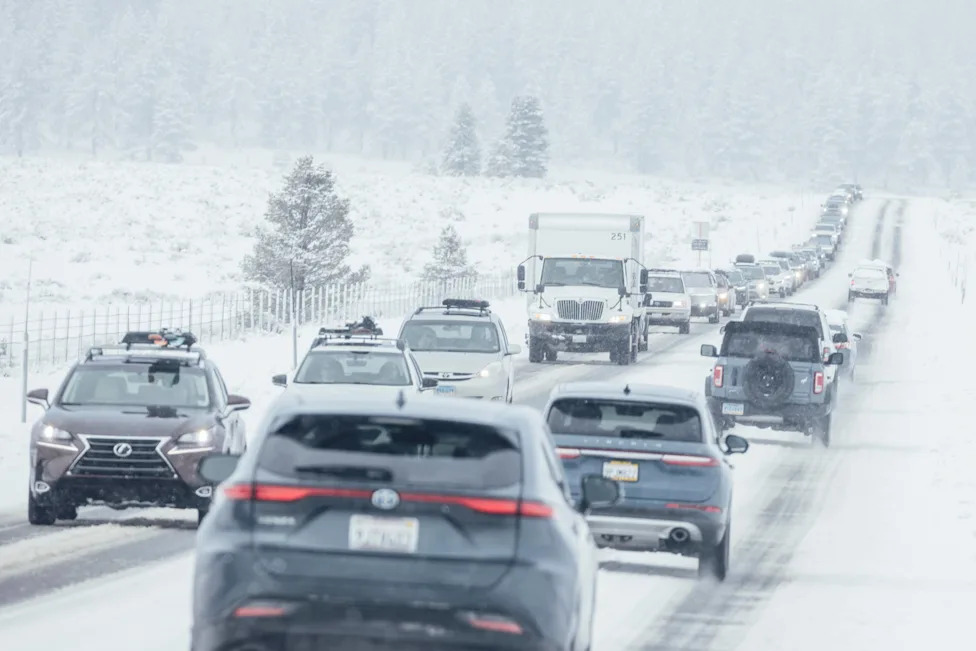
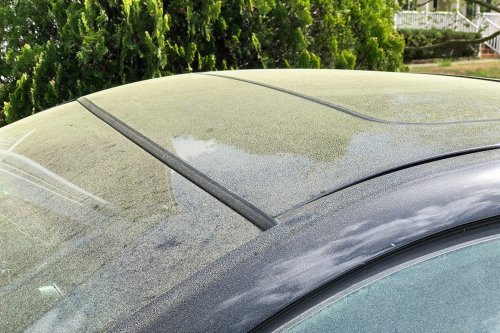
The dangerous myth about warming up your car in winterOn the coldest mornings, the sight of cars idling in driveways has become a kind of winter ritual. Yet modern engines, emissions systems, and even neighborhood air quality all pay a price for that comforting plume of exhaust. The long-held belief that a vehicle needs to sit and idle until it is “fully warm” is not just outdated, it can be actively harmful to the machine and to the people around it. Automotive engineers and air quality experts now describe extended winter idling as a myth left over from a different era of technology. Fuel injection, sophisticated sensors, and cleaner-burning engines have reshaped cold-weather care, while the old habit of warming a car in place still drives unnecessary wear, wastes fuel, and pushes extra pollution into the air. The carburetor myth meets modern engines The idea of warming a car in place grew out of carburetor-era vehicles that struggled to meter fuel accurately in low temperatures. Earlier engines relied on mechanical parts to mix air and gasoline, and those parts needed time to reach a stable operating condition before the car would run smoothly. As a result, older drivers often passed down the instruction to let a car sit for ten or fifteen minutes, a ritual that became family lore rather than an engineering requirement. Modern engines, by contrast, are built around electronic fuel injection and a network of sensors that constantly measure temperature, airflow, and exhaust content so that the engine computer can adjust the fuel mixture within seconds of a cold start. Technical guidance from organizations such as AAA now stresses that, for fuel-injected vehicles, the best way to reach efficient operating temperature is to start the engine, wait roughly half a minute for oil pressure to stabilize, then drive gently. Similar advice from independent testers explains that sensors and engine control units are specifically designed to handle cold starts without long idling, which makes the older practice unnecessary for vehicles such as a 2022 Toyota Camry or a 2024 Honda CR-V. In effect, the hardware that once justified driveway warm-ups has disappeared, but the habit has not. How extended idling harms engines and exhaust systems Allowing a car to sit and run for long stretches in winter can quietly shorten the life of key components. When a cold engine idles, it runs a richer fuel mixture, which means extra gasoline washes along cylinder walls and can strip away the thin film of oil that prevents metal-on-metal contact. Over time that process increases wear on piston rings and cylinder surfaces. Service departments that examine engines after years of heavy idling often find more carbon deposits and varnish, a pattern that aligns with warnings from technicians who note that idling can damage the very parts owners think they are protecting. Dealers that work with a broad mix of modern models describe a similar pattern. One advisory from Smart Toyota explains that prolonged idling can lead to incomplete combustion, fuel dilution of the oil, and residue buildup in the exhaust system. That residue can foul oxygen sensors and catalytic converters, which are calibrated for a narrow temperature range and for steady exhaust flow under light driving rather than for ten minutes of stationary running. The result is a car that may feel pampered on cold mornings but faces higher long-term maintenance risk. The hidden cost in fuel, air quality, and neighborhoods Beyond mechanical wear, the old warm-up routine burns fuel for no useful distance traveled. Federal energy data on idling personal vehicles estimate that personal cars and light trucks waste significant gallons of gasoline every year while stationary, with a substantial share occurring in winter. For a compact crossover that consumes roughly 0.2 to 0.5 gallons per hour at idle, a daily ten-minute warm-up across a long season quietly drains multiple tanks of fuel. That wasted fuel translates directly into added carbon dioxide and other pollutants that would not exist if the vehicle simply started and drove away after a brief pause. Air quality agencies have tried to push back against the idea that idling is benign. Educational campaigns such as the Utah Department of Environmental Quality’s quiz titled ‘Some Common Myths’ stress that the statement ‘Idling is good for your engine’ is labeled false and that excessive idling can damage engine components while also emitting pollutants that contribute to ozone formation. Independent testing cited by consumer advocates reaches a similar conclusion, with one analysis noting that warming the cabin by driving off gently, rather than idling in place, reduces pollution and saves fuel without sacrificing comfort. In neighborhoods where multiple cars idle in close proximity, the cumulative effect is a pocket of exhaust that children, pedestrians, and nearby residents all have to breathe. What experts recommend drivers do instead Cold-weather guidance from mechanics and testing organizations has converged on a simple routine. For most fuel-injected vehicles built in the last several decades, drivers are advised to start the engine, wait around thirty seconds, then begin driving at modest speeds so the engine and transmission can warm together under light load. Technical materials explain that modern engines are designed to circulate oil quickly and reach operating conditions without prolonged idling, and this approach keeps lubricants moving, brings the catalytic converter up to temperature faster, and gets the driver to a warm cabin sooner than sitting still in the driveway. For models with remote start, the same advice applies: a short lead time to defog glass is reasonable, but extended unattended idling remains unnecessary. More from Fast Lane Only Unboxing the WWII Jeep in a Crate 15 rare Chevys collectors are quietly buying 10 underrated V8s still worth hunting down Police notice this before you even roll window down



















 +48 others