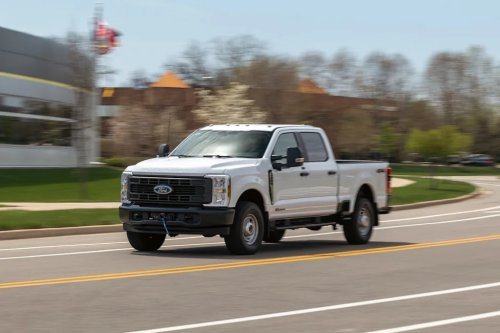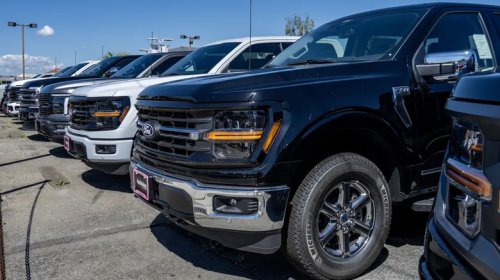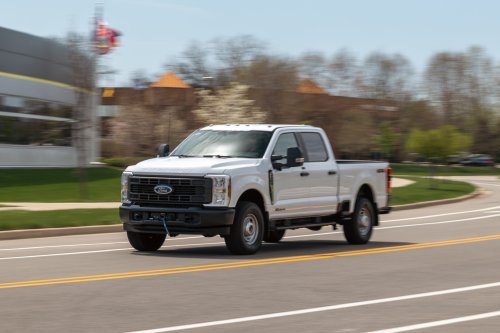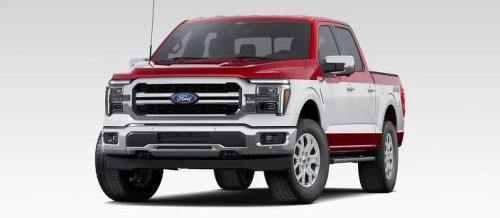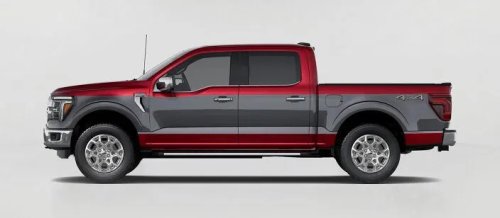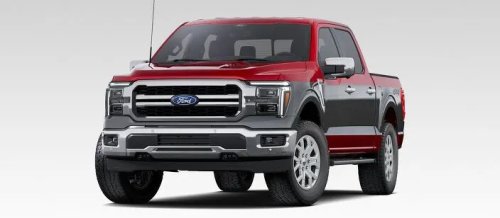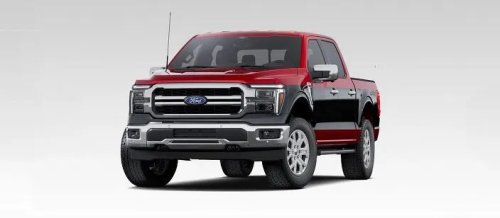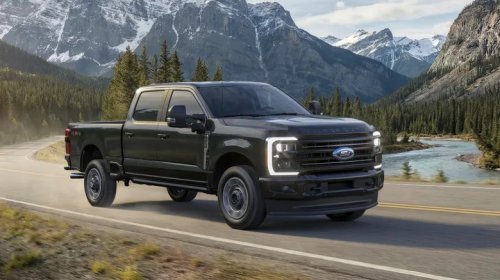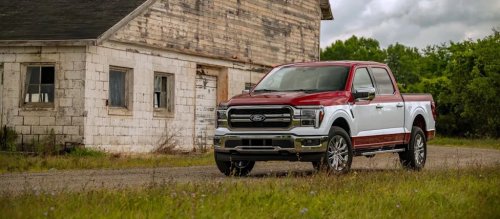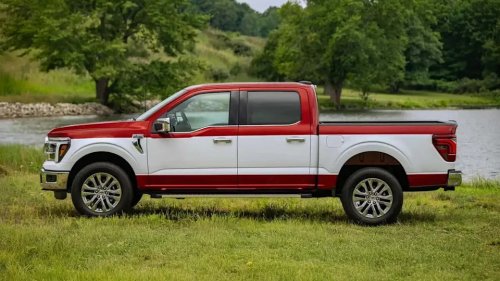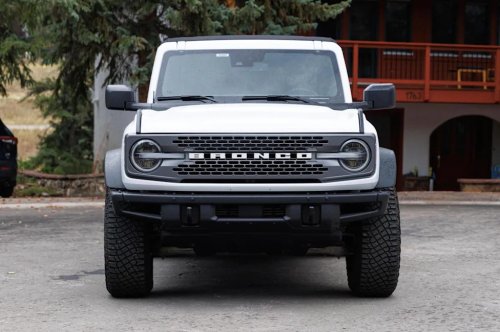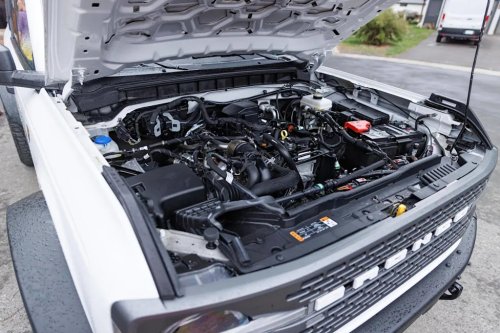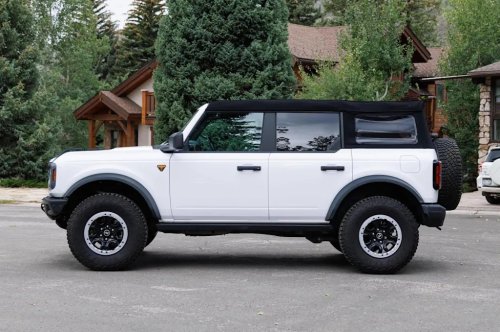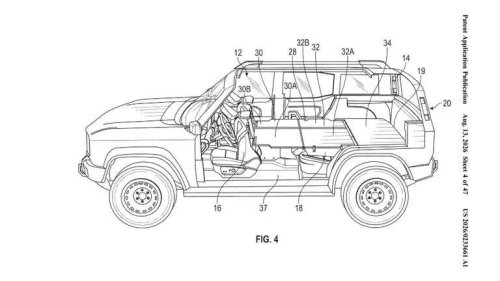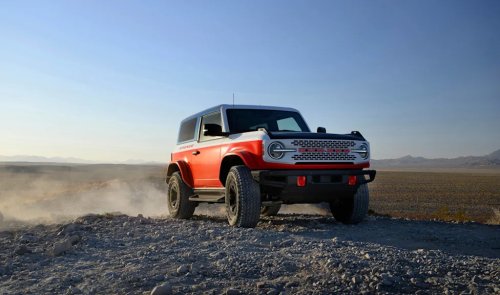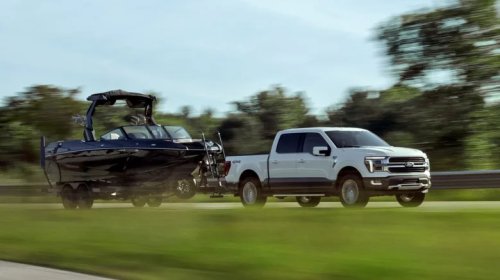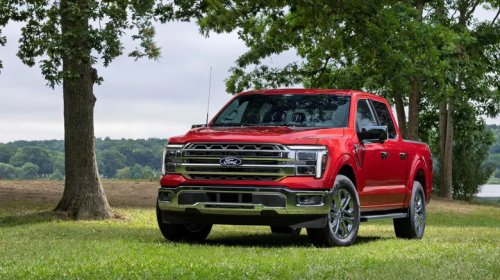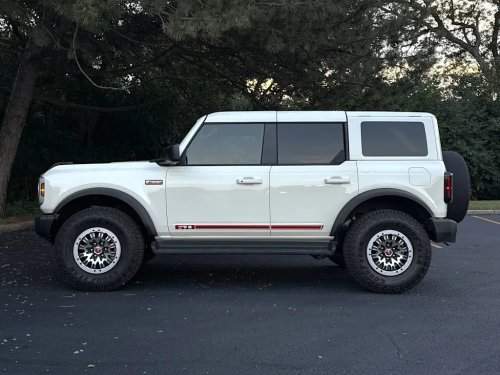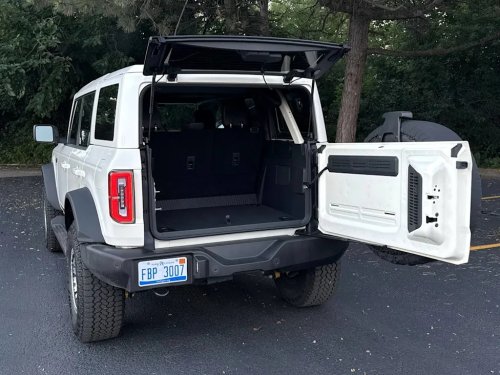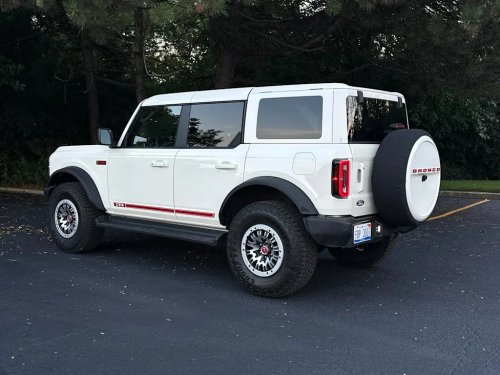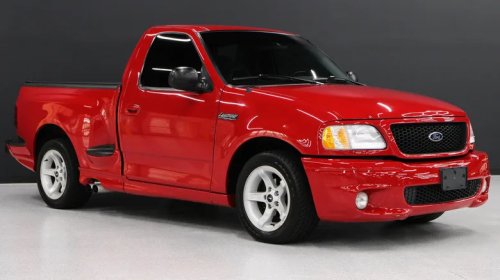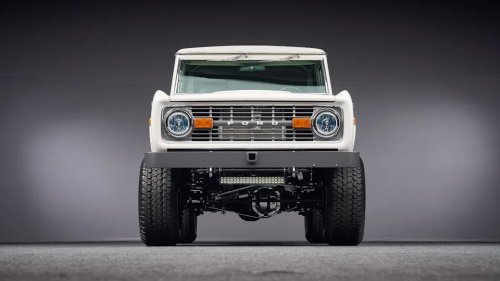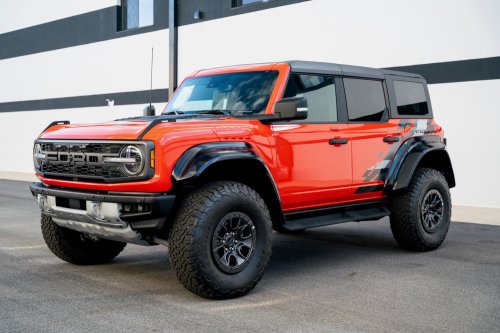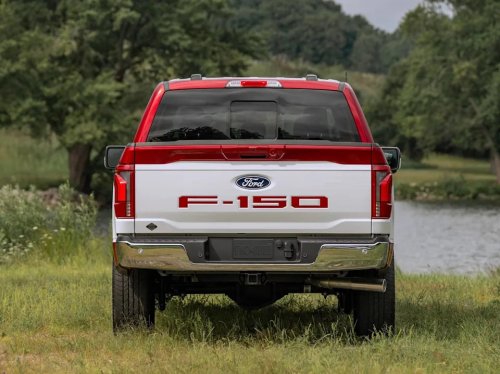



















Ford’s New Patent Could Finally Fix Foggy F-150 and Bronco Headlights in WinterIf you’ve owned an F-150, Bronco, or Expedition long enough to drive one through a cold, damp winter, you’ve probably stood in a parking lot squinting at a foggy headlight wondering whether your truck is broken. It almost certainly isn’t.Ford’s own owner’s manual explains it: headlamps have vents to accommodate normal changes in air pressure, and condensation is a natural by-product of that design – moist air enters through the vents when temperatures drop, and fog forms on the interior of the lens.The company’s official position is that this is expected behavior. A new patent filing suggests Ford’s engineers may have quietly decided “expected” isn’t the same as “acceptable.”AdvertisementAdvertisementFord Global Technologies filed US Patent Application 20260132907 on November 14, 2024, published this week by the US Patent and Trademark Office. The invention is titled “Exterior Lamps with Heated Lens for Anti-Condensation,” and the diagrams show it applied to a truck front end – directly relevant territory for F-Series, Bronco, and Expedition owners. This is a patent application, not a production announcement, and there’s no guarantee any of it reaches a showroom.20260132907DownloadWhy Condensation Keeps WinningThe condensation problem is partly a consequence of the LED era. LEDs don’t create much heat, and because headlights are vented, any change in temperature invites condensation – and unlike older bulb types, LEDs don’t generate enough warmth to bake the moisture back out.Halogen and incandescent units ran hot enough to largely self-correct. LEDs, being far more efficient, don’t produce the thermal byproduct that used to do the housekeeping.AdvertisementAdvertisementHow long the fogging persists depends on ambient humidity and the type of lamp – under dry conditions, normal condensation typically clears within 48 hours. In a wet Minnesota winter or a damp Pacific Northwest morning, that 48-hour window can stretch considerably longer.F-150 Lightning owners have reported condensation sitting in their headlights consistently for four to six weeks before it finally clears on its own – and that’s on a brand-new truck. Spend any time on the F-150 or Bronco forums and you’ll find hundreds of threads asking the same question, getting the same answer: it’s normal, it’ll clear, check back in two days.What Ford’s Patent Actually ProposesThe filing covers several distinct approaches to heating the outer lens, and they can be used individually or in combination. One method embeds a micro-grid of thin conductive wires directly into the lens material, positioned to heat the glass without blocking light output or disrupting beam patterns. The wires are fine enough that they’re only visible under magnification.A second approach uses a heatable decal, essentially a film with a heater wire embedded inside, bonded to the inward-facing surface of the lens around its outer perimeter, where condensation tends to form first.AdvertisementAdvertisementA third option uses a dot-matrix pattern of solar-absorbing markings applied around the outer edge of the lens, drawing in ambient heat and directing it toward the center. There’s also a fan-based approach: a small fan with resistive heater coils circulates warm air inside the housing, creating a continuous loop that keeps the inner lens surface above the dew point.None of this runs constantly. The patent describes a control system that monitors both outside temperature and humidity, activating the heating elements only when conditions cross a threshold – cold enough and damp enough to matter. Drivers could also trigger the system manually from a smartphone app, overriding the automation. If the vehicle battery drops below a minimum charge threshold, the system shuts itself off automatically, which is a sensible safeguard for anyone parked overnight in cold weather.The underlying technology isn’t exactly exotic. Heated rear windows have used embedded wire grids for decades. Applying the same principle to a headlight lens, with smarter activation logic and multiple form factors to suit different lamp geometries, is less about invention and more about execution. Whether Ford follows through into production is the real question. The problem has existed across the F-Series lineup for years, with Ford trucks showing condensation issues going back well over a decade, before LED headlights even became standard equipment.