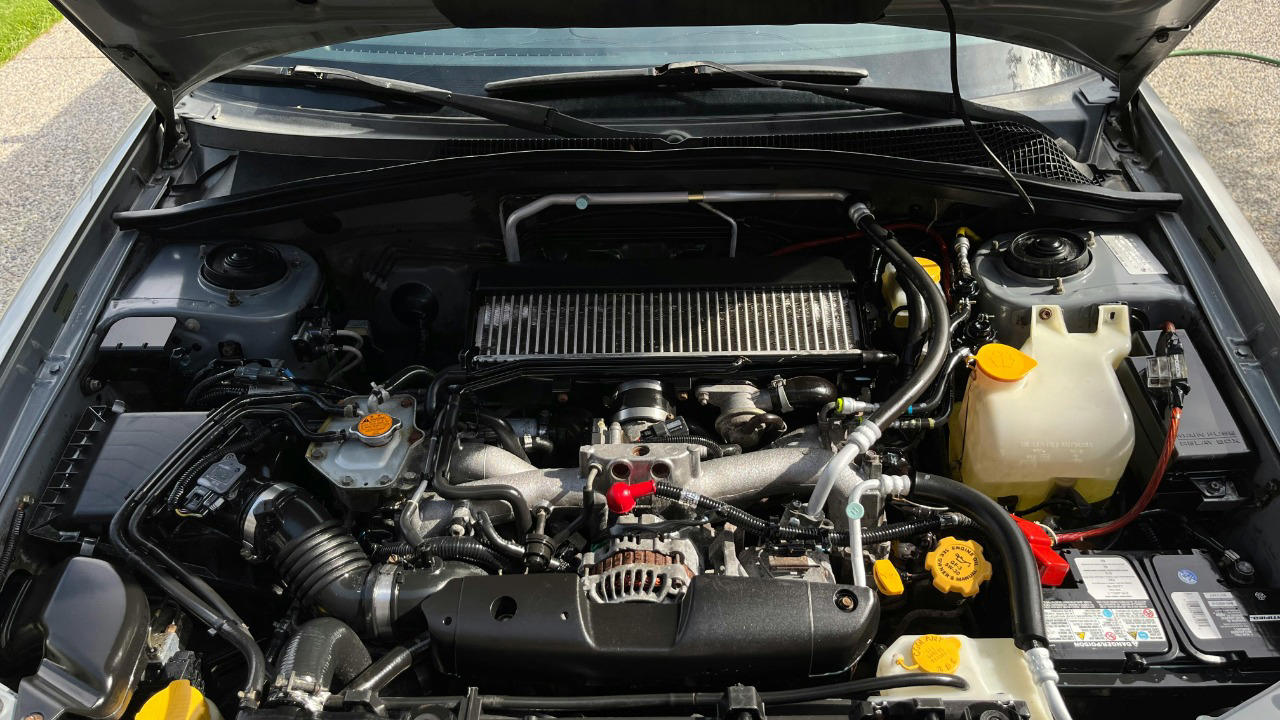



















Your car only starts reliably because two electrical workhorses share the load. The battery delivers instant power on demand, while the alternator keeps that energy flowing once the engine runs. Understanding how they cooperate helps you spot problems early, avoid breakdowns, and stretch the life of both parts. How the battery gets you moving Every drive begins with the battery doing the heavy lifting. It sends a short, intense burst of current to the starter motor so the engine can crank and fire. That surge also powers the fuel pump, ignition coils, and engine computer, which all need stable voltage before the alternator comes alive. Modern cars, including a 2022 Toyota Camry or a 2021 Ford F-150, rely on a 12‑volt lead‑acid battery that can deliver several hundred cold cranking amps during those first seconds. Once the engine runs, the battery shifts into a support role. It smooths voltage spikes, backs up the alternator during sudden electrical demands, and keeps memory settings alive when the car is off. Features such as keyless entry, alarm systems, and telematics units draw small amounts of power around the clock. Over time, those parasitic loads can drain a weak battery and leave you with a no‑start situation. Unverified based on available sources. How the alternator keeps everything powered After the engine starts, the alternator takes over as the main power plant. A belt from the crankshaft spins the alternator rotor, which creates alternating current inside the stator windings. Built‑in electronics then convert that AC into DC and regulate the output to roughly 13.5 to 14.8 volts, high enough to recharge the battery while feeding every electrical system in the car. Electrical demand keeps rising as vehicles add heated seats, large touchscreens, radar sensors, and high‑output audio systems. A compact SUV like a 2023 Honda CR‑V can carry dozens of control modules that all expect clean, stable voltage. The alternator must match that load at idle in traffic and at highway speeds. When it falls behind, lights dim, accessories cut out, and the battery starts discharging instead of charging. Unverified based on available sources. How both parts share the electrical load During normal driving, the alternator supplies nearly all operating power while also topping up the battery. The battery acts like a reservoir, absorbing extra energy when demand is low and releasing it when demand spikes. Heavy loads such as rear defrosters, cooling fans, and power steering pumps can all kick in at once, especially in winter traffic. In those moments, the battery and alternator effectively work in parallel to keep voltage from sagging. Short trips create a different challenge. Frequent cold starts with only a few minutes of driving in between can drain more energy than the alternator has time to replace. A city commuter who drives a 2020 Subaru Outback only a couple of miles at a time may see the battery weaken long before its expected lifespan. Longer drives at steady speeds give the alternator time to restore charge and balance the system. Unverified based on available sources. What happens when the battery fails first A weak battery usually shows up as slow cranking, clicking from the starter relay, or intermittent no‑start events. Electronics may behave erratically, with warning lights flickering or the infotainment system rebooting during startup. Many drivers blame the alternator at this stage, but testing often reveals that the battery can no longer hold enough charge or deliver sufficient current under load. Ignoring those early signs can strain the alternator. When the battery voltage stays low, the alternator works harder and longer to compensate, which raises its operating temperature. Heat is the enemy of internal components such as diodes and voltage regulators. Over time, that extra stress can turn a simple battery replacement into a full charging‑system repair. Unverified based on available sources. What happens when the alternator fails first Photo by Giovanni Spoletini / Pexels Alternator trouble often announces itself with a battery warning light on the dashboard. Drivers sometimes assume the battery is at fault, but that light usually indicates a charging problem. If the alternator output drops, the car begins running almost entirely on stored battery energy. Headlights dim, power windows slow, and the engine may stumble as voltage falls below what control modules expect. Once the battery can no longer support the load, the engine will shut down, even if the battery was new. Jump‑starting might get you a few more minutes of driving, but the underlying issue remains. A 2019 Chevrolet Malibu, for example, can run briefly on battery power after the alternator fails, yet it will stall once the voltage dips too low for the fuel and ignition systems. Unverified based on available sources. How modern systems manage charging smarter Newer vehicles use smarter charging strategies to save fuel and protect components. Instead of holding a constant voltage, many engine computers adjust alternator output based on driving conditions, battery temperature, and accessory load. During hard acceleration, the system may briefly reduce alternator load to free up a bit of engine power. On deceleration, it can increase output to recover energy more efficiently. Start‑stop systems add another layer of complexity. A 2023 BMW 3 Series or a 2024 Hyundai Tucson with automatic engine stop at traffic lights needs a battery that can handle repeated restarts and deep cycling. These cars often use absorbent glass mat (AGM) or enhanced flooded batteries, paired with alternators designed for higher duty cycles. Installing a cheaper, incorrect battery type can confuse the charging strategy and shorten the life of both the battery and alternator. Unverified based on available sources. How to spot trouble before you get stranded Routine checks give you the best chance of catching problems early. Visual inspection can reveal corroded battery terminals, loose clamps, or a cracked case. A simple multimeter test with the engine off should show around 12.6 volts on a healthy, fully charged battery. With the engine running, voltage should rise into the mid‑14s, which indicates the alternator is charging correctly. Professional shops can perform load tests that simulate real‑world demands on both the battery and alternator. Many parts stores also offer quick checks that measure cold cranking performance and charging output. Drivers who rely on accessories like aftermarket amplifiers or high‑wattage light bars should pay particular attention, since those upgrades can push the charging system near its limits. Unverified based on available sources. How to extend the life of both components Good habits reduce stress on the battery and alternator. Turning off high‑draw accessories such as heated seats and rear defrosters before shutting down the engine helps avoid heavy loads at the next start. Allowing the engine to idle for a short period after a cold start gives the alternator time to stabilize voltage before you switch on everything at once. Longer weekly drives help recharge a battery that spends most of its time in short‑trip service. Thoughtful upgrades also matter. When you add a powerful subwoofer to a 2018 Volkswagen Golf GTI or auxiliary lighting to a 2020 Jeep Wrangler, you increase the system’s demand. Matching those additions with the correct alternator capacity and, when appropriate, a higher‑spec battery keeps the partnership balanced. Treating the battery and alternator as a team, rather than isolated parts, gives you a more reliable car and fewer surprises on the roadside. Unverified based on available sources. More from Fast Lane Only: Unboxing the WWII Jeep in a Crate The Fastest Farm Truck Ever Built 10 Old Trucks That Were Built Like Tanks 12 Classic muscle cars still within reach for budget buyers *Created with AI assistance and editor review.