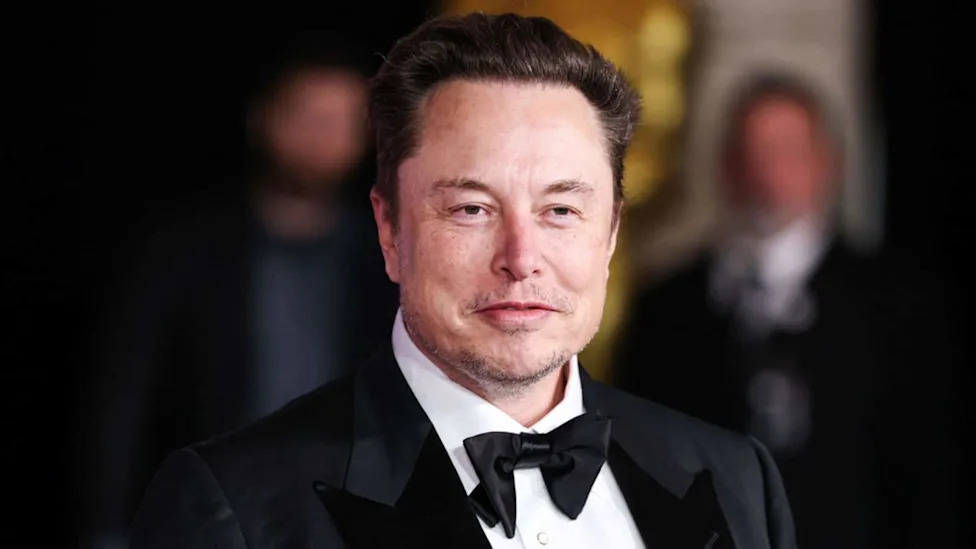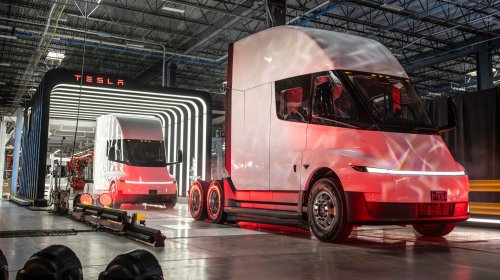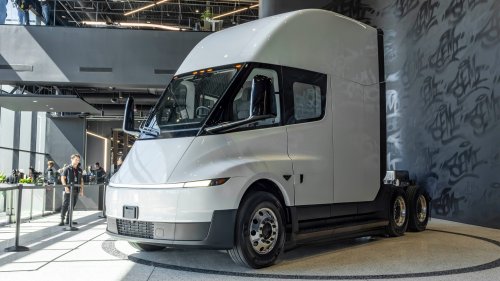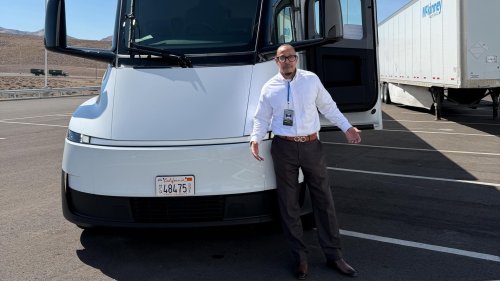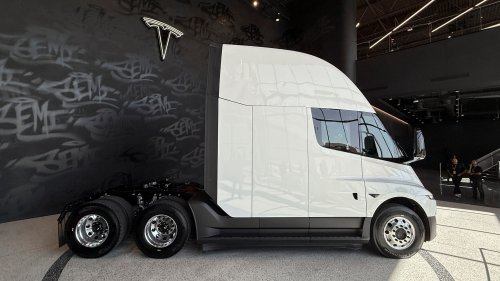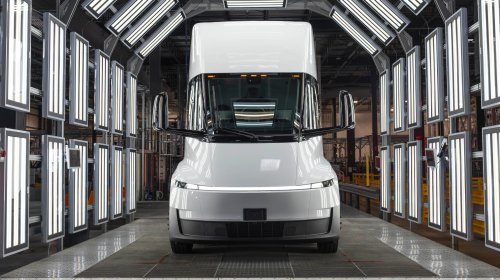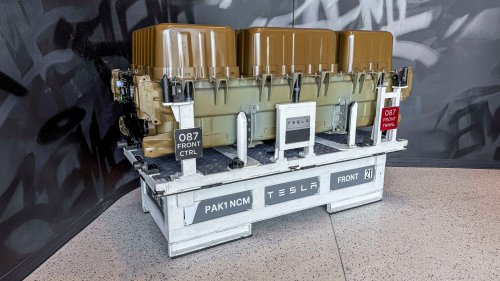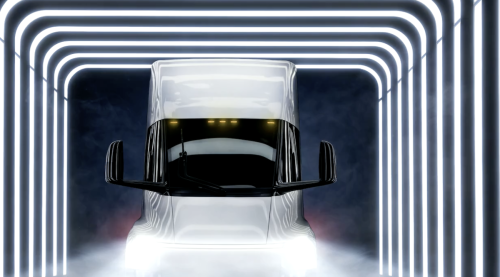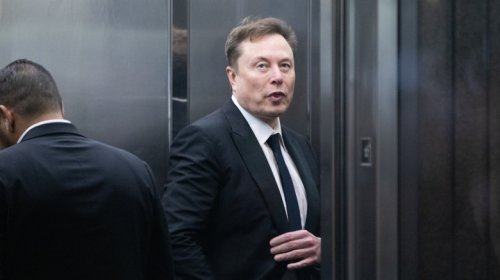



















Elon Musk Says Bill Gates Was Embarrassingly Wrong About the Tesla SemiWhen two of the most famous technology figures in the world meet to discuss engineering, you'd expect the conversation to be sharp. According to Elon Musk, that's not quite how it went with Bill Gates.Musk aired the story on the All-In Podcast, recounting a visit Gates made to Tesla's Gigafactory in Austin – and what followed was either a remarkable failure of preparation or a reminder that founding a successful software company does not automatically translate into fluency in physical sciences."You think that someone like Bill Gates, who clearly started a technology company that's one of the biggest companies in the world, Microsoft, you think he'd be really quite strong in the sciences," the tech trillionaire said. "But actually, my at least direct conversations with him have… he is not strong in the sciences. This is really surprising.AdvertisementAdvertisement"He came to visit me at the Tesla Gigafactory in Austin and was telling me that it's impossible to have a long-range semi-truck. And I was like, 'Well, but we literally have them. And you can drive them. And Pepsi is literally using them right now. And you can drive them yourself, or send some – obviously Bill Gates is not gonna drive himself – but you can send a trusted person to drive the truck and verify that it can do the things that we say it's doing.' And he's like, 'No, no, it doesn't work. Doesn't work.'"Musk's frustration in that room is pretty legible. The Tesla Semi offers two range variants, 325 miles and 500 miles, and at the time of that conversation, the trucks weren't hypothetical.Initial deliveries to PepsiCo had been made in December 2022 , and real operators were putting real miles on them.PepsiCo was logging 1,076 miles in 24 hours across multiple shifts and achieving single-charge ranges of up to 410 miles from those Sacramento-based trucks. "Impossible" was already losing the argument to the data.Gates Couldn't Counter the Numbers — Because He Didn't Know ThemMusk tried to find the actual technical disagreement, which is what you do when someone rejects an empirical claim without evidence. His attempt to locate the specific objection – battery energy density versus chassis efficiency – went nowhere fast.AdvertisementAdvertisement"And I'm like, 'Okay.' I'm kind of stuck here," Musk continued. "I was like, 'Well, so it must be that you disagree with the watt-hours per kilogram of the battery pack, so that you must think that perhaps we can't achieve the energy density of the battery pack, or that the watt-hours per mile of the truck is too high. Because when you combine those two numbers, the range is low. And so which one of those numbers do you think we have wrong, and what numbers do you think are correct?'"And he didn't know any of the numbers. And I'm like, 'Well, then doesn't it seem that it's perhaps premature to conclude that a long-range semi cannot work if you do not know the energy density of the battery pack or the energy efficiency of the truck chassis?'"Third-party logistics provider NFI tested the Semi and reported an efficiency of 1.64 kWh per mile, while DHL recorded 1.72 kWh per mile hauling 75,000 pounds gross combined weight over 388 miles on a single charge – figures that are a matter of public record.The truck operates on three motors, producing roughly three times the power of a typical diesel semi, at under two kilowatt-hours per mile. This isn't the first time the two have crossed swords over the Semi.AdvertisementAdvertisementGates had previously argued in a blog post that 18-wheelers weren't suitable for electric propulsion, writing that "even with big breakthroughs in battery technology, electric vehicles will probably never be a practical solution for things like 18-wheelers" and that "electricity works when you need to cover short distances."That post went up in August 2020.Gates also took a short position against Tesla in 2022, which Musk discovered when Gates reached out seeking a donation toward climate philanthropies – a sequence of events Musk found uniquely irritating.Volume production of the Semi started on April 29, 2026, at a Nevada facility planned to turn out 50,000 units per year. Musk has been gleefully noting the timing. The truck Gates called impossible is now coming off a high-volume production line. Whether anyone sends Gates a courtesy test drive is, at this point, unlikely – but the offer apparently still stands.