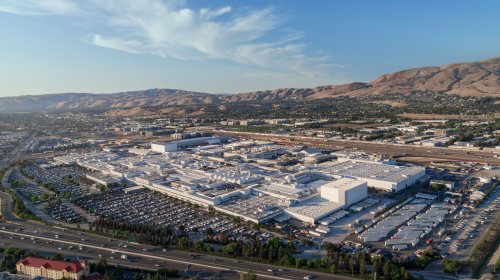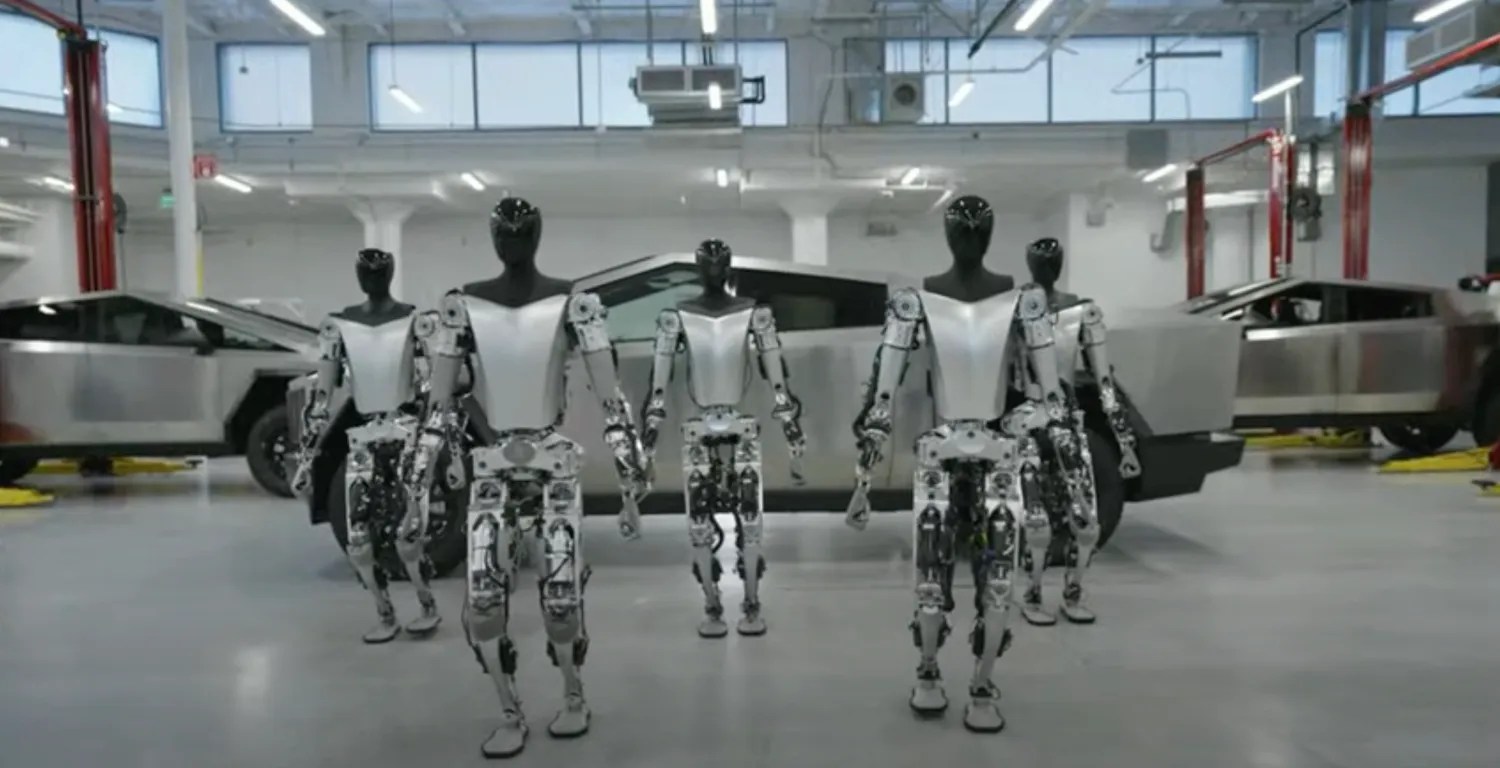



















Elon Musk has directly rejected a popular fan theory that Tesla is secretly further ahead on Optimus than it lets on, warning instead that production of its humanoid robot “will be extremely slow at first.” The comment cuts against a bullish narrative that Tesla’s quiet stretch on Optimus is a strategic head-fake — and lines up with the company’s own repeatedly delayed timeline. The ‘4D chess’ theory Musk was responding to The exchange started with Tesla booster “Doctor Jack” (@DoctorJack16), who floated a theory to explain why Tesla still hasn’t shown its Optimus V3 demo. “My theory is that Tesla engineers realized that they were further ahead on production than they forecasted,” he wrote, citing VP of Vehicle Engineering Lars Moravy saying production was “ahead of schedule.” Advertisement - scroll for more content He went further, predicting the eventual V3 reveal would be a blowout: “Don’t be surprised if the demo showcases many Optimus robots on stage. Many.” His conclusion was that “the competition will not have time to react.” It’s a classic piece of Tesla fan reasoning — reframing a delay as secret strength, the kind of “4D chess” narrative that tends to fill the vacuum whenever a Tesla product slips. For once, Musk, who generally entertains these theories, wasn’t having it. “No, Optimus production will be extremely slow at first, as everything is new,” he replied. “This is not like making a car.” Musk’s own timeline backs the skeptical read Musk’s reply isn’t a surprise if you’ve been tracking what Tesla has actually said, rather than what fans hope. On Tesla’s Q1 2026 earnings call, Musk confirmed Optimus production would begin at Fremont in late July or August, and warned output would be “quite slow.” He called it “literally impossible to predict” the production rate this year, given that Optimus has roughly 10,000 unique parts running on an entirely new production line. That’s the same Fremont plant where Tesla ended Model S and Model X production to convert the lines to Optimus — a dramatic bet on the robot that leaves the company with no room to quietly overdeliver. Tesla has also pushed the Optimus V3 reveal back repeatedly through 2026, which is the very delay Doctor Jack’s theory was trying to explain away. A pattern of missed robot targets The “extremely slow” framing is a notable walk-back from where Musk set expectations just 18 months ago. In early 2025, Musk predicted Tesla would build “roughly 10,000 Optimus robots” that year and have around 1,000 doing productive work by the end of 2025. Tesla missed that badly — Musk admitted in January that no Optimus robots were doing ‘useful work’ in its factories, with only several hundred units deployed for learning rather than real tasks. Every major Optimus production timeline since 2022 has slipped, from “production ready by 2023” to “thousands in factories” to the Gen 3 unveil that keeps sliding. Tesla’s stated 2026 target is now 50,000–100,000 units, with Fremont aiming for a 1-million-unit annual run-rate by year-end and a second factory at Giga Texas targeting eventual capacity of 10 million units a year. Those are enormous numbers. But Musk’s own words make clear the near-term reality is a slow, uncertain ramp — not a hidden army of robots waiting in the wings. Electrek’s Take Musk literally used the potential risk that Tesla was on the verge of having “an army of robots” as a reason shareholders need to give him more control over the company. Now that he has it, Optimus is magically “going to be extremely slow.” The “4D chess” theory only exists because Tesla has spent years overpromising on Optimus and then quietly missing, training its most loyal followers to reinterpret every delay as secret progress. When your fans have to invent reasons you’re winning, that’s a signal, not a strength. I think humanoid robots will play a role in automation in the future, but I doubt it will be anywhere near as big as Musk suggests, and I don’t see Tesla leading the way. There are hundreds of other companies developing similar products, but the robots are still not widely useful without more advanced physical AI. If you’re weighing the cost of charging an EV or powering a home full of new tech, home solar is one of the smartest ways to lock in low energy costs. With electricity rates climbing nearly 10% last year, home solar protects you against future rate increases. And with lease and PPA options, you can go solar with zero upfront cost and start saving immediately. If you want to find the best deal, check out EnergySage. It’s a free service with hundreds of pre-vetted installers competing for your business, so you save 20 to 30% compared to going it alone. No sales calls until you pick an installer. Get your free quotes here. Stay up to date with the latest content by subscribing to Electrek on Google News. You’re reading Electrek— experts who break news about Tesla, electric vehicles, and green energy, day after day. Be sure to check out our homepage for all the latest news, and follow Electrek on Twitter, Facebook, and LinkedIn to stay in the loop. Don’t know where to start? Check out our YouTube channel for the latest reviews.