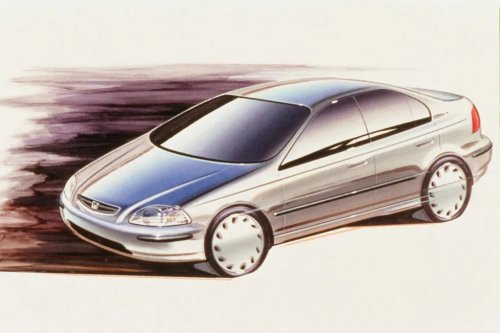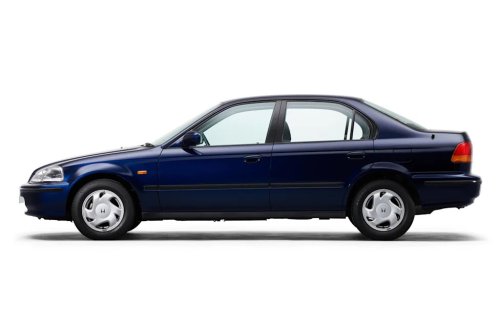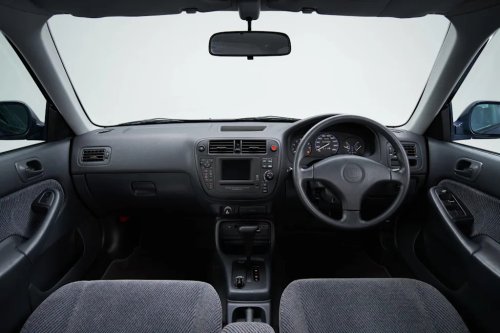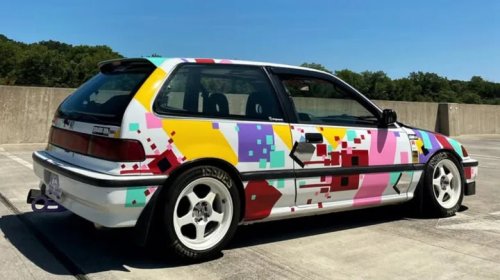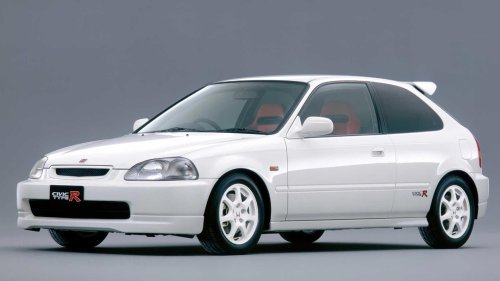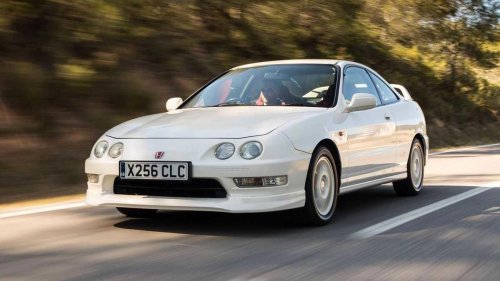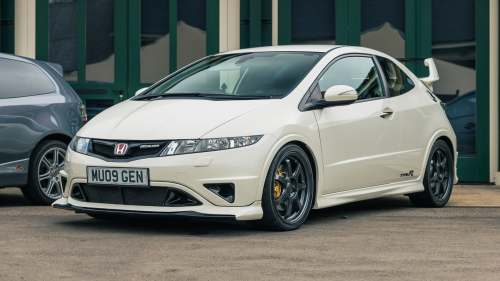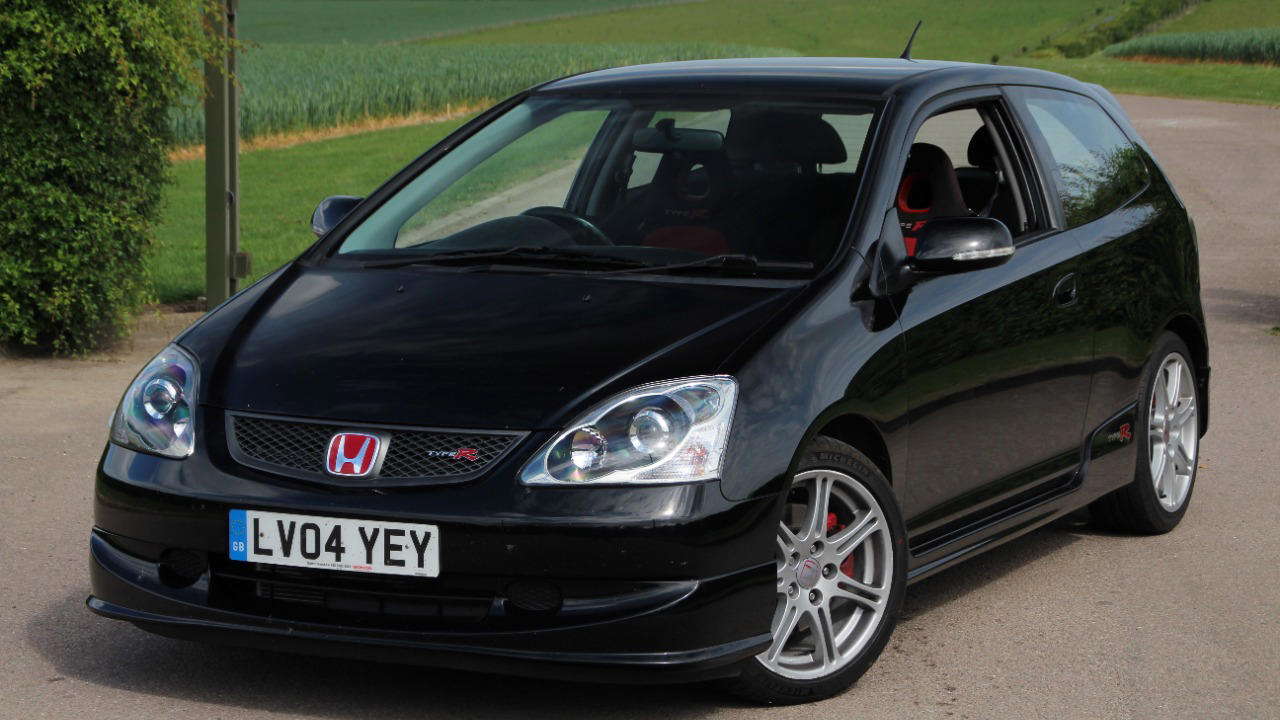



















EP3 Honda Civic Type R joins 2026 list of legal US importsThe EP3-generation Honda Civic Type R has finally crossed the 25-year threshold that turns forbidden fruit into legal metal on American roads. Built in 2001, the earliest cars now qualify for import under federal exemptions that treat them as classics rather than new vehicles. For enthusiasts, that shift transforms a once-untouchable hot hatch into a realistic target for garages and track paddocks across the United States. This arrival coincides with surging interest in early-2000s Japanese performance cars, and importers are already gearing up for a busy year. The EP3 joins a packed class of 2001 icons, yet few rivals offer the same blend of everyday usability, naturally aspirated power and motorsport pedigree. That mix is what makes this Civic Type R’s new legal status feel like a milestone rather than just another calendar flip. The 25 year rule that unlocks the EP3 The key to the EP3 Civic Type R’s new status is the federal 25 year rule, which allows cars that old to enter the country without complying with modern crash and safety standards. The National Highway Traffic Safety Administration explains that importing a vehicle is treated differently from bringing in a newer model, because the car is exempt from Federal Motor Vehicle Safety Standards once it passes that age. That exemption covers the EP3 because the second Civic Type R, identified in official histories as the 2nd Civic Type R: EP3, arrived in 2001 and the earliest examples now clear the age threshold. Import specialists break the rule down even further by build month, since eligibility begins 25 years after the exact production date rather than the model year printed on the brochure. Guides that track JDM cars turning 25 explain how the rule works in practice, using examples such as a vehicle built in March 2001 becoming eligible once that same month arrives in 2026. Those month-by-month import guide lists explicitly flag the Civic Type R among the Japanese vehicles that begin qualifying this year, which means buyers who know the build date of a specific chassis can plan deposits and shipping windows with some precision. Why the EP3 Civic Type R matters to American enthusiasts For American fans of Honda performance, the EP3 has always represented a missing chapter. Honda’s anniversary material describes the EP3 as the second Civic Type R and notes that it arrived in 2001 while the United States still lacked an official Type R model in showrooms. That gap helped turn the car into a cult object, especially as word spread about its high-revving engine, close-ratio gearbox and chassis tuning that leaned heavily on motorsport experience. Performance data reinforces that reputation. Track timing databases describe the Honda Civic Type R as the performance flagship of the seventh-generation Civic and highlight its track-oriented dynamics. Enthusiast coverage of the car’s new eligibility in 2026 notes that the earliest examples built in 2001 now qualify under the 25-year rule. Those same reports note that some cars in Japan trade from roughly 5,350 dollars at current exchange rates, a figure that hints at why American buyers are already scanning auction listings for clean, unmodified examples. How to legally bring an EP3 into the United States Turning eligibility into a registered car involves more than booking a ship, and importers who specialize in 2001 vehicles are already outlining the process. A detailed guide to importing your dream in 2026 explains how companies such as Trans Global Logistics Europe GmbH handle shipping, customs paperwork and port logistics for buyers chasing 2001 cars including the Mitsubi models and other icons. That same ecosystem of brokers and freight forwarders is now positioning the EP3 Civic Type R alongside other desirable 2001 machines, treating it as part of a broader class of cars that suddenly became viable imports this year. On the regulatory side, the federal government sets out the steps for importing and certification, including the declaration that the car is at least 25 years old so that it qualifies for the exemption in the NHTSA database. Customs and Border Protection adds its own layer, requiring specific forms and proof of ownership before a car can clear the port and reach a state inspection lane. Together, those rules mean that a buyer who wants an EP3 needs accurate build documentation, a shipping partner familiar with the 25 year rule and a clear understanding of how federal exemptions interact with state-level registration requirements. Tariffs, taxes and the wider 2001 import class Even with the safety exemption in place, the final price of an imported EP3 Civic Type R will be shaped by tariffs and taxes that apply to all foreign cars. Coverage of recent policy changes notes that an executive order created a 25 percent tariff on imported cars and parts, but that Page 10 of the document states that on or after April 3, 2025, vehicles that are at least 25 years old at the time of entry will not be subject to this 25 percent tariff regardless of origin, make or model. Analysts who examined Trump’s 25 percent argue that this carve-out protects classic and enthusiast imports, which would include a 2001 Civic Type R that arrives in 2026. That exemption does not erase shipping costs, port fees or state taxes, but it does prevent a quarter of the car’s value being added at the federal border. More from Fast Lane Only Unboxing the WWII Jeep in a Crate 15 rare Chevys collectors are quietly buying 10 underrated V8s still worth hunting down Police notice this before you even roll window down